DbcultAccessing Vault...
Cult Review
Senior Film Conservator
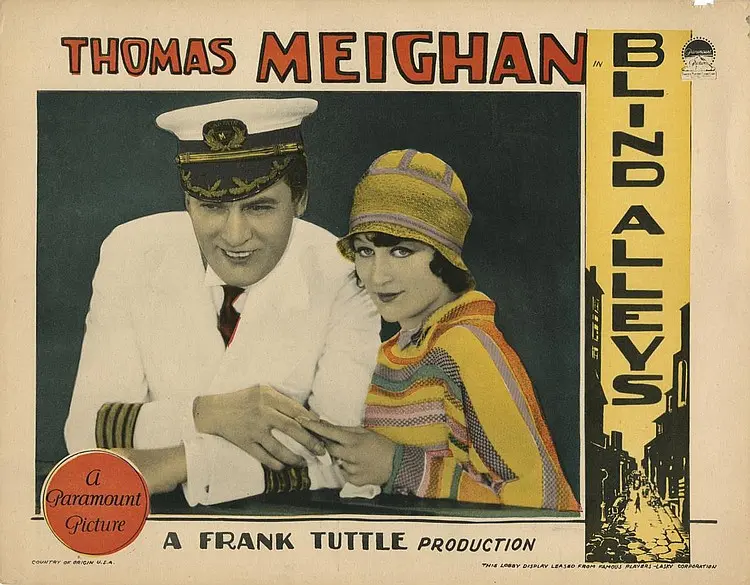
Should you invest your time in tracking down a viewing of Blind Alleys? Short answer: yes, but only if you have a high tolerance for the heavy-handed coincidences that defined late-era silent melodramas.
This film is specifically for enthusiasts of pre-Code urban thrillers and those who enjoy seeing how the 1920s viewed the 'danger' of the immigrant experience in America. It is emphatically not for modern audiences who demand tight, logical plotting or those who find the exaggerated gestures of silent acting to be more distracting than emotive.
1) This film works because it captures a genuine sense of urban claustrophobia and the terrifying speed at which a life can be dismantled in a big city.
2) This film fails because its central conflict relies entirely on a sequence of improbable mishaps that would make a soap opera writer blush.
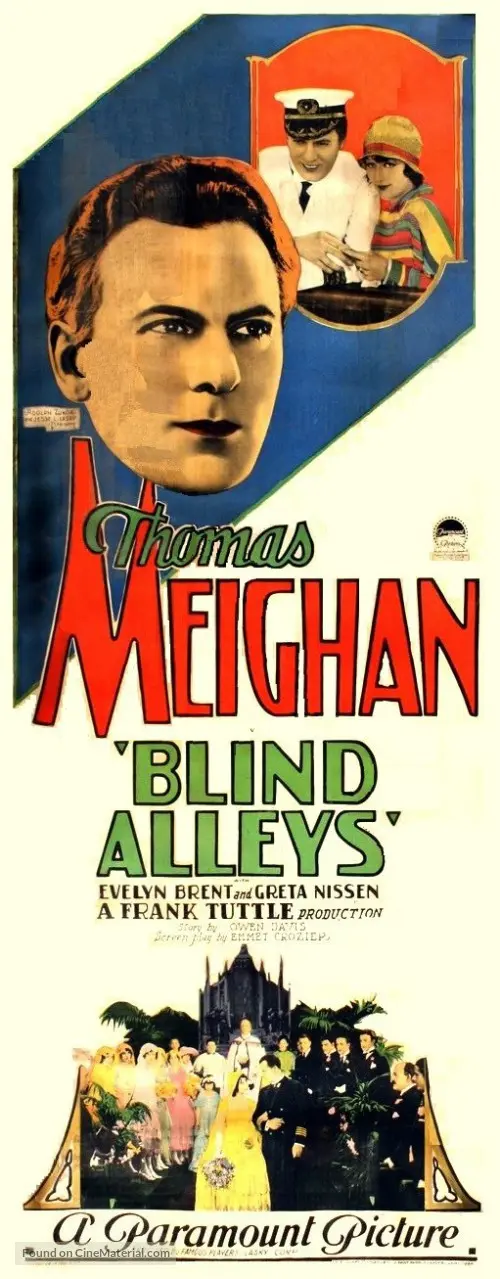
3) You should watch it if you want to see Thomas Meighan at the height of his leading-man powers or if you're interested in the early career of Greta Nissen.
Is Blind Alleys a masterpiece of the silent era? No. But is it a fascinating artifact? Absolutely. The film operates on a logic of nightmare. One moment you are buying flowers for your wife; the next, you are an anonymous body in a hospital bed while your spouse is being kidnapped by organized crime. It’s a terrifying premise that still resonates in our modern age of identity theft and urban anonymity.
The film’s strength lies in its pacing. Director Frank Tuttle doesn't linger on the sentimentality of the marriage. Instead, he plunges the viewer directly into the chaos. The transition from the sunny, hopeful arrival of the merchant marine to the cold, clinical halls of Dr. Webster’s hospital is jarring in the best way possible. It forces the audience to feel the same disorientation that Kirby feels upon waking up.
The cinematography in Blind Alleys uses the streets of New York not as a backdrop, but as an antagonist. Unlike the more whimsical portrayal of the city in The Nut, this film treats the intersection where Kirby is struck as a site of trauma. The camera work during the accident scene is surprisingly visceral for 1927. We don't just see the car; we feel the impact of the city’s indifference.
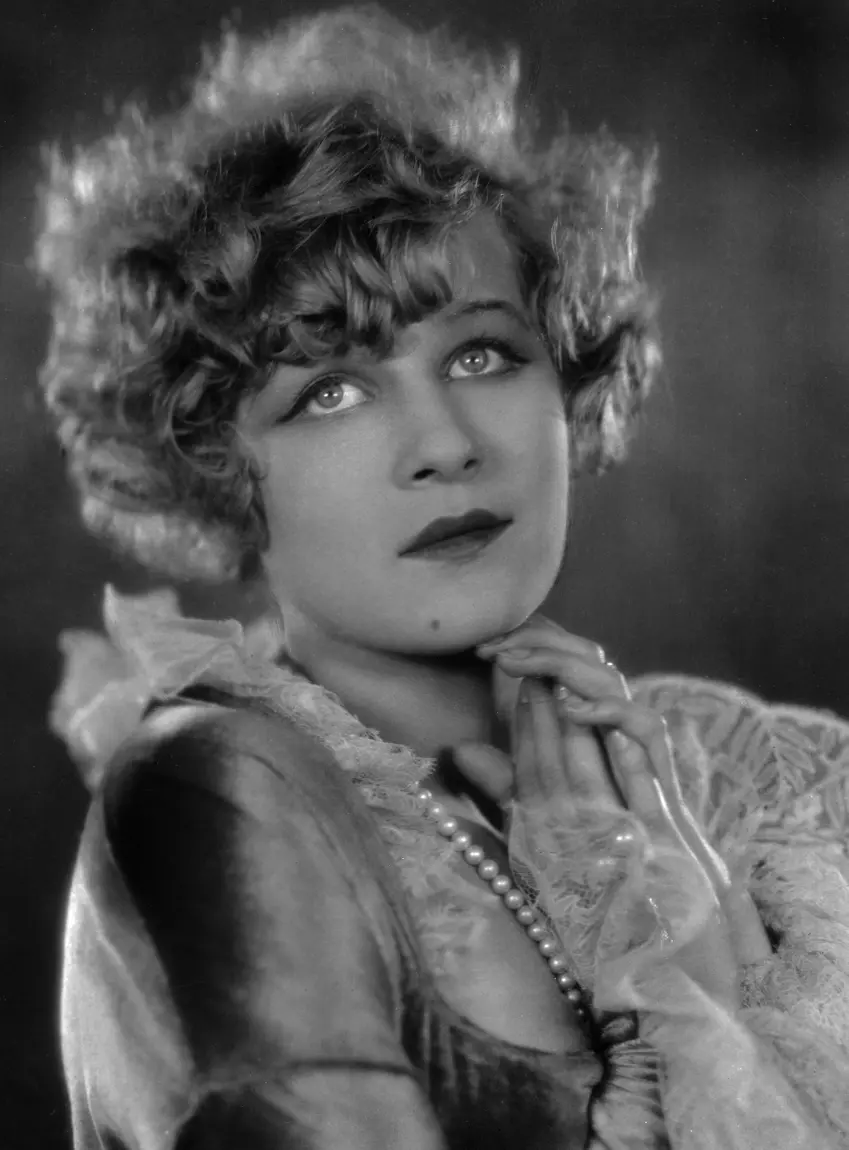
Greta Nissen’s portrayal of María is a highlight, though it’s filtered through the period's somewhat patronizing view of foreign women. She is depicted as helpless, yet her desperation is palpable. When she is intercepted by the jewel thieves, the film takes a dark turn into what we might now call 'noir' territory. The contrast between her innocence and the jagged edges of the criminal underworld provides the film’s most compelling tension.
One of the most debatable elements of the film is the character of Sally Ray, played by Evelyn Brent. Brent brings a cynical, sharp-edged energy to the role that stands in stark contrast to Nissen’s María. Sally isn't just a nurse; she’s a predator in a white cap. Her attempts to keep Kirby isolated from his past are played with a chilling lack of remorse. It’s a performance that anticipates the femme fatales of the 1940s.
The hospital scenes are where the film slows down, perhaps too much. While the tension of Kirby’s recovery is necessary, the script spends an inordinate amount of time on the domestic drama between Kirby and Sally. Compared to the high-stakes kidnapping plot involving María, these scenes can feel stagnant. However, they serve to illustrate the 'blind alleys' of the title—the wrong turns and false paths the characters take while trying to find their way back to the truth.
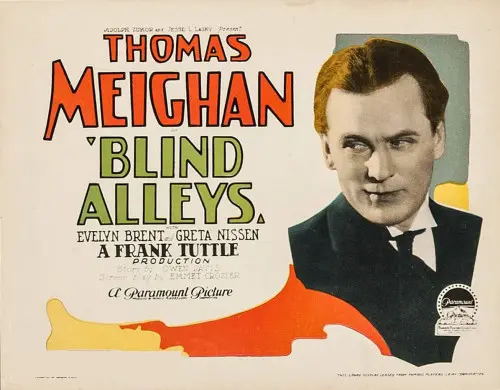
Thomas Meighan was a massive star in the 20s, and Blind Alleys shows why. He had a grounded, everyman quality that made his suffering feel relatable. In many ways, his performance here is more restrained than his work in Godless Men. He plays the amnesia not with wide-eyed shock, but with a weary, heavy-limbed confusion that is quite effective.
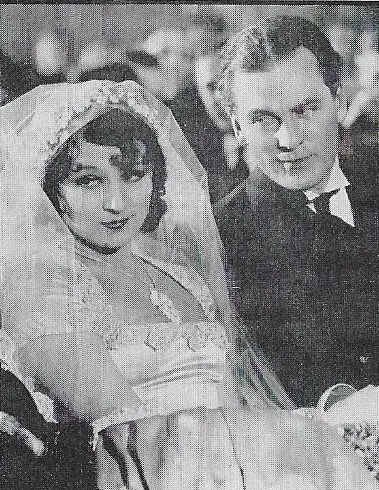
Greta Nissen, on the other hand, is all movement and emotion. There is a specific scene where she realizes she has no way to prove who she is or where her husband has gone. The panic in her eyes is the emotional anchor of the film. It reminds the viewer that for an immigrant in 1927, New York was a place where you could vanish in an afternoon. This theme of erasure is far more interesting than the jewel thief subplot, which feels a bit like a generic genre requirement.
The editing in the final act is where the film truly shines. The cross-cutting between Kirby’s realization of Sally’s lies and María’s escape from the thieves builds a genuine sense of momentum. It’s a classic race-against-time structure that Frank Tuttle handles with professional ease. While it lacks the experimental flair of something like Metskhre talga, it is a masterclass in mainstream silent storytelling.
The tone, however, is inconsistent. It veers from a gritty crime drama to a melodrama about 'the other woman' without much warning. This tonal whiplash is common in films of this era, but here it feels particularly pronounced because the stakes in each subplot are so different. One is a matter of life and death (the thieves), while the other is a matter of romantic fidelity (Sally).
Pros:
The film features excellent location shooting that captures the grit of 1920s Manhattan. The chemistry between the leads is palpable, and the villainous turns are genuinely menacing. It avoids the stagy, theatrical feel of earlier silents like Revelation.
Cons:
The amnesia trope is handled with a lack of medical realism that might frustrate modern viewers. The resolution of the kidnapping plot feels rushed, as if the writers realized they were running out of reel and needed to bring everyone back together for a happy ending.
The 'blind alleys' of the title refer to more than just the physical streets of New York. They are metaphors for the moral and social traps the characters fall into. Kirby falls into the 'alley' of amnesia and false comfort. María falls into the 'alley' of criminal exploitation. The film argues that in a city this large, finding the 'main road' back to your life requires more than just luck—it requires a rejection of the easy lies offered by strangers.
This is a surprisingly cynical take for a film of this period. Usually, the city is a place of opportunity. Here, it is a meat grinder. Even the 'good' characters, like Dr. Webster, are part of the machine that separates the couple. The doctor’s decision to take Kirby to a private hospital rather than a public one is what initiates the separation. It’s a subtle critique of class and the healthcare system that adds a layer of depth to what could have been a simple potboiler.
Blind Alleys is a solid, professional piece of silent filmmaking that benefits from a strong cast and a dark, atmospheric setting. It is not a revolutionary work, but it is a highly effective one. It captures the anxiety of the modern world in a way that feels surprisingly fresh. The city is a cage. The plot is clunky. But the emotion is real. If you can forgive the creaky plot mechanics, you will find a rewarding drama about the resilience of the human spirit in the face of urban indifference. It works. But it's flawed.
"A haunting reminder that in the city of millions, you are only one accident away from becoming a ghost in your own life."
IMDb —
1919
Community
Log in to comment.