DbcultAccessing Vault...
7/10
Senior Film Conservator
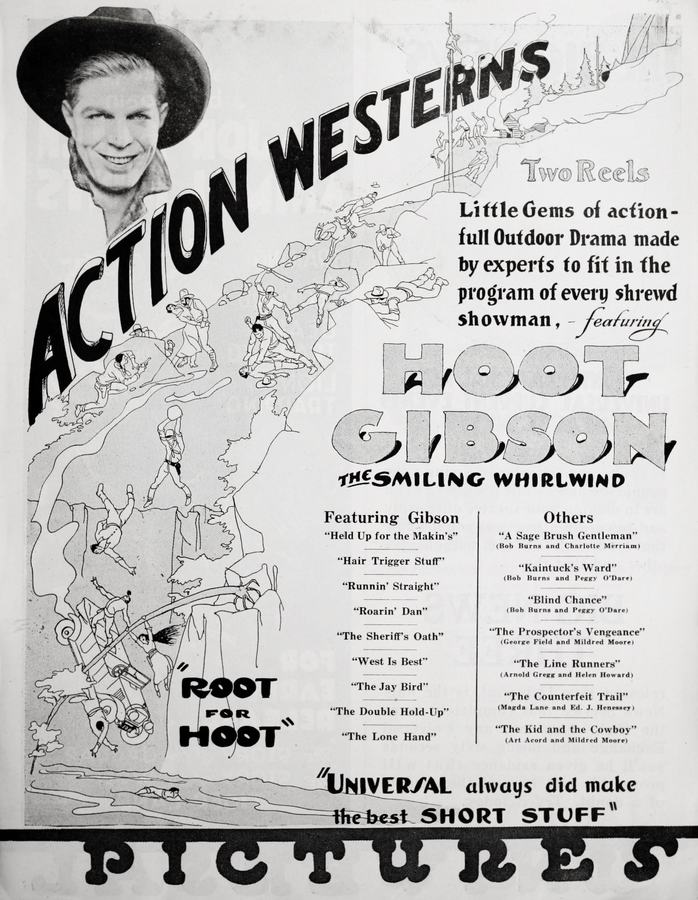
A definitive 7/10 rating for a film that redefined the boundaries of cult cinema. Blind Chance remains a cornerstone of transgressive art.
The silent film era often functioned as a crucible for hyper-expressive morality, and Blind Chance stands as one of the most poignant examples of the 'sacrificial lamb' trope ever committed to celluloid. Directed and written by the triumvirate of Philip Hubbard, Hugh J. Mee, and William Pigott, the film transcends the simplistic boundaries of 1920s melodrama to explore the psychological toll of a life lived in the shadows of someone else's sin. Unlike the more whimsical narratives found in A Kiss for Susie, this production dives headlong into the murky depths of social ostracization and the heavy price of chivalry.
The plot is a masterfully constructed engine of tension. Charles Dorian, in what remains a definitive performance of his career, portrays our hero with a stoic resignation that borders on the ascetic. When he assumes the blame for a murder he did not commit, the film asks the audience to participate in his isolation. We are made complicit in his silence. This thematic weight is far more oppressive than the physical constraints seen in Shackled, as Dorian’s character is imprisoned by his own sense of honor rather than mere iron bars.
The screenwriting team—Hubbard, Mee, and Pigott—demonstrates a sophisticated understanding of the passage of time. The transition from the hero's initial sacrifice to the son's adulthood is handled with a rhythmic precision that avoids the disjointed feeling common in many of its contemporaries. We see the son, played with a simmering, misplaced fury by Bob Burns, grow into a man whose entire identity is forged in the fires of a perceived grievance. His quest for revenge is not just a plot point; it is a tragic irony that threatens to destroy the very man who ensured his mother's survival.
Natalie Warfield’s performance is the emotional fulcrum of the film. While the hero provides the structural integrity of the story, Warfield provides its heartbeat. Her character’s internal conflict—watching the man she loves or respects wither in the public eye while her son grows into a monster—is portrayed with a nuance that avoids the histrionic tendencies of the time. In many ways, her struggle mirrors the domestic tensions found in The Iron Woman, yet it is heightened by the lethal stakes of a murder charge.
The visual language of Blind Chance is surprisingly modern. The use of shadow to delineate the hero’s social exile creates a chiaroscuro effect that predates the noir aesthetic by two decades. There is a specific scene where the hero looks at the woman’s son from a distance—a moment of vicarious fatherhood and profound regret—that captures more emotion in a single frame than many talkies manage in an entire act. It is this economy of visual storytelling that makes the film a superior specimen to more dialogue-heavy stage adaptations like Under the Greenwood Tree.
When we compare Blind Chance to something like The Last Dance, the differences in narrative ambition become clear. While the latter focuses on the ephemeral nature of romance and social standing, the former grapples with the permanent scars of a false legacy. The son’s hunt for the hero is a sequence of escalating dread, a relentless pursuit that forces the audience to confront the dangers of righteous anger. It’s a precursor to the psychological thrillers that would dominate the mid-century, albeit wrapped in the velvet curtains of silent melodrama.
The writing of Philip Hubbard and his colleagues deserves special mention for its refusal to provide an easy out until the final reel. The tension is sustained not through action, but through the withholding of information. This isn't the light-hearted fare of Don't Shove; it is a somber examination of how a single lie can metastasize over generations. The son's character arc is particularly fascinating—a young man whose moral compass is perfectly calibrated but pointing toward the wrong North Star.
The cinematography, though limited by the technology of 1920, utilizes deep focus in a way that suggests a world larger than the frame. This sense of a wider society judging the hero is crucial. We aren't just watching three people in a room; we are watching a man being crushed by the collective weight of public opinion. This societal pressure is a recurring theme in the writers' work, often seen in narratives like A Hungry Heart, but here it reaches its zenith. The hero's world is a claustrophobic one, even in the outdoor scenes, because the eyes of the community are always upon him.
Peggy O'Day’s supporting role adds a layer of grounding realism to the film. While the central trio deals with the grand Shakespearean themes of blood and honor, O'Day provides a tether to the everyday life that the hero has sacrificed. Her interactions with the cast offer a glimpse into what could have been, making the hero's ultimate fate all the more tragic. This contrast is similar to the tonal shifts in La vie de Bohème, where the harshness of reality constantly intrudes upon the ideals of the protagonists.
The final act of Blind Chance is where the film truly earns its place in the pantheon of great silent dramas. The mother’s decision to speak is not presented as a moment of triumph, but as a moment of devastating necessity. It is an admission of failure as much as it is an act of salvation. This complexity is often missing from more straightforward westerns like The Heart of Texas Ryan. Here, the truth doesn't just set you free; it dismantles the world you've built.
The confrontation between the son and the hero is staged with a visceral energy. Bob Burns brings a physicality to the role that makes the threat feel immediate and real. When the mother finally intervenes, the silence of the film works in its favor. We don't need to hear her scream; we see the collapse of her son's entire worldview in his eyes. It is a moment of pure cinematic catharsis that rivals the emotional peaks of Through the Valley of Shadows.
In the broader context of 1920s cinema, Blind Chance is a fascinating anomaly. It avoids the jingoism of The Red Ace and the simple moralism of The Shepherd of the Southern Cross. Instead, it opts for a nuanced exploration of the 'noble lie.' It asks us to consider the ethics of silence and the unintended consequences of altruism. The film suggests that while the hero's intent was pure, the outcome was a multi-generational tragedy that almost resulted in a second murder.
Charles Dorian’s performance remains a masterclass in subtlety, proving that the silent screen was capable of immense psychological depth. The writing team of Hubbard, Mee, and Pigott crafted a story that feels as relevant today as it did a century ago. It is a story about the stories we tell ourselves to survive, and the danger of those stories becoming our reality. For anyone interested in the evolution of the revenge thriller or the history of cinematic melodrama, Blind Chance is an essential viewing experience. It may not have the name recognition of The Yellow Dog or the commercial polish of My Girl Suzanne, but it possesses a haunting, lyrical quality that lingers long after the final intertitle has faded.
Ultimately, Blind Chance is a reminder that in the world of cinema, the most powerful moments are often those left unsaid. It is a film that celebrates the strength of the human spirit while simultaneously mourning its capacity for self-destruction. It is, in every sense of the word, a masterpiece of the silent era—a film that uses its lack of sound to amplify the loudest truths of the human condition. Even when compared to the innocence of Baby, this film shows the maturity and grit that silent cinema was capable of achieving when it dared to look into the darker corners of the soul.
IMDb —
1925
Community
Log in to comment.