DbcultAccessing Vault...
5.9/10
Senior Film Conservator
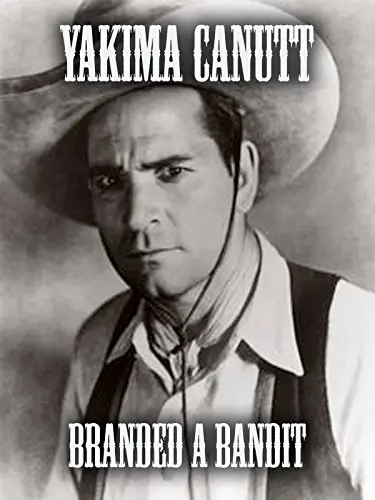
A definitive 5.9/10 rating for a film that redefined the boundaries of cult cinema. Branded a Bandit remains a cornerstone of transgressive art.
The year 1924 represented a pivotal juncture for the American Western, a period when the genre began to shed its primitive skin in favor of psychological complexity and kinetic sophistication. At the heart of this evolution stands Branded a Bandit, a film that leverages the rugged physicality of Yakima Canutt to tell a story of profound systemic injustice. Unlike the more polished studio efforts of the era, this production breathes the dust of the trail, capturing a raw, unvarnished aesthetic that feels remarkably modern in its cynicism toward mob mentality.
Before he became the legendary stunt coordinator for Ben-Hur or the man who taught John Wayne how to walk and talk, Yakima Canutt was a screen presence of formidable intensity. In Branded a Bandit, his portrayal of Jess Dean is not merely a display of horsemanship, though his equestrian skills remain unparalleled. Canutt brings a stoic vulnerability to the role of the framed cowhand. When Horse Williams—played with a sneering, oily malevolence—orchestrates the miner's demise, the weight of the world descends upon Jess. The camera captures Canutt’s frantic yet calculated escape with a dynamism that rivals the tension found in The Trigger Trail, yet here the stakes feel more intimate, more grounded in the dirt of a corrupt town.
The physical performance is a masterclass in silent storytelling. Every flinch during the accusation and every desperate gallop away from the mob communicates a visceral fear of the noose. It is this authentic athletic prowess that distinguishes the film from contemporaries like Drifting, where the drama often feels tethered to stage-bound conventions. Canutt’s Jess Dean is a creature of the landscape, and his survival is predicated on his mastery of that environment.
Director Paul Hurst, who also co-wrote the screenplay, demonstrates a keen understanding of narrative pacing. The setup is deceptively simple: a miner’s strike, a gift of ore, and a cold-blooded murder. Yet, Hurst complicates the moral landscape by introducing the element of the missing corpse. This MacGuffin transforms the film from a standard 'man on the run' flick into something approaching the gothic. The disappearance of the miner’s body serves as a silent witness to the town's collective sin, a haunting void that undermines the authority of the lynch mob. This thematic preoccupation with the 'unseen' or 'missing' truth is a sophisticated touch, reminiscent of the narrative ambiguity found in Shattered.
Hurst utilizes the vast, open spaces of the frontier to create a sense of claustrophobia. It is a paradox that only the best Western directors can achieve—using the infinite horizon to make the protagonist feel trapped. The townspeople are not a faceless mass; they are a collection of recognizable faces, fueled by a righteousness that is as dangerous as Horse Williams' greed. The cinematography highlights the stark contrasts between the sun-drenched plains and the shadowy interiors where conspiracies are hatched, a visual dichotomy that underscores the film's exploration of light and shadow, truth and deception.
When examining Branded a Bandit alongside other works of the period, its unique grit becomes even more apparent. While A Yankee Princess delved into more whimsical or socially rigid territories, Hurst’s film is preoccupied with the primal struggle for survival. It shares a certain DNA with Dangerous Paths, specifically in its depiction of the treacherous nature of circumstantial evidence. However, Branded a Bandit is less concerned with melodrama and more focused on the mechanics of a frame-up.
Even the more fantastical elements of silent cinema, such as those found in Queen of the Sea, highlight by contrast the grounded, almost documentary-like feel of the mining camp in this film. There is no escapism here; there is only the cold reality of ore and the blood spilled to obtain it. The film’s refusal to provide an easy resolution—marked by the bizarre mystery of the disappearing body—elevates it above the formulaic output of the time, such as The Fakers or Two Kinds of Love.
The most compelling aspect of the plot is undoubtedly the vanishing corpse. In an era where many Westerns ended with a simple shootout, Branded a Bandit introduces a layer of existential dread. Where did the body go? Is the miner truly dead? This uncertainty gnaws at the characters and the audience alike. It creates a tension that is rarely seen in 1920s cinema outside of the horror genre. This element of the 'uncertain death' prefigures the psychological depth of later films like The Unbeliever, where the horrors of war create a similar sense of dislocation.
The disappearance also serves to isolate Horse Williams. As the town begins to question the foundation of their rage, the villain's control slips. It is a masterful subversion of the 'branded' trope; while Jess Dean is branded a bandit by the law, Horse Williams is branded a murderer by the very absence of his victim. This role reversal is handled with a subtlety that suggests Hurst was far ahead of his time in terms of character psychology. The miners' camp, usually a site of camaraderie, becomes a site of suspicion and paranoia, mirroring the subterranean tensions found in Maulwürfe.
Alys Murrell’s performance as the granddaughter provides the emotional anchor for the film. While the role could have easily devolved into a 'damsel in distress' archetype, Murrell imbues the character with a quiet resilience. Her connection to the ore—the physical manifestation of her grandfather’s love—makes the theft and the subsequent murder feel deeply personal. Her interactions with Canutt’s Jess Dean are marked by a mutual understanding of loss, a theme that resonates through other international silents like A senki fia or the Italian drama 'Nfama!.
The chemistry between the leads is understated, allowing the plot’s machinery to drive the film forward without becoming bogged down in saccharine romance. This restraint is a hallmark of the production. Whether it is the gritty realism of the mining equipment or the authentic weariness of the supporting cast, including Judge Hamilton, the film feels lived-in. It avoids the polished artifice of Don Juan Manuel or the overt theatricality of Venganza de bestia, opting instead for a rugged sincerity.
Technically, Branded a Bandit is a triumph of independent filmmaking. The editing during the escape sequence is particularly noteworthy, utilizing rapid cuts to simulate the chaotic energy of a chase. This was a period when many films still relied on long, static takes, but Hurst and his editor understood the power of the frame. The use of natural light in the exterior shots provides a starkness that emphasizes the isolation of the characters. It is a visual language of survival, one that asks the viewer: what would you do if the world turned against you based on a lie?
The film also tackles the theme of societal hypocrisy. The townspeople, so quick to judge and execute, represent the fragility of frontier law. This critique of the 'mob' is a recurring motif in silent cinema, often explored in films like If Women Only Knew, but here it is stripped of its domestic trappings and placed in the harsh light of the desert. The 'bandit' of the title is not the man with the gun, but the system that allows a man like Horse Williams to thrive while an innocent man is hunted like an animal.
In the vast canon of silent Westerns, Branded a Bandit deserves a place of honor. It is more than just a showcase for Yakima Canutt’s stunts; it is a taut, intelligently constructed thriller that challenges its audience. The mystery of the disappearing miner adds a layer of intrigue that keeps the viewer engaged long after the dust has settled. It is a film about the weight of gold, the price of a life, and the enduring nature of truth in a world built on deception. For anyone interested in the roots of the Western genre or the evolution of cinematic suspense, this 1924 classic is essential viewing. It stands as a testament to what could be achieved with limited resources but unlimited imagination, a precursor to the gritty, morally complex Westerns that would define the genre decades later.
IMDb 6.9
1925
Community
Log in to comment.