DbcultAccessing Vault...
Cult Review
Senior Film Conservator
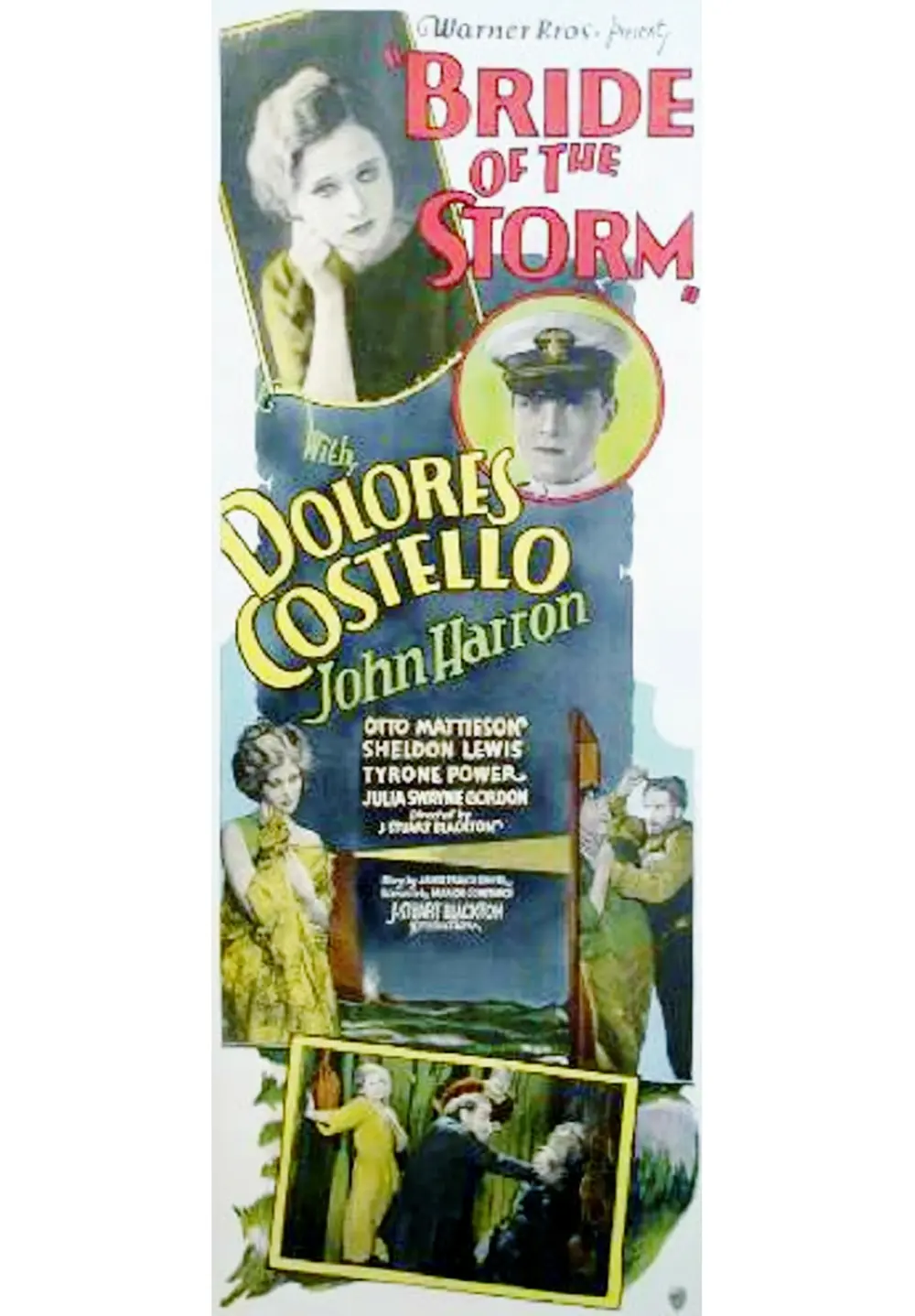
Is Bride of the Storm a hidden gem of the silent era that deserves a modern restoration? Short answer: yes, but it requires a viewer comfortable with the heavy-handed moralism and the slow-burn pacing of the mid-1920s.
This film is primarily for collectors of silent-era maritime thrillers and those interested in the evolution of the 'damsel in distress' trope into something more claustrophobic and atmospheric. It is certainly not for audiences who demand rapid-fire editing or a nuanced exploration of mental disability, as the film’s portrayal of the character Hans is a product of its era—relying on uncomfortable stereotypes to signify villainy and tragedy.
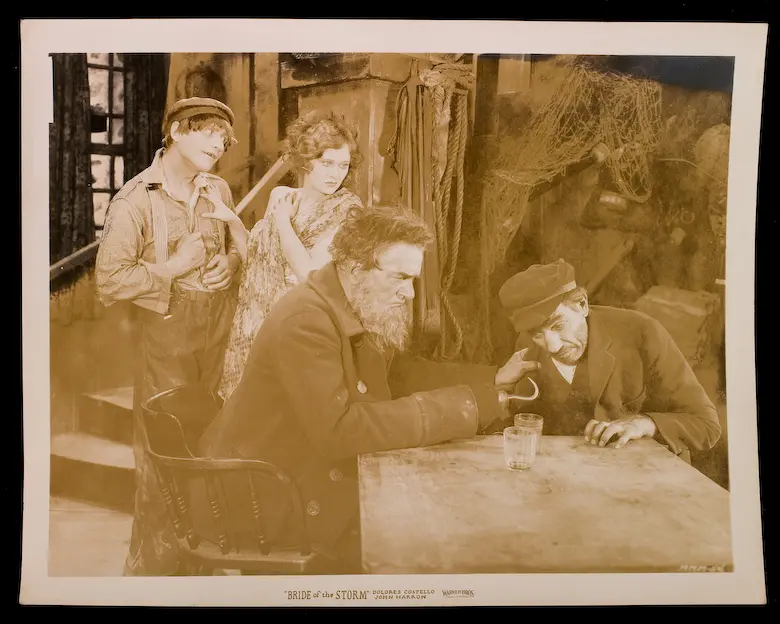
1) This film works because of its oppressive, salt-crusted atmosphere and the palpable sense of isolation created by the lighthouse setting.
2) This film fails because the third act descends into a chaotic, rushed sequence of deaths that feels more like a checklist than a natural narrative conclusion.
3) You should watch it if you want to see Dolores Costello, the 'Goddess of the Silent Screen,' provide a performance that bridges the gap between Victorian melodrama and modern vulnerability.
The narrative of Bride of the Storm is built on the foundation of a nightmare. The opening shipwreck isn't just a plot device; it is a violent severance from the civilized world. When Faith and her mother are washed up, the lighthouse island serves as a purgatory. Unlike the romanticized lighthouses of modern cinema, director J. Stuart Blackton presents this structure as a vertical prison. The cinematography, while limited by the technology of 1926, utilizes the stark contrast of the crashing waves against the static, cold stone of the tower to create a feeling of entrapment.
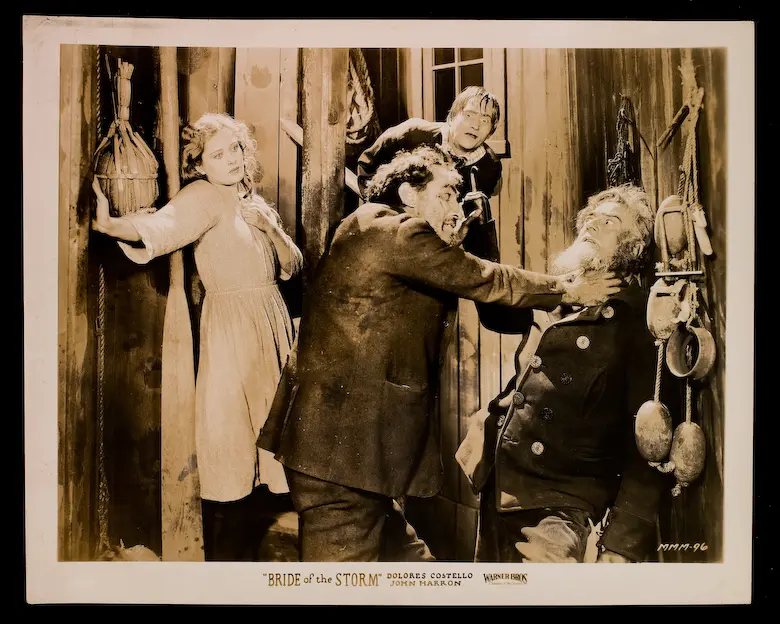
Dolores Costello’s performance as the grown Faith is a masterclass in silent-era pathos. She doesn't just play a victim; she plays someone whose spirit has been slowly eroded by the Kroon family. There is a specific moment when Faith looks out at the horizon, the beam of the lighthouse sweeping over her face, where Costello conveys a profound sense of longing that requires no title cards. This is a far more effective performance than what we see in similar films of the time, such as The Woman God Sent, where the acting often feels trapped in the theatrical traditions of the previous century.
The antagonists of this film are not your typical mustache-twirling villains. Jacob and Piet Kroon represent a generational rot. Tyrone Power Sr. brings a Shakespearean weight to the role of Jacob, making his greed feel like a physical ailment. The dynamic between the father and son is one of the most interesting aspects of the film. It’s not just about the money; it’s about the power of the patriarch over the isolated unit. This theme of family corruption is something Blackton explored with less intensity in Slaves of Pride, but here, the stakes are heightened by the geographical isolation.
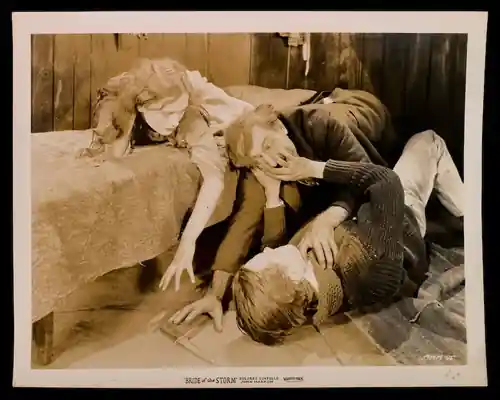
The character of Hans is the most controversial element for a modern audience. By making the 'idiot son' the instrument of Faith’s potential ruin, the film leans into the eugenics-adjacent fears common in the 1920s. However, if we look past the dated portrayal, Hans serves as a tragic figure—a man used as a pawn by his father and grandfather. The scene where Hans is told he will marry Faith is chilling, not because of Hans himself, but because of the predatory gleam in Piet’s eyes. It’s a sequence that feels closer to a horror film than a standard melodrama.
For a film produced in 1926, the technical execution of the lighthouse sequences is impressive. The use of practical effects during the storm and the eventual fire is visceral. When Hans sets the lighthouse ablaze, the editing speeds up, creating a sense of mounting panic that was quite advanced for its time. This isn't the polished fire of a modern CGI blockbuster; it’s a messy, smoky, and dangerous-looking sequence that adds a layer of realism to the climax.
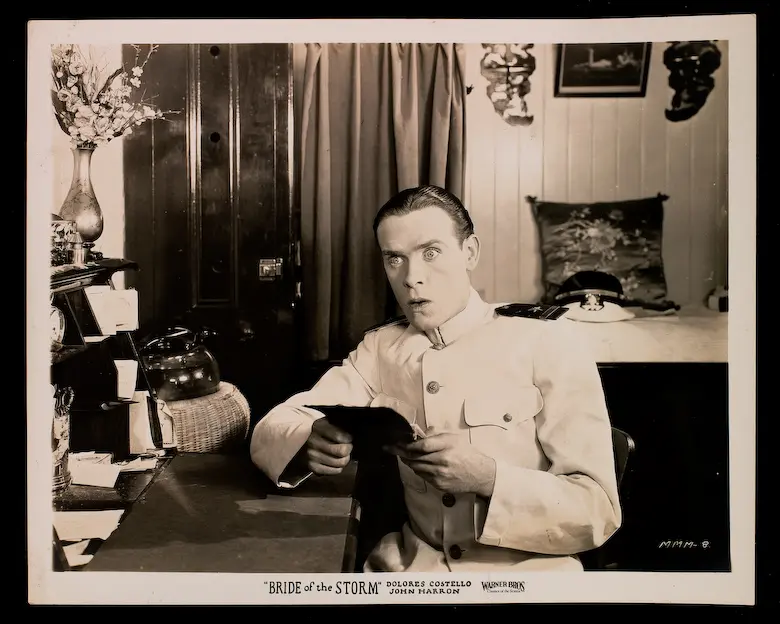
The pacing, however, is where the film struggles. The middle section, which covers Faith’s transition from childhood to womanhood, feels repetitive. We see the same cycles of abuse and the same shots of the sea. While this effectively conveys the monotony of Faith’s life, it risks losing the audience’s interest. Compared to the tighter narrative structure of The Third Degree, Bride of the Storm feels like it could have benefited from a more aggressive edit in its second act.
Is Bride of the Storm worth watching today? Yes, for fans of historical cinema and silent melodrama. It offers a rare, gritty look at early 20th-century maritime tropes and features a powerhouse performance by Dolores Costello. While some of its characterizations are dated, the film’s atmospheric tension and impressive climax make it a significant piece of silent film history. It provides a visceral sense of isolation that few films of that era managed to capture so effectively.
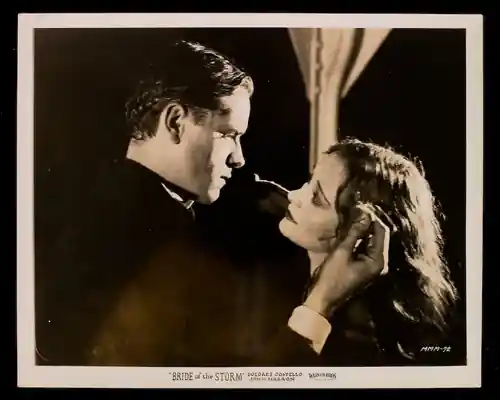
The introduction of Dick Wayne, played by John Harron, brings a much-needed shift in tone. He represents the 'American' ideals of the era: strength, intervention, and moral clarity. His arrival on the island is treated as a secular salvation. The fight between Dick and Piet is surprisingly brutal for 1926. It’s not a choreographed dance; it’s a desperate struggle on the rocks. This grit is a hallmark of J. Stuart Blackton’s later work, moving away from the whimsical nature of his early shorts toward something more grounded and adult.
Dick Wayne is a fairly one-dimensional character, but in the context of this melodrama, he doesn't need to be complex. He is the external force required to break the cycle of the Kroon family. His presence highlights the film’s underlying message: that the 'old world' (represented by the Dutch lighthouse keepers) is decaying and corrupt, while the 'new world' (the American sailor) is the source of rescue. It’s a thematic thread also seen in The Kentuckians, where cultural clashes drive the narrative forward.
Pros:
The atmospheric cinematography creates a genuine sense of dread.
Dolores Costello delivers a nuanced and emotionally resonant performance.
The final fire sequence is a technical triumph for 1920s cinema.
The film avoids the overly sugary endings of many contemporary melodramas by leaning into the violence of its resolution.
Cons:
The character of Hans is written with a lack of empathy that is jarring today.
The transition from the shipwreck to Faith’s adulthood is handled awkwardly.
The 'American savior' trope is laid on a bit thick, even for 1926 standards.
One unconventional observation: Bride of the Storm feels like a proto-slasher film. If you replace the 'heiress' plot with a 'final girl' motif, the lighthouse becomes the typical isolated cabin, and the Kroon family becomes the predatory killers. The way Piet stalks Faith through the narrow corridors of the lighthouse is genuinely unsettling. It’s a precursor to the psychological horror we would see decades later in films like Mad Love. The film is at its best when it leans into this tension rather than the broader melodrama of the lost fortune.
Bride of the Storm is a fascinating relic. It works. But it’s flawed. It captures a specific moment in cinematic history where the industry was mastering the art of visual storytelling just before the dawn of sound. While it doesn't reach the heights of the era's absolute greatest achievements, it stands as a sturdy, effective piece of filmmaking. The combination of Costello’s ethereal presence and the Kroons’ grounded villainy creates a friction that keeps the film relevant. If you can stomach the dated tropes, the salt-spray and fire-lit climax of this lighthouse drama offer a rewarding experience for any serious cinephile.
IMDb 5.9
1923
Community
Log in to comment.