DbcultAccessing Vault...
Cult Review
Senior Film Conservator
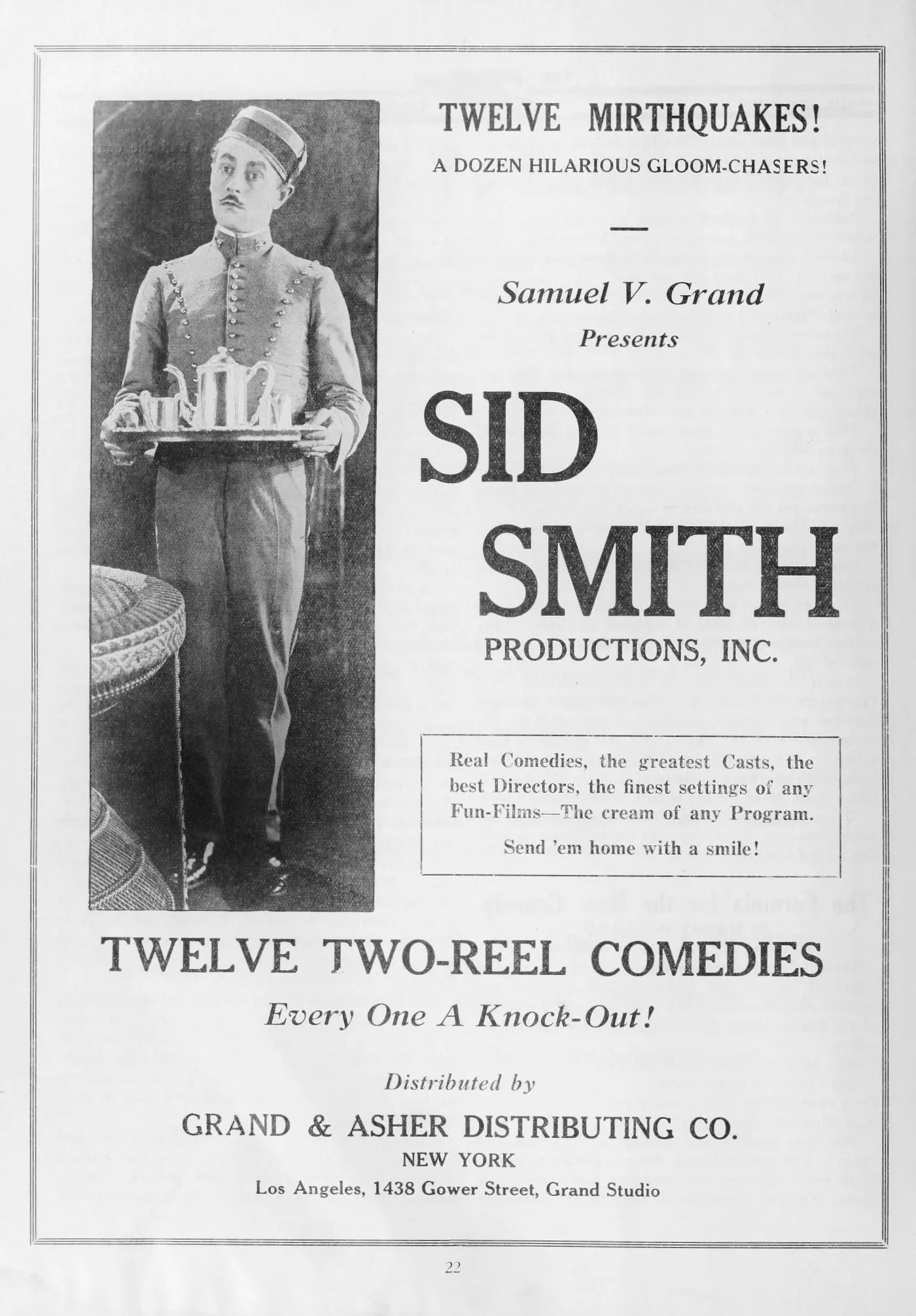
Ah, the silent era! A time when narratives, however simple, often brimmed with an almost primal comedic energy, where physical gags spoke volumes and the human condition, in all its bumbling glory, was laid bare. Today, we’re unearthing a delightful, if tragically overlooked, relic from this bygone epoch: 'Built on a Bluff'. This isn't just a film; it's a testament to the sheer audacity of early cinema, a snapshot of societal aspirations, and a masterclass in the art of the catastrophic punchline. It's a short, sharp shock of a film that, despite its brevity, manages to encapsulate so much about the era's humor and its often-underestimated thematic depth.
At its core, 'Built on a Bluff' is a romantic comedy, albeit one filtered through a lens of escalating absurdity. Our protagonist, Sid Smith, portrayed with a charming blend of earnestness and utter cluelessness by Sidney Smith, is a man smitten. His object of affection, Duane Thompson, played by the eponymous Duane Thompson, is a woman of practical sensibilities, a true pioneer of the 'no home, no husband' philosophy. This isn't some frivolous demand; it's a foundational requirement, a pre-requisite for marital bliss that resonates even today. The journey to fulfill this demand, however, is where the film truly shines, or perhaps, tumbles spectacularly.
The opening gambit of Sid's courtship is nothing short of brilliant in its simplicity and comedic timing. Faced with a throng of rival suitors vying for Duane's attention, Sid doesn't resort to fisticuffs or flowery poetry. Instead, he enlists his faithful canine companion, a four-legged wingman whose enthusiastic, if somewhat aggressive, disposition proves remarkably effective in clearing the competition. This immediately sets the tone: a world where unconventional solutions reign supreme, and where the line between charming ingenuity and outright lunacy is delightfully blurred. It's a subtle nod to the enduring comedic trope of the loyal, if mischievous, animal sidekick, a staple that would persist through decades of filmmaking. One might draw a faint parallel to the playful, almost anarchic spirit seen in some of the early, less refined Chaplin shorts, or even the domestic chaos explored in films like The Love Egg, where everyday objects and creatures become instruments of comedic disruption.
Once the field is clear, Sid’s proposal is met with Duane’s non-negotiable condition: a home. Not just any home, mind you, but his own home. This isn't merely a plot device; it's a reflection of deeper societal currents. In an era of increasing urbanization and the burgeoning concept of the nuclear family, homeownership represented stability, aspiration, and a man's ability to provide. It’s a thematic thread that runs through many films of the period, from grand melodramas to lighthearted comedies, underscoring the importance of domestic security. For Duane, it's not about luxury, but about a tangible foundation upon which to build a life. Little does she know just how literal this foundation will become.
Sid, with a perhaps misguided sense of optimism, procures a lot that offers stunning views but absolutely no structural integrity: the very edge of a cliff. This choice is, of course, the fulcrum of the entire comedic enterprise. The visual irony of building a symbol of stability on the most unstable of grounds is milked for all its worth. The 'ready-made house' itself is a character in its own right – a flimsy, pre-fabricated structure that promises ease of assembly but delivers only exasperation and impending doom. It’s a commentary, perhaps unintentional, on the rapid industrialization of the era, where convenience sometimes trumped common sense and quality. The juxtaposition of the modern 'kit home' with its ancient, perilous setting creates a delicious tension that propels the narrative forward.
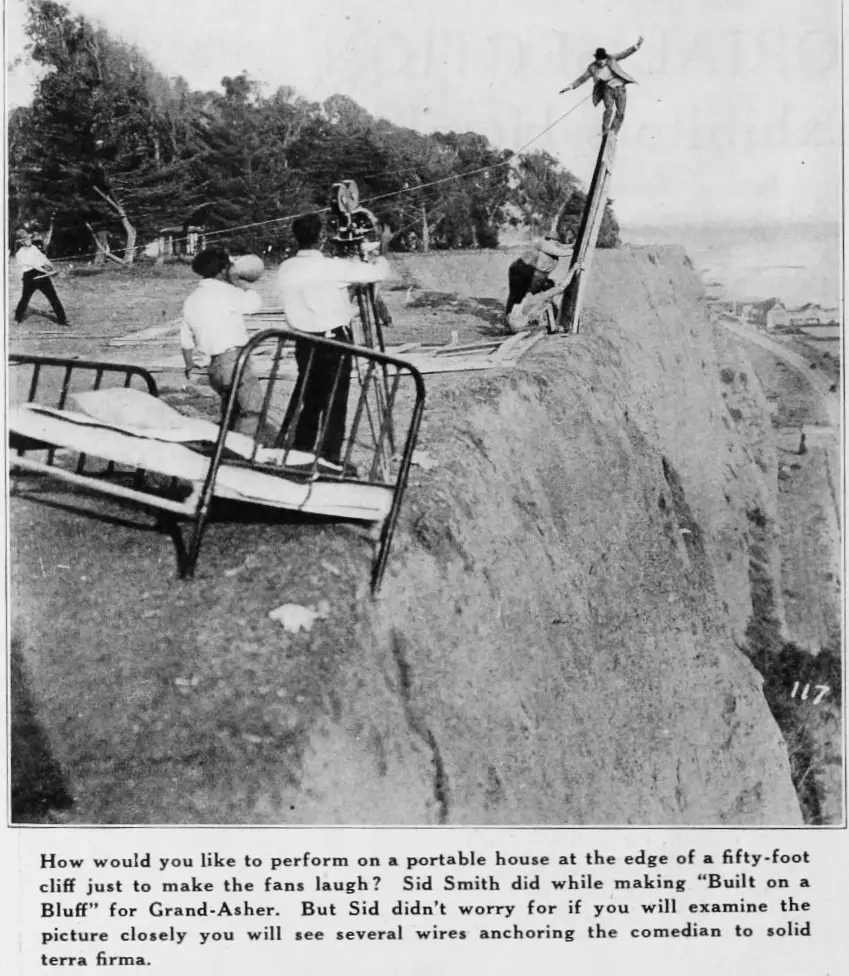
The subsequent scenes detailing the construction are a masterclass in silent film slapstick. Sid, aided by an equally inept helper, struggles against the forces of gravity, the recalcitrant pieces of the house, and their own profound lack of carpentry skills. The house, in various stages of collapse and re-erection, becomes a metaphor for the fragile nature of their aspirations. Every nail hammered incorrectly, every beam precariously balanced, adds to the cumulative sense of impending disaster. This kind of physical comedy, where human effort is comically undermined by inanimate objects and sheer incompetence, is a hallmark of the era. It recalls the meticulously choreographed chaos of Buster Keaton or the frantic energy of Harold Lloyd, though perhaps on a smaller, more intimate scale. One might even compare the sheer determination against overwhelming odds to the spirit of early explorers documented in films like Wolfe; or, the Conquest of Quebec, albeit with far more humorous, less historically momentous, outcomes.
Against all odds, the flimsy house is finally erected, a monument to persistence and poor judgment. The scene is set for the wedding, an event that, in any other film, would signify the triumphant culmination of the romantic plot. Here, however, it merely serves as the preamble to the ultimate comedic collapse. Duane, radiant in her bridal attire, brings the minister, eager to seal their commitment within the walls of their new, albeit temporary, home. The ceremony itself is imbued with a sense of nervous anticipation, the audience acutely aware that this precarious domestic idyll cannot possibly last. The very air seems to crackle with the unspoken question: when, not if, will it all come crashing down?
The genius of 'Built on a Bluff' lies in its timing. The house doesn't collapse midway through the vows, nor does it wait until the honeymoon. No, the filmmakers understand the exquisite agony of dramatic irony. The house, this symbol of their future, holds its breath just long enough for the minister to pronounce them man and wife. The ink on their marital contract is barely dry, the promises of 'forever' still echoing, when the helper, in a moment of sublime, accidental clumsiness, delivers the fatal push. It's a comedic coup de grâce, a perfectly executed final gag that underscores the film's central theme: the inherent fragility of human endeavors, especially when built on shaky ground.
This abrupt, almost cruel, ending is a hallmark of certain silent comedies, which often reveled in the subversion of expectations. Unlike the more sentimentally inclined narratives found in films like Greater Than Fame or Gloria's Romance, which often concluded with a clear path to happiness, 'Built on a Bluff' leaves its protagonists, quite literally, without a leg to stand on. It's a bold choice, one that elevates the film beyond mere farce into something more memorable, something that hints at a slightly darker, more cynical humor.
Sidney Smith, though perhaps not as universally recognized as some of his contemporaries, delivers a wonderfully understated performance. His comedic timing relies less on exaggerated facial expressions and more on his persistent, almost Sisyphean efforts against the forces of nature and bad carpentry. He embodies the everyman, the well-meaning but ultimately outmatched individual striving for domestic bliss. Duane Thompson, on the other hand, projects an air of calm determination, a woman whose practical demands are entirely reasonable, making the eventual catastrophe all the more poignant for her. Her commitment to the 'home first' principle is unwavering, providing a solid anchor for Sid's more chaotic pursuits.
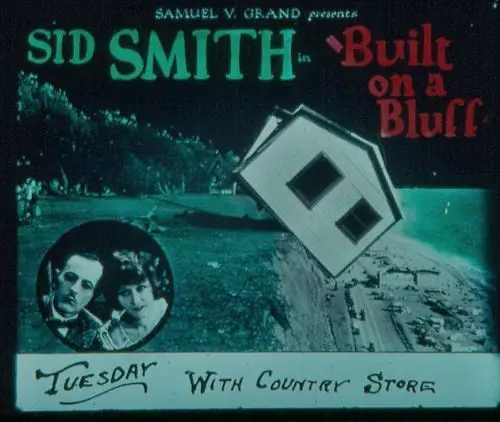
The pacing of 'Built on a Bluff' is relentless, a rapid-fire succession of gags and escalating predicaments. In an era where films often struggled with maintaining audience engagement without dialogue, this short feature nails the balance between setup, rising action, and explosive climax. Every scene contributes to the overall comedic effect, with no wasted frames. The visual storytelling is paramount, relying on clear sight gags and well-understood physical comedy tropes. It’s a lesson in efficiency, demonstrating how much narrative and humor can be conveyed without a single spoken word, a skill perfected by the masters of the form and still admired in films like Der Weltspiegel, which relied heavily on visual metaphors.
While 'Built on a Bluff' is undeniably a comedy, it carries surprising thematic weight. The precariousness of the house itself serves as a potent metaphor for the fragility of dreams, the unpredictability of life, and the often-foolsih optimism with which we approach grand endeavors. It speaks to the idea that even the most well-intentioned plans can be undone by a single, unforeseen misstep, a concept explored in more dramatic contexts in films like The Storm, where natural forces dictate human fate, or Children of Dust, which examines lives built on unstable social foundations. The film subtly questions the very notion of 'building a life' – suggesting that perhaps, despite our best efforts, some things are simply not meant to be, or at least, not meant to be built on a bluff.
Furthermore, the film touches on the societal pressure to conform to certain ideals, such as homeownership, before embarking on marriage. Duane’s demand isn't arbitrary; it reflects a deeply ingrained cultural expectation. Sid's desperate, almost absurd, attempts to meet this expectation highlight the lengths to which individuals will go to fulfill societal norms, even if those efforts lead to comical disaster. It’s a lighthearted critique of the American dream, a gentle poke at the notion that a house makes a home, especially when that house is destined for a watery grave. This examination of societal expectations, even in a comedic vein, can be seen as a precursor to more intricate social commentaries found in later films like Tarnish, which delves into the moral complexities of reputation and status.
'Built on a Bluff' may not possess the grand scale of an epic or the intricate character development of a drama, but its charm lies precisely in its unpretentious simplicity. It's a joyous romp, a testament to the power of visual comedy, and a reminder of the foundational elements that made silent cinema so captivating. It’s a film that, despite its age, still elicits genuine laughter, a rare feat for many century-old productions. The final image of the house tumbling into the abyss, with the newlywed couple likely looking on in stunned disbelief, is an iconic moment of comedic despair, a perfectly executed cinematic pratfall that resonates long after the credits (had they existed in such form) would have rolled.
In an age saturated with complex narratives and sophisticated special effects, there's something profoundly refreshing about a film that finds its humor in such a straightforward, physical manner. It’s a film that speaks to the universal human experience of striving, failing, and finding humor in the most calamitous of circumstances. 'Built on a Bluff' is more than just a historical curiosity; it’s a vibrant, funny, and surprisingly resonant piece of early filmmaking that deserves to be rediscovered and appreciated for its timeless comedic spirit. It’s a delightful journey into the past, a brief but impactful exploration of love, ambition, and the ultimate, inevitable collapse when one dares to build their future on the edge of a cliff. For fans of classic silent film, or anyone seeking a dose of pure, unadulterated slapstick, this gem is an absolute must-watch. It's a foundational piece of comedy, even if its own foundation proved utterly, hilariously, disastrously unsound. It reminds us that sometimes, the greatest laughs come from the most precarious situations, underscoring the enduring appeal of human folly in the face of grand aspirations, much like the often-misguided quests in films such as Lord Loveland Discovers America or the tragicomic misunderstandings in The Accomplice. The film's abrupt conclusion, leaving the couple literally homeless after their vows, serves as a darkly humorous commentary on the unpredictability of life, a theme that, while played for laughs here, echoes the more somber twists of fate found in narratives like The Scarlet Road or the existential questions posed by The Spirit of the Lake, albeit through a distinctly comedic lens. It's a short, sharp shock of a film that, despite its brevity, manages to encapsulate so much about the era's humor and its often-underestimated thematic depth, leaving an indelible mark on the viewer's memory, much like the evocative imagery of Ihr großes Geheimnis, but with a far more explosive resolution.
IMDb —
1927
Community
Log in to comment.