DbcultAccessing Vault...
6.3/10
Senior Film Conservator
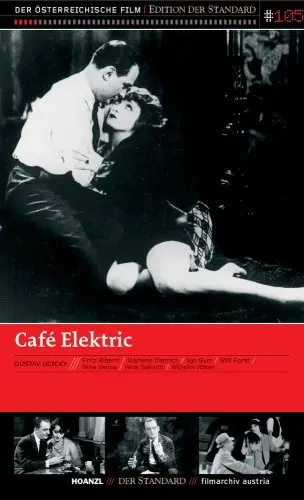
A definitive 6.3/10 rating for a film that redefined the boundaries of cult cinema. Café Elektric remains a cornerstone of transgressive art.
Is this silent Viennese relic worth your time in the age of high-definition streaming? Short answer: Yes, but primarily as a historical artifact for those obsessed with the evolution of the femme fatale. This is not a film for the casual viewer seeking a popcorn-munching experience; it is a mandatory viewing for anyone tracing the roots of Marlene Dietrich or the gritty 'Sittenfilm' genre of the late 1920s.
Café Elektric works because it captures a very specific, frantic energy of a Vienna caught between imperial ghosts and modern desperation. It fails because its moralizing tone is, at times, as heavy as a lead curtain, lacking the nuance of later Weimar-era masterpieces. You should watch it if you have an interest in the pre-Hollywood career of Dietrich or if you enjoy the visual language of silent-era urban dramas like The Scarlet Road.
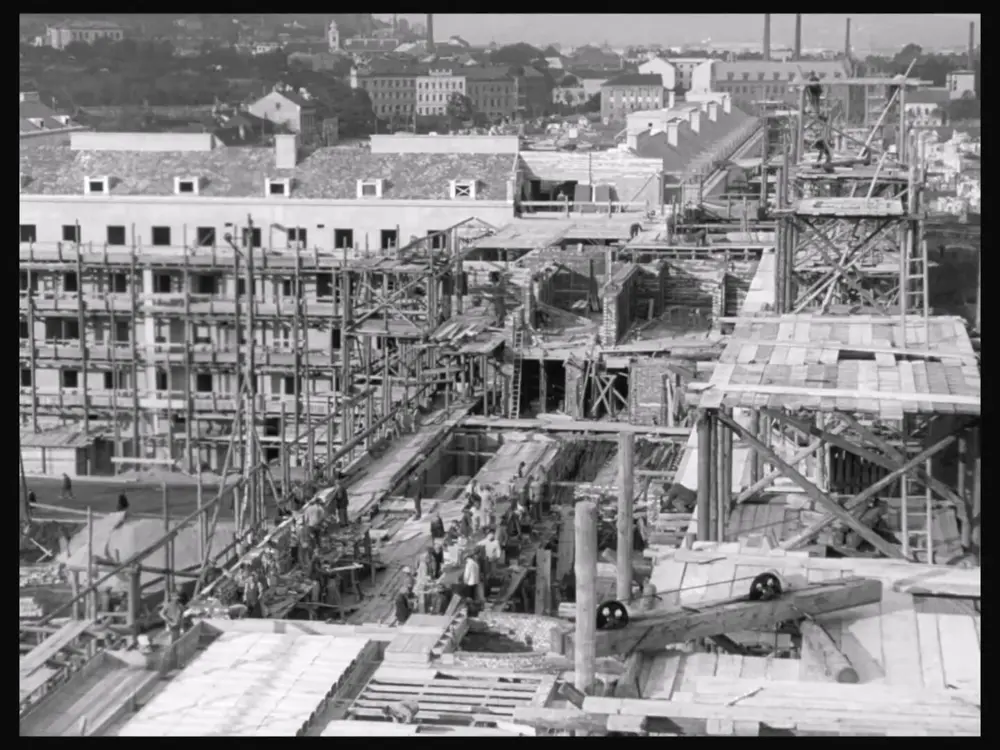
1) This film works because it utilizes the urban landscape of Vienna not just as a setting, but as a character that dictates the moral decay of its inhabitants.
2) This film fails because the secondary plot involving the wealthy industrialist family feels sanitized and disconnected compared to the vibrant filth of the café scenes.
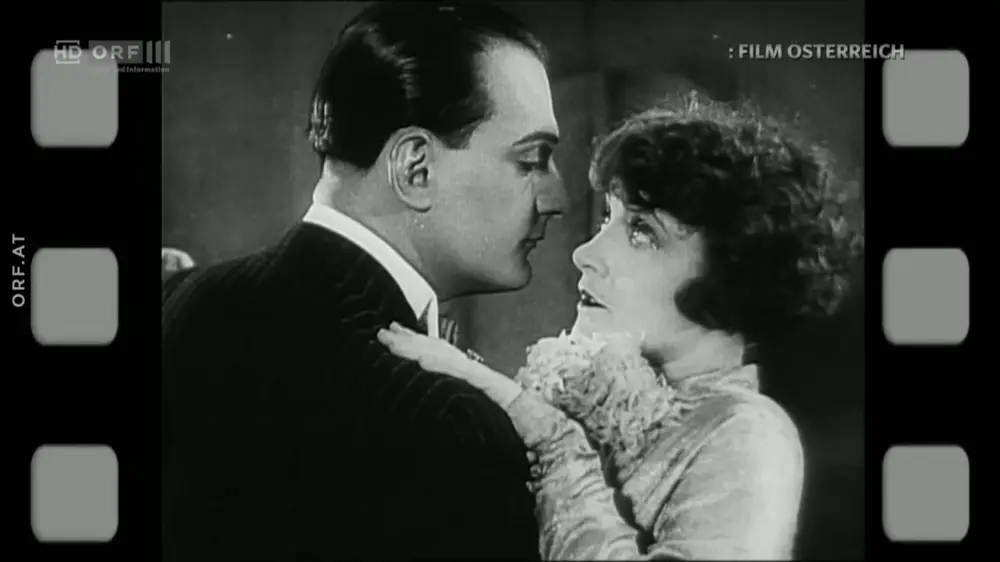
3) You should watch it if you want to see Willi Forst deliver one of the most convincingly sleazy performances of the 1920s, outshining even the future legend Dietrich.
It is impossible to discuss Café Elektric without addressing the presence of Marlene Dietrich. At this stage, she isn't the ethereal, lighting-sculpted icon of the Von Sternberg years. She is Hansi, a woman whose survival depends on her ability to navigate the smoke-filled rooms of the titular café. There is a raw, unpolished quality to her movements here. In one specific scene where she confronts Ferdl, her eyes convey a mixture of terror and resignation that feels startlingly modern.
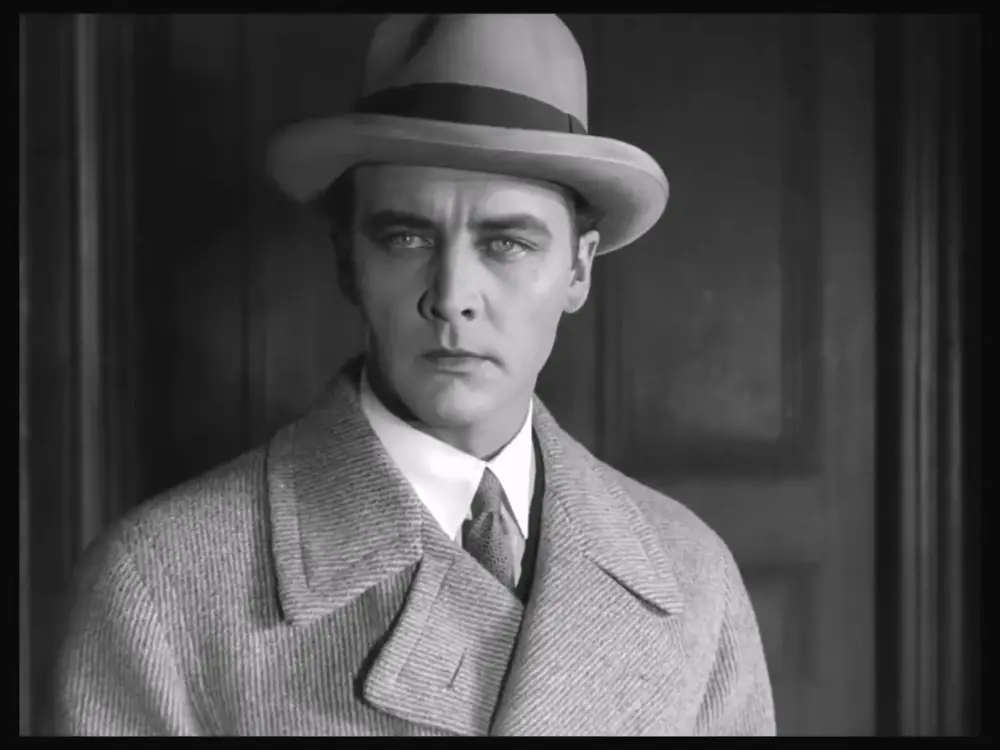
However, the real surprise is Willi Forst. Playing the pickpocket Ferdl, Forst exudes a dangerous charm that makes Erni’s attraction to him believable. He doesn't rely on the exaggerated pantomime common in silents; he uses his physicality to dominate the frame. His performance anchors the film, preventing it from floating away into pure melodrama. When he steals a watch, it isn't just a plot point—it’s a display of predatory grace.
Gustav Ucicky’s direction is surprisingly fluid for 1927. While it doesn't reach the expressionistic heights of German cinema from the same period, it possesses a gritty naturalism. The cinematography by Hans Androschin captures the claustrophobia of the dance hall. The lighting is often harsh, reflecting the lack of sentimentality in the script. The contrast between the sun-drenched terrace of the industrialist's villa and the subterranean gloom of the café serves as a visual shorthand for the class divide.
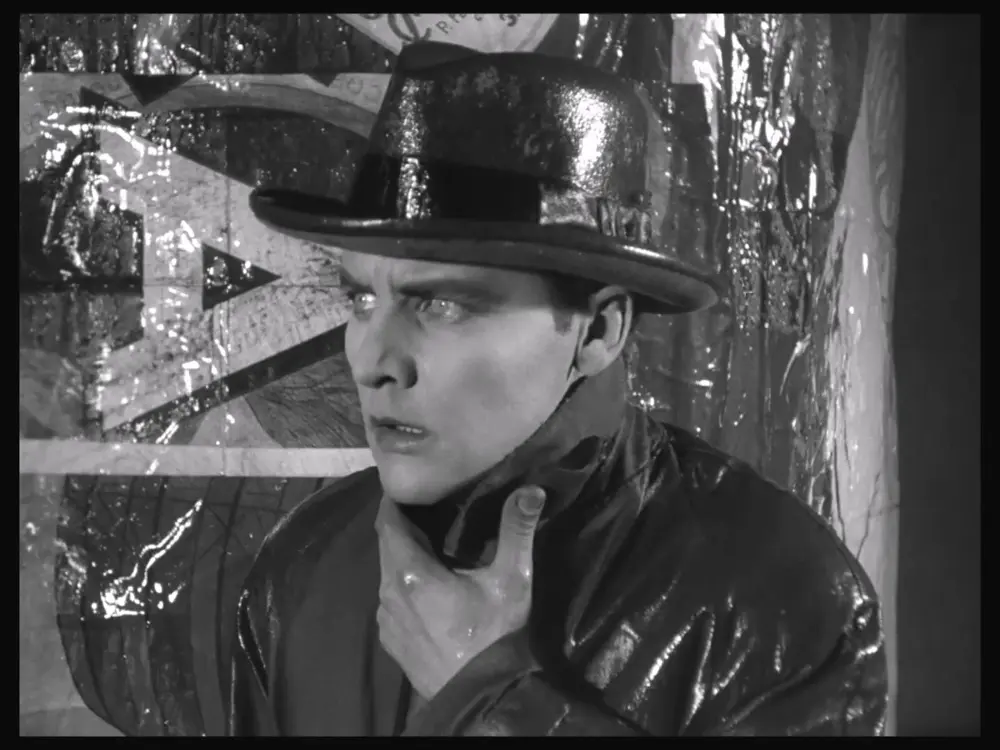
The pacing, however, is where the film shows its age. The transition between the high-society drama and the underworld crime often feels jarring. Unlike the seamless narrative flow found in Les Misérables, Part 1: Jean Valjean, Café Elektric occasionally stumbles over its own subplots. The redemption arc of the wealthy protagonist feels forced, a concession to the censors of the time who demanded a moral equilibrium that the film’s grittier half doesn't actually support.
The film is a fascinating companion piece to other 'fallen woman' narratives like The Exiles or the legal dramas of the era such as The Man Above the Law. It treats poverty not as a noble struggle, but as a corrosive force. The characters aren't just 'bad' or 'good'; they are products of an economic system that has failed them. Erni’s rebellion against her father isn't an act of liberation, but a naive plunge into a world she doesn't understand. Her downfall is inevitable, and Ucicky doesn't shy away from the humiliation she faces.
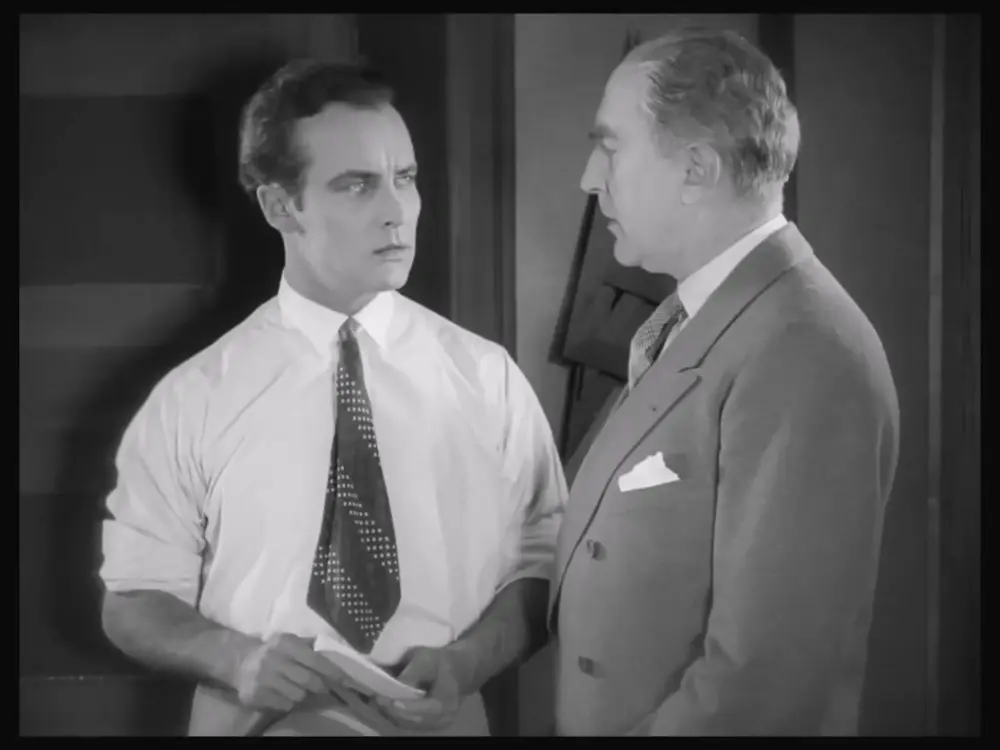
The 'Café' itself is a microcosm of this decay. It is a place where social hierarchies are temporarily suspended by vice. The jazz music (represented through title cards and frantic editing) acts as a heartbeat for a generation that had seen too much war and wanted only to forget. The film is at its best when it lingers on the faces of the background extras—the weary musicians, the bored bartenders, the aging prostitutes. These moments provide a level of authenticity that the main plot occasionally lacks.
If you are looking for a masterpiece on par with Metropolis or Sunrise, you will be disappointed. Café Elektric is a B-movie with A-list aspirations. However, its value lies in its lack of polish. It feels like a real snapshot of a world that was about to be destroyed by the events of the next decade. For fans of Marlene Dietrich, it is the 'missing link' that explains how she became the star she was. For fans of silent cinema, it’s a rare look at the Austrian film industry before it was absorbed into the German UFA machine.
It works. But it’s flawed. The melodrama is thick, and the ending is far too tidy for the mess that precedes it. Yet, the image of Forst and Dietrich in that smoke-filled room remains haunting. It’s a film that demands you look past its technical limitations to see the human desperation underneath.
Pros:
The location shooting in Vienna adds a layer of realism often missing from studio-bound silents. The chemistry between the lead actors is palpable. The film offers a genuine look at the 1920s European club scene without the Hollywood gloss.
Cons:
The title cards are frequent and sometimes redundant. Some of the acting from the supporting cast, particularly the industrialist father, is comically over-the-top. The resolution feels like a betrayal of the film's gritty tone.
Café Elektric is a fascinating, if uneven, journey into the heart of silent-era Vienna. While it lacks the visionary direction of the era’s giants, it compensates with raw energy and the early magnetism of its stars. It is a cynical, smoke-stained drama that manages to be both a cautionary tale and a thrilling crime story. Watch it for Forst, stay for Dietrich, and ignore the heavy-handed moralizing. It is a essential piece of the puzzle for anyone interested in the history of European cinema.
IMDb —
1922
Community
Log in to comment.