DbcultAccessing Vault...
Cult Review
Senior Film Conservator
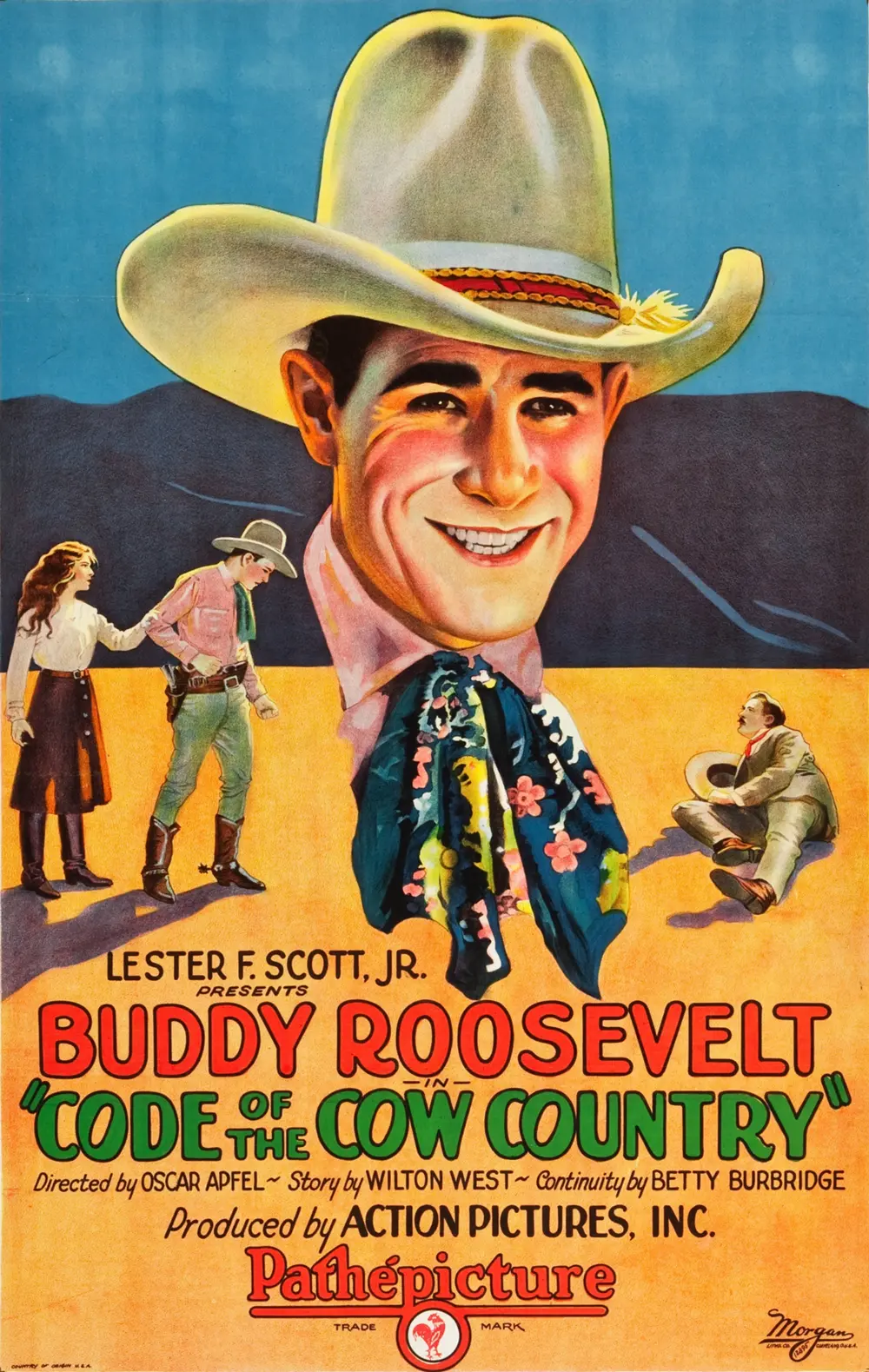
Is Code of the Cow Country a relic worth digging up? Short answer: Yes, but only if you appreciate the unvarnished machinery of the silent-era Western and can tolerate the era's simplistic moral binaries. This film is specifically for those who value historical cinema and the physical performance of silent stars, but it is certainly not for viewers who require modern pacing or nuanced character shades.
This film works because Buddy Roosevelt possesses a naturalistic, rugged presence that anchors the more melodramatic plot points, making the foreman Jim West feel like a man of dirt and bone rather than a costume piece.
This film fails because the central misunderstanding involving the character Dolores is a lazy narrative crutch that feels disconnected from the more interesting cattle-rustling stakes.
You should watch it if you want to see a prime example of the 1927 'B-Western' formula executed with professional efficiency and genuine location grit.
Buddy Roosevelt doesn't act; he looms. In Code of the Cow Country, his portrayal of Jim West is a masterclass in the economy of movement. Unlike some of his contemporaries who relied on wild gesticulation to convey emotion, Roosevelt uses his posture to signal authority. When he confronts Bill Jackson in the saloon, there is a stillness to him that is far more threatening than a drawn pistol. It is a performance that reminds one of the stoicism found in earlier works like A Fight for Millions.
The film opens with the classic 'runaway horse' trope. It is a cliché, yes, but Wilton West directs it with a frantic energy that feels dangerous. The dust kicked up by the hooves isn't a special effect; it’s a physical presence on the screen. This tactile reality is what modern Westerns often lack. You can almost smell the leather and the sweat. It is sturdy. It is functional. It works.
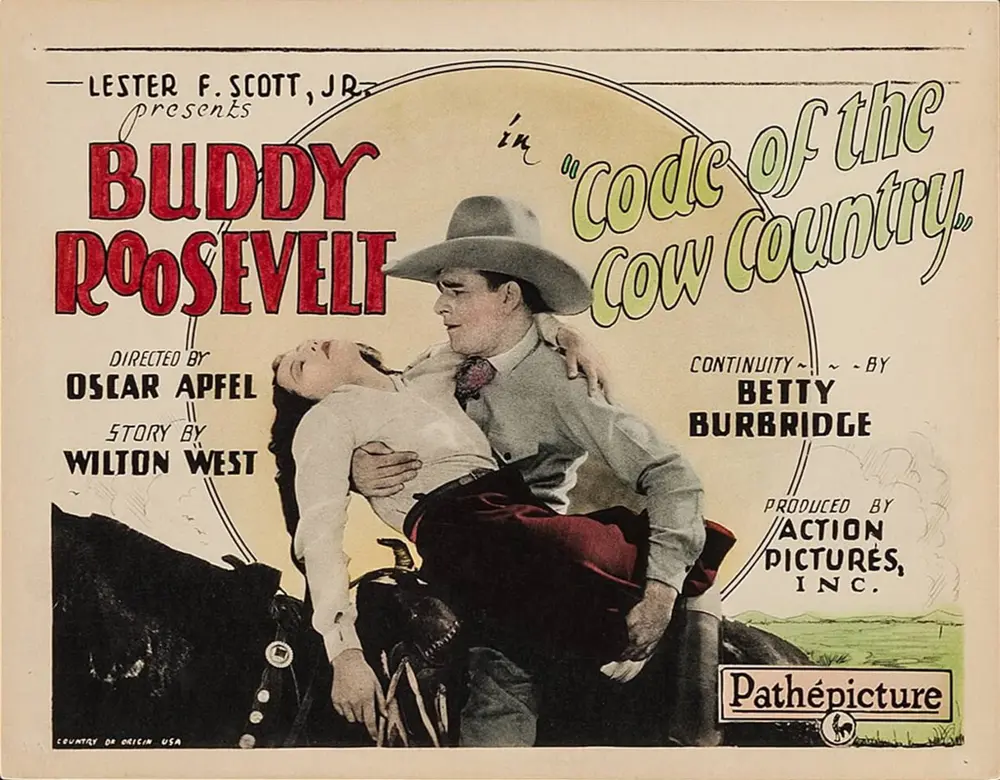
Richard Neill plays Bill Jackson with a sneer that would feel at home in a Victorian stage play, yet it fits the heightened reality of 1927. The way he manipulates Ted Calhoun is particularly cruel. The scene where Ted, played with a convincing fragility by James Sheridan, signs I.O.U.s while clearly intoxicated is the film's strongest moment of tension. It highlights a recurring theme in 1920s cinema: the vulnerability of the landed gentry to the predatory nature of the 'new' frontier vices.
Jackson isn't just a gambler; he’s a catalyst for the family's disintegration. His plan to raid the Calhoun cattle using Ted as an inside man adds a layer of Shakespearean tragedy to an otherwise straightforward plot. It reminds me of the moral weight seen in The Cost, where the stakes are as much about character as they are about capital.
For the average modern viewer, Code of the Cow Country may feel like a slow burn with a predictable payoff. However, for the cinephile, it offers a rare look at the transition period of the Western genre. It lacks the polish of the coming 'talkies' but possesses a raw, outdoor energy that was often lost once cameras were moved into soundproof booths. If you can appreciate the craft of a stunt-heavy silent film, it is absolutely worth sixty minutes of your time.
Wilton West’s direction is surprisingly modern in its use of deep focus. During the cattle raid, the way the bandits appear on the horizon while the foreground remains occupied by the panicked Calhoun family creates a genuine sense of scale. It’s a technique that wouldn't be out of place in a John Ford film a decade later. The pacing, however, suffers in the middle act. The romantic subplot between Jim and Helen feels like a mandatory box-ticking exercise rather than a lived-in relationship.
The film’s reliance on intertitles is minimal, which is a testament to the visual storytelling. You don't need a card to tell you that Jim is angry; you see it in the set of his jaw. This visual clarity is a lost art. It is a shame that many modern audiences find this style 'boring' when it is actually quite sophisticated. It requires the viewer to actually look at the screen, rather than just listen to it.
The inclusion of Dolores, the dancehall girl, is where the film takes its most debatable turn. On one hand, she is the most proactive character in the film. She is the one who overhears the plot and warns Jim. On the other hand, she is used as a cheap plot device to create a 'misunderstanding' with Helen. This trope was tired even in 1927. It feels like a distraction from the much more compelling story of Ted’s corruption.
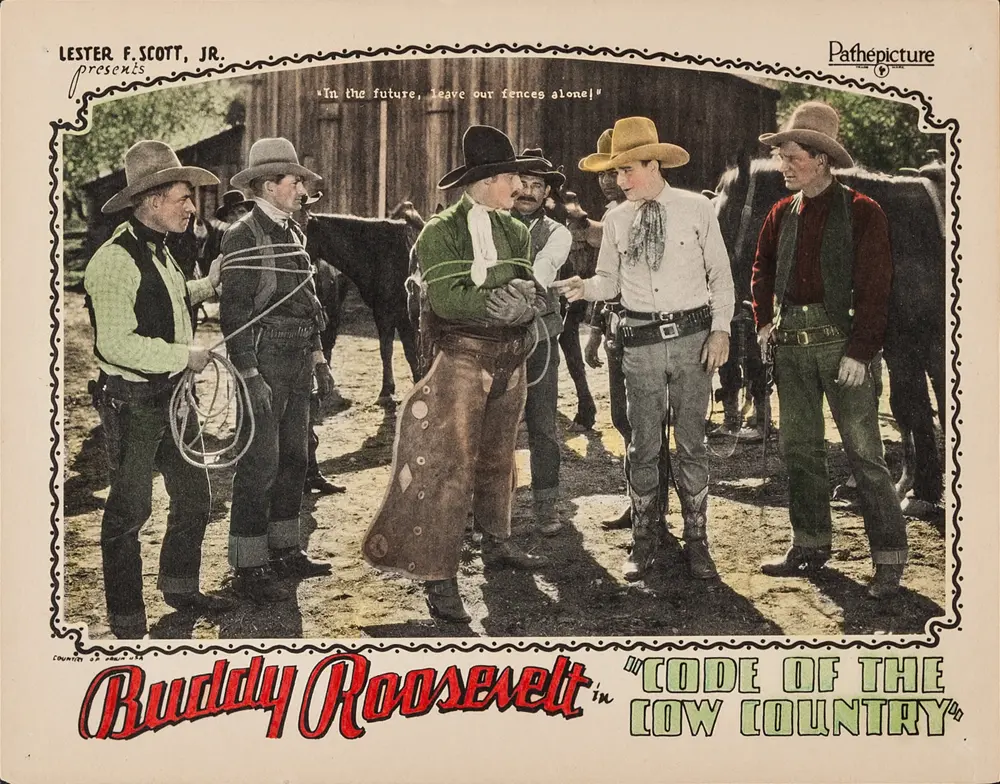
The tragedy of the silent Western is that the most interesting characters, like Dolores, are often sidelined to make room for the 'pure' heroines who do very little.
Comparing this to the female dynamics in Sally in Our Alley, you can see how the Western genre was much more rigid in its casting of women. Dolores is allowed to be the hero, but she isn't allowed to be the romantic lead. It’s a frustrating stance, but a fascinating reflection of the time's social codes.
The cinematography by an uncredited hand (likely a studio veteran) is remarkably crisp. The use of natural light during the exterior shots provides a high-contrast look that emphasizes the harshness of the landscape. Unlike the more experimental Rhythmus 23, this is purely functional camerawork, yet it achieves a level of beauty through its simplicity. The final shootout is a flurry of motion that avoids the static 'stagey' feel of many other films from the same year, such as The Midnight Guest.
The editing is also worth noting. The cross-cutting between the bandits' approach and Jim’s men preparing for the ambush is handled with a rhythmic precision that builds genuine suspense. It’s a primitive form of the 'thriller' pacing we take for granted today. It’s not revolutionary, but it is exceptionally well-crafted for its budget.
Pros:
- Authentic 1920s location shooting that feels lived-in.
- Strong, clear-cut performances from the lead cast.
- Efficient storytelling that doesn't overstay its welcome.
- A great example of pre-Code moral ambiguity regarding the 'dancehall' lifestyle.
Cons:
- The plot is highly derivative of earlier Westerns.
- The character of Helen is largely passive and lacks agency.
- Some of the 'drunk acting' by James Sheridan is a bit over the top.
Code of the Cow Country is a sturdy, no-nonsense piece of filmmaking. It doesn't try to reinvent the wheel, but it rolls that wheel with impressive confidence. It is a film that knows exactly what its audience wanted in 1927: a hero to cheer for, a villain to hiss at, and a resolution that restores the status quo. While it lacks the emotional depth of something like Guilt, it makes up for it with sheer kinetic energy. It isn't deep. It's effective. If you find yourself scrolling through the archives of early cinema, this is a gallop worth taking.
IMDb 7.5
1936
Community
Log in to comment.