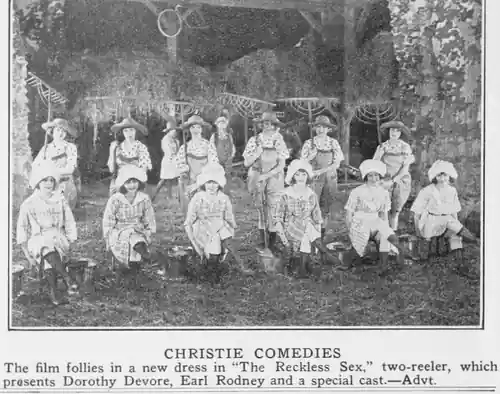
A young man secretly marries his girl and then smuggles her into his parent's home dressed as a boy chum of his..
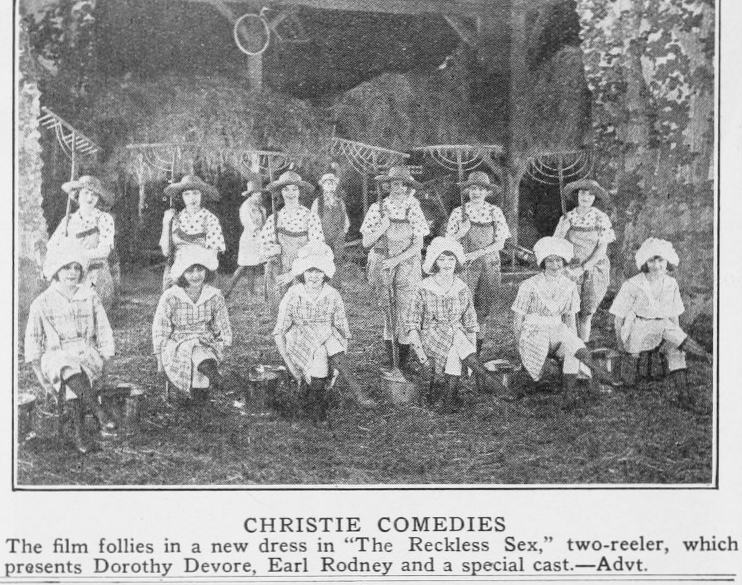
The Reckless Sex (1933) isn’t a film that announces its brilliance with fireworks—it simmers with a quiet intensity, its power lying in the tension between what is seen and what is hidden. Set in an era where societal norms dictated the contours of personal freedom, the film follows a young couple whose marriage, shrou...
still_frame

Comparing the cinematic DNA and archive impact of two defining moments in cult history.
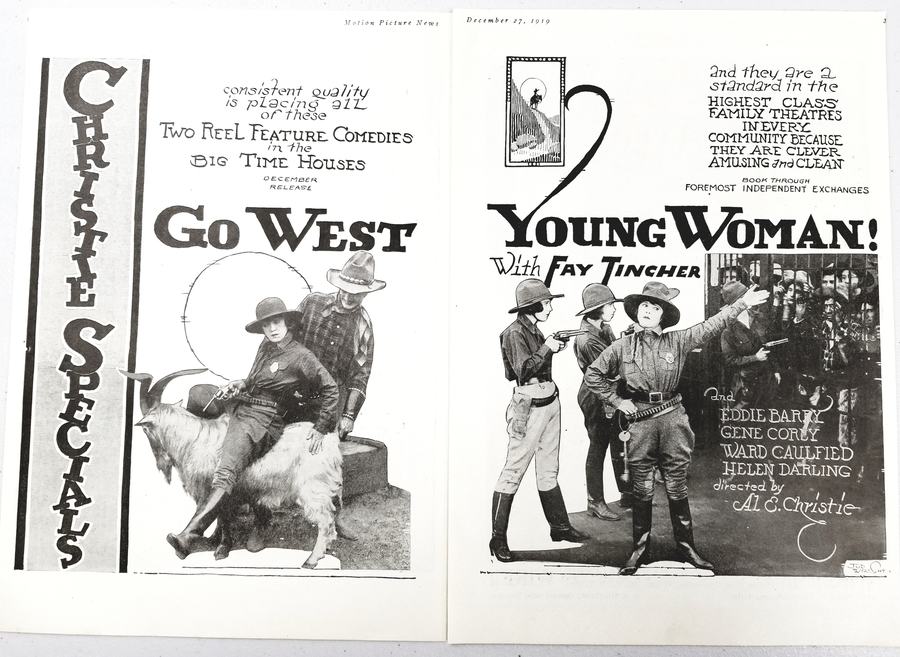
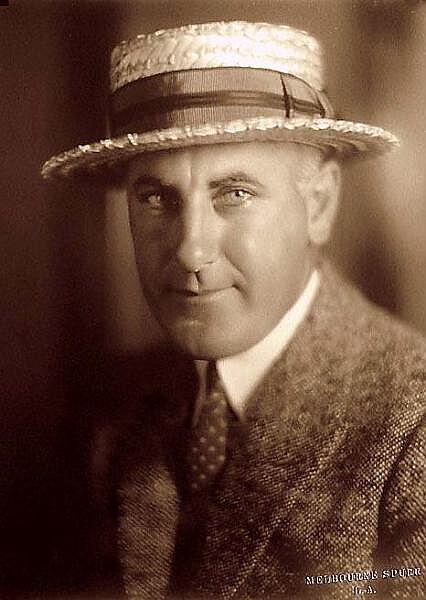
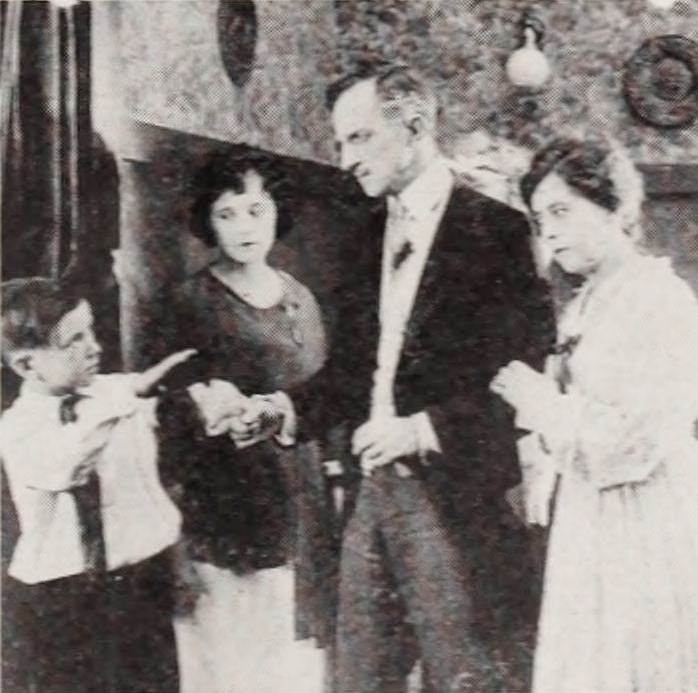
Al Christie
Al Christie
Community
Log in to comment.
"The Reckless Sex (1933) isn’t a film that announces its brilliance with fireworks—it simmers with a quiet intensity, its power lying in the tension between what is seen and what is hidden. Set in an era where societal norms dictated the contours of personal freedom, the film follows a young couple whose marriage, shrouded in secrecy, becomes the catalyst for a domestic rebellion of epic proportions. The husband, portrayed with brooding intensity by George B. French, and his wife, reimagined as a..."
United States

Deep dive into the cult classic
Discover similar cinematic experiences
A Directorial Spotlight on Al Christie