DbcultAccessing Vault...
6.2/10
Senior Film Conservator
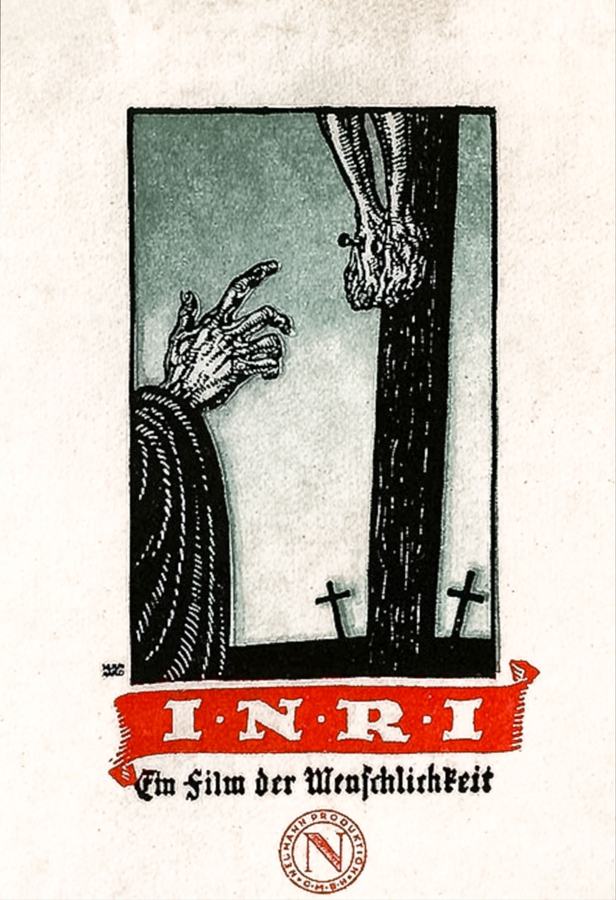
A definitive 6.2/10 rating for a film that redefined the boundaries of cult cinema. Crown of Thorns remains a cornerstone of transgressive art.
Robert Wiene, forever etched in the annals of German Expressionism for his visionary Cabinet of Dr. Caligari, returns with a film that is as much a theological inquiry as it is a political allegory. Crown of Thorns unfolds on two parallel tracks: the grim reality of an anarchist condemned for an attempted murder, and the reverent, almost ritualistic retelling of the Passion of Christ. The juxtaposition is not merely structural; it is ideological, inviting the viewer to contemplate the ethics of self‑sacrifice versus violent retribution.
The film opens in a dimly lit cell, the walls echoing with the metallic clang of a distant guard’s boots. Our protagonist, a gaunt figure whose face is half‑shadowed, is introduced without name—a deliberate choice that universalizes his rebellion. The prison chaplain, portrayed with austere gravitas, offers the man a manuscript of the Passion. The chaplain’s voice, resonant and measured, becomes the conduit for a story that is at once ancient and unsettlingly contemporary.
Wiene’s camera lingers on the anarchist’s clenched fists, the tremor in his jaw, the flicker of doubt in his eyes. The mise‑en‑scene is saturated with sea‑blue tones (#0E7490) that bleed into the blackness, creating a cold, almost clinical atmosphere. This visual palette contrasts sharply with the warm, blood‑red hues that dominate the Passion sequences, underscoring the thematic schism between earthly revolt and spiritual surrender.
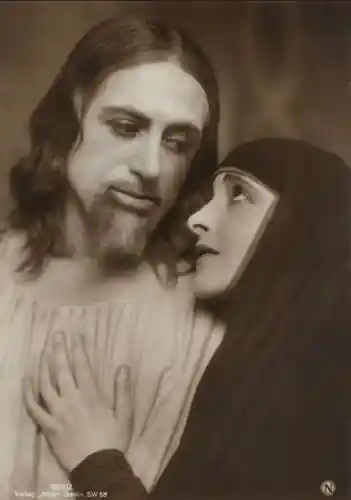
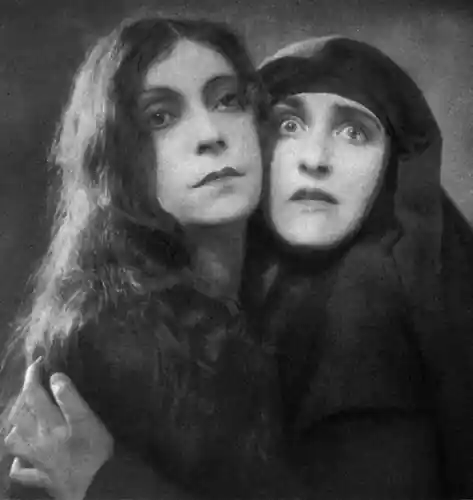
When the chaplain begins his narration, the film transitions—through a seamless dissolve—into a meticulously crafted recreation of the biblical events. Here, Wiene’s expressionist roots surface: angular arches, exaggerated shadows, and stark, high‑contrast lighting dominate the set. The casting is nothing short of spectacular. Asta Nielsen, a luminary of silent cinema, embodies Mary Magdalene with a haunting blend of vulnerability and fierce devotion. Henny Porten, the quintessential German mother‑figure, brings a serene gravitas to the Virgin Mary, while Grigori Chmara’s portrayal of Jesus oscillates between ethereal calm and palpable agony.
Werner Krauss, forever associated with the sinister Dr. Caligari, dons the robes of Pontius Pilate, delivering his infamous line—"What is truth?"—with a sardonic smile that suggests both bureaucratic indifference and an awareness of the theatricality of power. The actors, unaware of the framing narrative that envelops their performance, deliver their lines with a sincerity that feels almost anachronistic in the context of a 1920s political drama.
Scholars have long debated the novel from which the framing story derives, suspecting an anti‑Bolshevist agenda hidden beneath the veneer of religious contemplation. Whether intentional or not, the film’s dual structure operates as a subtle piece of propaganda: it suggests that the path to redemption lies not in violent uprising but in the quiet, self‑effacing acceptance of suffering. The anarchist’s internal conflict—whether to cling to his revolutionary ideals or to embrace the martyrdom extolled by the chaplain—mirrors the broader sociopolitical tensions of post‑World War I Germany.
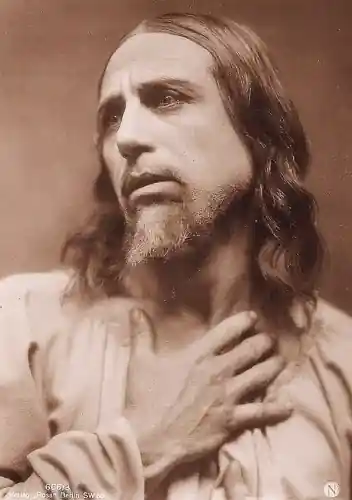
Wiene never overtly declares his stance; instead, he lets the visual language speak. The prison’s oppressive geometry, rendered in cold sea‑blue, contrasts with the Passion’s warm, ember‑glow lighting. The anarchist’s eventual decision—whether to act upon his revolutionary impulse or to surrender his life for a higher cause—remains ambiguous, leaving the audience to wrestle with the moral quandary.
Beyond the marquee names, the supporting cast delivers nuanced performances that enrich the film’s tapestry. Bruno Ziener, as the gaoler, embodies bureaucratic cruelty with a detached professionalism. Mathilde Sussin’s portrayal of a grieving mother adds an emotional anchor to the Passion scenes, her eyes conveying a depth of sorrow that transcends the silent medium. Alexander Granach, in a fleeting yet potent appearance as a rebellious inmate, offers a foil to the protagonist’s introspection.
The interplay between the contemporary and biblical actors creates a meta‑theatrical tension. When the chaplain’s voice overlays the crucifixion, the audience is reminded that the suffering on screen is both a reenactment and a commentary on the present. This layering is reminiscent of the narrative techniques employed in The Master Passion, though Wiene’s execution feels more deliberate in its ideological framing.
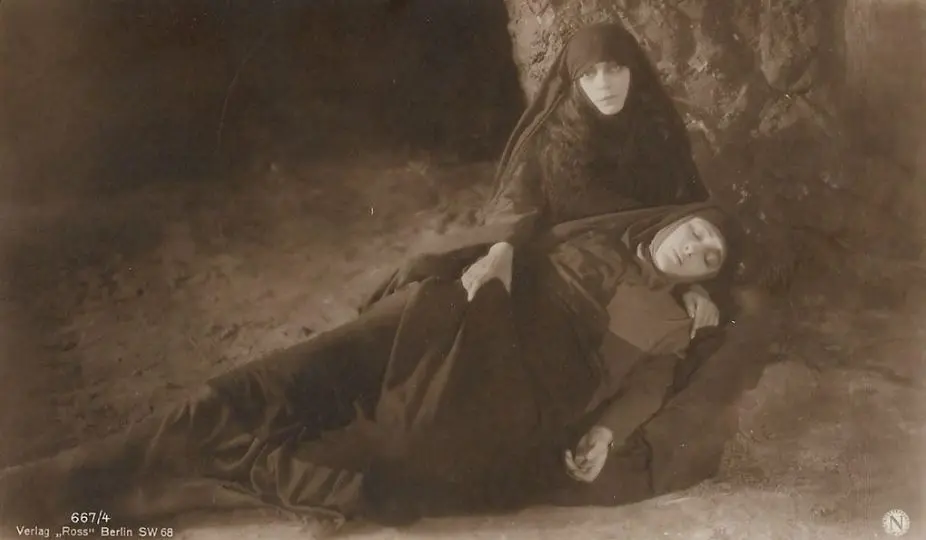
Wiene’s cinematographer employs a chiaroscuro that is both expressionist and symbolic. The prison’s narrow corridors are shot from low angles, exaggerating the sense of entrapment. In contrast, the Passion sequences are bathed in a golden hue (#EAB308) that evokes a quasi‑divine illumination, yet this light is often filtered through stained‑glass motifs, hinting at the fragility of faith.
One of the film’s most striking visual motifs is the recurring image of a thorn‑crowned silhouette projected onto the cell wall, a ghostly reminder of the Christ figure that looms over the anarchist’s conscience. The silhouette, rendered in dark orange (#C2410C), pulsates with a subtle flicker, suggesting both the physical pain of the crown and the psychological torment of the prisoner.
While rooted in the sociopolitical climate of the early Weimar Republic, the film’s exploration of sacrifice versus retaliation resonates with contemporary debates on protest, civil disobedience, and the moral calculus of violence. The anarchist’s dilemma mirrors modern activists who grapple with the efficacy of self‑immolation, hunger strikes, or other forms of self‑sacrifice as political statements.
Moreover, the film’s ambiguous stance—neither fully endorsing martyrdom nor glorifying insurgency—invites a nuanced discussion about the role of personal agency in the face of systemic oppression. This complexity is why Crown of Thorns continues to be a reference point in scholarly discourse, often cited alongside works like Les Misérables, Part 1: Jean Valjean for its layered treatment of redemption.
Though a silent film, the original score—reconstructed from period notes—features a somber organ that swells during the crucifixion scenes, juxtaposed with a stark, percussive rhythm that underscores the prison sequences. The musical dichotomy reinforces the visual contrast, guiding the audience’s emotional response without the need for dialogue.
When placed beside Wiene’s earlier masterpiece, Cabinet of Dr. Caligari, the director’s evolution becomes evident. The expressionist set design remains, but the narrative complexity deepens. Unlike the overt psychological horror of Caligari, Crown of Thorns ventures into moral philosophy, employing the same visual language to interrogate ethical dilemmas rather than mere madness.
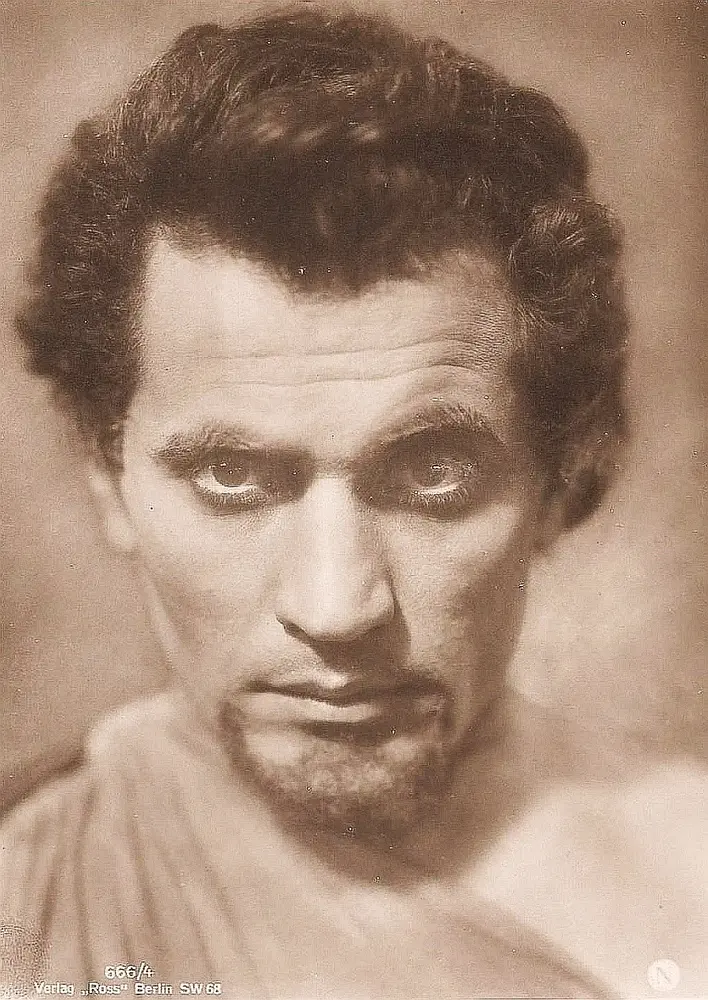
In comparison to contemporaneous works such as Kino‑pravda no. 7, which leans heavily into documentary realism, Wiene’s film stands out for its hybridization of staged drama and political allegory. This hybrid nature makes it a unique artifact of its era, straddling the line between avant‑garde experimentation and didactic cinema.
Initial reception was mixed; some critics lauded its audacious melding of sacred narrative with radical politics, while others decried it as propagandistic. Over the decades, however, the film has garnered a cult following among cinephiles who appreciate its daring structure and its place in the silent era’s exploration of ideological cinema.
Modern retrospectives often highlight the film’s influence on later directors who sought to fuse historical epics with contemporary commentary, a lineage traceable to the works of Andrzej Wajda and Pier Paolo Pasolini. The film’s aesthetic—particularly its use of color symbolism within a monochrome framework—has been studied in film schools as a case study in visual storytelling.
In sum, Crown of Thorns is a masterclass in the marriage of form and function. Its deliberate pacing, meticulous set design, and powerhouse performances coalesce into a meditation on the cost of conviction. The film does not provide easy answers; instead, it offers a mirror in which viewers can examine their own beliefs about sacrifice, justice, and the power of narrative to shape ideology.
For those seeking a silent‑era film that transcends its historical moment, delivering both aesthetic pleasure and intellectual provocation, Wiene’s work remains an essential viewing experience.

IMDb —
1917
Community
Log in to comment.