DbcultAccessing Vault...
6.2/10
Senior Film Conservator

A definitive 6.2/10 rating for a film that redefined the boundaries of cult cinema. Der Mädchenhirt remains a cornerstone of transgressive art.
In the annals of silent cinema, few works capture the visceral decay of the post-Great War landscape with as much unapologetic ferocity as Karl Grune’s 1919 masterwork, Der Mädchenhirt. This is not merely a film; it is a cinematic exhumation of the moral rot festering beneath the surface of a polite society that had forgotten how to be civil. Based on the writings of the legendary 'Raging Reporter' Egon Erwin Kisch, the film navigates the sordid topography of the vice trade with a lens that is simultaneously clinical and deeply empathetic.
While contemporary audiences might be accustomed to the sanitized depictions of historical hardship, Der Mädchenhirt refuses to look away. It occupies a unique space in the 'Sittenfilm' (moral film) genre, oscillating between a cautionary tale and a sociopolitical indictment. Unlike the more whimsical or melodramatic explorations of femininity found in A Girl of Yesterday, Grune’s vision is one of stark, uncompromising realism. Here, the 'shepherd' is not a guardian but a predator, and the flock is comprised of the disenfranchised and the desperate.
The screenplay, a collaborative effort between Beate Schach, Kisch, and Grune, constructs a narrative architecture that mirrors the claustrophobia of its subjects. We are introduced to a world where promiscuity is not a choice of liberation but a byproduct of economic necessity. The character of the pimp, portrayed with a chilling, serpentine elegance by Friedrich Kühne, serves as the fulcrum upon which the story’s tragedy pivots. Kühne’s performance is a masterclass in silent-era nuance; his movements are deliberate, his gaze an unsettling mixture of calculation and boredom.
The film’s pacing is deliberate, almost agonizingly so, as it tracks the slow-motion collision of naivety and malice. We see echoes of the social hygiene movement that would later define films like Open Your Eyes, yet Der Mädchenhirt lacks the didactic preachiness of its American counterparts. Instead, it relies on the visual language of Expressionism—harsh shadows, distorted perspectives, and a pervasive sense of dread—to communicate the internal states of its characters.
The ensemble cast, including Rose Lichtenstein and Lotte Stein, provides a kaleidoscopic view of the victims of the 'shepherd'. Each woman represents a different facet of the struggle: the one who fights, the one who succumbs, and the one who eventually becomes part of the machinery. Roma Bahn and Lo Bergner add layers of complexity, ensuring that the 'girls' are never reduced to mere archetypes. They are flesh-and-blood entities trapped in a system designed to consume them.
Comparing this to the atmospheric tension of Fesseln, one finds a similar preoccupation with the bonds that tie us to our circumstances. However, where Fesseln deals with psychological shackles, Der Mädchenhirt deals with the literal and economic chains of the brothel and the street. The cinematography captures the soot and grime of the urban environment, contrasting it with the hollow opulence of the interiors where the 'shepherds' conduct their business.
One cannot discuss this film without acknowledging the shadow of Egon Erwin Kisch. His participation ensures that the film maintains a level of journalistic integrity that was rare for the period. Kisch was known for his ability to infiltrate the most dangerous echelons of society, and that 'boots-on-the-ground' perspective permeates every frame. The dialogue (conveyed through intertitles) is sharp, devoid of the flowery sentimentality that often plagued silent dramas like Susie Snowflake.
Instead, we are treated to a lexicon of the underworld, a vernacular of survival. This linguistic grit elevates the film from a mere melodrama to a historical document. It chronicles the transition from the old world of monarchical stability to the chaotic, hyper-capitalistic frenzy of the Weimar era. The 'shepherd' is the ultimate capitalist, treating human intimacy as a commodity with a fluctuating market value.
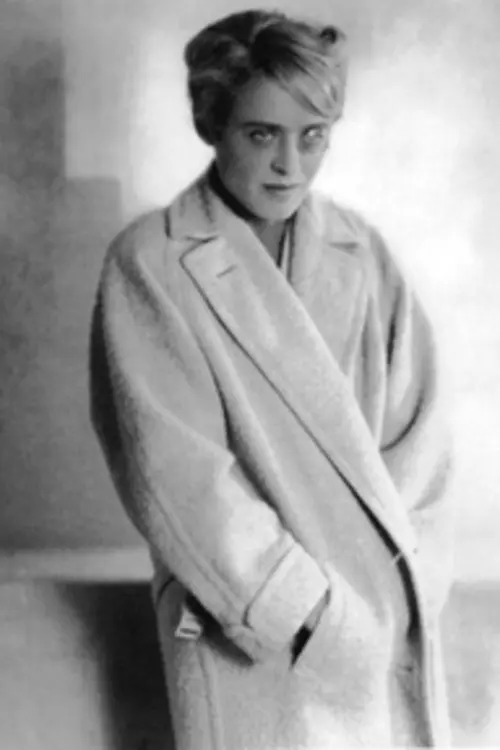
Grune’s direction utilizes the 'Kammerspiel' (chamber drama) style to create an atmosphere of inescapable intimacy. The camera lingers on faces, catching the micro-expressions of fear and resignation. There is a specific sequence involving a mirror that serves as a profound metaphor for the fractured identity of the protagonist. As she gazes at her reflection, we see the 'girl' she was dissolving into the 'product' she has become. This level of psychological depth is reminiscent of the character studies in Gengældelsens ret, yet it carries a more immediate, visceral sting.
The use of lighting is particularly noteworthy. The 'sea blue' shadows of the nocturnal city streets create a sense of oceanic vastness that threatens to swallow the characters whole. Yellow light, often associated with warmth and safety, is here subverted; it becomes the sickly hue of gaslamps in dimly lit hallways, the color of jaundice and decay. This subversion of color theory is a testament to Grune’s sophisticated visual palette.
When placed alongside other contemporary works like The Girl Philippa or En hjemløs Fugl, Der Mädchenhirt feels significantly more modern. It lacks the moralizing safety net that many films of the 1910s provided for their audiences. There is no easy redemption here, no deus ex machina to rescue the fallen. It shares a certain grim fatalism with Neft vä milyonlar sältänätindä, focusing on how systemic forces—whether oil or human bodies—crush the individual.
The film also serves as an interesting counterpoint to the swashbuckling heroism of The Scarlet Pimpernel. While the Pimpernel operates in the shadows to save lives, the Shepherd operates in the shadows to harvest them. It is a dark mirror image of the hero archetype, reflecting a world that has grown cynical and weary of saviors.
Der Mädchenhirt is a difficult watch, not because of graphic content—which was restricted by the censors of the time—but because of the emotional toll of its honesty. It demands that the viewer acknowledge the complicity of society in the creation of its monsters. The complicated situations the characters find themselves in are not merely plot devices; they are the inevitable results of a culture that commodifies vulnerability.
In the grand scheme of cinema history, this film stands as a precursor to the gritty film noir and the social realism of the mid-20th century. It possesses a gravitas that is often missing from the more escapist fare of its era, such as Pals First or Nedra. It does not seek to entertain in the traditional sense; it seeks to provoke, to unnerve, and to illuminate.
As a critic, one must admire the bravery of Grune and Kisch. They took a subject that was whispered about in the dark and brought it into the flickering light of the projector. Der Mädchenhirt remains a haunting, essential piece of Weimar history, a reminder that the shepherd’s staff can just as easily be a crook used to drag the innocent into the dark.
IMDb 5.8
1931
Community
Log in to comment.