DbcultAccessing Vault...
7.1/10
Senior Film Conservator
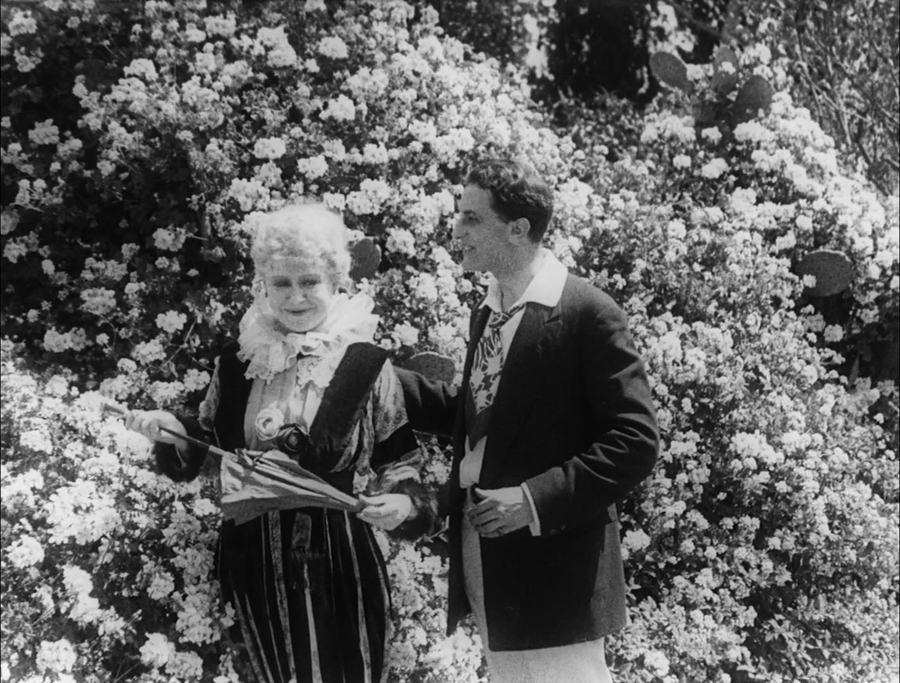
A definitive 7.1/10 rating for a film that redefined the boundaries of cult cinema. Dernier amour remains a cornerstone of transgressive art.
The year 1921 marked a pivotal juncture in French cinema, a period where the primitive energy of early shorts gave way to the sophisticated narrative architecture of feature-length dramas. At the forefront of this evolution stood Léonce Perret, a director whose aesthetic sensibilities were as refined as they were revolutionary. In Dernier amour, Perret crafts a cinematic experience that transcends the mere melodrama of its era, offering instead a profound interrogation of romantic obsolescence. The film is not merely a story about a 'last love'; it is an examination of the finality that haunts every human connection.
Perret’s transition from the serial-driven success of his earlier career to the high-art aspirations of the early 1920s is palpable in every frame of Dernier amour. Unlike the rugged social realism found in Kindling, Perret opts for a lush, almost operatic visual style. His use of deep focus and intricate mise-en-scène creates a world that feels both expansive and claustrophobic—a paradox that perfectly mirrors the protagonist’s internal state. The way Perret positions his actors within the frame suggests a predestination, a sense that they are moving through a pre-ordained tragedy that neither wealth nor status can avert.
The film’s pacing is deliberate, allowing the audience to steep in the atmosphere of longing. Where contemporary American films like The Broadway Sport might have favored rapid-fire action and physical comedy, Perret leans into the stillness. He understands that the most significant dramas occur in the silence between words, in the flickering of an eyelid or the slight slump of a shoulder. This focus on psychological interiority places Dernier amour in conversation with the best of European silent cinema, rivaling the emotional depth seen in Det gamle Købmandshjem.
For many, René Cresté will always be synonymous with the mysterious avenger Judex. However, in Dernier amour, he sheds the cape and the stoicism of the serial hero to reveal a vulnerability that is startling. As the protagonist, Cresté embodies a patrician grace that is slowly being eroded by the realization of his own mortality. It is a performance of immense restraint. While other silent actors of the period were prone to the histrionics of the stage, Cresté maintains a cinematic naturalism that feels remarkably modern.
His chemistry with Valentine Petit is the film's emotional anchor. Petit, as the object of this 'last love,' provides a performance that is both ethereal and grounded. She represents the possibility of a different life, a path not taken, yet she is also a reminder of the social barriers that define their world. Their interactions are characterized by a desperate tenderness, a recognition that their time together is a borrowed luxury. This dynamic echoes the tragic undercurrents of Love's Toll, where the cost of affection is often higher than any character can afford to pay.
The ensemble, including Fabrice, Édouard-Émile Violet, and Reine Dessort, populates a world defined by rigid hierarchies and unspoken rules. Armand Dutertre, in particular, delivers a nuanced turn that reinforces the film’s themes of duty versus desire. The social world of Dernier amour is one where reputation is a currency, and a single misstep can lead to bankruptcy. This thematic thread aligns the film with the moral complexities explored in Those Without Sin and The Vanderhoff Affair, where the public face often masks a private disintegration.
One cannot discuss Dernier amour without acknowledging its technical brilliance. The cinematography is a masterclass in the use of natural light and shadow. Perret and his camera team utilize the locations—ranging from opulent interiors to sweeping outdoor vistas—to heighten the emotional stakes. The use of shadow is particularly effective; it often feels as though the darkness is encroaching on the characters, a visual metaphor for the inevitable end of their romance and, perhaps, their era.
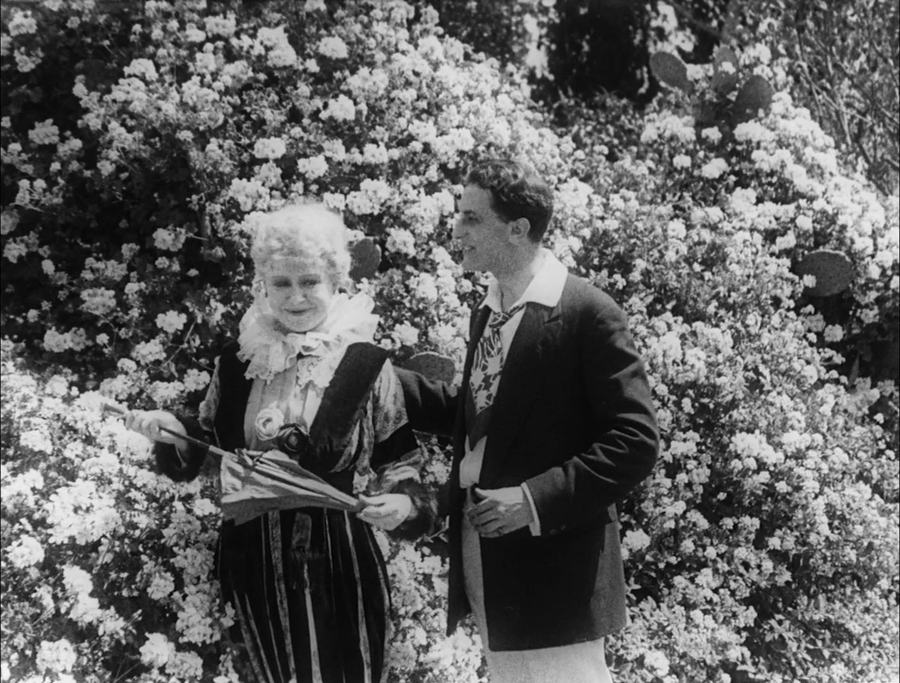
The film’s visual motifs, such as the recurring imagery of water and mirrors, suggest a preoccupation with reflection and the fluidity of identity. In one particularly striking scene, the protagonist catches his reflection in a mirror, and for a fleeting moment, we see the mask of the nobleman slip, revealing the frightened man beneath. This kind of visual storytelling is far more potent than any intertitle could ever be. It reminds us of the power of silent cinema to communicate universal truths through the purely visual, a quality shared by The Eye of God.
The plot of Dernier amour avoids the easy resolutions of lesser melodramas. Instead, it follows a trajectory of gradual loss. It is a narrative of subtraction. As the protagonist attempts to secure his happiness, he finds himself stripped of the very things that defined him. The screenplay by Léonce Perret is a tightly wound spring, building tension not through external threats, but through the internal pressure of conflicting desires. The story shares a certain DNA with The Mediator, focusing on a figure caught between different worlds, trying to find a middle ground that may not exist.
Furthermore, the film touches upon the role of women in this post-war society. While not as overtly political as A Militant Suffragette, Dernier amour subtly critiques the limited agency afforded to its female characters. Valentine Petit’s character is often a pawn in the larger games played by the men around her, yet she navigates this landscape with a quiet dignity. Her struggle for autonomy, though less pronounced than the social crusades in Salvation Nell or A Factory Magdalen, is nonetheless a vital component of the film’s emotional resonance.
Though the war is not explicitly mentioned, its presence is felt in the film’s pervasive sense of melancholy. France in 1921 was a nation in mourning, and Dernier amour captures that collective grief through the lens of a personal tragedy. There is a feeling that the characters are living in the ruins of an old world, trying to reconstruct a sense of meaning that has been permanently shattered. This atmospheric weight makes the film a companion piece to Lest We Forget, which more directly addresses the trauma of the conflict.
The film also reflects the shifting cultural tides of the time. The clash between the traditional values of the aristocracy and the burgeoning modernity of the 1920s is evident in the set design and costumes. We see the ornate, heavy decor of the past being challenged by the cleaner lines of the future. This tension is similar to that found in The Fair Barbarian, where different cultural norms collide with transformative results.
In the grand pantheon of silent cinema, Dernier amour often sits in the shadow of Perret’s more famous works, yet it deserves a place of prominence. It is a film that rewards patient viewing, revealing layers of meaning with each subsequent watch. It is a testament to the power of the medium to explore the most intimate corners of the human experience. It doesn't rely on the grand spectacle of In the Palace of the King, nor the satirical bite of The Golden Idiot. Instead, it finds its strength in its quietude and its unwavering commitment to emotional truth.
Watching Dernier amour today, one is struck by how little the human heart has changed in a century. The fears, the longings, and the regrets depicted by Perret are as relevant now as they were in 1921. The film serves as a bridge across time, connecting us to a generation that was grappling with the same fundamental questions of love and legacy that continue to define our lives. It is a haunting reminder that while empires may fall and fashions may fade, the quest for a 'last love'—a final moment of true connection—is a journey that never truly ends.
Ultimately, Dernier amour is a triumph of silent storytelling. It demonstrates that with a gifted director, a dedicated cast, and a profound understanding of the human condition, cinema can achieve a level of artistry that is truly timeless. It is a film that lingers in the mind long after the final fade to black, a ghost of a romance that continues to haunt the history of the silver screen.
IMDb —
1920
Community
Log in to comment.