DbcultAccessing Vault...
Cult Review
Senior Film Conservator
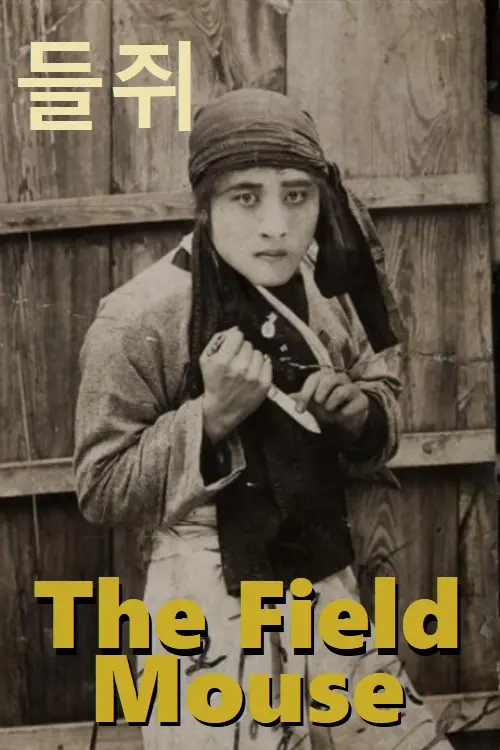
Is Deuljwi worth watching today? Short answer: Yes, but primarily as a vital historical document for those obsessed with the roots of social realism in East Asian cinema. This film is for the patient cinephile who values raw, historical subtext over modern polish, and it is definitely not for those seeking high-definition spectacle or conventional Western pacing.
To understand Deuljwi, one must understand the era of its birth. Released in 1927, it arrived at a time when the Korean film industry was struggling under colonial constraints, yet finding its voice through figures like Woon-gyu Na. Na wasn't just a filmmaker; he was a cultural lightning rod. In this film, he crafts a narrative that feels like a precursor to the gritty urban dramas we see decades later. It works. But it’s flawed.
This film works because it utilizes the 'outsider' archetype to critique class disparity without relying on heavy-handed moralizing. This film fails because its secondary characters, particularly the young couple, often feel like static props rather than lived-in human beings. You should watch it if you want to see the blueprint for the 'noble rebel' character that would eventually define much of Korean action cinema.
Why does Deuljwi remain a point of discussion among film historians? The answer lies in its refusal to play it safe. While many films of the late 1920s, such as The Apple-Tree Girl, leaned into more traditional or pastoral narratives, Deuljwi chooses the dirt. It chooses the 'Field Mouse'—a character who exists in the margins.
The central conflict—a forced marriage to a rich gangster—is a trope as old as the medium itself. We see variations of this power dynamic in films like Vanina, where personal agency is crushed by systemic authority. However, Woon-gyu Na injects a specific Korean anxiety into the mix. The gangster isn't just a villain; he is a representative of a system that allows wealth to bypass consent. When Field Mouse steps in, he isn't just saving a woman; he is disrupting a transaction.
Woon-gyu Na’s direction is characterized by a frantic, almost desperate energy. Unlike the more measured pacing of Not So Long Ago, Deuljwi feels like it’s constantly pushing against the frame. Na, who also wrote the film, understands that silence in cinema isn't just an absence of sound—it’s an opportunity for physical expression. The way he captures the movement of the protagonist through cramped spaces reflects a sense of entrapment that was likely felt by the audience of the time.
There is a specific scene where Field Mouse watches the gangster’s procession from a distance. The framing is tight, almost claustrophobic. It highlights the distance between the 'haves' and the 'have-nots.' This isn't the polished cinematography of a big-budget production like Paradise Lost; it is functional, harsh, and effective. It makes the viewer feel the weight of the social hierarchy.
The performances in Deuljwi are rooted in the theatrical traditions of the 1920s, yet there are flashes of modern naturalism. Woon-gyu Na’s own screen presence is magnetic. He possesses a ruggedness that stands in sharp contrast to the more stylized performances found in contemporary comedies like Felix Minds His Business. He plays Field Mouse with a slouch and a squint that suggests a man who has seen too much and expects too little.
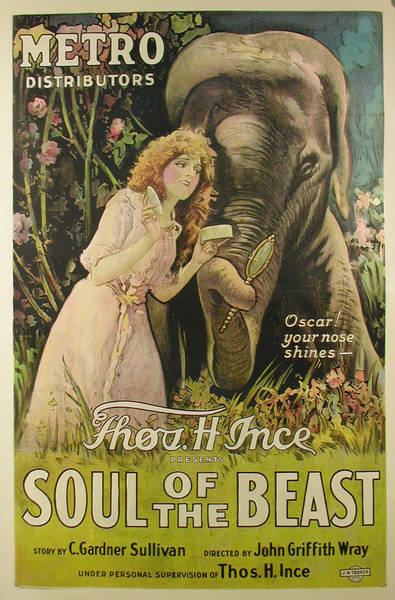
Il-seon Shin, as the woman caught in the crosshairs, does what she can with a somewhat limited role. In the silent era, female leads were often relegated to 'damsel' status, a trend also visible in The Infant at Snakeville. However, Shin manages to convey a sense of internal dread that elevates the stakes. When she looks at the gangster, her eyes don't just show fear; they show a profound sense of exhaustion.
Yes, if you are interested in the evolution of the hero archetype. Deuljwi offers a fascinating look at how early filmmakers used genre tropes to smuggle in social commentary. While it lacks the technical finesse of Das Todesgeheimnis, it makes up for it with sheer thematic audacity. It is a film that demands you look at the floor, not the stars.
For a casual viewer, the experience might be jarring. The pacing is uneven, and the melodrama can occasionally boil over into absurdity. But for anyone who wants to understand the DNA of modern Korean cinema—the same DNA that produced films about class warfare like *Parasite*—Deuljwi is essential viewing. It’s a rough diamond, buried under decades of history.
We have to talk about the lighting. In many scenes, the shadows are used not just for mood, but to hide the limitations of the set. This creates a proto-expressionist vibe that feels accidental but brilliant. Compare this to the bright, flat lighting of Cleaning Up, and you see a director who is actively trying to create a specific atmosphere with very few resources.
The editing is where the film shows its age the most. The transitions are sometimes abrupt, leaving the viewer to fill in the gaps of the narrative logic. It lacks the fluid continuity of A Young Tenderfoot. Yet, this fragmentation almost works in the film's favor, mirroring the fractured lives of its characters. It’s messy, but it’s real.
Pros: Powerful social commentary; groundbreaking lead performance; unique visual atmosphere for its time.
Cons: Uneven pacing; predictable melodramatic beats; significant portions of the film are difficult to access or lost to time.
Here is a hot take: Deuljwi is actually a western. If you strip away the 1920s Korean setting, you have the classic lone gunman entering a corrupt town to save the innocent from a land-grabbing cattle baron. It shares more DNA with the American frontier than it does with the high-society dramas like Infatuation or The Princess's Dilemma. Na was clearly tapping into a universal mythos of the righteous outlaw.
This 'Western' sensibility is what makes the film feel surprisingly modern. The Field Mouse doesn't want to join society; he wants to survive it. This cynicism was rare for the time. Even in satirical works like Honesty - The Best Policy, there is usually a sense of moral restoration. Deuljwi offers no such comfort. The ending is a reprieve, not a resolution.
When compared to something like A Lickpenny Lover, Deuljwi feels dangerous. While Western silent shorts were often preoccupied with clever gags or moral fables, Na was using the medium as a weapon. He wasn't interested in the domestic comfort seen in Home, Sweet Home or the lighthearted antics of Little Miss Mischief. He wanted to show the teeth of the lower class.
This aggression is what sets the film apart. It’s not 'polite' cinema. It’s a film that smells like sweat and desperation. Even if the technical execution is primitive by today's standards, the intent is razor-sharp. You can feel the director’s pulse in every frame.
Deuljwi is a vital, if scarred, piece of cinematic history. It isn't a perfect film, but it is a brave one. Woon-gyu Na managed to capture a specific type of defiance that still resonates today. It’s a testament to the power of the 'Field Mouse'—the small creature that survives in the cracks of a giant's world. It’s a difficult watch, but for those willing to look, it’s a rewarding one. It’s not just a movie; it’s a scream from the past.
IMDb 5.4
1930
Community
Log in to comment.