DbcultAccessing Vault...
5.9/10
Senior Film Conservator
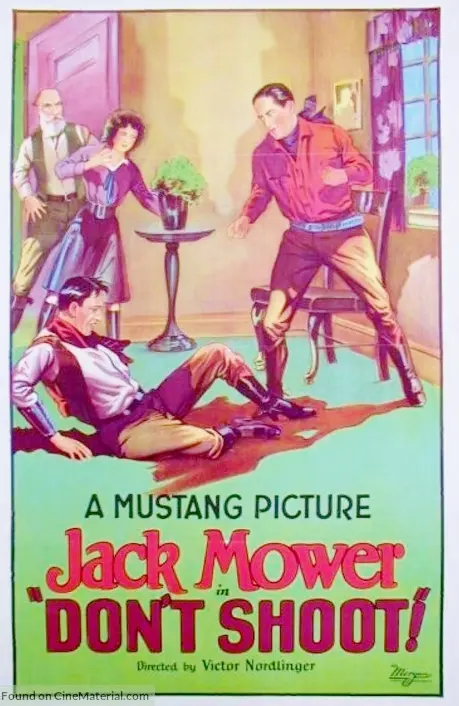
A definitive 5.9/10 rating for a film that redefined the boundaries of cult cinema. Don't Shoot remains a cornerstone of transgressive art.
Is Don't Shoot (1926) a hidden gem of the silent era or just another forgotten relic? Short answer: It is a compelling, if occasionally melodramatic, character study that offers a rare look at pacifism in a genre defined by gunpowder.
This film is specifically for enthusiasts of silent-era drama and those interested in the early career of Fay Wray. It is definitely NOT for viewers who demand high-octane action or the fast-paced editing of modern Westerns. If you go in expecting a shootout every ten minutes, you will be disappointed. This is a movie about the weight of a reputation and the burden of a lie.
The film centers on the internal conflict of Nancy Burton. Why does she refuse to marry a man who might have killed in the line of duty? Because in her eyes, the badge does not grant a moral license to end a life. This ideological purity is the heart of the film.
1) This film works because of the palpable chemistry between Fay Wray and Jack Mower, which makes the central conflict feel personal rather than just academic.
2) This film fails because the third-act arrival of the vengeful brother feels like a forced plot device to resolve a complex moral argument with a simple threat.
3) You should watch it if you appreciate films that challenge the 'hero with a gun' trope, much like The Light in the Dark or Out Yonder.
In the grand scheme of 1920s cinema, Don't Shoot occupies a unique space. It doesn't rely on the grand spectacle of something like The Warrens of Virginia. Instead, it focuses on the domestic fallout of frontier justice. It is worth watching for the performance of Fay Wray alone. Long before she was climbing the Empire State Building, she was mastering the art of the silent gaze. Her ability to convey betrayal without a single word is masterclass level.
However, the pacing is a bit of a slog. The middle section, where Nancy grapples with her doubts, tends to loop over the same emotional beats. It works. But it’s flawed. The tension is built well, but the release is somewhat unearned. If you are a completionist of Janet Gaynor’s work, her presence here is a delightful bonus, even if she isn't the primary focus.
Director William Berke takes a gamble here. Most Westerns of this period celebrated the 'quick draw.' In Don't Shoot, the quick draw is the villain. The film asks: can a lawman truly be a 'good man' if his hands are stained with blood? This was a surprisingly progressive question for 1926. It echoes themes found in The Dangerous Age, where societal expectations clash with personal ethics.
Consider the scene where Nancy first hears the rumor. The camera stays tight on her face. We see the exact moment her heart hardens. It’s not about the outlaw who died; it’s about the man she thought she knew. This isn't just a plot point; it's an existential crisis captured on silver halide. The cinematography uses shadows effectively to isolate Nancy in her own home, symbolizing her isolation from the violent community around her.
Jack Mower plays Tom Farrell with a certain woodenness that, ironically, serves the character. He is a man of the law who feels he must be stoic, yet his silence is what nearly destroys his relationship. When he finally swears to Nancy that he didn't kill Trevis, his desperation is the only time we see his composure crack. It’s a subtle performance that stands in contrast to the more theatrical acting found in films like Saint, Devil and Woman.
William Berke’s direction is functional, bordering on invisible. He doesn't go for the expressionistic flourishes seen in European imports like Die Jagd nach dem Tode. Instead, he keeps the camera grounded, emphasizing the dusty reality of the town. This groundedness makes the moral stakes feel more 'real' and less like a stage play. The use of outdoor locations adds a layer of authenticity that studio-bound films of the era often lacked.
Pros:
Cons:
One of the most striking things about Don't Shoot is how it treats its 'villain,' the dead outlaw Trevis. He is never shown in a flashback. He exists only as a ghost in the minds of the characters. This makes the threat of his brother feel more like a haunting than a physical danger. It’s a sophisticated choice for a 1920s B-movie. It reminds me of the psychological depth in The Woman Gives, where the past is the primary antagonist.
The film's visual palette is surprisingly bleak. There are no sweeping vistas of the Grand Canyon here. The focus is on small rooms, cramped offices, and the dusty street outside Nancy's house. This claustrophobia mirrors Nancy's mental state. She is trapped between her love for Tom and her love for her principles. When the Sheriff finally tells the truth, the lighting shifts—becoming brighter, more open. It’s a classic visual metaphor, but in Berke’s hands, it feels earned.
Comparing this to The Summer Girl or Patsy's Jim, you can see a clear evolution in how silent films were beginning to use environment to tell a story. It’s not just about the actors; it’s about how the space around them reacts to their choices.
Don't Shoot is a fascinating relic that survives on the strength of its central question. While the resolution is a bit too tidy for my taste, the journey there is paved with genuine tension and a standout performance by Fay Wray. It’s a film that respects its audience’s intelligence enough to suggest that even a 'good' killing leaves a scar. It isn't a masterpiece, but it is a meaningful piece of cinema history that deserves a look from anyone tired of the typical Western tropes.
Final Grade: 7/10. It’s worth the 60 minutes of your life, if only to see how the silent era handled the concept of a 'conscientious objector' in the wild west. For more silent era explorations, check out our reviews of En kunstners gennembrud or the adventurous Deck Sports in the Celebes Sea.
IMDb 7.2
1932
Community
Log in to comment.