DbcultAccessing Vault...
Cult Review
Senior Film Conservator
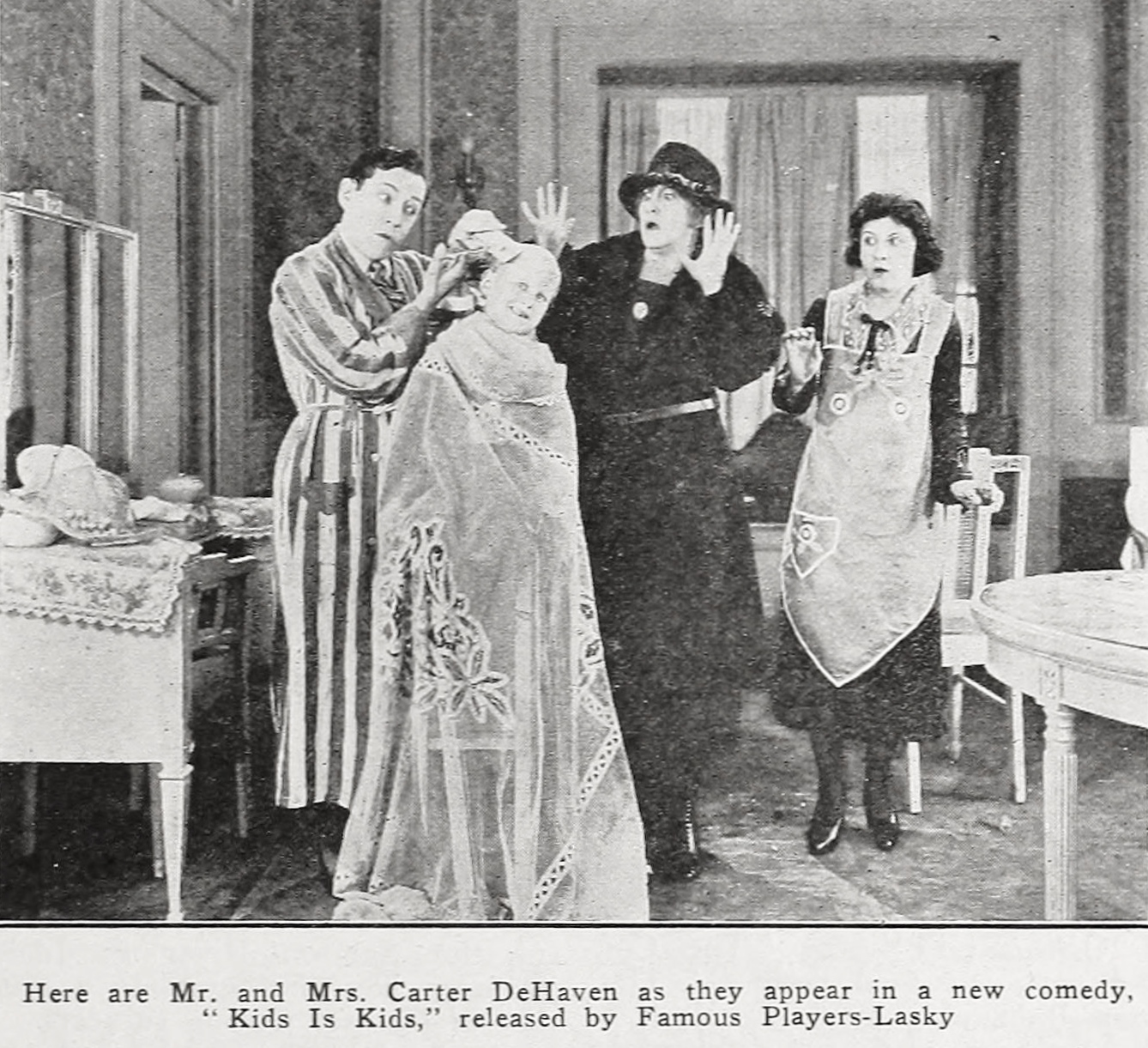
There is a moment—six reels in, just after the gelatin has been poured down the airshaft and right before the goat discovers the player-piano—when Kids Is Kids stops pretending to be a comedy and reveals itself as a cracked pastoral: a hymn to the beautiful impossibility of keeping anything clean, quiet, or sane.
Robert F. McGowan, anarchist laureate of the Our Gang cycle, here trades the back-lot alleyways for a modest marital home, yet he brings along his trademark gospel of entropy. The result is a silent one-off that feels like a Jean Renoir fable hijacked by Marx Brothers gremlins—only the gremlins are thumb-sucking orphans and the fable ends with everyone covered in feathers.
The inciting fire that cremates the asylum is never shown; we glimpse only a crimson flicker on the face of a nun, then ash drifting like dirty snow across the DeHavens’ doorstep. McGowan’s ellipsis is sly—he knows catastrophe is more potent when half-imagined, a principle he would later refine in Squabs and Squabbles. Into the vacuum left by official charity step Flora Parker DeHaven and Charley Chase, playing a version of themselves that feels lived-in rather than performed: she all bobbed curls and common sense, he a human question-mark in suspenders, perpetually one spilled inkwell away from nervous collapse.
Once the urchins cross the threshold, narrative logic disintegrates into a series of escalating gambits. The children—played by a rogue’s gallery of Hal Roach discovery wonders—do not learn lessons; they weaponize innocence. A seemingly innocuous game of hide-and-seek metastasizes into a domestic chernobyl: flour explosions, wallpaper avalanches, a suit of armor repurposed as a makeshift guillotine for the weekly roast. McGowan’s camera, usually content to park itself at child-eye level, occasionally soars overhead for proto-Kubrickian overhead shots that turn the living room into a war-room map of miniature troop movements.
What distinguishes Kids Is Kids from other ‘adorable brat’ pictures of the era—say, The General’s Children with its militarized cuteness—is its refusal to sand down the children’s edges. These kids lie, steal, and blackmail with the serene amorality of junior Machiavels. Yet McGowan loves them anyway, and the camera loves them back, lingering on a gap-toothed grin the way von Sternberg would fetishize Dietrich’s legs.
The marital duo, meanwhile, enact a screwball duet decades before Hawks codified the form. Watch Charley Chase attempt to read the newspaper while a toddler hammer-taps Morse code on his skull; Flora responds by cracking eggs on his cranium—domesticity as Dada cabaret. Their courtship chemistry, honed in two-reelers for Roach, here stretches to feature length without slackening, a feat even Oh, the Women! couldn’t quite manage.
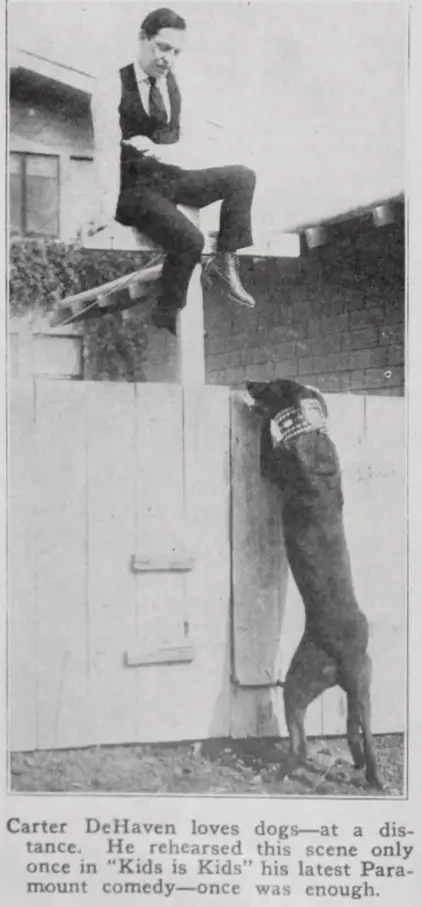
Though dialogue is absent, sound exists: the thunk of a custard pie hitting a policeman’s badge vibrates through the intertitles; the squeal of the family’s pet pig—liberated from a nearby production of Fantasma—becomes a staccato leitmotif. Contemporary exhibitors reportedly added live slide-whistles and kazoo ensembles; viewed today on a 4K restoration with a nimble accompanist, the film regains its orchestral ruckus, every pratfall a percussive solo.
We perceive monochrome, yet McGowan’s palette is vivid synesthetic memory. The lemonade is sun-yellow, the molasses burnt umber, the children’s makeshift warpaint—borrowed from Mom’s vanity—an unholy sea-blue. When the kids reenact The Three Musketeers with mops and colanders, the silver clashes against the black-and-white grain like a dream that refuses to wake up.
Set Kids Is Kids beside After the War—a melodrama where orphans signify national trauma—and you see how McGowan trumps heaviness with levity, achieving emotional heft through velocity. Contrast it with Humanidad, whose squalid foundlings stare at the camera as if indicting the viewer; McGowan’s brood stare back to dare you to laugh, laugh until the laugh snags in your throat and becomes something else.
Flora Parker DeHaven, often relegated to ‘understanding wife’ roles, here performs radical domestic drag: she mothers with the savvy of a battlefield nurse, yet slips into jodhpurs to lead the children in a midnight raid on the neighbor’s orchard. The image of her lighting a cigarette off the stove while orchestrating a water-balloon ambush feels decades ahead of its time, a spiritual ancestor to Katharine Hepburn in Sylvia Scarlett or even Pyotr i Alexei’s gender-bending courtiers.
Released the same year as The Kaiser’s Shadow, the film cannily displaces post-war anxiety onto the microcosm of the home. The orphans are refugees without a homeland; the couple a League of Nations of two, perpetually broker-peering treaties that dissolve faster than rice-paper. McGowan satirizes interventionist zeal: every time the husband quotes some uplift slogan, a kid responds by setting the dog’s tail on fire.
Trace the lineage and you’ll find strands of this film’s DNA in The Little Rascals, naturally, but also in Mon Oncle’s gadget warfare, in Home Alone’s cartoon booby-traps, even in the pastel anarchy of The Florida Project. Yet none of its progeny quite replicate the tonal whiplash McGowan achieves: the way a pie fight segues into genuine terror when the smallest orphan—presumably non-verbal—loses her ragdoll and wanders onto a window ledge high above the street. For thirty agonizing seconds the comedy freezes; the camera tilts downward to the ant-like traffic below. The audience in 1927 reportedly screamed; modern viewers, inured to CGI vertigo, still feel the lurch because McGowan refuses musical undercutting—only silence, then the soft scrape of a tiny shoe on stone.
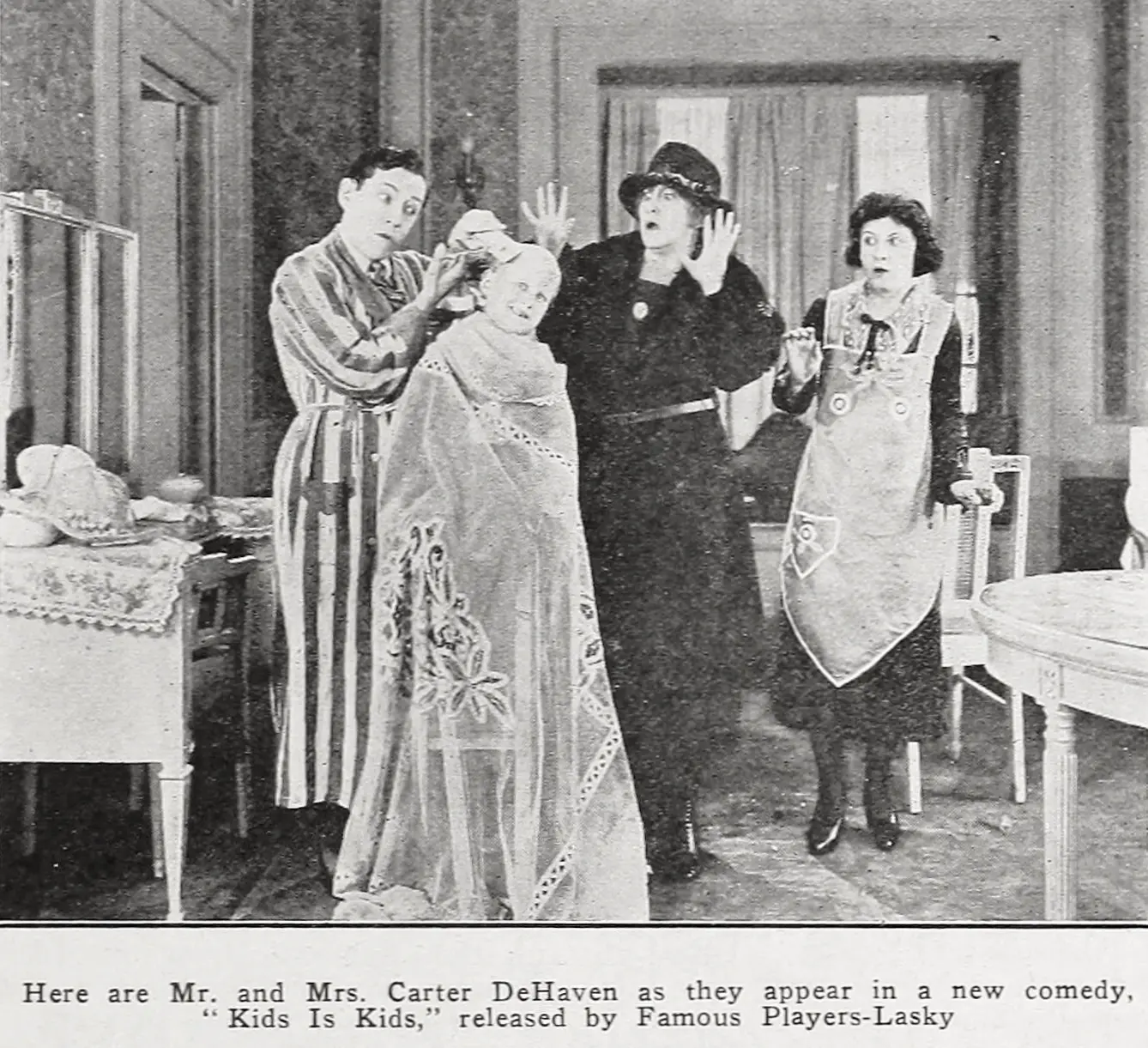
Charley Chase, normally a smoothie urbanite, here channels Buster Keaton’s stone-faced fatalism without the pork-pie stoicism. His double-takes are miniature cubist portraits: the left eyebrow registers disbelief, the right forecasts surrender. Flora counters with screwball sparkle, yet under the flicker lies something steelier—watch her eyes when she cradles the sick orphan at 3 a.m.; the maternal instinct is real, not acted, because DeHaven herself lost a brother in the influenza pandemic and reportedly requested this role to ‘work through the ache’.
Is bruised-knee comedy innately cruel? McGowan anticipates the critique: whenever a child falls, the camera cuts to a subsequent shot revealing padded carpets or a surreptitious mattress. The film practices a humanitarian acrobatics—mayhem minus the sadism that taints some later A Gun Fightin’ Gentleman antics. The orphans laugh with us, not at us, a distinction that lends the final group cuddle—yes, even after the vinegar explosions—a surprising tenderness.
Viewed today, the film induces a kind of temporal vertigo: the twenties slang on the intertitles (‘You’re the elephant’s instep!’) collides with modern fears—red-tape bureaucracy, foster-care nightmares, the burning asylum as prefiguration of every institution failed by underfunding. Yet the emotional core remains stubbornly hopeful: maybe kindness, however inept, can indeed cobble together a family.
Archivists still quarrel over a supposedly lost seventh reel in which the children invade a movie studio and hijack a historical epic. Evidence is tenuous—only a few production stills showing the kids in togas astride papier-mâché horses. Whether apocryphal or merely misfiled, the myth underlines the film’s meta DNA: life as a backstage romp where the dressing room door is always flung open, exposing the gaffer’s cables of the heart.
The 2022 4K restoration by EYE Filmmuseum and UCLA salvaged tints unseen since Prohibition: lavender evenings, amber dawns, a blush-pink nursery that looks like a candy-box turned inside out. Under the new scan you can spot prop details previously smothered in grayscale murk: a cameo photograph of Pickford tucked into the orphan’s shoe, a miniature copy of Peter Pan used as a cheat-sheet for mischief. Such granularity transmutes casual gags into haikus of art direction.
Contemporary trade papers praised its ‘wholesome riot’ while tut-tutting the ‘gutter grammar’ of the intertitles. Modern scholars cite it as proto-feminist, proto-queer, proto-everything except proto-boring. Bloggers weaned on The Darkest Hour’s CGI gloom find solace in the tactile physics of collapsing chaise longues.
By the time the end card blooms—‘Even the wildest river finds the sea’—you realize McGowan has smuggled a manifesto inside a soufflé. Family is not a blood decree but an act of sustained, stubborn, often hilarious repair. The couple will wake tomorrow to fresh calamity—probably a phonograph stuffed with jam sandwiches—but for now seven small bodies breathe against theirs in a heap of elbows and wonder, and the camera, mercifully, does not pull back to show the dawn. It simply irises in, like a wink that knows the joke is on all of us, and always has been.
Watch Kids Is Kids for free on reputable archival platforms or spring for the Blu-ray with the audio commentary by a children’s-rights lawyer and a circus historian—together they unpack legal and acrobatic implications of every pratfall. Either way, bring pie. You will crave something to throw in celebration, even if it’s only at your own cynicism.
IMDb —
1924
Community
Log in to comment.