DbcultAccessing Vault...
4.6/10
Senior Film Conservator
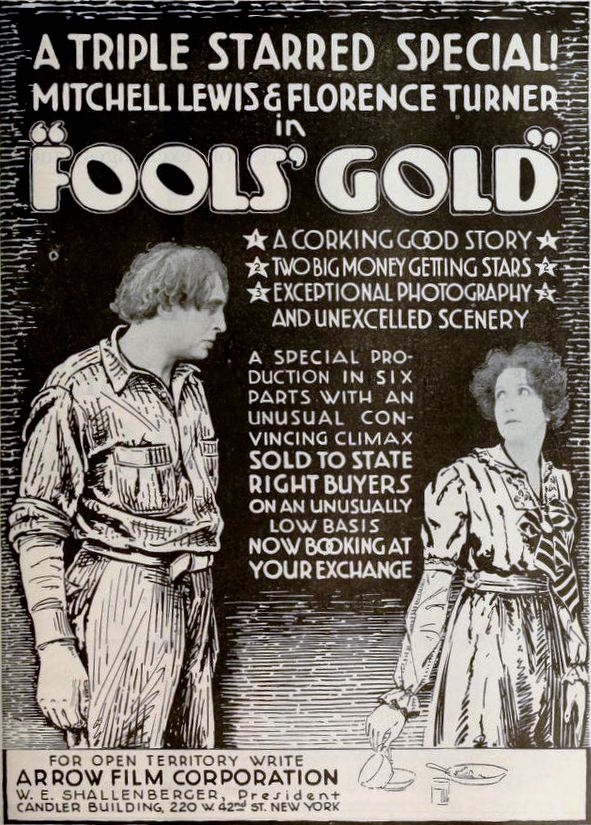
A definitive 4.6/10 rating for a film that redefined the boundaries of cult cinema. Fool's Gold remains a cornerstone of transgressive art.
The American West in Fool's Gold isn't merely backdrop—it's a geological character. Director Harry Hyde weaponizes the landscape's desolate grandeur, framing prospectors as ants scrambling across primordial rock formations that seem to sneer at human avarice. When Marshall Strong (played with arresting stoicism by Harry Hyde himself) first spies Constance Harvey (Florence Turner) through the warped glass of a schoolhouse window, the image ripples like desert heat, foreshadowing the distortions of truth that will poison their lives. This visual poetry elevates what could've been pedestrian melodrama into a tactile exploration of how gold corrupts not through possession, but through the craving itself.
Florence Turner’s Constance operates in devastating micro-gestures—the slight tremor in her hand when rejecting Strong’s unspoken affection, the way her shoulders collapse inward after Moore’s funeral like folded wings. Her chemistry with Hyde transcends the era’s broad acting conventions, communicating volumes through lingering glances across crowded mining camps. Watch how Turner physically recoils when John Moore (Francis Joyner, oozing oleaginous charm) whispers his lies about Strong’s supposed infatuation with Lilas—her spine stiffening as if touched by frost despite the desert heat. Joyner crafts Moore not as a cartoon villain, but as a narcissist convinced his deceptions are benevolent gifts.
"Lilas Niles (Elizabeth Du Barry Gill) slithers through scenes with rattlesnake elegance—her false smile never reaching eyes that calculate dowries and death in equal measure."
The film’s second act pivots on Gill’s masterclass in manipulation. When Lilas intercepts Strong’s desperate message to Constance, Gill doesn’t snarl—she smiles beatifically while twisting the knife, her fingers caressing the stolen letter like a lover. This chilling moment finds echoes in the predatory social climbers of Die Fürstin von Beranien, though Gill injects Lilas with uniquely American ruthlessness. Decades later, when Strong—now reinvented as Mark Smith—discovers Lilas poisoning his daughter against Constance, Hyde’s volcanic rage is terrifying precisely because it simmers beneath glacial restraint.
Cinematographer M.A. Miller conjures staggering chiaroscuro during the mine explosion sequence—flames lick the screen in hand-tinted orange while shadows dance like vengeful wraiths. The collapsing tunnel scene predates Das Skelett’s claustrophobia by years, using canted angles and suffocating close-ups to make audiences gasp for air alongside trapped miners. Miller’s genius shines in transitional montages: watch how Constance’s tear dissolves into raindrops on a grave, then into snow on a cabin roof, then into mine shaft dust—a decade of grief in twenty seconds.
The costume design functions as silent characterization. Lilas’ increasingly opulent gowns—adorned with literal gold thread—contrast with Constance’s frayed but immaculate mourning dresses. Strong’s evolution from dirt-caked work shirts to tailored suits mirrors his moral calcification, until the mine disaster literally strips him back to shirtsleeves and vulnerability. Production designers meticulously recreated mining technology, from stamp mills to candlelit headgear, lending authenticity that grounds the melodrama.
Fool’s Gold belongs to a rich vein of silent films mining labor exploitation for drama, though its romantic architecture feels closer to The Golden Fleece’s mythic yearning than to The Tide of Death’s nautical fatalism. The love triangle’s destructive consequences recall Herod’s biblical betrayals, transplanted to Colorado ore country. Yet what distinguishes Hyde’s vision is its insistence that emotional debts accrue compound interest—David and Nancy’s romance isn’t just a happy ending, but a generational rebalancing of karmic ledgers.
The film’s labor politics remain startlingly relevant. When Strong dismisses miners’ safety concerns—"Ore pays, complaints don’t"—the line lands like a pickaxe. This capitalist arrogance directly enables the third-act disaster, framing the rescue mission as both personal redemption and systemic indictment. Unlike With Neatness and Dispatch’s bureaucratic satire, the critique here is visceral: we choke on tunnel smoke alongside trapped workers, their faces blackened not by moral failing but by corporate neglect.
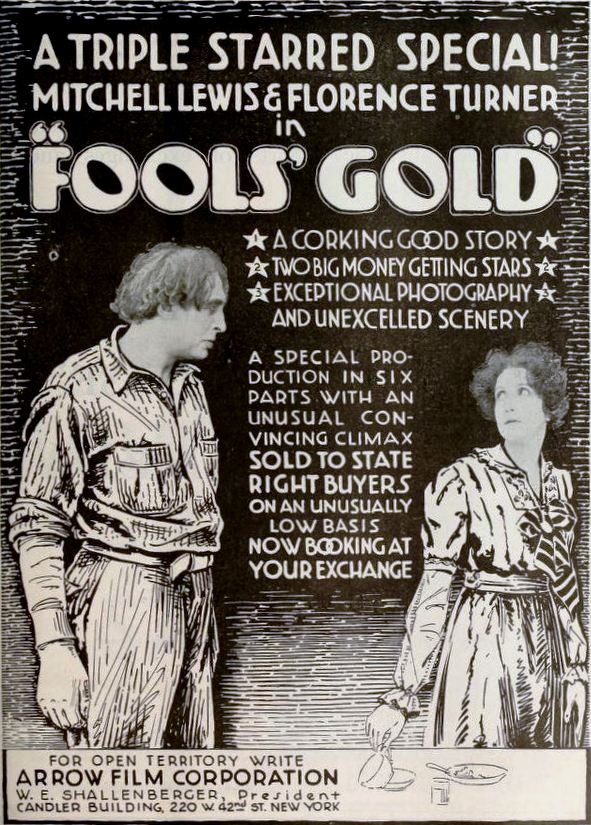
The screenplay’s structural symmetry merits excavation. Early scenes mirror later ones with brutal irony: Constance tending Moore’s superficial wound (a cut from barroom glass) prefigures her nursing David’s life-threatening injuries; Strong’s panicked flight from false murder charges finds reverse echo in his heroic plunge into the mine. Even minor motifs resonate—a pocket watch given pre-wedding becomes Lilas’ tool for timing deception, then later measures David’s dwindling oxygen.
Evelyn Brent’s brief appearance as a saloon singer provides tonal counterpoint, her rendition of "The Miner’s Lament" serving as Greek chorus: "What good’s a vein of silver when your heart’s turned into stone?" This musical interlude connects Fool’s Gold to Come Through’s use of diegetic song, though Hyde integrates it more organically into the narrative fabric.
Modern viewers may bristle at David and Nancy’s swift romance, but the film positions their union as psychological necessity. Nancy (Marguerite Serruys, radiating fierce intelligence) inherits her father’s moral compass without his bitterness, while David (Kempton Greene) embodies his mother’s resilience. Their scenes together—stealing kisses by assay offices, planning futures over dynamite crates—serve as antidote to parental failures. When Strong finally blesses their marriage post-rescue, it’s not paternalistic approval, but hard-won acknowledgment that love shouldn’t require subterfuge.
The mine rescue sequence remains a technical marvel. Hyde filmed in actual Colorado shafts, using magnesium flares to simulate explosions. As Strong crawls through collapsing timbers toward David, the camera adopts his POV—flames consuming the frame, debris raining like hellish confetti. Turner’s reaction shots during this sequence are harrowing: her face reflects not just maternal terror, but dawning recognition that Strong is sacrificing himself for her son. This silent exchange conveys more emotional depth than pages of dialogue could achieve.
Unlike A Butterfly on the Wheel’s focus on social injustice or The Undesirable’s romantic fatalism, Fool’s Gold presents morality as cumulative choice. Strong’s redemption isn’t earned through single heroic act, but through implementing safety reforms—shoring up mine tunnels as he shored his fractured soul. The final tableau of families united beside a now-humane mine suggests that true wealth lies in breaking destructive cycles.
John Moore’s spectral presence lingers over the resolution. His early manipulations created domino consequences requiring decades to settle—a narrative approach anticipating Sündige Mütter’s intergenerational trauma studies. Yet the film resists nihilism; when David presents Nancy with his mother’s wedding band ("Cleaned off the old tarnish"), the gesture symbolizes reconciliation between past and present.
Florence Turner’s final close-up deserves dissection. As Strong pledges safer working conditions, Turner allows Constance’s mask of stoicism to finally fracture—a tear escapes not from grief, but from witnessing moral transformation. It’s a masterstroke contrasting with her earlier scenes of suppressed longing, completing an arc that elevates Constance beyond victimhood into emotional architect.
The film’s legacy glimmers beneath later works like Jess of the Mountain Country, though none replicate its alchemy of personal and societal reckoning. Contemporary critics largely overlooked its sophistication—too often dismissed as "matinee melodrama"—but modern restoration reveals Miller’s painterly compositions and Hyde’s nuanced direction. In an era of Just for Tonight’s frivolity, Fool’s Gold dared to ask what value emerges when we sift through our emotional sediment.
Fools may chase glittering deception, but this film’s genius lies in revealing how real gold forms under pressure—in mines, in relationships, in souls tempered by fire. Its final image—two families silhouetted against a sunset that gilds reformed mine works—remains cinema’s most eloquent argument that ethical foundations outlast all precious metals.
IMDb 6.3
1931
Community
Log in to comment.