DbcultAccessing Vault...
Cult Review
Senior Film Conservator
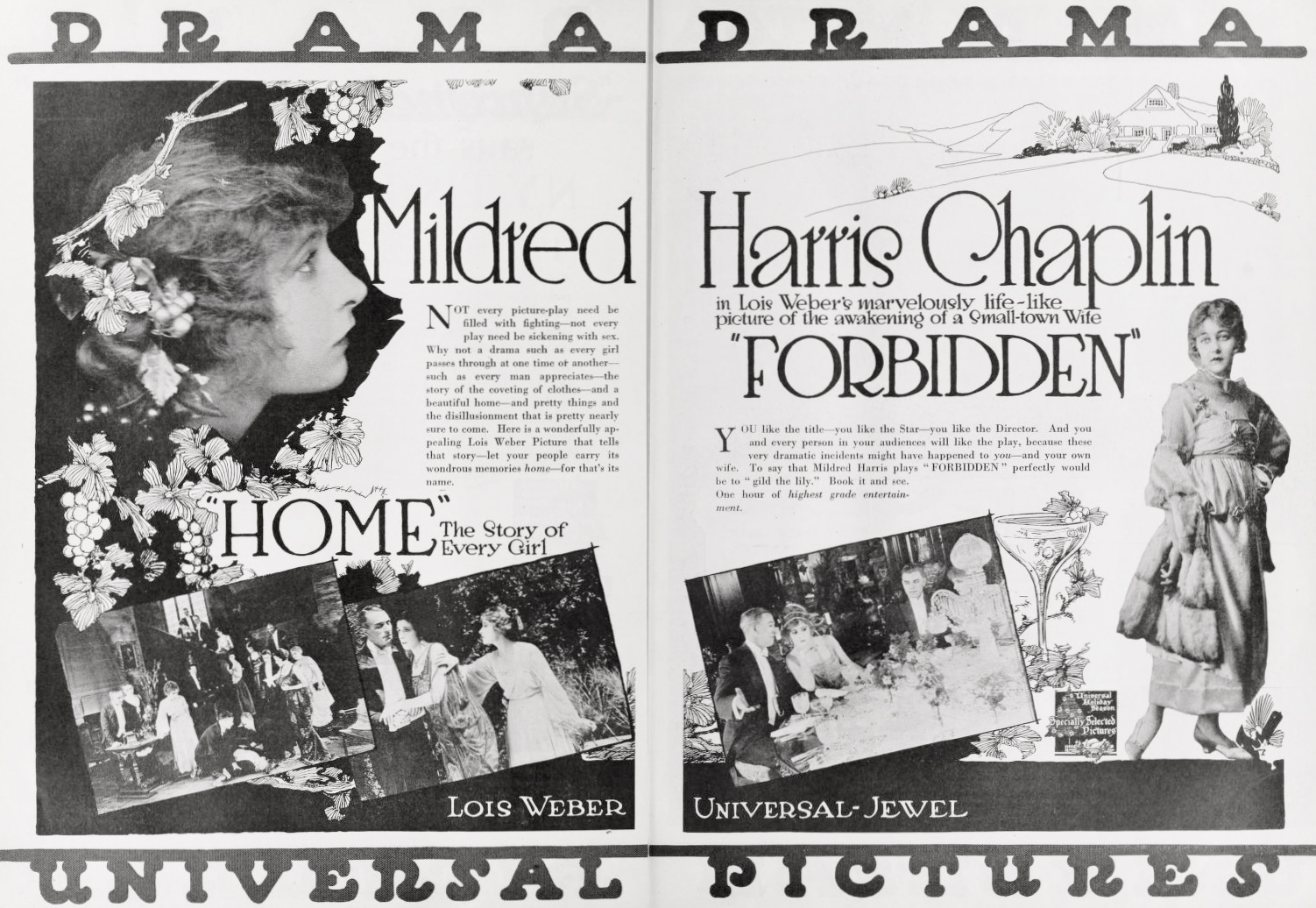
There's an undeniable allure to the narrative of escape, a primal human longing to shed the trappings of a dissatisfying existence and forge anew. In the silent film era, this theme often found its most poignant expression, unburdened by the complexities of dialogue, allowing visual storytelling to carry the emotional weight. Lois Weber's 1919 drama, 'Forbidden', is a masterful exploration of this very yearning, painting a vivid portrait of a man utterly consumed by the spiritual emptiness of his own success. Our protagonist, a quintessential titan of New York industry, has reached the pinnacle of material achievement, yet finds his soul starved. The glittering facades of the metropolis, once symbols of ambition, have become a suffocating cage, each transaction a further erosion of his inner peace. His life, a meticulously constructed edifice of wealth and influence, ultimately proves to be a monument to his own profound disillusionment. It is a testament to the film's enduring power that this century-old narrative still resonates with a contemporary audience grappling with the relentless pressures of modern life. The film doesn't merely present a plot; it unfurls a philosophical query: what is the true cost of success, and what price are we willing to pay for genuine tranquility?
The film's opening acts are a stark, almost visceral depiction of metropolitan ennui. We are introduced to Henry Woodward's character, the businessman, not as a figure of triumph, but as one haunted by an invisible burden. The relentless pace of New York, the impersonal nature of its commerce, and the pervasive superficiality of its social circles have conspired to render him emotionally barren. His decision to abandon this life is not a whim, but a desperate act of self-preservation, a radical surgery performed on his own soul. He seeks not merely a change of scenery, but a fundamental realignment with something authentic, something untainted by the relentless pursuit of profit and prestige. This deliberate retreat to the countryside is, therefore, more than a geographical shift; it is a spiritual pilgrimage. The film expertly contrasts the suffocating grandeur of the city with the raw, unvarnished beauty of rural life. One can almost feel the fresh air, smell the earth, and hear the quiet symphony of nature through the screen, a powerful testament to the expressive capabilities of silent cinema. This thematic exploration of urban decay versus pastoral purity echoes similar sentiments found in literature and film throughout history, from the Romantic poets to contemporary environmental narratives. It forces the audience to ponder the perennial question: where does true fulfillment lie, amidst the clamor of human ambition or the quiet dignity of the natural world?
The transformative power of the rural setting is personified in the character of the country girl, portrayed with an exquisite blend of innocence and quiet strength by Mildred Harris. Her introduction marks a pivotal moment in the narrative, a radiant counterpoint to the protagonist's somber introspection. She is the embodiment of the very qualities he seeks: unpretentious, grounded, and possessed of a genuine warmth untarnished by societal artifice. Her life, though perhaps lacking in material comforts, is rich in the elemental truths that his own opulent existence had systematically stripped away. The nascent connection that blossoms between them is handled with a delicate touch, avoiding melodrama in favor of a subtle, evolving understanding. It is a romance born not of grand gestures, but of shared moments of quiet appreciation for nature, for honest labor, and for the simple, profound act of human connection. Harris's performance, relying solely on expression and gesture, conveys a depth of character that transcends the limitations of the medium, making her a compelling figure of hope and renewal. This dynamic mirrors the redemptive power of an authentic connection, a theme explored with nuanced sensitivity in films like Telefondamen or Kærlighedsleg, where the simplicity of human interaction often becomes the most profound force.
Lois Weber, a pioneering force in early cinema, held a singular vision that often infused her films with profound social commentary and psychological depth. While credited as a writer alongside E.V. Durling, her directorial imprint is unmistakable in the film's nuanced characterizations and thematic resonance. Weber possessed an innate ability to dissect societal norms and expose the human cost of blindly adhering to them. Here, she scrutinizes the prevailing notion of success, challenging the audience to consider whether material wealth truly equates to spiritual well-being. The narrative, while seemingly a straightforward romance, is imbued with a deeper layer of critique regarding the values upheld by an increasingly industrialized society. Her films, much like the introspective dramas of today, invited audiences to look beyond the surface, to question motivations, and to empathize with characters grappling with complex moral dilemmas. The presence of other cast members like Priscilla Dean and Fred Goodwins, though their specific roles might not be detailed in the surviving plot synopsis, would undoubtedly have contributed to the rich tapestry of the narrative, perhaps representing elements of the protagonist's past life or the community he integrates into. Weber’s meticulous attention to detail and her ability to elicit compelling performances from her actors, even without spoken dialogue, solidifies her reputation as one of the most significant filmmakers of her era, ensuring that a film like 'Forbidden' remains a testament to her enduring legacy.
The artistry of silent film, often underestimated in its expressive capabilities, truly shines in 'Forbidden'. The pacing, a crucial element in conveying emotional arcs without dialogue, is handled with an expert hand. The initial scenes in New York are likely to have been characterized by a certain frenetic energy, reflecting the businessman's internal turmoil and the city's ceaseless rhythm. As the narrative shifts to the countryside, the pace undoubtedly slows, allowing for lingering shots of natural beauty and an unhurried development of the burgeoning relationship. This deliberate modulation of tempo serves to underscore the protagonist's journey from a state of anxious agitation to one of serene contemplation. Symbolism abounds: the stark, angular lines of city architecture contrasting with the organic curves of the rural landscape; the elaborate costumes of the urban elite against the simple attire of the country folk. Each visual element contributes to the overarching thematic message. Henry Woodward's performance, central to the film's emotional core, would have relied heavily on subtle facial expressions, body language, and the nuanced portrayal of internal conflict. His transformation from a jaded magnate to a man rediscovering joy would have been a masterclass in silent acting, conveying despair, hope, and eventual contentment through the eloquence of gesture. The film's ability to communicate such profound shifts in character and atmosphere without a single spoken word is a powerful reminder of the unique magic of early cinema.
'Forbidden' is not merely a relic of a bygone cinematic era; it is a timeless narrative that continues to resonate with contemporary anxieties. The disillusionment with a life built on superficial achievements, the yearning for a more authentic existence, and the redemptive power of nature and genuine connection are themes that transcend the specific historical context of 1919. One might draw parallels to the existential angst explored in works like The Picture of Dorian Gray, where the pursuit of worldly pleasures ultimately leads to spiritual decay, albeit through a very different narrative mechanism. The theme of escaping the demands of civilization for a simpler, more rugged life also finds resonance in films such as Colorado or The Claw, where characters often seek solace and self-discovery in untamed landscapes. What sets 'Forbidden' apart is its particular emphasis on the internal journey, the quiet transformation that occurs when one sheds external pressures and embraces a life dictated by intrinsic values. It’s a powerful reminder that even in the most prosperous of circumstances, true wealth often lies in the simplicity of human connection and the tranquility of a life lived in harmony with oneself and one’s surroundings. The film's exploration of these universal human experiences ensures its continued relevance, inviting new generations of viewers to ponder the profound questions it so elegantly poses. Its legacy is not just in its pioneering female director or its silent era charm, but in its ability to speak to the enduring human quest for meaning and belonging, a quest that remains as vital today as it was a century ago.
In conclusion, 'Forbidden' stands as a compelling testament to the power of silent film to convey complex emotional and philosophical narratives with remarkable clarity and grace. Through the sensitive direction of Lois Weber and the evocative performances of its cast, particularly Henry Woodward and Mildred Harris, the film crafts a story that is both deeply personal and universally resonant. It is a cinematic poem about the search for authenticity, a journey from the soulless glitter of urban ambition to the quiet, redemptive embrace of nature and genuine human connection. The film's ability to transcend its era and speak to the timeless human condition is its greatest triumph. It serves as a gentle yet firm reminder that true contentment is rarely found in the accumulation of material wealth, but rather in the cultivation of inner peace and the forging of meaningful relationships. For those seeking to understand the enduring power of early cinema, or simply to immerse themselves in a narrative of profound human transformation, 'Forbidden' offers an experience that is as enriching as it is historically significant. It’s a film that asks us to reconsider what truly matters, to listen to the whispers of our own hearts over the clamor of the world, and to recognize the profound beauty in the simple act of choosing a life less ordinary, a life truly lived.

IMDb 7.8
1931
Community
Log in to comment.