DbcultAccessing Vault...
7/10
Senior Film Conservator
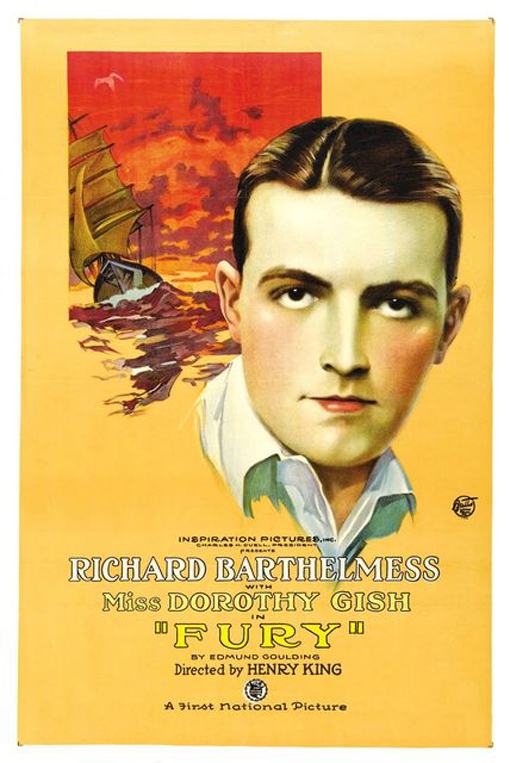
A definitive 7/10 rating for a film that redefined the boundaries of cult cinema. Fury remains a cornerstone of transgressive art.
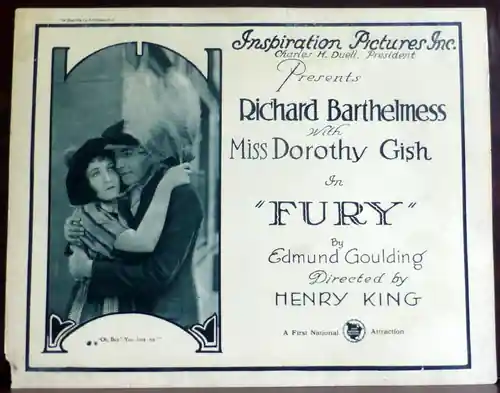
The 1925 silent drama Fury arrives like a weathered manuscript, its pages inked with the stark austerity of a patriarchal regime and the tender flicker of forbidden love. Directed by Edmund Goulding, the film unfolds in a stark maritime setting, where the relentless sea mirrors the turbulent emotions of its characters.
Pat Hartigan’s portrayal of Captain Leyton is a study in controlled ferocity. His gaunt visage, framed by a weather‑beaten beard, conveys a man whose identity is welded to the notion of strength. Leyton’s methods—early rising, grueling physical drills, and an almost religious rejection of sentiment—are not merely punitive; they are an ideological crusade against perceived weakness. This relentless training regimen, reminiscent of the militaristic ethos found in Where Is My Father?, serves as the crucible in which Boy, played by Barry Macollum, is forged.
The narrative pivot arrives when Boy intervenes to shield his sweetheart, Minnie (Jessie Arnold), from a public humiliation. This act of defiance ignites Leyton’s fatal heart attack, a moment rendered with a haunting elegance by Goulding’s use of chiaroscuro lighting. The camera lingers on Leyton’s pallid hand clutching his chest, the shadows deepening as his life ebbs away. The scene is a visual echo of the tragic climax in The Devil (1921), where a single act of bravery precipitates an irreversible downfall.
In his last breath, Leyton bequeaths a grim edict: Boy must avenge his mother’s desertion, a betrayal that stains the family’s honor. The weight of this charge hangs over Boy like a storm cloud, compelling him to navigate a treacherous moral landscape. The script, penned by Goulding, deftly intertwines duty and desire, presenting Boy’s quest as both a filial obligation and a personal odyssey toward self‑actualization.
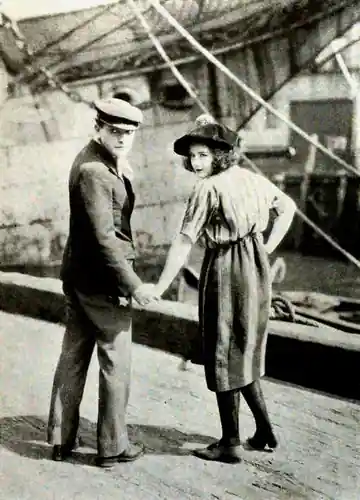
Boy’s journey leads him to a remote coastal village where his mother, portrayed with melancholy poise by Emily Fitzroy, resides. The reunion is fraught with suppressed anguish; her eyes betray a lifetime of regret, while her words remain cloaked in restraint. The revelation that her lover is Morgan (Tyrone Power Sr.), Ley Leyton’s erstwhile first mate, adds a layer of betrayal that reverberates through the film’s thematic core. The confrontation between Boy and Morgan unfolds on a rickety pier, the sea’s roar underscoring the tension. In a moment of visceral catharsis, Boy hurls Morgan overboard, an act that is both literal and symbolic—casting off the shackles of past treachery.
The film’s denouement sees Boy returning to Minnie, the couple’s wedding bathed in a palette of deep orange and amber hues, evoking the warm glow of a hopeful sunrise. The final tableau is a testament to the resilience of love amid the wreckage of vengeance. The cinematography, employing soft focus and strategic lighting, imbues the scene with a dreamlike quality reminiscent of the romantic closure in The Love Tyrant.
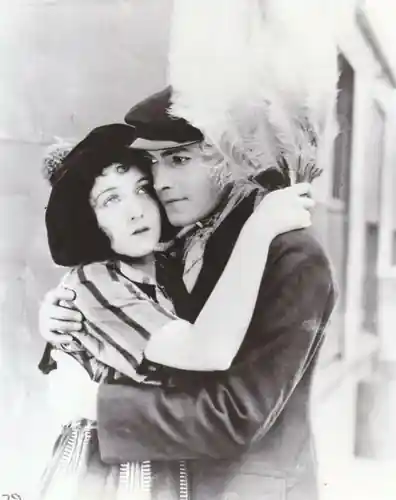
Pat Hartigan’s Captain Leyton is a masterclass in silent-era gravitas. His eyes, often narrowed to a sliver, convey a volatile mix of pride and desperation. Barry Macollum’s Boy is equally compelling; his physicality—muscular yet vulnerable—captures the paradox of a man molded by brutality yet yearning for tenderness. Jessie Arnold’s Minnie, though limited by the era’s gender conventions, radiates an inner strength that subtly challenges the patriarchal order.
Goulding’s direction is marked by a meticulous composition of frames. The use of sea‑level shots juxtaposes the vast, indifferent ocean against the intimate human drama unfolding on shore. The film’s pacing, deliberate yet unhurried, allows each emotional beat to resonate. Notably, the storm sequence—where lightning slashes across the night sky as Boy confronts Morgan—evokes the visceral intensity of Die Jagd nach dem Tode, reinforcing the thematic motif of nature as an indifferent arbiter of fate.
At its heart, Fury interrogates the corrosive nature of honor when it becomes a weapon rather than a virtue. Leyton’s obsession with eradicating weakness breeds a cycle of violence that ultimately consumes him. Boy’s transformation—from a dutiful son to an avenger—poses the question: does retribution restore honor, or does it perpetuate the very decay it seeks to eradicate? The film’s resolution suggests a tentative redemption, yet the lingering shadows hint at unresolved trauma, a narrative choice that aligns with the moral ambiguity explored in The Question (1917).
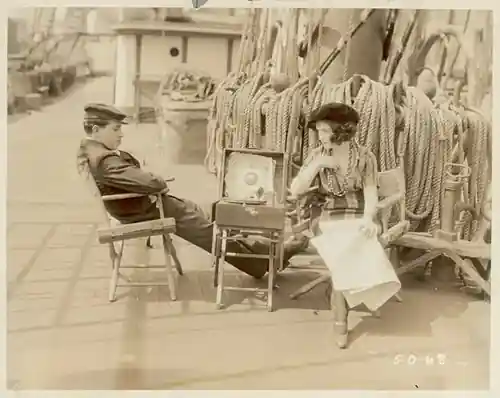
The production design captures the austere beauty of a fishing village, with weathered wooden docks, tattered sails, and fog‑laden mornings. The set’s authenticity grounds the story, while the use of stark black‑and‑white contrast accentuates the emotional dichotomies—light versus darkness, love versus hatred. The occasional splash of color—particularly the deep orange of the wedding attire—serves as a visual cue for narrative turning points, echoing the strategic color motifs employed in modern cinema.
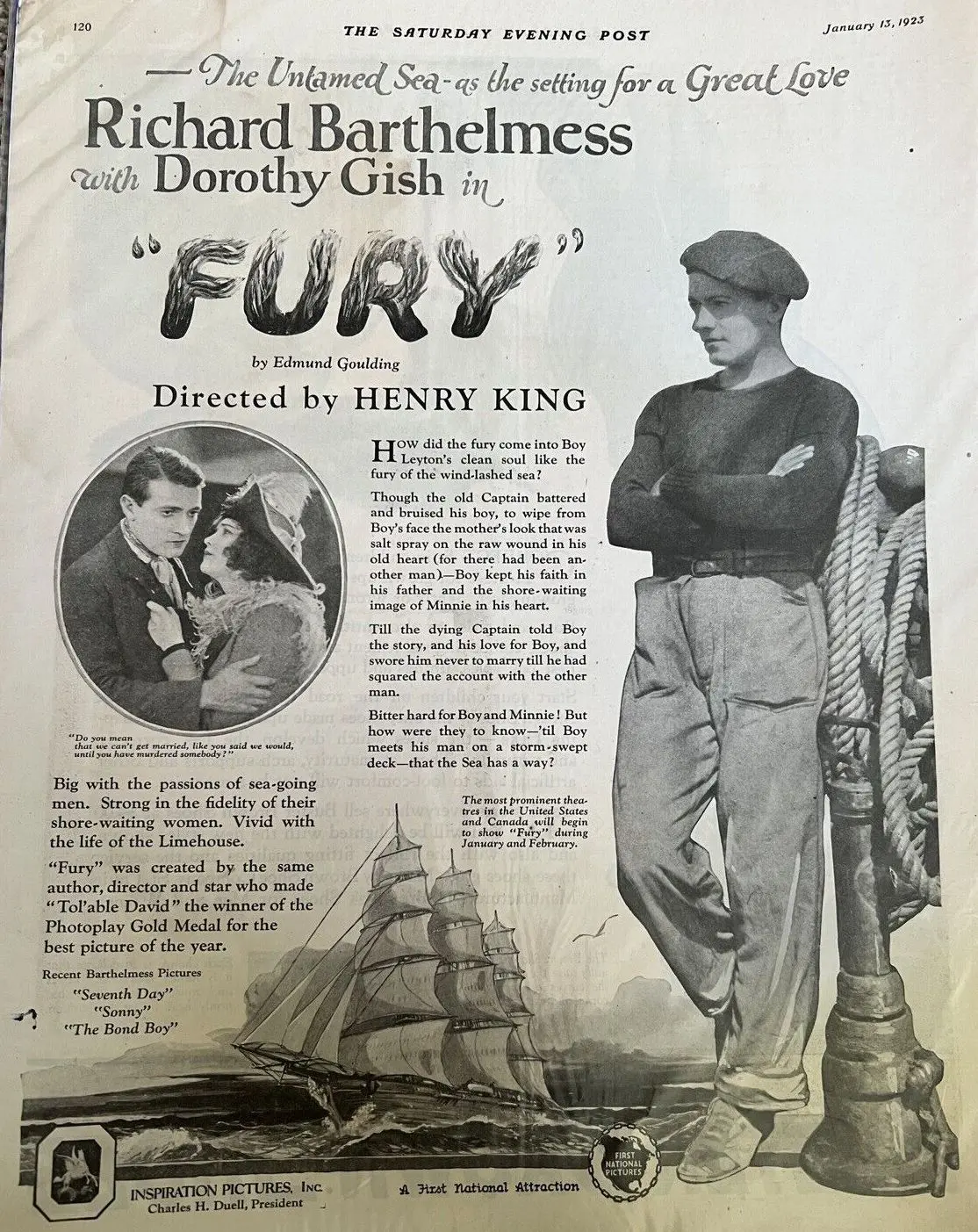
Released in the mid‑1920s, Fury arrived at a time when silent film was experimenting with complex character studies beyond the slapstick comedy of earlier years. Its focus on psychological depth predates the more overtly expressionist works of the late 1920s, positioning it as a transitional piece that bridges melodrama and the nascent film noir sensibility. While it never attained the iconic status of contemporaries like The Devil, its nuanced exploration of familial duty and moral ambiguity has earned it a modest cult following among silent‑film aficionados.
The thematic undercurrents of Fury find resonance in later works such as Redemption, where the protagonist’s quest for atonement mirrors Boy’s journey. Moreover, the film’s portrayal of a domineering father figure prefigures the complex paternal dynamics seen in Un romance argentino. These intertextual threads underscore Goulding’s influence on narrative structures that interrogate the intersection of personal honor and societal expectations.
Although a silent film, the original score—performed live in theaters—utilized a blend of maritime shanties and somber strings, underscoring the film’s duality of rugged seafaring life and internal emotional turmoil. Modern restorations have paired the visual with a newly commissioned orchestral arrangement, preserving the film’s atmospheric integrity while enhancing its emotional resonance for contemporary audiences.
In the pantheon of silent cinema, Fury stands as a compelling testament to the power of visual storytelling. Its intricate character arcs, striking use of color symbolism within a monochrome framework, and unflinching examination of patriarchal oppression render it a film that rewards repeated viewings. For scholars, cinephiles, and casual viewers alike, the film offers a rich tapestry of themes that continue to echo in modern narratives. As the sea continues its endless ebb and flow, so too does the film’s relevance persist—inviting each new generation to grapple with the timeless questions of honor, love, and the cost of vengeance.
IMDb —
1918
Community
Log in to comment.