DbcultAccessing Vault...
5.4/10
Senior Film Conservator
A definitive 5.4/10 rating for a film that redefined the boundaries of cult cinema. Ghosts remains a cornerstone of transgressive art.
There are films that merely entertain, and then there are those that etch themselves into the very fabric of one’s consciousness, leaving an indelible mark long after the credits roll. The film Ghosts is unequivocally of the latter variety. It’s not just a story; it’s a searing indictment, a profound philosophical query, and a breathtakingly raw portrayal of human fallibility and the relentless grip of fate. Adapted from Henrik Ibsen’s controversial play, this cinematic rendition plunges viewers into a world where societal conventions are a gilded cage, and the past is an inescapable, spectral presence, haunting every breath and every decision. From its opening frames, it establishes a tone of impending doom, a sense that the characters are merely puppets in a larger, more tragic design, their destinies irrevocably intertwined with secrets and transgressions. The narrative unfolds with a methodical, almost clinical precision, dissecting the psychological torment of its protagonists with an unflinching gaze that is both disturbing and deeply compelling. It’s a masterclass in dramatic tension, building a suffocating atmosphere of dread that culminates in a climax of unparalleled emotional devastation.
At the heart of this poignant drama is Helen, a woman whose life becomes a testament to the destructive power of ambition and the oppressive weight of societal expectations. Her initial yearning for Manders, a man of modest means but genuine affection, is tragically overridden by her parents' relentless pursuit of social advancement. They push her into the arms of Alving, a figure synonymous with wealth and power, but also with a notorious profligacy that hints at the moral rot beneath a polished exterior. This forced union is not merely a pragmatic decision; it’s a Faustian bargain, trading authentic love for a veneer of respectability. The film brilliantly illustrates how these decisions, seemingly made for the betterment of one’s station, instead become the very chains that bind and ultimately suffocate the spirit.
The moral compass of the narrative is initially held by the family physician, a character imbued with a nascent understanding of modern thought and the biological realities of consequence. His warnings about the perils of Helen marrying a man like Alving, particularly concerning the impact on future generations, are dismissed with a chilling casualness by Helen’s parents. They laugh at these “new-fangled notions,” preferring the comforting illusion of their entrenched values to the inconvenient truth. This dismissal is a pivotal moment, highlighting the entrenched ignorance and stubborn adherence to outdated beliefs that permeate their society. It’s a powerful commentary on how readily society can ignore scientific or ethical foresight when it conflicts with deeply held prejudices or self-serving interests. Even Alving himself, confronted by the physician's earnest pleas, scoffs with an arrogance born of privilege and impunity. This early defiance sets the stage for the tragic inevitability that follows, demonstrating how willful blindness paves the way for catastrophe. The tragic irony is that the very warnings they derided will manifest with horrifying precision, turning abstract fears into a tangible, agonizing reality. Helen, unfortunately, becomes an unwitting participant in her own undoing, swayed by parental ambition and perhaps a youthful naivety, disregarding the very counsel that could have spared her, and crucially, her son, from an unimaginable future.
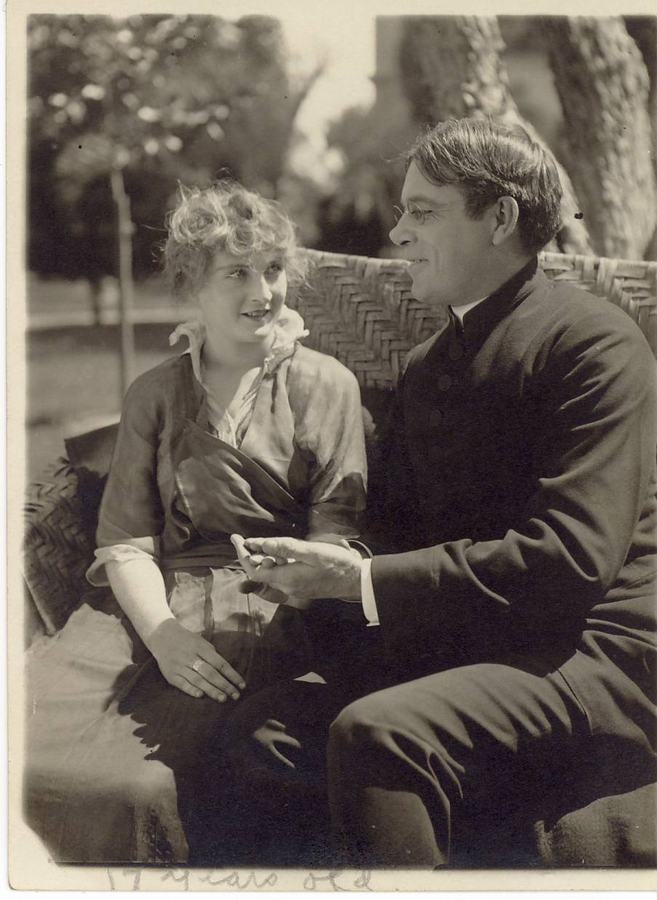
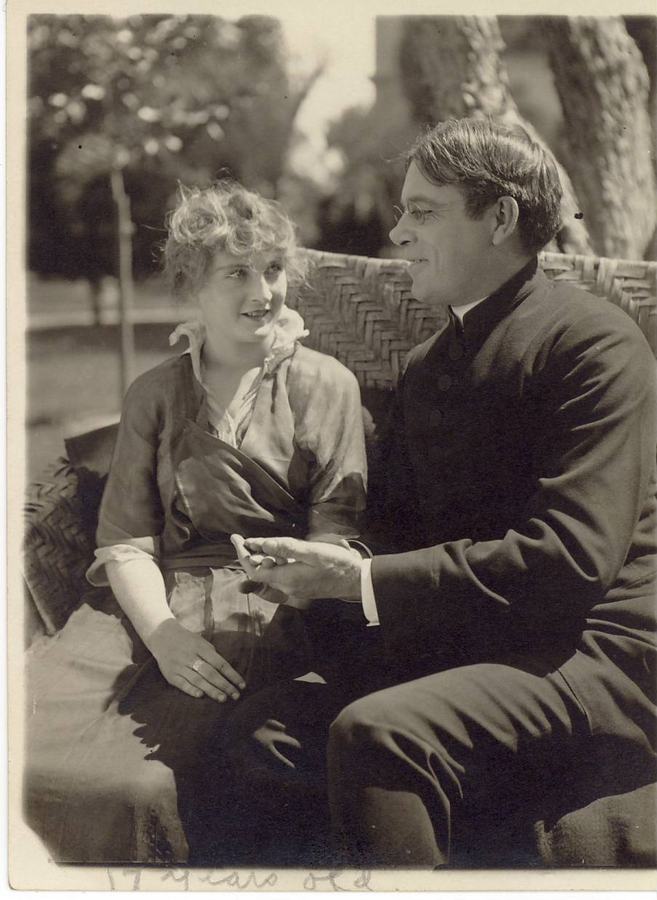
The film truly begins its descent into the abyss with Helen’s discovery of her husband Alving's infidelity. This isn't a mere dalliance; it's a profound betrayal, a clandestine affair with a young married woman that shatters the fragile illusion of her marriage. The subsequent birth of Alving’s illegitimate child further cements the grotesque reality of his moral depravity. Helen’s initial reaction — contemplating an escape from her suffocating union — is entirely understandable. She seeks solace and guidance, first from the physician, who, bound by a code of silence or perhaps a fear of societal reprisal, declines to offer definitive advice. Then, she turns to the pastor, a figure representing the very conventions that trapped her. His counsel is predictably rigid: adhere to your vows, maintain the facade, uphold the sanctity of marriage, regardless of the rot beneath. This moment is a stark illustration of the hypocrisy inherent in a society that values appearance over truth, and convention over genuine human suffering. Helen is left isolated, her personal anguish deemed less important than the preservation of a flawed social order.
What follows is a conspiracy of silence, a moral compromise that has far-reaching and devastating consequences. The physician, despite his earlier warnings, is drawn into the web, agreeing to bring Alving to see his illegitimate child and, more critically, to keep the true parentage a secret. This act of complicity, born perhaps of a misguided sense of duty or a desire to mitigate scandal, effectively buries the truth, allowing the seeds of future suffering to germinate in the darkness. It underscores a central theme of the film: the pervasive nature of deceit and how even well-meaning individuals can become entangled in its destructive threads. The quiet perpetuation of this secret creates a moral debt that will eventually be paid in full, and with horrifying interest, by the next generation. The burden of this hidden past becomes the titular "ghost," not merely a memory, but an active, corrosive force shaping the lives of the innocent. This intricate dance of secrets and moral compromises is reminiscent of the concealed anxieties explored in a film like Gems of Foscarina, where hidden truths similarly drive the narrative towards inevitable tragedy, or the moral quandaries faced in The Christian, though perhaps with a more cynical outcome here.
The narrative leaps forward, introducing Oswald, Helen’s son, a character whose very existence embodies the film's central tragedy. Born into this crucible of secrets, Oswald lives a life seemingly untainted, dedicating himself to the noble pursuit of art. Yet, the physician's dire predictions from years past begin to manifest in a chilling fashion: Oswald's mind shows subtle, then increasingly alarming, signs of affliction. Helen, initially clinging to the comforting delusion that her son’s clean living has somehow nullified the past, struggles to reconcile this emerging reality with her desired narrative. The doctor’s warnings, once dismissed as “silly,” now echo with terrifying clarity, forcing her to confront the grim truth: the sins of the father have indeed been visited upon the son. This slow, dawning realization is one of the most agonizing aspects of the film, as Helen watches her son, a vibrant artistic spirit, gradually succumb to an unseen, inherited blight.
In a desperate, almost frantic attempt to outmaneuver fate, Helen devises a plan that is both heartbreakingly misguided and tragically ironic. Believing a loving union might somehow redeem Oswald, she orchestrates a marriage between him and a sweet young girl – unbeknownst to her, the very daughter of Alving’s former paramour, Oswald’s half-sister. The innocent blossoming of love between Oswald and his unwitting fiancée is fraught with a terrible, unspoken irony, building a layer of dramatic tension that is almost unbearable. This segment of the film masterfully portrays the tragic irony of human endeavor: Helen's well-intentioned, albeit desperate, attempt to save her son only serves to draw him deeper into the very web of inherited misfortune she sought to escape. It's a testament to the inescapable nature of the past, a theme that resonates profoundly with other dramas of the era, such as The Undesirable, where social stigmas and hidden lineages similarly dictate tragic outcomes, or even the more allegorical A World Without Men in its exploration of societal constructs gone awry.
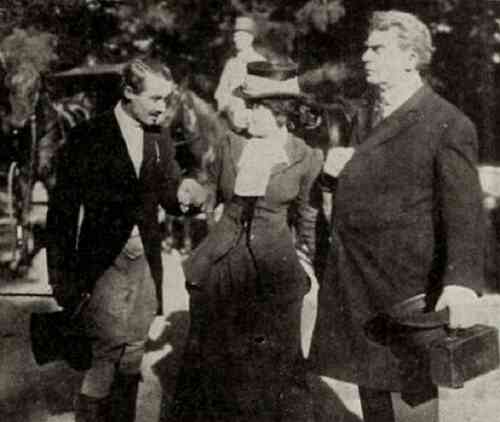
The moment of truth arrives with shattering force, triggered by the most innocuous of events: the wedding invitation. When the physician receives it, the weight of his long-held secret becomes unbearable. He realizes, with a crushing sense of duty and dread, that he can no longer remain silent. The truth, however painful, must be revealed to prevent an even greater tragedy. In a scene of profound emotional intensity, he discloses the devastating reality of Oswald’s parentage – and that of his bride-to-be – to Oswald, Helen, the young woman, and her father. This disclosure is not a gentle unburdening; it is an explosion that shatters lives and exposes the raw, festering wounds beneath years of carefully constructed facades. The physician, once a reluctant accomplice, becomes the unwitting architect of immediate, agonizing devastation, yet also the belated champion of truth, however brutal.
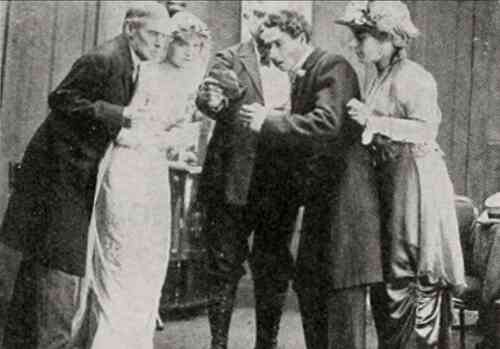
The fallout is immediate and catastrophic. Oswald, confronted with the horrifying reality of his inheritance and the incestuous nature of his love, plunges into a maelstrom of despair and self-destruction. His initial impulse, a noble if desperate attempt to protect the girl he loves from the tainted legacy, spirals into a bitter resentment. He grows to despise his father for the genetic curse he bestowed, and then, heartbreakingly, his mother for her complicity, for the past she allowed to embed itself so deeply within his very being. Helen, in turn, is forced to confront the full, horrifying truth of the physician's long-ago predictions. The slow, agonizing realization that her son's brain is gradually rotting, a direct consequence of the choices made decades earlier, is a torment almost beyond endurance. The young woman, her dreams of love shattered, retreats into the ascetic sanctuary of a convent, a poignant symbol of innocence irrevocably lost. This sequence is a masterclass in tragic realism, showcasing how the revelation of a single, long-buried truth can unravel an entire tapestry of lives, leaving only desolation in its wake. The grim inevitability echoes the moral downfall seen in Thais, where past transgressions similarly lead to profound suffering and spiritual reckoning.
The film's most profound and unsettling theme is the concept of inherited sin, or more accurately, inherited consequence. The "ghosts" of the title are not supernatural apparitions, but the indelible marks left by past actions, choices, and moral compromises. Alving's dissolute life, his casual disregard for fidelity and responsibility, manifests not as a moral stain on his own character, but as a physical and mental blight on his innocent son. This is a radical, almost revolutionary idea for its time, challenging the simplistic notions of individual accountability and instead positing a more complex, intergenerational chain of cause and effect. The film argues that societal hypocrisy, the insistence on maintaining appearances at the cost of truth, creates a fertile ground for these 'ghosts' to fester and ultimately consume the innocent. It's a stark reminder that our choices echo through time, impacting lives we may never even know. The film brilliantly portrays how secrets, rather than protecting, actually poison the future, turning what might have been a minor scandal into a full-blown tragedy of epic proportions. The tragic helplessness of Oswald, a young man of pure heart and artistic inclination, trapped by a biological fate he neither chose nor deserved, is profoundly moving and deeply disturbing.
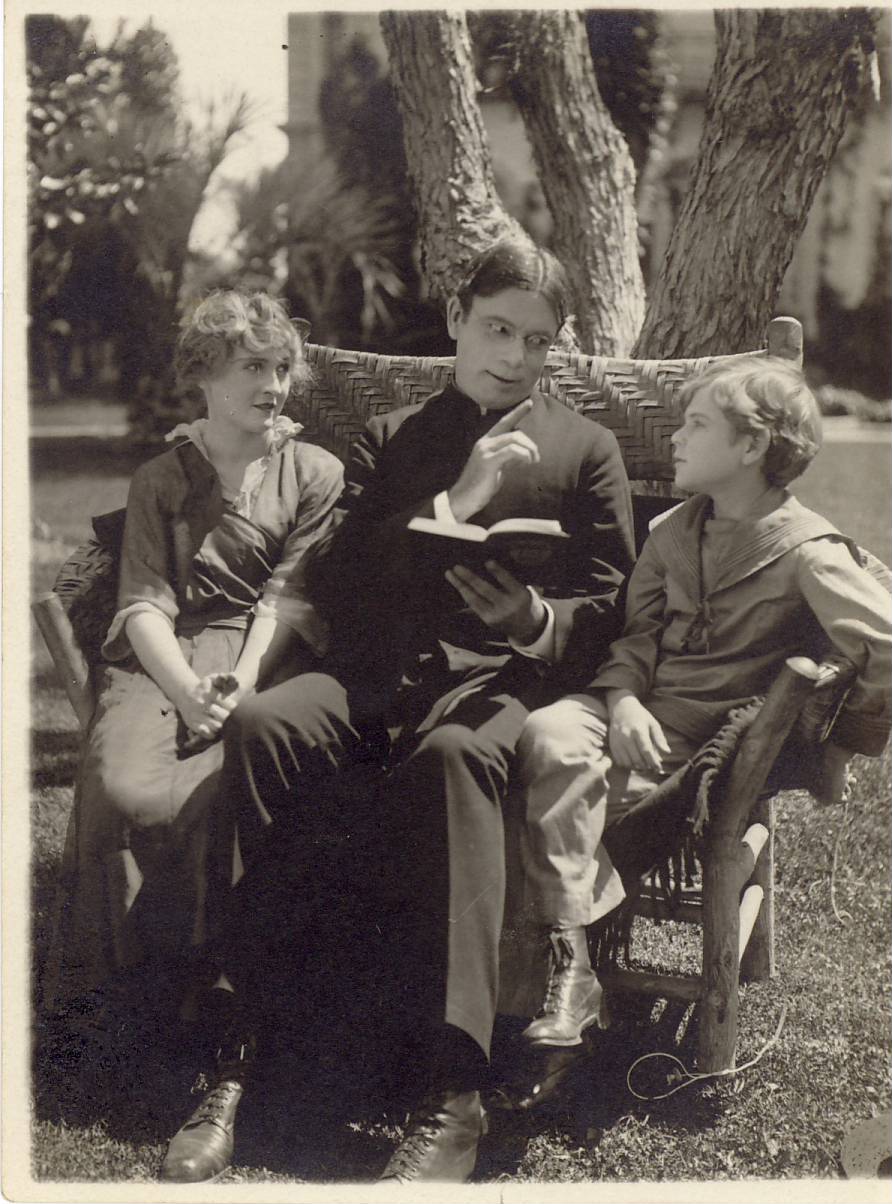
Beyond the personal tragedy, Ghosts offers a scathing critique of the institutions that perpetuate this cycle of suffering. The parents, driven by social ambition, embody the materialistic values of their class. The pastor, a representative of religious dogma, prioritizes convention and marital sanctity over compassion and truth. Even the physician, initially a voice of reason, becomes complicit in the deception, highlighting the pressures individuals face to conform. The film suggests that society itself, with its rigid codes and unspoken rules, is as much a villain as any individual character. It creates an environment where honesty is punished, and deceit is rewarded, at least superficially. This commentary on societal hypocrisy and the destructive nature of conventional morality resonates powerfully even today. It forces us to question the cost of maintaining a pristine facade when the foundations beneath are crumbling. This aspect of the film is particularly potent, drawing parallels with other works that scrutinize societal structures, such as Europäisches Sklavenleben, which likely explored the exploitation inherent in certain social systems, or Down with Weapons, in its protest against destructive human choices.
The film reaches its agonizing crescendo as Oswald’s condition deteriorates. Faced with the oncoming insanity, he makes a chilling, desperate choice: he fortifies himself with poison, a final act of agency against a fate he cannot escape. The scene where Helen finds him, paralyzed and playing with sunbeams, is one of profound, almost unbearable pathos. It's a moment of chilling innocence juxtaposed with the encroaching darkness, a child-like regression that underscores the utter devastation wrought upon his mind. Her frantic dash for the pastor, a desperate plea for spiritual solace in a world devoid of hope, is a futile gesture. During her brief absence, Oswald, in his final moments of lucidity or instinct, succeeds in reaching the poison. Mother and pastor return only to find him dead, the tragic prophecy fulfilled, the cycle of suffering complete.
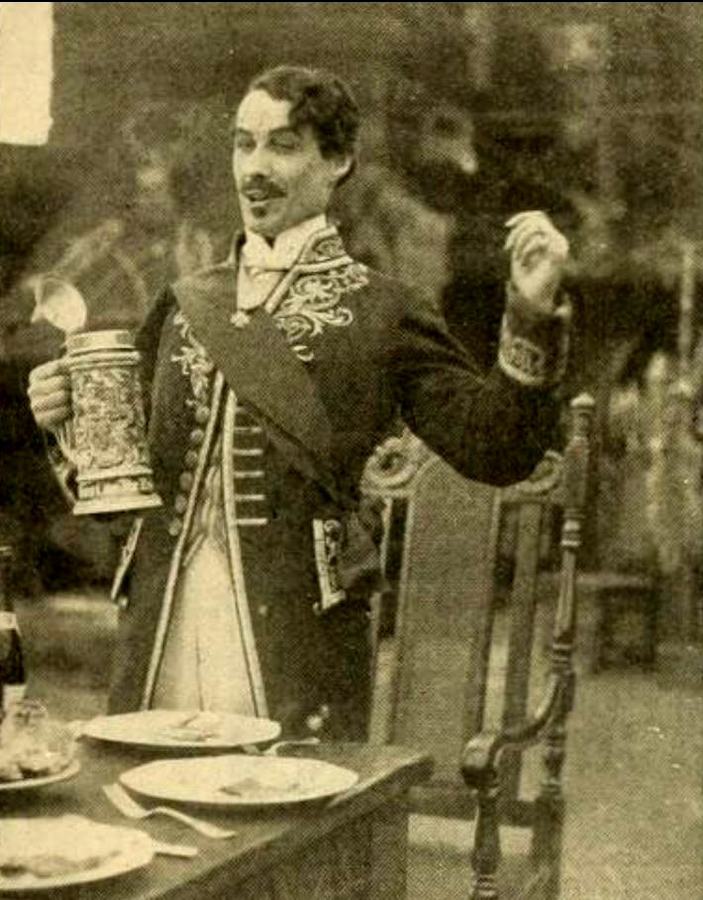
Helen's final turn to the pastor, her only hope of consolation amidst the ruins of her life, is a testament to the human need for meaning, even when all meaning seems to have vanished. It’s a bleak, yet strangely human ending, suggesting that even in the face of unimaginable loss, the search for comfort, however elusive, persists. The film doesn't offer easy answers or saccharine resolutions; instead, it leaves the audience to grapple with the profound questions it raises about morality, responsibility, and the inescapable legacy of the past. The raw, unvarnished emotionality of these final scenes is what truly elevates Ghosts from mere melodrama to a work of enduring tragic art. The performances, particularly that of Loretta Blake as Helen and Henry B. Walthall as Oswald, must have been nothing short of transformative, conveying the crushing weight of their characters’ suffering with a visceral intensity that transcends the limitations of the silent era. The supporting cast, including Thomas Jefferson and Erich von Stroheim, would undoubtedly have lent gravitas to the ensemble, creating a tapestry of human folly and despair.
In conclusion, Ghosts is far more than a historical artifact; it is a timeless exploration of themes that continue to resonate with chilling relevance. Its unflinching portrayal of inherited consequence, societal hypocrisy, and the devastating impact of buried truths makes it a powerful and profoundly moving cinematic experience. It challenges viewers to look beyond the surface, to question the conventions they blindly accept, and to consider the long shadow that past actions cast upon the present and future. The film, in its stark realism and uncompromising vision, stands as a monumental achievement, a testament to the enduring power of drama to expose uncomfortable truths and provoke deep introspection. It reminds us that sometimes, the most terrifying specters are not those that lurk in the shadows, but those that reside within us, the indelible marks of a past we desperately try to outrun, yet can never truly escape. Just as Pierre of the Plains might have explored the rugged individualism against harsh realities, Ghosts delves into the internal landscape of inherited suffering with an equally compelling, albeit far more somber, gaze. Its legacy is not just in its dramatic impact, but in its continuing ability to hold a mirror up to society, reflecting the 'ghosts' that still haunt our collective consciousness.
IMDb 5.8
1937
Community
Log in to comment.