DbcultAccessing Vault...
6.1/10
Senior Film Conservator
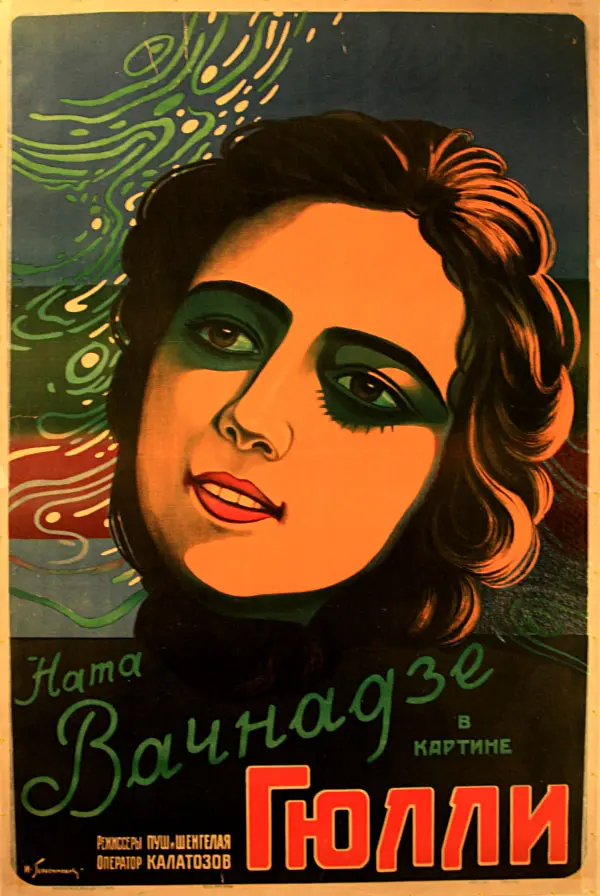
A definitive 6.1/10 rating for a film that redefined the boundaries of cult cinema. Giuli remains a cornerstone of transgressive art.
Short answer: yes, but only if you are a dedicated enthusiast of silent cinema and cultural history. This is not a film for those seeking the fast-paced thrills of modern drama; it is a slow-burn tragedy for those who appreciate visual storytelling in its purest, most raw form.
This film is for the cinephile who wants to see the roots of the Georgian cinematic identity. It is NOT for the casual viewer who finds silent-era melodrama or ethnographic pacing tedious.
1) This film works because of the incredible collaboration between director Nikoloz Shengelaia and cinematographer Mikhail Kalatozov, creating a visual language that feels decades ahead of its time.
2) This film fails because the narrative relies heavily on the 'doomed lovers' trope, which can feel repetitive for those who have seen similar stories like A Daughter of the Law.
3) You should watch it if you want to witness the luminous screen presence of Nato Vachnadze, arguably the greatest star of early Soviet cinema.
Long before Mikhail Kalatozov would win the Palme d'Or for 'The Cranes Are Flying,' he was honing his craft on the rocky slopes of Georgia. In Giuli, his camera does not just observe; it participates in the tragedy. There is a specific scene where the lovers meet in secret, and the lighting is so stark, so high-contrast, that it emphasizes the physical barrier of the shadows surrounding them. It is a masterclass in using light as a narrative tool.
Unlike the more traditional compositions found in The Girl of the Golden West, Giuli uses the landscape as an antagonist. The mountains are not beautiful vistas; they are jagged, grey walls that hem the characters in. The cinematography captures the texture of the stone and the dust of the roads with a tactile quality that makes the struggle feel physical. You can almost feel the grit in your teeth.
The pacing is deliberate. It is slow. But it is purposeful. Every shot is held just a second longer than you expect, forcing you to sit with the discomfort of the characters' situation. It works. But it’s flawed in its insistence on gravity.
Nato Vachnadze, playing the titular Giuli, carries the emotional weight of the entire film on her shoulders. While many silent film actors relied on exaggerated gesticulation, Vachnadze is surprisingly subtle. Look at the scene where she decides to leave her family. There is no frantic weeping. Instead, there is a stillness in her eyes that communicates more than a thousand title cards ever could.
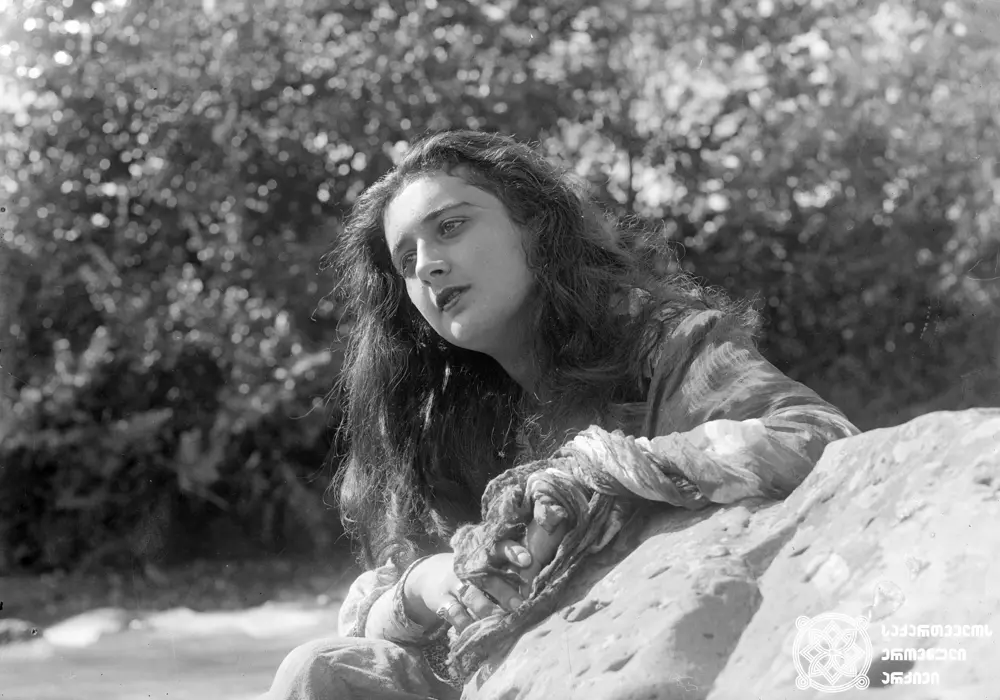
Her performance stands in stark contrast to the more theatrical styles seen in films like Wilhelm Tell or Mind the Paint Girl. She brings a modern sensibility to a 1927 production. She isn't just a victim of circumstance; she is a woman making a conscious, albeit doomed, choice. This agency makes the eventual failure of their escape even more painful to witness.
Dimitri Kipiani, as Mitro, provides a solid anchor for Vachnadze’s performance. Their chemistry is believable, which is essential for a film where the stakes are so high. If you don't believe in their love, the tragedy falls flat. Thankfully, their shared scenes are filled with a quiet intensity that justifies their reckless flight.
Giuli was produced during a time of significant social upheaval in the Soviet Union. The film serves a dual purpose: it is a romantic tragedy, but it is also a critique of the 'old ways.' The conflict between the Azeri and Georgian traditions is presented not just as a religious difference, but as a systemic failure of humanity to see past tribalism.
There is an unconventional observation to be made here: the film suggests that the tragedy isn't just the lovers' failure to escape, but the community's failure to allow them to exist. The 'villain' of the film isn't a single person; it is the collective pressure of the village elders. This makes the film feel incredibly modern, echoing themes found in Adam's Rib regarding the societal roles of women and the friction of progress.
The script, co-written by a powerhouse team including Lev Push and Mikhail Kalatozov himself, avoids the easy out of a happy ending. In an era where many films were forced to provide optimistic 'socialist realist' conclusions, Giuli remains stubbornly, refreshingly bleak. It refuses to lie to the audience about the cost of rebellion.
For those interested in the evolution of cinema, Giuli is an essential watch. It represents a bridge between the ethnographic documentaries of the early 20th century and the highly stylized avant-garde movements of the 1930s. It is a film that demands your full attention and rewards it with some of the most striking imagery of the silent era.
However, it is not an easy watch. The themes of cultural isolation and the inevitable march toward tragedy can be draining. If you are looking for something lighter, perhaps Greased Lightning or Boys Will Be Boys would be more your speed. But if you want to see a film that leaves a mark on your soul, Giuli is the choice.
Pros:
Cons:
Giuli (1927) is a stone-cold classic of Georgian cinema that deserves to be spoken of in the same breath as the great silent tragedies of Europe. While it shares some thematic DNA with Stranded or Lest We Forget, its specific cultural context and the burgeoning genius of Kalatozov give it a unique, sharp edge. It is a brutal, beautiful, and deeply moving experience. It isn't just a movie; it’s a monument to a time and a struggle that still resonates today. Watch it for the history, stay for the heartbreak.
IMDb —
1917
Community
Log in to comment.