DbcultAccessing Vault...
Cult Review
Senior Film Conservator
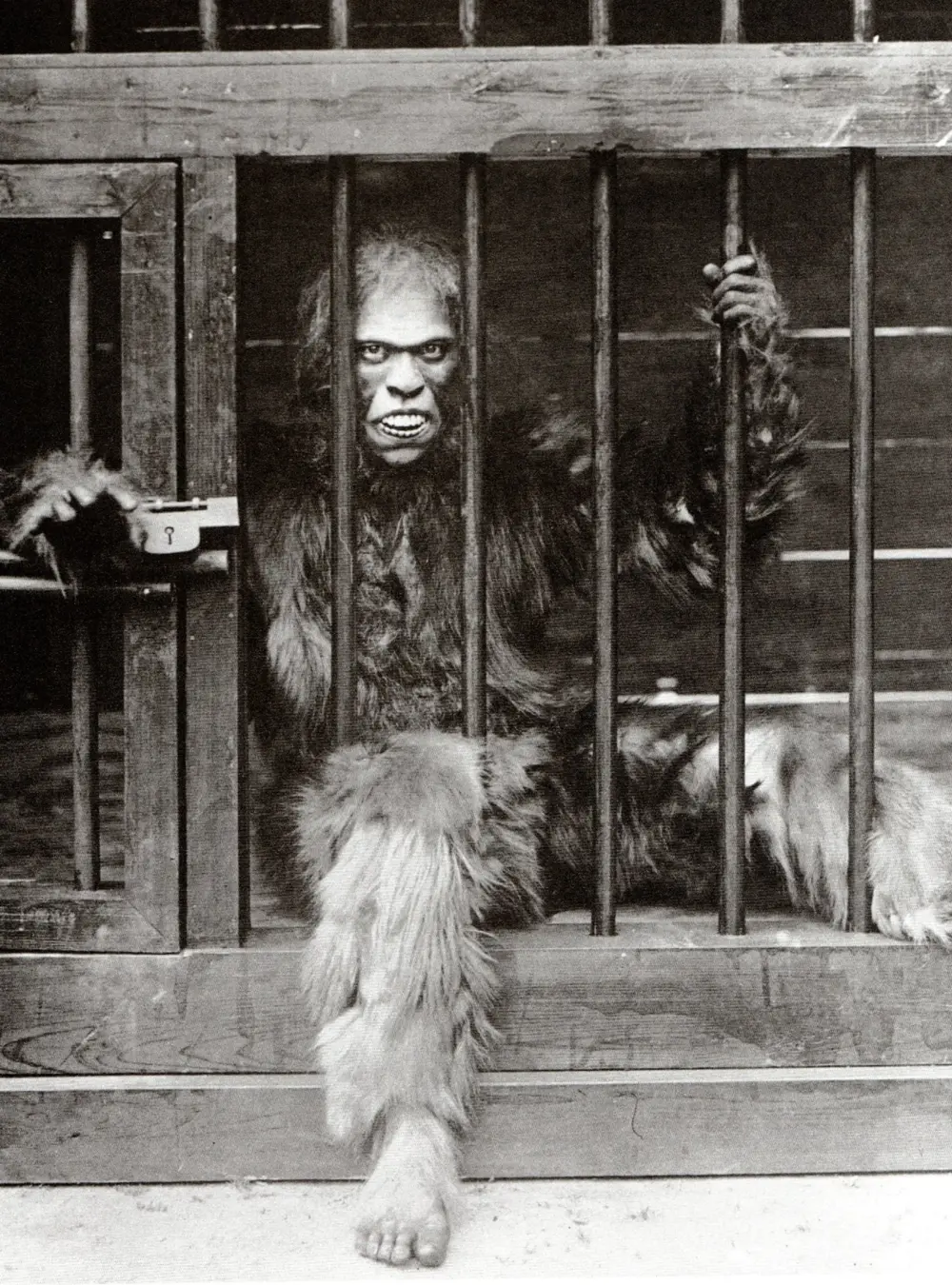
Is Gorira worth watching today? Short answer: yes, but with significant caveats that demand a specific kind of viewer. This film is a fascinating, if imperfect, relic that offers a visceral experience for those willing to engage with its dated mechanics and profound thematic ambitions.
It’s a film for audiences who appreciate the raw, unpolished energy of early creature features and find value in stories that wrestle with humanity’s destructive impact on nature. However, it is decidedly not for viewers seeking sleek modern CGI, fast-paced action, or morally unambiguous heroes. Its deliberate pacing and often grim tone might deter those accustomed to contemporary blockbuster sensibilities.
In the pantheon of creature features, Gorira occupies a peculiar, often overlooked, yet undeniably potent space. Released at a time when cinema was still grappling with its capacity to portray the monstrous, this film attempts a delicate balance between thrilling spectacle and somber ecological commentary. It’s a film that demands patience, offering its rewards not in cheap jump scares, but in a gradual, unsettling build-up of tension and a stark reflection on human hubris.
The film opens with an almost ethnographic feel, establishing a world far removed from civilization. Dr. Kenji Tanaka, portrayed with a compelling mix of ambition and intellectual fervor by Ryūzaburō Mitsuoka, is our flawed protagonist. His journey into the heart of a remote island’s jungle is painted not just as a scientific expedition, but as a descent into a primal realm where human rules hold little sway. Mitsuoka imbues Tanaka with a driven intensity that borders on fanaticism, making his eventual moral reckoning all the more impactful.
The supporting cast, while less central, provides crucial anchors to Tanaka’s escalating obsession. Tokijiro Kataoka as Captain Sato offers a grounded, often cynical counterpoint, his military pragmatism clashing with Tanaka’s academic idealism. His performance, though understated, conveys the weary resignation of a man who has seen too much of humanity’s folly. Atsushi Takada, as the idealistic young Dr. Lena Suzuki, serves as the audience’s moral compass, her initial awe giving way to horror as the expedition’s true destructive potential unfurls.
What truly sets Gorira apart from its contemporaries, like say, the more straightforward monster-on-the-loose narrative of The Great White Silence (if we imagine it as a creature feature), is its commitment to atmosphere over overt action for much of its runtime. The jungle itself becomes a character, a suffocating, vibrant entity that constantly reminds the human intruders of their insignificance. Cinematography plays a pivotal role here, utilizing deep focus and stark contrasts to emphasize the oppressive beauty and inherent danger of the environment.
This film works because it crafts an immersive, unsettling atmosphere that genuinely makes you feel the dread of the unknown, bolstered by a surprisingly nuanced central performance. This film fails because its pacing can be glacial, and some of the creature effects, while ambitious for their time, struggle to maintain suspension of disbelief in crucial moments. You should watch it if you appreciate slow-burn monster movies with a strong environmental message and don't mind a rough-around-the-edges aesthetic.
The direction, while not flashy, is remarkably effective in building suspense. The initial encounters with evidence of Gorira's presence—massive footprints, broken trees, guttural roars echoing through the dense foliage—are handled with a restrained hand. This build-up allows the audience to project their fears onto the unseen, making the eventual reveal of the creature all the more impactful, even if the practical effects occasionally betray the illusion.
There's a scene where the expedition stumbles upon a clearing, and the silence is broken only by the chirping of unseen insects. Suddenly, a massive tree crashes down just meters from them, a testament to Gorira's unseen power. This moment, devoid of any direct visual of the creature, is arguably more terrifying than any of the later, more explicit confrontations. It showcases a confident director who understands the power of suggestion.
The pacing, a frequent point of contention among viewers, is undeniably deliberate. Gorira takes its time to establish the characters, their motivations, and the increasingly perilous environment. This slow burn allows the thematic concerns—man's arrogance, nature's indifference, the devastating consequences of greed embodied by Ryûnosuke Kumoi's chillingly effective poacher, Koga—to marinate. Koga is not a cartoon villain; he's a manifestation of human exploitation, cold and calculating, a stark contrast to Tanaka's scientific curiosity.
The tone is consistently somber, almost elegiac. Even moments of scientific discovery are tinged with an underlying sense of foreboding. The film never shies away from the brutal reality of the jungle, nor the potential for humanity's destructive impulses. It's a challenging watch, not because of its gore, but because of its relentless portrayal of encroaching doom.
Ryūzaburō Mitsuoka's portrayal of Dr. Tanaka is the emotional core of Gorira. He’s not simply a hero or a villain but a deeply flawed man whose intellectual curiosity blinds him to the ethical implications of his actions. His transformation from an arrogant explorer to a man haunted by the destruction he has wrought is nuanced. One particular scene, where he stares into the eyes of the injured Gorira, conveys a profound shift – a recognition of shared sentience and immense regret – without a single line of dialogue.
Aiko Hanamura, as Elder Aya, brings a quiet dignity and spiritual weight to the narrative. Her warnings are not theatrical pronouncements but gentle, yet firm, assertions of a wisdom that transcends scientific understanding. Her scenes provide a vital counterpoint to the expedition's relentless march forward, reminding both the characters and the audience of the sacredness of the natural world.
The interaction between Tanaka and Aya, particularly when she describes Gorira not as a beast but as a guardian spirit, is a powerful moment. It’s here that the film elevates itself beyond a simple monster movie, delving into themes of cultural respect and humanity’s place within, rather than above, the ecosystem. This conversation, though brief, echoes throughout the film's tragic climax.
One surprising observation is how the film uses sound design to amplify its horror. The roars of Gorira are not just loud; they are guttural, primal, often accompanied by the rustling of unseen movement through the dense canopy. It’s an auditory assault that bypasses the limitations of the visual effects, tapping directly into a deep-seated fear of the unknown. Unlike some of its contemporaries, like the more bombastic Ride for Your Life, Gorira understands that what you hear can often be more terrifying than what you see.
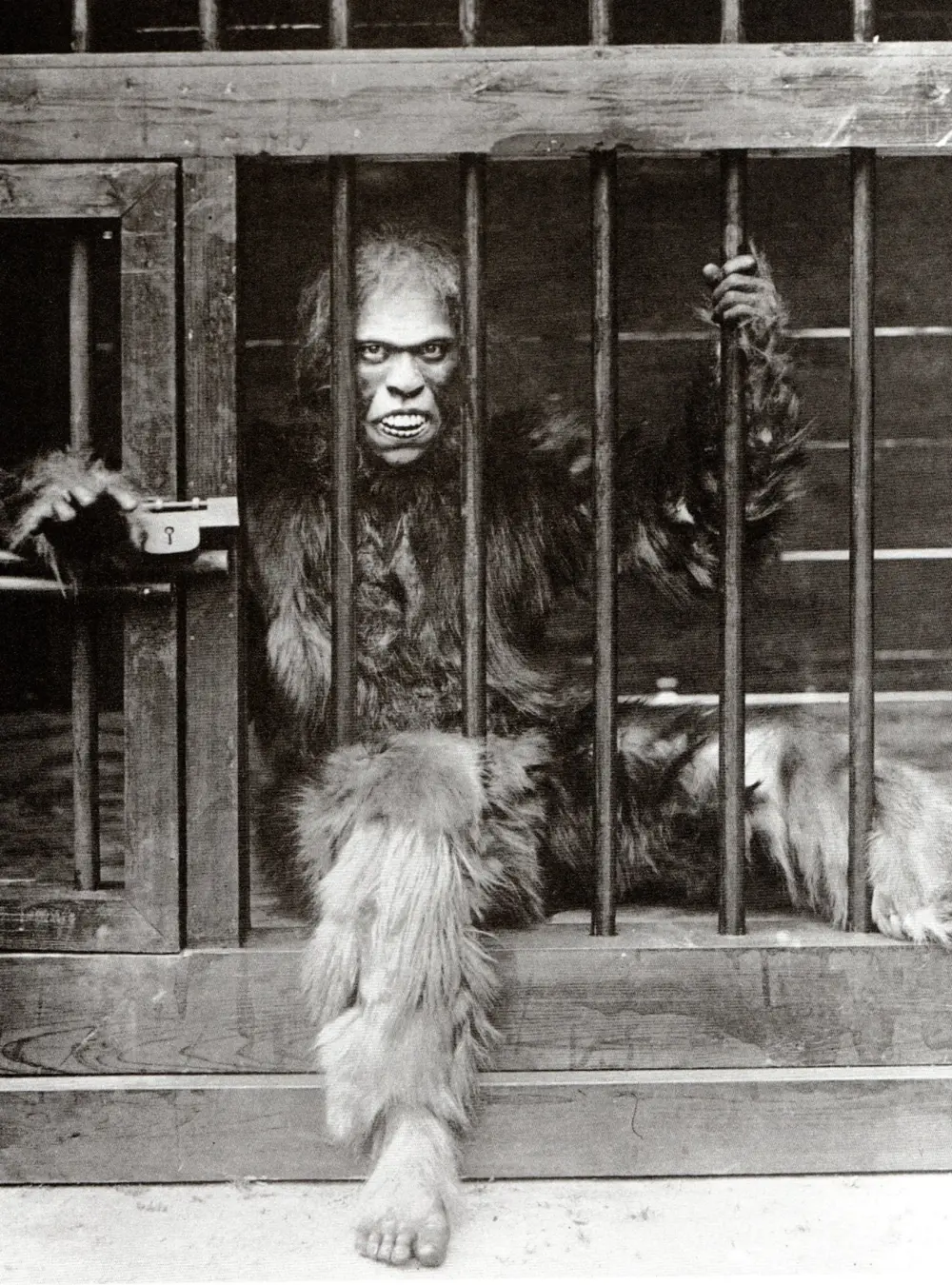
However, it’s not without its faults. The creature design, while ambitious, does suffer from the technological limitations of its era. There are moments when Gorira moves with an unnatural stiffness, pulling you out of the immersion. This is particularly noticeable during the more extensive action sequences, where the illusion occasionally falters. It works. But it’s flawed.
Furthermore, the character of Tokiko Imamura, as Tanaka's assistant, feels somewhat underdeveloped. While she provides a competent presence, her emotional arc is largely overshadowed by the dominant narrative threads. A stronger integration of her perspective might have added another layer to the expedition's moral quagmire.
To call Gorira a ‘lost classic’ might be too strong a claim for a film that has such evident rough edges. However, it is undeniably a film with a unique voice and a thematic depth that transcends its genre limitations. It’s a challenging watch, one that rewards patience and a willingness to look past its technical shortcomings.
The film’s central message about humanity’s destructive footprint, particularly concerning the exploitation of natural resources and indigenous cultures, resonates even more powerfully today. The tragedy of Gorira is not just the creature's fate, but the inevitable collision course humanity sets itself on when it fails to respect the delicate balance of the world. This is a film that provokes thought long after the credits roll, a rarity in any era of cinema.
It's a brutal, honest look at the consequences of scientific hubris and unchecked greed. The ending, far from being a triumphant victory, is a poignant, almost melancholic reflection on loss and the irreversible damage inflicted by human intervention. This refusal to offer a simple, feel-good resolution is one of its most commendable, and perhaps most divisive, qualities.
Gorira is a film that defies easy categorization. It’s not a flawless triumph, nor is it a forgotten failure. Instead, it stands as a testament to ambitious, if imperfect, filmmaking that dared to blend creature feature thrills with profound environmental and ethical questions. Its impact is less about the spectacle and more about the unsettling questions it raises regarding humanity's dominion over nature. For those who appreciate cinema that challenges rather than simply entertains, and who can look past the limitations of its era, Gorira offers a rich, thought-provoking experience that resonates with a disturbing relevance even today. It's a film that earns its place in the conversation, not as a perfect product, but as a bold, flawed, and ultimately powerful statement.

IMDb 7
1915
Community
Log in to comment.