DbcultAccessing Vault...
Cult Review
Senior Film Conservator
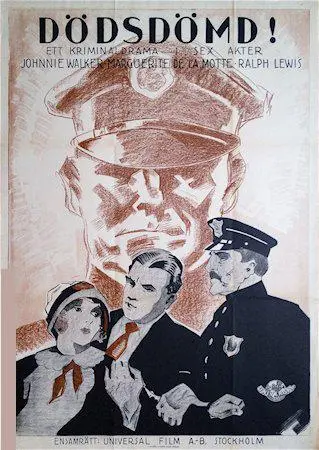
Is Held by the Law worth watching today? Short answer: yes, but primarily for those who appreciate the skeletal remains of the modern legal thriller and the raw emotionality of silent-era performance. It is a film for the cinematic historian and the fan of 'wrong man' tropes, while it is decidedly not for anyone who requires high-octane action or the forensic complexity of a modern procedural.
This film exists in a space where the law is not a shield, but a blunt instrument. It forces the audience to confront a terrifying reality: that the truth is often less important than the appearance of guilt. Unlike more whimsical films of the era like The Busher, this narrative dives into the grim mechanics of the state-sanctioned execution of an innocent man.
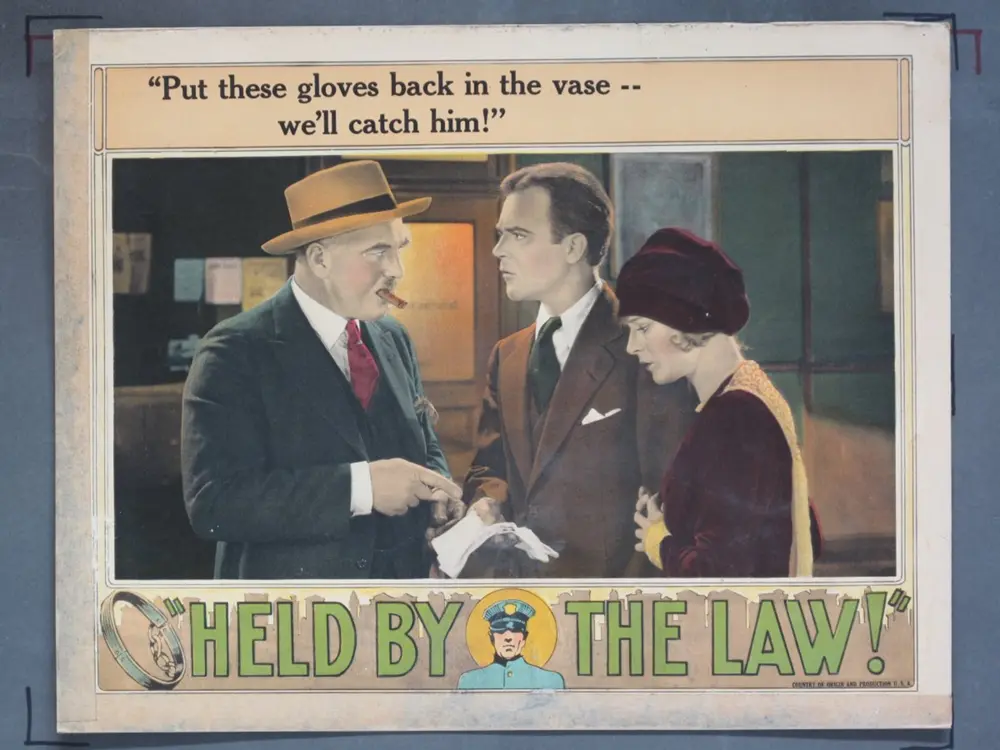
1) This film works because it transforms a domestic tragedy into a high-stakes race against the clock without losing its emotional core.
2) This film fails because the antagonist's eventual reveal feels more like a convenience of the script than a logical deduction.
3) You should watch it if you want to see how early cinema used the courtroom as a stage for high-intensity melodrama.
The opening of Held by the Law is a masterclass in tonal shifting. We begin with the warmth of an engagement party—a scene of communal joy that feels almost suffocating in its optimism. When the elder Sinclair is shot, the transition from celebration to crime scene is handled with a jarring, effective simplicity. The camera doesn't linger on the gore; it lingers on the eyes of the survivors.
Tom Sinclair’s decision to testify against his future father-in-law is the film’s most provocative moment. It isn’t an act of malice, but an act of reflexive honesty that proves catastrophic. This creates a psychological tension that many modern films fail to replicate. Tom isn't a hero in the first act; he is a witness whose narrow perspective creates a nightmare. It reminds me of the moral complexities found in Adam's Rib, though the stakes here are significantly more lethal.
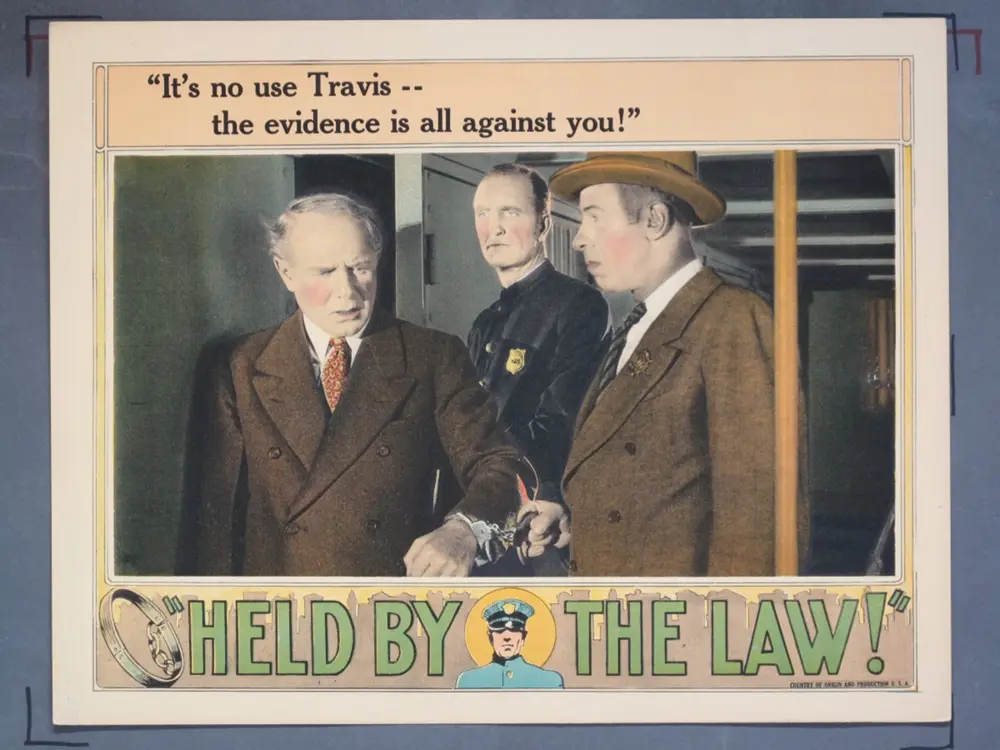
The pacing in the middle act is where the film tests the viewer’s patience. As the trial progresses, the film leans heavily into the legal jargon of 1923. However, for those interested in the history of the courtroom drama, these scenes are invaluable. They show a legal system that is fast, efficient, and horrifyingly prone to error. It is a stark contrast to the more adventurous spirit of Man of Might.
Held by the Law is worth watching because it provides a visceral look at the anxiety of the 1920s regarding the fallibility of the justice system. It captures a specific type of urban dread that was prevalent in the silent era. If you are a fan of early crime fiction or want to see the roots of the 'innocent man on death row' subgenre, this is an essential viewing. It remains a potent example of how silent film could convey complex legal and moral dilemmas through visual storytelling alone.
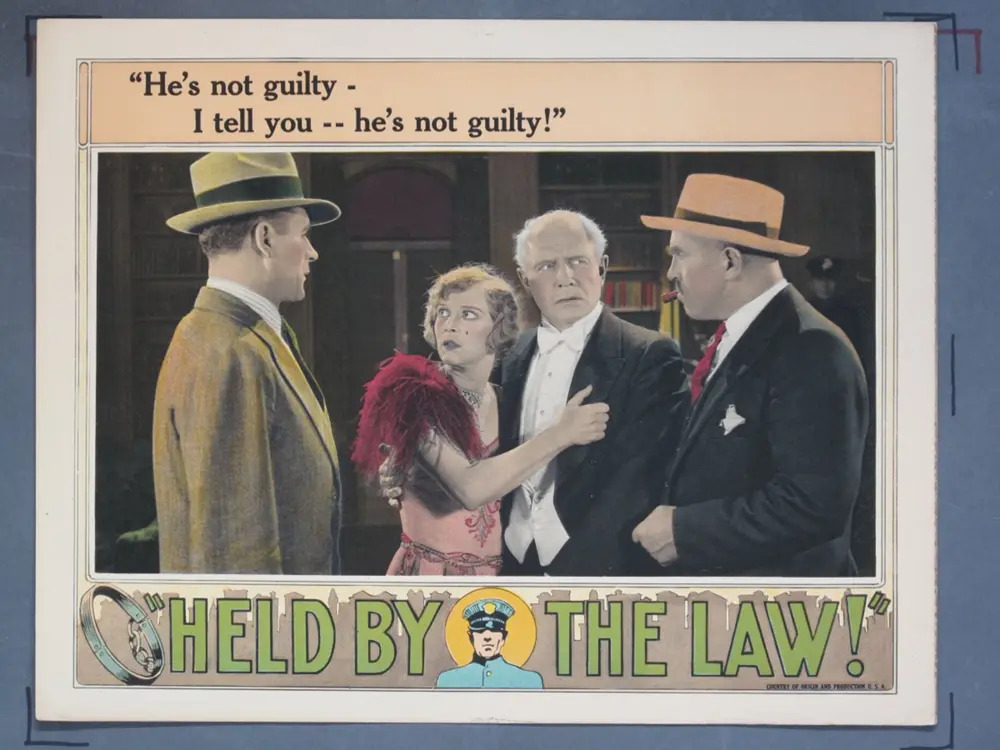
Ralph Lewis, as the accused father, delivers a performance that avoids the over-the-top gesticulation common in the early 20s. His stillness in the courtroom is haunting. When he hears his sentence, he doesn't collapse; he simply seems to shrink. It is a masterclass in understated acting that stands out even when compared to the broader performances in The Girl of the Golden West.
Johnnie Walker, playing Tom, has the harder task. He must transition from the man who broke the family to the man who saves it. His journey into the city's underbelly to find the real killer provides the film with its much-needed momentum. These scenes are shot with a grit that anticipates the noir movement of the 1940s. The use of shadows and cramped interiors creates a sense of impending doom that is palpable.
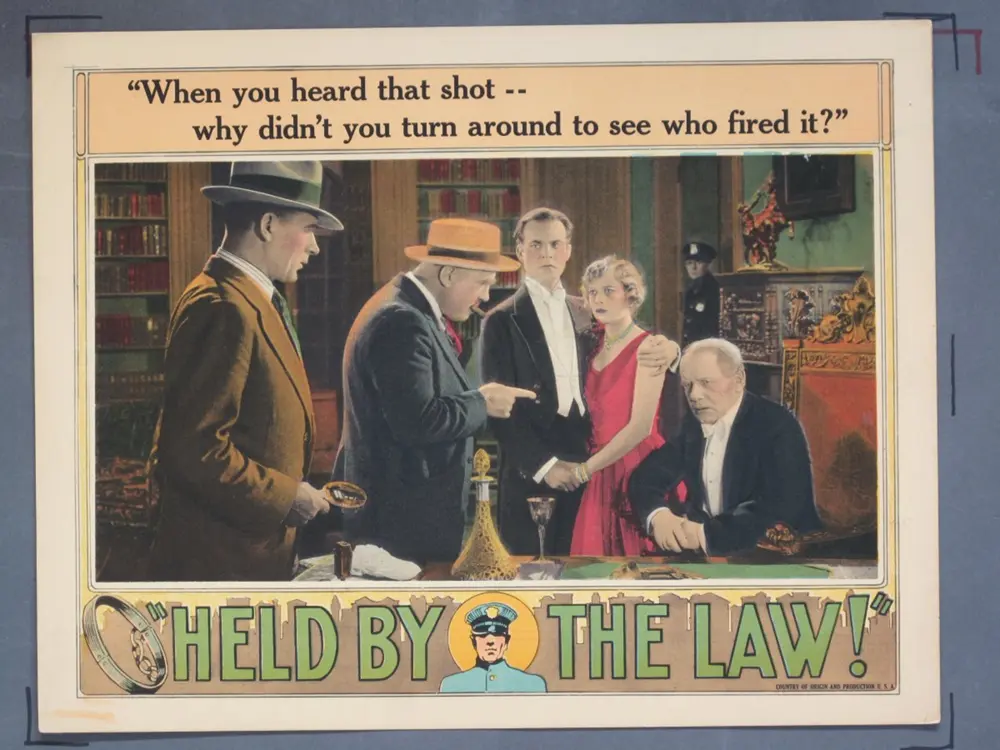
Marguerite De La Motte as Mary Travis provides the film's moral compass. Her decision to break the engagement isn't just a plot device; it's a necessary assertion of her loyalty to her father. In an era where female characters were often relegated to being rescued, Mary’s cold dismissal of Tom is a refreshing moment of agency. It feels more grounded and earned than the romance in Mind the Paint Girl.
The direction by the uncredited hands behind this production (often attributed to the writers' vision) utilizes the camera as a silent observer. There are several shots in the Sinclair mansion that use deep focus to show the distance between the characters during the investigation. This visual distance mirrors the emotional chasm between Mary and Tom.
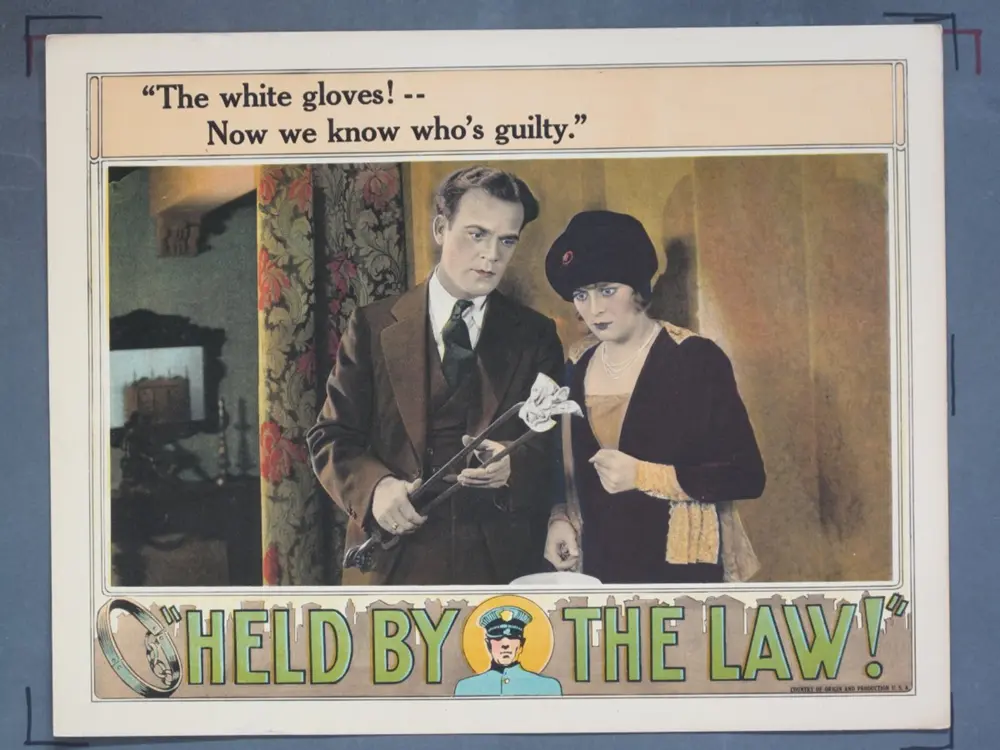
The lighting during the search for the real killer is particularly noteworthy. While many films of 1923 were still struggling with flat lighting, Held by the Law uses high-contrast setups to emphasize the danger Tom is in. It’s not quite German Expressionism, but you can see the influence creeping in. It’s a far cry from the more traditional lighting seen in Wilhelm Tell.
The pacing is deliberate. It doesn't rush. This might frustrate modern audiences used to the rapid-fire editing of contemporary thrillers. But the slow build is what makes the final revelation feel so impactful. It works. But it’s flawed. The resolution happens quickly, almost too quickly, as if the film realized it was running out of reel. Despite this, the tension is maintained until the very last second.
Pros:
The film features a surprisingly modern take on the 'wrong man' narrative. The emotional stakes are high and feel genuine. The cinematography in the urban scenes is ahead of its time, using shadows to build a sense of dread similar to Stranded.
Cons:
The legal proceedings are simplified for dramatic effect, which may irk those looking for a realistic procedural. Some of the secondary characters are thinly sketched, serving only as plot points rather than living people. It lacks the thematic depth of Lest We Forget.
Held by the Law (1923) is a solid, if occasionally stilted, entry into the silent crime genre. It succeeds because it understands that the most frightening thing in the world isn't a murderer, but a system that thinks it has found one. While it may not have the legendary status of other films from the same year, its influence on the courtroom dramas that followed is undeniable.
The film takes a firm stance on the fallibility of human testimony. It suggests that our eyes often see what our hearts fear. This is a sophisticated theme for a 1923 production. It’s a film that demands your attention and rewards it with a tense, albeit predictable, climax. It is a foundational piece of cinema that deserves a spot in the conversation about early narrative development.
IMDb —
1925
Community
Log in to comment.