DbcultAccessing Vault...
6.2/10
Senior Film Conservator
A definitive 6.2/10 rating for a film that redefined the boundaries of cult cinema. Vagabonding on the Pacific remains a cornerstone of transgressive art.
Is Vagabonding on the Pacific a film you should track down today? Short answer: yes, but only if you view yourself as a cinematic archeologist or a devotee of the Barrymore legacy.
This film is specifically for those who value historical texture over narrative structure and for viewers who find more beauty in a grainy, unscripted moment than in a polished studio production. It is decidedly NOT for anyone looking for a traditional plot, dialogue, or the high-octane drama typical of the Roaring Twenties.
1) This film works because it provides a rare, non-performative look at one of cinema's most legendary actors, stripping away the 'Great Profile' artifice.
2) This film fails because it lacks any semblance of a traditional narrative arc, functioning more as a series of visual footnotes than a cohesive story.
3) You should watch it if you are fascinated by early 20th-century maritime history or the private lives of Hollywood royalty before the dawn of the paparazzi era.
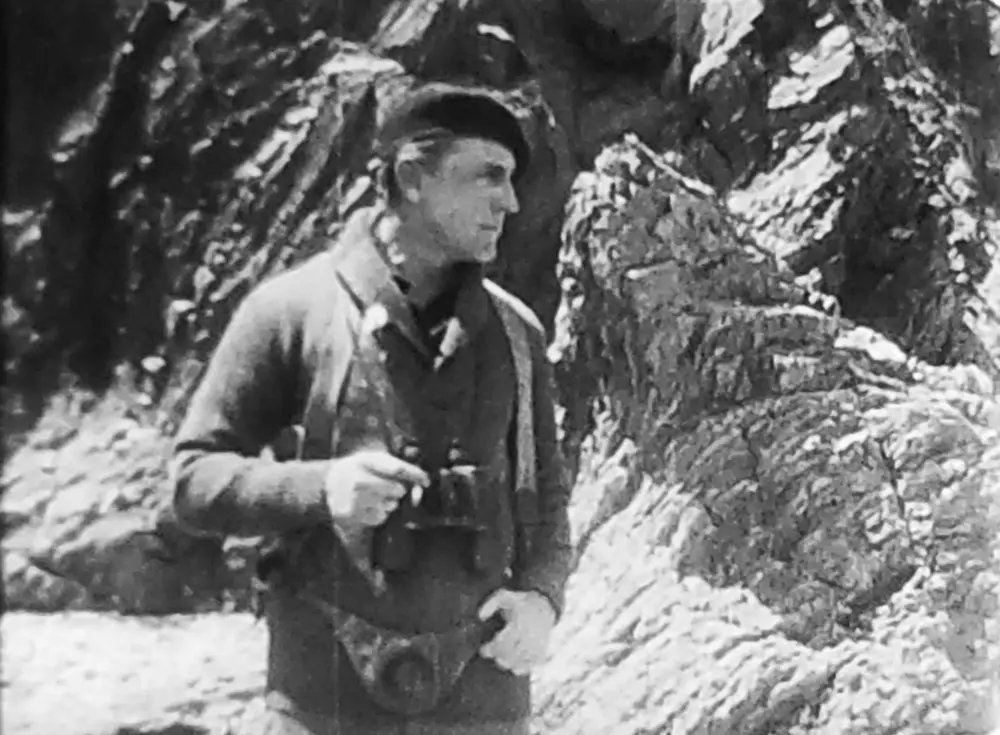
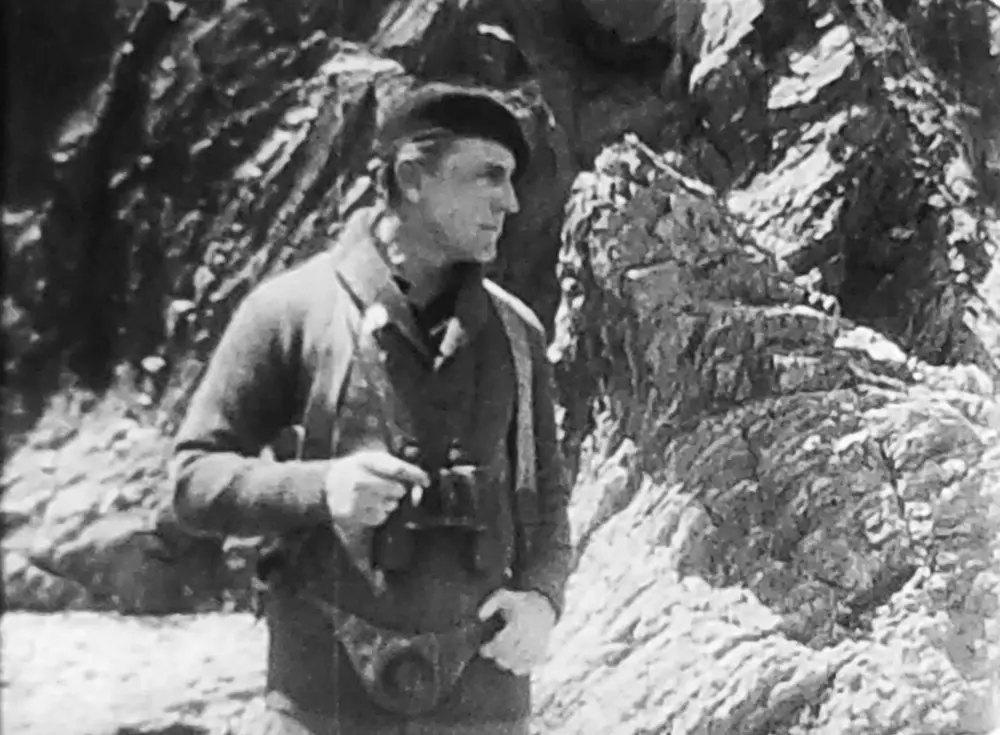
In 1925, John Barrymore was at the height of his powers. He was a man defined by his roles in theatrical epics and silent dramas like The Waif or the intense character studies found in The Dream Cheater. Yet, in Vagabonding on the Pacific, the costume is gone. The makeup is absent. What remains is a man on a boat, squinting into the Pacific sun.
There is a specific moment early in the film where Barrymore is seen adjusting the rigging of 'The Mariner.' He isn't looking for his light. He isn't projecting to the back of the house. He is simply a sailor. This lack of self-consciousness is jarring for anyone familiar with his work in Saint, Devil and Woman. It is a brutal reminder that behind the iconography was a human being with a profound need for silence.
The film captures this silence with a granular intensity. The salt air seems to cling to the film stock itself. While Barrymore’s contemporary peers were starring in polished romances like Faint Hearts, he was filming the spray of the ocean. It was a radical act of normalcy for a man whose life was anything but normal.
The cinematography in Vagabonding on the Pacific is primitive by modern standards, yet it possesses a raw honesty that studio films of the era, such as Just a Woman, could never replicate. The camera, likely handheld for much of the voyage, struggles with the pitch and roll of the schooner. This creates a dizzying, immersive effect that puts the viewer on the deck with Mayo and Barrymore.
Consider the sequence where the ship approaches Guadalupe Island. The volcanic cliffs rise out of the water like prehistoric monuments. There are no special effects here, unlike the staged environments of A Tale of the Far North. The lighting is dictated by the time of day and the clarity of the sky. It is a masterclass in accidental naturalism.
The pacing is glacial. It reflects the reality of 1920s travel. There are long stretches where nothing 'happens' in a traditional sense. We see the water. We see the sails. We see the horizon. For a modern audience used to the rapid-fire editing of Film 19, this requires a significant mental adjustment. It is a slow-burn experience that rewards patience with a sense of genuine atmosphere.
Yes, Vagabonding on the Pacific is worth watching if you treat it as a historical artifact rather than a piece of entertainment. It offers a unique perspective on the intersection of celebrity and the natural world in the 1920s. It provides an unfiltered look at John Barrymore that no scripted film can match.
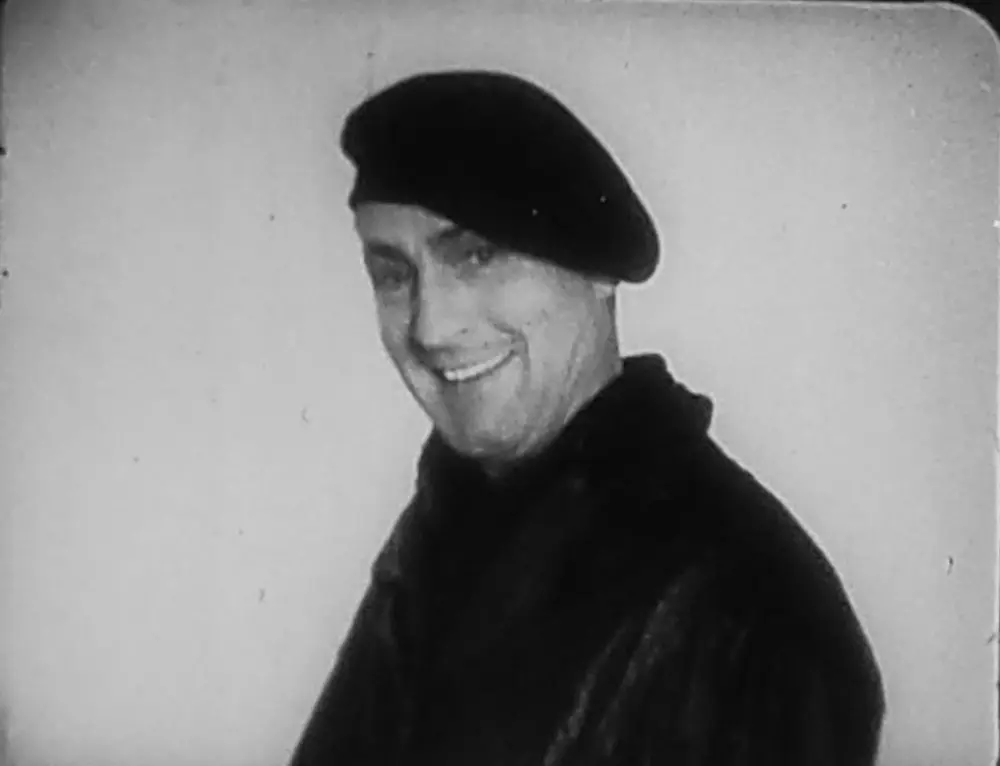
When we look at other films from this general era, such as The Bigger Man or A Celebrated Case, there is a clear boundary between the actor and the role. In those films, the performance is the product. In Vagabonding on the Pacific, the person is the product. There is an inherent vulnerability in showing one's leisure time to a camera.
The film shares some DNA with the travelogues of the time, yet it feels more intimate. It lacks the didactic tone of La marcia nuziale or the social commentary of An American Widow. It is purely experiential. Barrymore isn't trying to teach us anything about Mexico or the Pacific; he is simply inviting us to watch him exist within it.
The absence of a writer—unlike the structured narratives of Hearts and Let Us—means the film is entirely reliant on the charisma of its subjects and the majesty of its locations. Fortunately, Barrymore has charisma to spare, even when he’s just staring at a fish or sharing a drink with Mayo. It is a fascinating study in star power.
The destination of the journey, Guadalupe Island, serves as a powerful metaphor. Located 150 miles off the coast of Baja California, it was a place of extreme isolation. In the film, the island appears as a jagged, inhospitable rock. This stands in sharp contrast to the lush, romanticized settings of films like Sawdust.
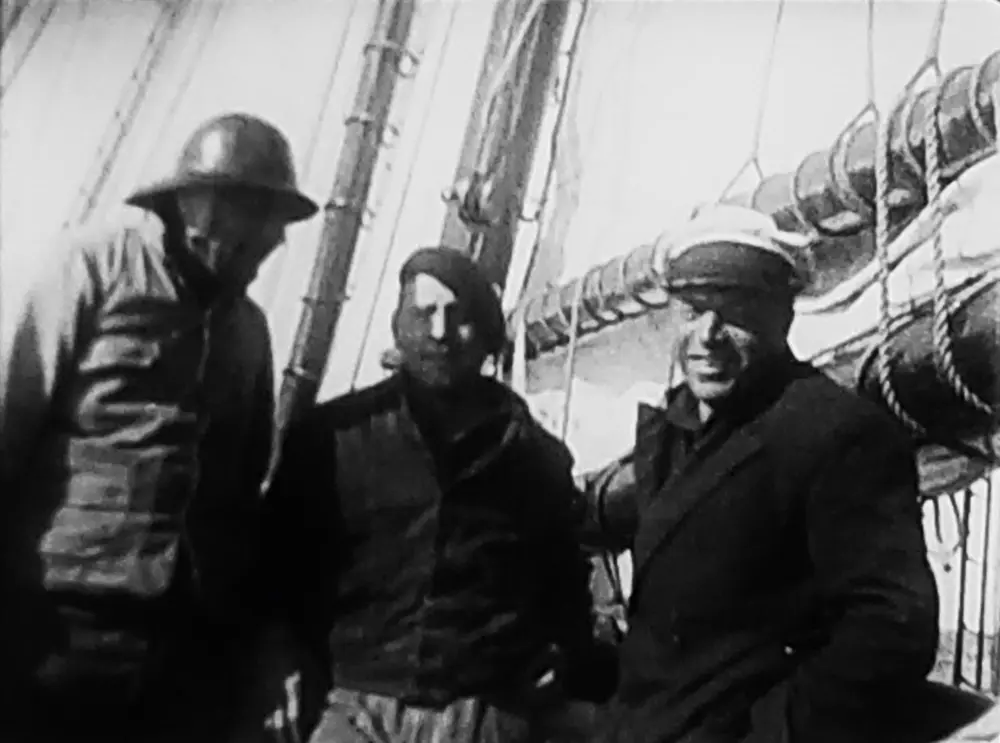
The footage of the local wildlife, particularly the elephant seals, is remarkably clear for the time. These moments feel like a precursor to modern nature documentaries. There is a brutal simplicity to these scenes. The seals don't know they are being filmed by a Hollywood icon. They simply exist. This indifference of nature is a recurring theme that gives the film an unexpected philosophical depth.
One could argue that Barrymore sought out this indifference. In Hollywood, everyone was looking at him. On 'The Mariner,' and later on Guadalupe, nothing was looking at him. He was just another vagabond. This psychological layer makes the film more than just a home movie; it makes it a document of a man seeking anonymity.
Vagabonding on the Pacific is a flawed but essential relic. It doesn't entertain in the way Off the Trolley or A Debtor to the Law might, but it offers something far more valuable: truth. It is a film about the need to disappear.
Barrymore is often remembered for his eccentricities and his tragic decline, but here, he is at peace. The Pacific is wide, the boat is sturdy, and the camera is a silent witness. It works. But it’s flawed. It is a boring masterpiece of the mundane.
"A hauntingly quiet look at a man who spent his life being loud. This is Barrymore at his most vulnerable, simply because he isn't trying to be anything at all."
Ultimately, this film serves as a bridge between the artifice of the silent era and the reality of the human condition. It is a voyage worth taking, provided you don't expect a map or destination other than the horizon itself.
IMDb 6.5
1932
Community
Log in to comment.