DbcultAccessing Vault...
Cult Review
Senior Film Conservator
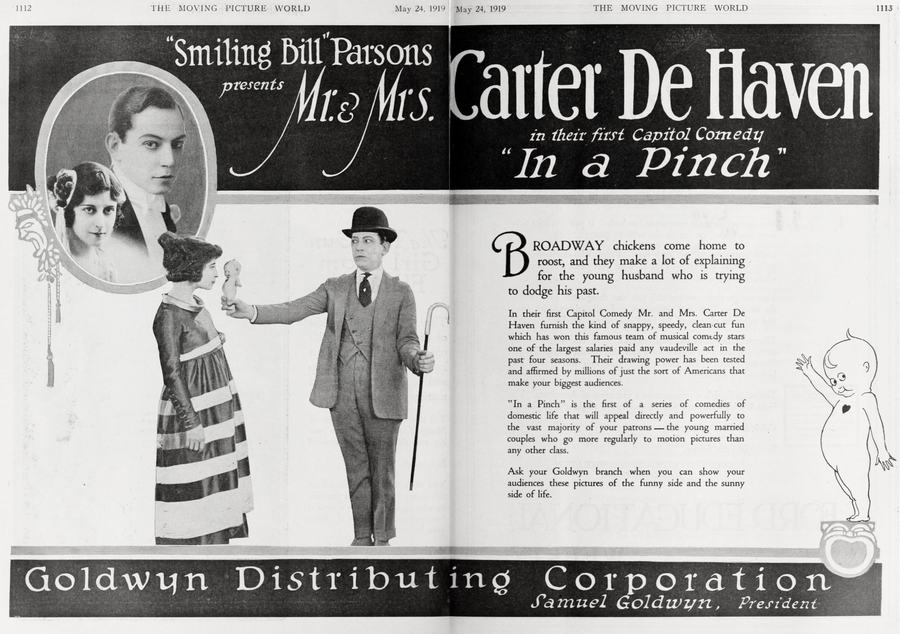
The DeHaven legacy is often relegated to the footnotes of silent cinema history, overshadowed by the titanic silhouettes of Chaplin or Keaton. Yet, in the 1919 gem In a Pinch, we witness a sophisticated domesticity that predates the modern sitcom by decades. This isn't merely slapstick; it is a rhythmic dissection of marital osmosis and the crushing weight of social expectation.
To understand the peculiar brilliance of In a Pinch, one must first acknowledge the symbiotic artistry of Carter and Flora Parker DeHaven. Unlike the solitary genius of the era's great clowns, the DeHavens operated as a singular unit—a two-headed beast of comedic timing. Their chemistry isn't just romantic; it’s architectural. Every glance and every frantic gesture builds upon the other, creating a structure of humor that feels surprisingly sturdy despite its frantic pace. In this specific outing, the 'pinch' of the title refers to a social predicament that spirals into a total collapse of dignity, a theme that resonates through the ages.
The visual language of 1919 was still finding its feet, yet In a Pinch exhibits a remarkable spatial awareness. The director utilizes the frame not just as a stage, but as a pressure cooker. As the DeHavens find themselves trapped in increasingly absurd circumstances, the camera remains steadfast, almost voyeuristic in its refusal to cut away from their mounting hysteria. This stylistic choice mirrors the thematic entrapment. While contemporary films like The Spider were experimenting with darker, more atmospheric shadows to evoke mystery, the DeHavens opted for a bright, high-key lighting palette that leaves no corner for their characters to hide.
The film’s pacing is a relentless crescendo. It begins with the mundane—a simple desire for social mobility or perhaps a minor white lie—and layers complication upon complication until the screen vibrates with kinetic energy. This is a far cry from the more deliberate, almost somber pacing found in works like The Lifted Veil, which sought to elevate the medium through literary gravitas. In a Pinch finds its elevation through the sheer velocity of its wit. It is a film that demands the viewer keep pace or be left behind in the dust of its frantic transitions.
When placing this film within the broader context of its contemporaries, the contrast is stark. Consider the rugged, outdoorsy stoicism of Riders of Vengeance or the sprawling, dusty vistas of Six Feet Four. The DeHavens reject the frontier in favor of the parlor room. Their battleground is the dinner table; their weapons are social graces and the lack thereof. There is a specific kind of bravery in this choice—to find the epic within the trivial. While Marvelous Maciste was showcasing physical prowess and mythological strength, the DeHavens were showcasing the exhausting mental gymnastics required to survive a weekend with the in-laws or a misunderstood invitation.
Even when compared to other comedies of the period, such as the more whimsical Madcap Madge, In a Pinch feels more grounded in a recognizable, albeit heightened, reality. There is a cynicism bubbling beneath the surface here—a recognition that the 'pinch' is a permanent state of the human condition. We are all, the film suggests, just one bad decision away from total social ostracization. This existential dread is masked by the DeHavens' impeccable mugging and physical dexterity, but it remains the engine that drives the narrative forward.
The transition from vaudeville to cinema was often clunky, with many performers failing to scale their gestures for the intimacy of the camera. The DeHavens, however, seem to have mastered this transition by the time 1919 rolled around. Their movements are precise, almost mathematical. In scenes of high chaos, where most actors would descend into unintelligible flailing, Flora and Carter maintain a clarity of action that is breathtaking. They understand the 'rule of three' and the importance of the reaction shot, even if the cinematic vocabulary for such things was still being written.
Consider the use of props in the film. Objects aren't just background dressing; they are obstacles and antagonists. A hat, a cane, or a misplaced letter becomes a catalyst for disaster. This tactile humor is a hallmark of the era, yet it is executed here with a grace that rivals the maritime mishaps of The Alaska Cruise. The physical comedy isn't just about the fall; it's about the desperate, dignified attempt to remain upright while falling. It is the comedy of the 'stiff upper lip' in the face of absolute catastrophe.
Coming off the back of the Great War, audiences in 1919 were hungry for levity, but also for a reflection of the changing social orders. In a Pinch captures a world in flux. The rigid Victorian standards were clashing with the burgeoning modernity of the 1920s. The DeHavens embody this tension perfectly. They dress the part of the established elite, but their actions betray a restless, modern anxiety. They are the bridge between the old world of At Bay and the emerging, faster-paced world of urban cinema.
There is also a fascinating gender dynamic at play. Flora Parker DeHaven is never merely a foil for her husband. She is an equal participant in the chaos, often the one initiating the frantic maneuvers required to escape their 'pinch.' This equality of agency sets the film apart from more traditional narratives like The Snarl or the masculine-driven conflict of Fighting Bob. In the DeHaven household, disaster is a collaborative effort, and the solution must be equally communal.
Why does In a Pinch endure for those willing to seek it out? Perhaps because the 'pinch' is universal. Whether it's the financial desperation seen in Like Wildfire or the social awkwardness found in On the Quiet, the feeling of being squeezed by circumstances is a timeless human experience. The DeHavens took that discomfort and transformed it into an art form. They taught us that the only way to survive the pinch is to lean into the absurdity of it all.
The film’s ending, a whirlwind of resolution and exhaustion, leaves the viewer breathless. It doesn't offer a clean moral or a profound lesson; it simply offers the relief of a narrow escape. It shares a certain spiritual DNA with the frantic energy of Hot Sands and Cold Feet, where the environment itself seems to conspire against the protagonist. Yet, the DeHavens bring a sophistication to the struggle that is uniquely theirs. They are the poets of the predicament, the maestros of the mistake.
In the grand tapestry of silent film, In a Pinch is a vibrant, neon thread. It lacks the somber weight of Dommens dag, but it possesses a vitality that is arguably more difficult to achieve. It is a reminder that comedy is a serious business, requiring a level of precision and dedication that often goes unrecognized. As we look back at the DeHavens, we see not just two actors in a short film, but two masters of the human condition, navigating the pinches of life with a grace and humor that we should all strive to emulate. It is a masterclass in brevity, a symphony of stumbles, and a quintessential piece of silent era history that deserves its place in the sun.
Final Verdict: A sparkling, high-velocity domestic comedy that showcases the DeHavens at the peak of their collaborative powers. Essential viewing for anyone interested in the evolution of the situational comedy.
IMDb 6.1
1930
Community
Log in to comment.