DbcultAccessing Vault...
Cult Review
Senior Film Conservator
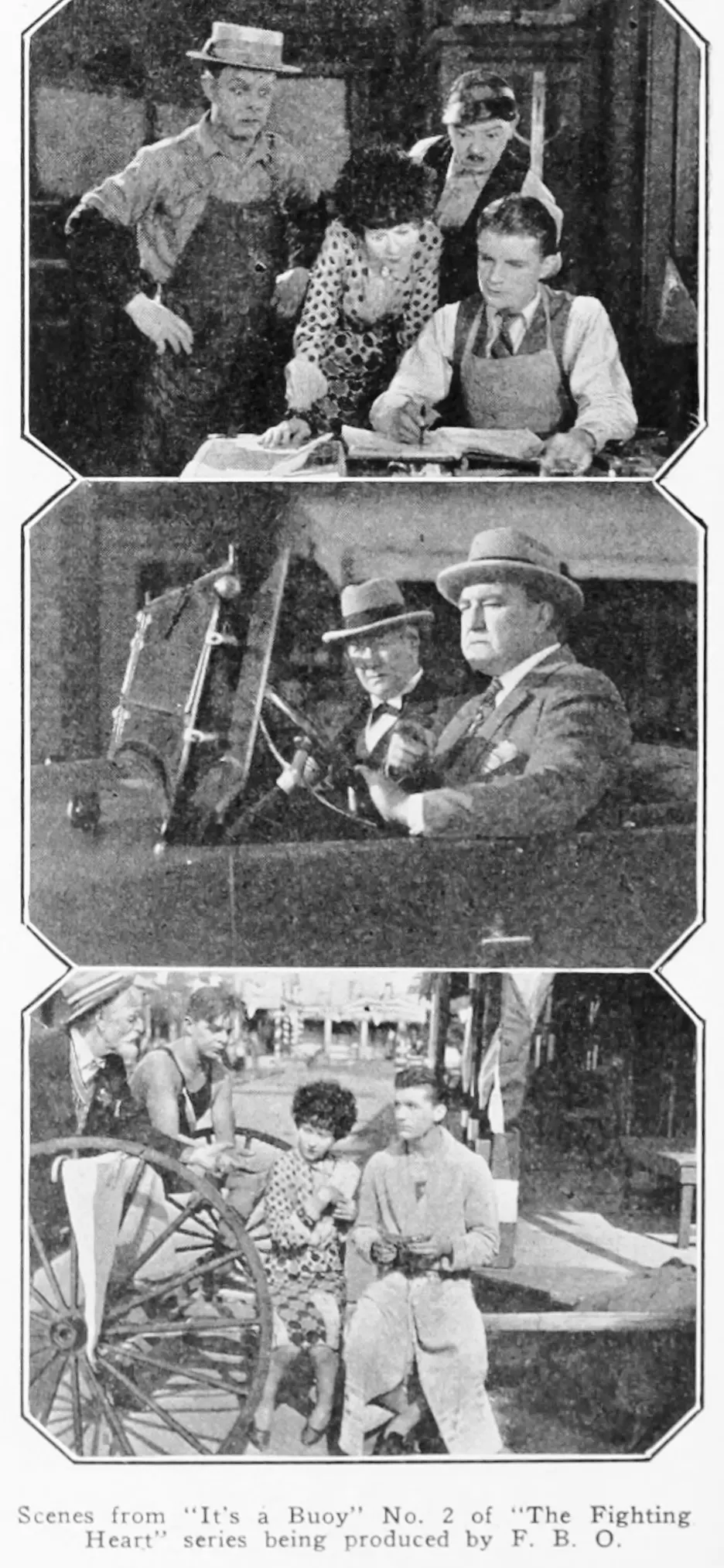
Is It's a Buoy worth your time nearly a century after its release? Short answer: yes, but only if you have a refined palate for the specific, groan-worthy wordplay that defined early American humor. This film is for silent comedy enthusiasts and those who appreciate the historical evolution of the 'dad joke'; it is not for audiences who require fast-paced editing or sophisticated, multi-layered irony.
This film exists in a strange pocket of 1924. It isn't trying to change the world like some of its contemporaries, but it manages to capture a very specific type of domestic anxiety. It works. But it’s flawed. The central premise—a man mistaking a nautical buoy for a baby boy—is the kind of thin material that requires a master like Buster Keaton to truly transcend the medium. Larry Kent is no Keaton, but he brings a frantic, sweaty energy to the role that keeps the momentum from stalling entirely.
1) This film works because it leans into the absurdity of its own title without blinking, utilizing Larry Kent’s expressive physicality to bridge the gap between a weak script and a funny premise.
2) This film fails because the secondary characters are often left standing in the background with little to do but look confused, a common pitfall in short-form silent comedies of this era.
3) You should watch it if you are a fan of Sam Hellman’s writing style or if you enjoyed the domestic misunderstandings in The Applicant or Tire Trouble.
Writer Sam Hellman was known for his wit, but 'It's a Buoy' tests the limits of how far a single pun can be stretched. The film spends its first act building a house of cards made of baby clothes and nursery rhymes. We see Kent’s character, a man clearly desperate for an heir, receiving a telegram that simply states 'The buoy has arrived.' In 1924, this was peak comedy. In 2024, it’s a fascinating look at how much we used to rely on title cards to do the heavy lifting of a narrative.
The pacing of the film is surprisingly brisk. Unlike the slower, more deliberate character studies found in Just Suppose, this film moves with a nervous energy. The camera work is static, which was standard for the time, but the blocking within the frame is chaotic. There is a specific scene where Kent is trying to measure a space for a crib while holding a telegram that he refuses to put down. It is a small, specific piece of acting that communicates his character’s inability to focus on anything but his own misconception.
Larry Kent delivers a performance that is almost entirely based on wide-eyed enthusiasm. It’s a bold choice, but it can be exhausting. He lacks the subtle pathos found in actors from films like The Soul of Buddha, opting instead for a performance that feels like it was designed for the back row of a massive theater. However, his energy is infectious. You want him to be right, even though you know he’s wrong.
Alberta Vaughn, on the other hand, is the unsung hero of 'It's a Buoy'. She plays the wife with a level of skepticism that feels modern. While Kent is bouncing off the walls, Vaughn is often seen in the corner of the frame, her eyes telling the audience that she knows exactly how this is going to end. Her performance provides a necessary counterweight to the slapstick, much like the grounded performances in Eve's Lover.
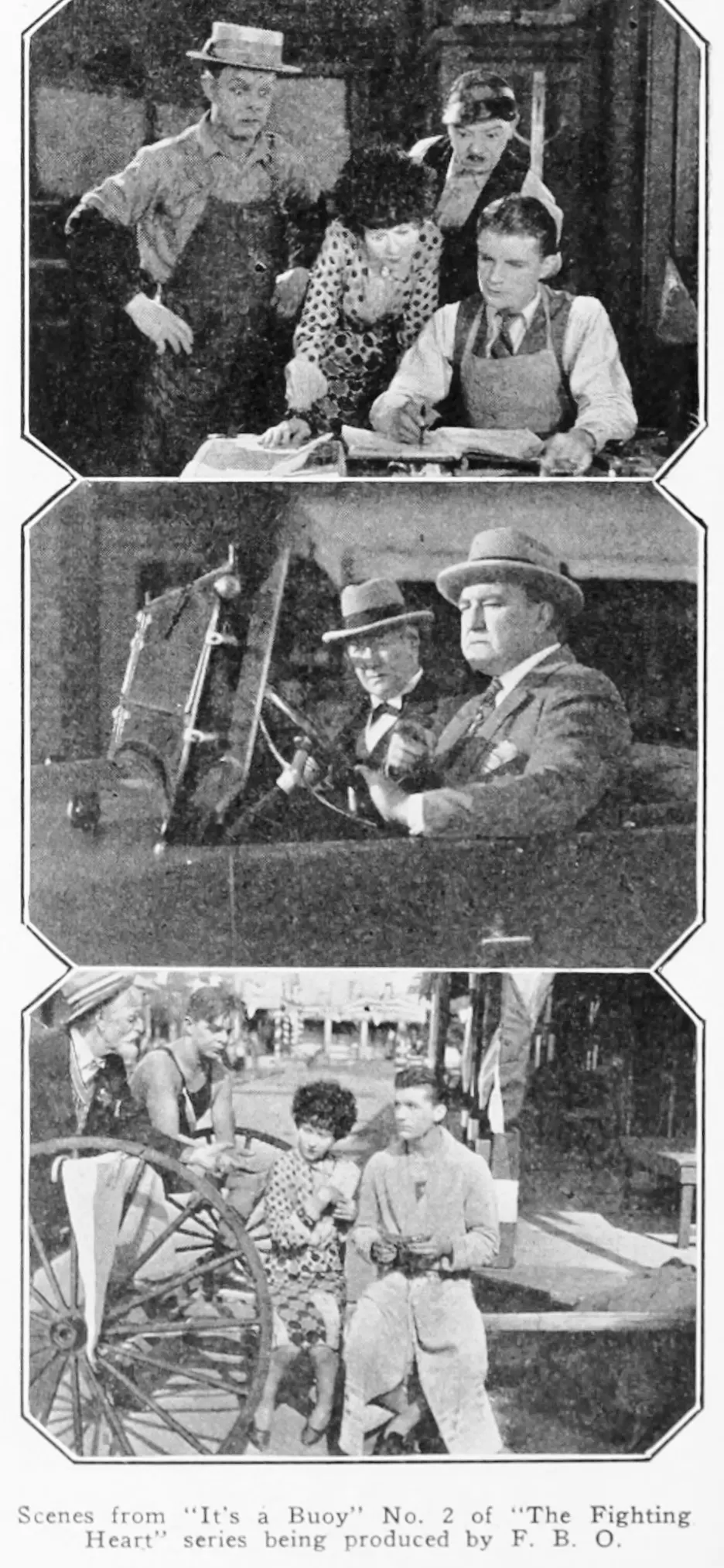
Yes, 'It's a Buoy' is worth watching for anyone interested in the roots of the American sitcom. While it lacks the high-stakes drama of The Tornado, it offers a lighthearted glimpse into the domestic fantasies of the 1920s. It is a short, punchy experience that doesn't overstay its welcome. If you have twenty minutes and an interest in how puns functioned before the era of sound, this is a perfect historical artifact.
Technically, the film is a product of its time. The lighting is flat, designed to ensure every movement is visible rather than to create atmosphere. This isn't Madonnas and Men with its grand visual ambitions. However, there is a certain charm in the simplicity. The sets feel lived-in, and the props—especially the titular buoy—have a tangible weight to them. When the buoy finally appears in the living room, the physical comedy of Kent trying to interact with a heavy, rusted metal object is genuinely well-executed.
The editing is functional. It follows the standard 'action-reaction-title card' rhythm that defined the era. There are no experimental cuts or daring camera angles here. It is meat-and-potatoes filmmaking, much like Blue Blazes. But for a comedy, this clarity is an asset. You are never confused about where the characters are or what they are reacting to, which is more than can be said for some modern comedies with their hyper-kinetic editing.
Pros:
Cons:
When placed alongside other films of the era like What Fools Men or Just Cowboys, 'It's a Buoy' stands out for its domestic focus. It doesn't rely on the 'wild west' or 'high society' tropes that dominated the 1920s. Instead, it looks at the mundane—the home, the marriage, the desire for a family—and finds the absurdity within it. It feels more akin to A Petal on the Current in its focus on the individual, though obviously much lighter in tone.
In many ways, this film is a precursor to the modern 'misunderstanding' episode of a sitcom. It paved the way for films like The Pretenders or High Power, which also used mistaken identity or miscommunication as their engine. 'It's a Buoy' is the raw, unrefined version of that trope. It’s loud, it’s obvious, and it’s unashamed of its own silliness.
'It's a Buoy' is a cinematic relic that manages to remain charming despite its age. It is a film that requires you to meet it halfway. If you can accept the premise that a grown man could mistake a telegram about a piece of maritime equipment for news of a child, you will find plenty to enjoy. It is a testament to the power of a simple idea, executed with heart and a lot of sweat. It’s not a masterpiece, but it’s a solid piece of entertainment. It works. Just don't expect it to change your life. It’s just a buoy, after all.
The film represents a bridge between the vaudeville stage and the modern sitcom, utilizing wordplay that was already old in 1924 but remains strangely effective today.
IMDb —
1916
Community
Log in to comment.