DbcultAccessing Vault...
Cult Review
Senior Film Conservator
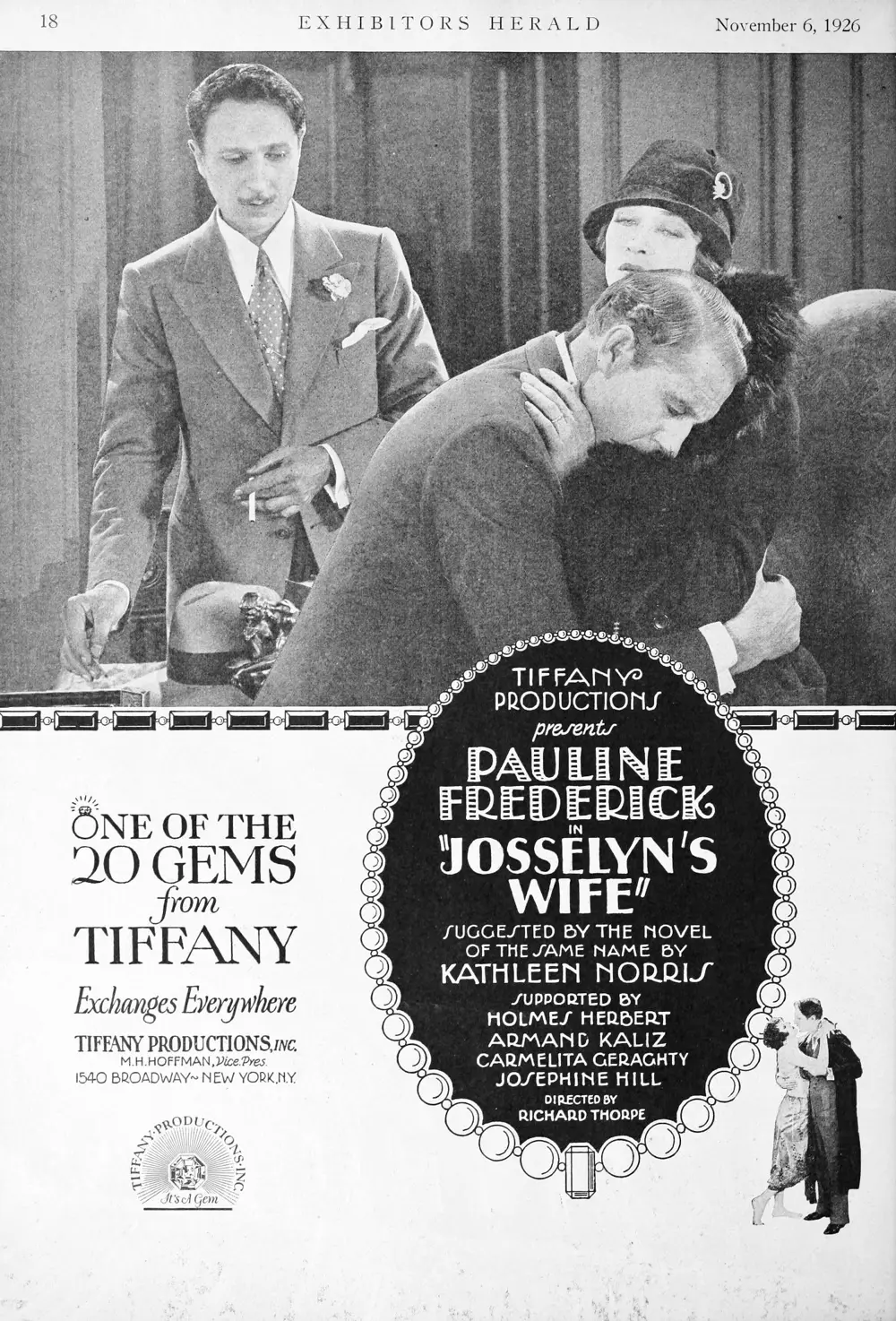
Is this 1926 silent relic worth your afternoon? Short answer: Yes, but only if you appreciate the heightened artifice of the Jazz Age melodrama. This film is a definitive pick for those who study the evolution of the 'woman in peril' subgenre, but it is certainly not for viewers who require logical character motivations or fast-paced modern editing.
This film works because it utilizes the expressive power of Pauline Frederick and Carmelita Geraghty to bridge the gap between silent pantomime and genuine psychological tension. This film fails because the third-act 'double confession' requires a total suspension of disbelief that even the most forgiving 1920s audience would have found taxing. You should watch it if you want to see a masterclass in how silent cinema used interior spaces—specifically the artist's studio—as a metaphor for moral entrapment.
Josselyn's Wife is a film that breathes through its atmosphere of dread. From the moment Pierre Marchand enters the frame, the cinematography shifts. While early scenes of marital bliss are lit with a soft, ethereal glow, the introduction of the 'former lover' brings sharper shadows into the Josselyn household. This isn't just a story about an affair; it is a story about the social claustrophobia of the era. The way Pierre looms over Lillian during the portrait sessions feels predatory even today. It reminds me of the tension found in other films of the period like Camille, where the past acts as a physical weight on the protagonist's shoulders.
The direction focuses heavily on the eyes. In the absence of dialogue, the power dynamic is established through glances. When Lillian agrees to pose for the portrait, her eyes convey a mixture of terror and resignation that the intertitles don't need to explain. It is a subtle performance in a genre known for its lack of subtlety. The studio itself becomes a character—a place where Lillian’s reputation is literally being 'painted' by a man who wishes to destroy her. This use of a physical location to represent a character's internal struggle is a highlight of the 1926 production.
Pauline Frederick delivers a performance that stands out among her contemporaries. While many actors in 1926 were still relying on the broad gestures of the stage, Frederick understands the intimacy of the camera. In the scene where she returns to the studio to prevent Pierre from revealing her past, her stillness is more terrifying than any scream. She portrays a woman who has everything to lose, and you feel that stakes in every frame. Compare this to the more frantic energy seen in Flaming Flappers, and you see the difference between a character study and a caricature.
The supporting cast, particularly Carmelita Geraghty, provides a necessary foil. The subplot involving Ellen and Arthur adds a layer of social commentary on the hypocrisy of the time. While Lillian is persecuted for a past love, the other characters engage in flirtations that are seen as mere social games. This double standard is the engine that drives the plot toward its violent conclusion. It works. But it’s flawed in its execution of the male characters, who often feel like plot devices rather than people.
Technically, the film is a product of its time, but it shows flashes of brilliance. The lighting in the murder scene is particularly effective. The use of silhouettes to obscure the killer’s identity builds a genuine sense of mystery that was often missing from early silents like Sold at Auction. The camera remains mostly static, as was the custom, but the blocking of the actors within the frame creates a sense of movement and urgency.
The pacing, however, is where the film struggles. The transition from the slow-burn psychological tension of the first half to the rapid-fire legal drama of the second half feels jarring. One moment we are contemplating the ethics of a portrait, and the next we are in a courtroom with two people confessing to the same crime. It’s a tonal whiplash that requires the viewer to buckle up and accept the ride. Despite this, the film maintains a consistent mood of high-stakes morality that keeps you engaged through the slower middle section.
If you are a fan of the 'fallen woman' tropes and the intricate social hierarchies of the 1920s, then yes, this is a must-watch. It provides a fascinating look at how society viewed female autonomy and the lingering 'stain' of past relationships. It isn't as lighthearted as something like The Show-Off, nor is it as adventurous as The Lone Wolf. It is a somber, often cynical look at love and reputation.
For the casual viewer, the film might feel repetitive. The 'portrait' plot point is dragged out longer than necessary, and the courtroom resolution relies on a 'deathbed confession' that feels like a convenient escape for the writers. However, the sheer magnetism of the lead performances makes it worth the investment for any serious cinephile. It is a piece of history that still has the power to make you feel Lillian's desperation.
Pros:
The film features exceptional lead acting that transcends the silent medium. The visual storytelling in the first half is top-tier for 1926. It handles themes of blackmail and social ruin with a surprising amount of grit. The costume design and set pieces reflect the opulence and underlying rot of the era perfectly.
Cons:
The plot relies on too many coincidences in the final act. The male characters are largely interchangeable and lack the depth given to Lillian. The pacing in the second act feels rushed compared to the deliberate buildup of the first half.
Josselyn's Wife is a striking example of how silent cinema could transform a standard domestic drama into a high-stakes thriller. While it suffers from the narrative clichés of its era—most notably the 'noble sacrifice' confession—it is elevated by a haunting lead performance and a keen eye for visual symbolism. It is a film about the masks we wear in polite society and the violence that occurs when those masks are ripped away. It’s not a masterpiece, but it’s a compelling, dark, and ultimately rewarding experience for those willing to look past its dated exterior. It works. But it’s flawed. And in its flaws, it finds a strange, desperate kind of beauty.
IMDb —
1930
Community
Log in to comment.