DbcultAccessing Vault...
Cult Review
Senior Film Conservator
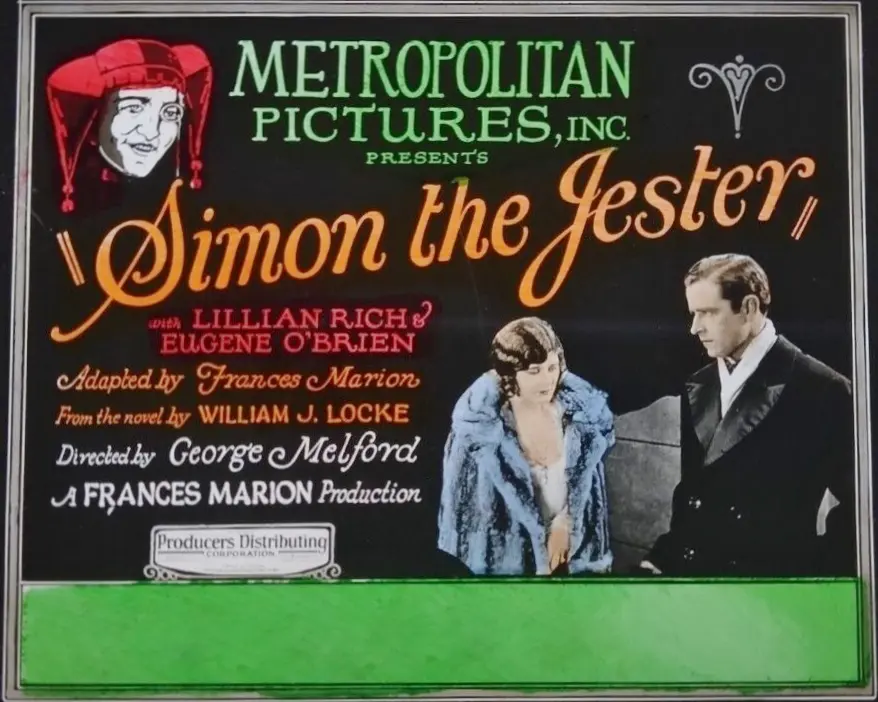
In the annals of cinematic history, where the flickering shadows of the silent era often yield to the cacophony of modern sound, there exist forgotten treasures that, upon rediscovery, resonate with surprising depth and contemporary relevance. One such gem is Simon the Jester, a 1925 production that, despite its age, weaves a narrative tapestry rich with themes of mortality, sacrifice, love, and the unpredictable whims of fate. Directed with a delicate hand and featuring a cast that brings remarkable nuance to their roles, this film transcends its melodrama to offer a poignant meditation on what it means to truly live when faced with the prospect of imminent death.
The film introduces us to Simon De Gex, portrayed with a compelling blend of stoicism and underlying despair by Billy Platt. Simon is not merely a rich young Member of Parliament; he is a man marked by the invisible scars of the World War, a conflict whose echoes still reverberated through society at the time of the film's release. His physical wound is a potent symbol of a deeper, existential one, amplified by the devastating news that he has but a few months left to live. This premise, in itself, sets a remarkably somber, yet intriguing, stage. How does one confront such a brutal reality, especially when one has lived a life of privilege and public duty? Simon's response is both dramatic and deeply personal, echoing the grand, theatrical gestures often found in the literature of the period.
His decision to host a dinner party, a final, sardonic toast to death, is a spectacle of self-renunciation. He not only gives up his esteemed parliamentary seat but also a substantial portion of his fortune to his friend, Dale Kynnersly. But perhaps the most profound of his bequests is his request to Dale: to marry a girl in whom Simon himself had a nascent interest. This act is laden with a complex mix of altruism, resignation, and perhaps a touch of cynical detachment. It’s a fascinating psychological gambit, a man attempting to orchestrate his legacy, even his romantic legacy, from beyond the grave. The implications for Dale, burdened with this unusual request, are significant, setting up a moral dilemma that forms an early undercurrent of the narrative. One can almost feel the weight of this responsibility, a 'soul for sale' in a different sense, not for profit but for a dying man's peace, a theme that might resonate with the ethical quandaries explored in a film like A Soul for Sale.
However, the meticulously planned denouement of Simon's life is swiftly derailed by the vibrant, unpredictable force of Lola Brandt, brought to life with captivating intensity by Lillian Rich. Lola is a circus rider, a creature of the spotlight and the dangerous thrill of performance, a stark contrast to Simon's staid, aristocratic world. Dale, utterly smitten, introduces Simon to this intoxicating realm, and it is here that the narrative takes a sharp, unexpected turn. During a performance, Lola's beloved horse, Sultan, is inexplicably shot dead. This act of brutal, senseless violence is the catalyst that shatters the film's initial melancholic introspection, propelling it into a thrilling quest for justice and vengeance. The death of Sultan is not merely an incident; it is a profound wound, a betrayal of the innocence and beauty that Lola represents, and it ignites a fierce, unwavering resolve within her.
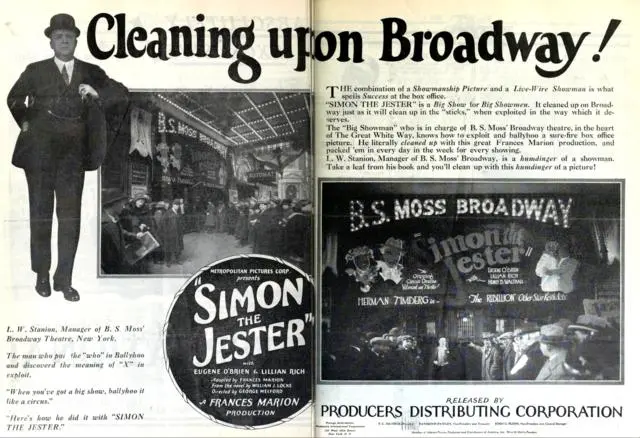
Lola, alongside her loyal companion, Midget, a clown whose poignant silence speaks volumes, vows revenge. This shift in the narrative from a quiet contemplation of death to an active pursuit of retribution is one of the film's most compelling strengths. It transforms Simon's role from a passive observer of his own demise into an unwitting participant in a vibrant, dangerous drama. The bond between Lola and Midget, a testament to the found families and intense loyalties within the circus world, is beautifully depicted, adding a layer of genuine emotion to their shared quest. This portrayal of circus life, with its inherent glamour and underlying grit, draws fascinating parallels to other films that explore the lives of performers, perhaps even evoking the spirit of The Girl from Bohemia, where the unconventional lives of artists often conceal deeper passions and struggles.
Simon's initial attraction to Lola deepens, evolving beyond mere fascination into a profound, life-affirming connection. He sheds the mantle of the dying man, embracing a new purpose that is intimately tied to Lola's quest for justice. His decision to journey to Tangiers, ostensibly to locate Lola's missing husband, is a powerful symbol of his transformation. He is no longer merely an observer; he is an active participant, a man choosing to engage with life's chaos rather than passively await death. Tangiers, with its exotic allure and shadowy corners, becomes a crucible for Simon's rebirth. This embrace of the unknown, this deliberate step into danger, stands in stark contrast to his earlier, calculated surrender to fate. It's a testament to the idea that sometimes, the greatest acts of living come when one has nothing left to lose.
The narrative then delivers its most stunning reversal: in Tangiers, during a skirmish, Simon is injured. This injury, initially seeming like a further complication, leads to an operation where he is miraculously informed that his initial prognosis was incorrect – he will live. This twist is nothing short of cinematic poetry. The man who willingly gave up his life, his fortune, and his love, thinking his days were numbered, is suddenly granted a new lease on life. The irony is palpable, the dramatic weight immense. How does one reconcile such a profound shift? His previous sacrifices, once noble acts of resignation, now hang in the balance, imbued with a new, complex meaning. This unexpected turn of events, a dramatic reversal of fortune, echoes the high stakes and unpredictable outcomes often found in films centered around chance and destiny, perhaps resonating with the very essence of The Great Gamble, where life itself is the ultimate wager.
The stage is set for a dramatic confrontation when Lola arrives in Tangiers. Her missing husband, Brandt, emerges from the shadows, revealing himself not only as the man who abandoned her but also, crucially, as the killer of Sultan. The tension is exquisitely built, leading to a perilous encounter where Brandt threatens Lola's life. Simon, now fully committed to Lola and to life itself, intervenes, but it is Midget, the seemingly unassuming clown, who delivers the ultimate, tragic justice. Recognizing Brandt as the murderer of the beloved horse, Midget strikes him down, fulfilling the vow of vengeance that had driven him and Lola. This act of righteous fury, however, comes at a devastating cost. A frenzied crowd, witnessing the killing, turns on Midget, who succumbs to his wounds, dying a hero's death. His sacrifice, a poignant echo of Simon's initial, symbolic one, underscores the film's exploration of loyalty, love, and the price of justice. The raw, visceral emotion of this climax, where personal vengeance collides with mob justice, brings to mind the desperate acts of retribution seen in films like The Kelly Gang, where the line between right and wrong blurs in the pursuit of what is perceived as justice.
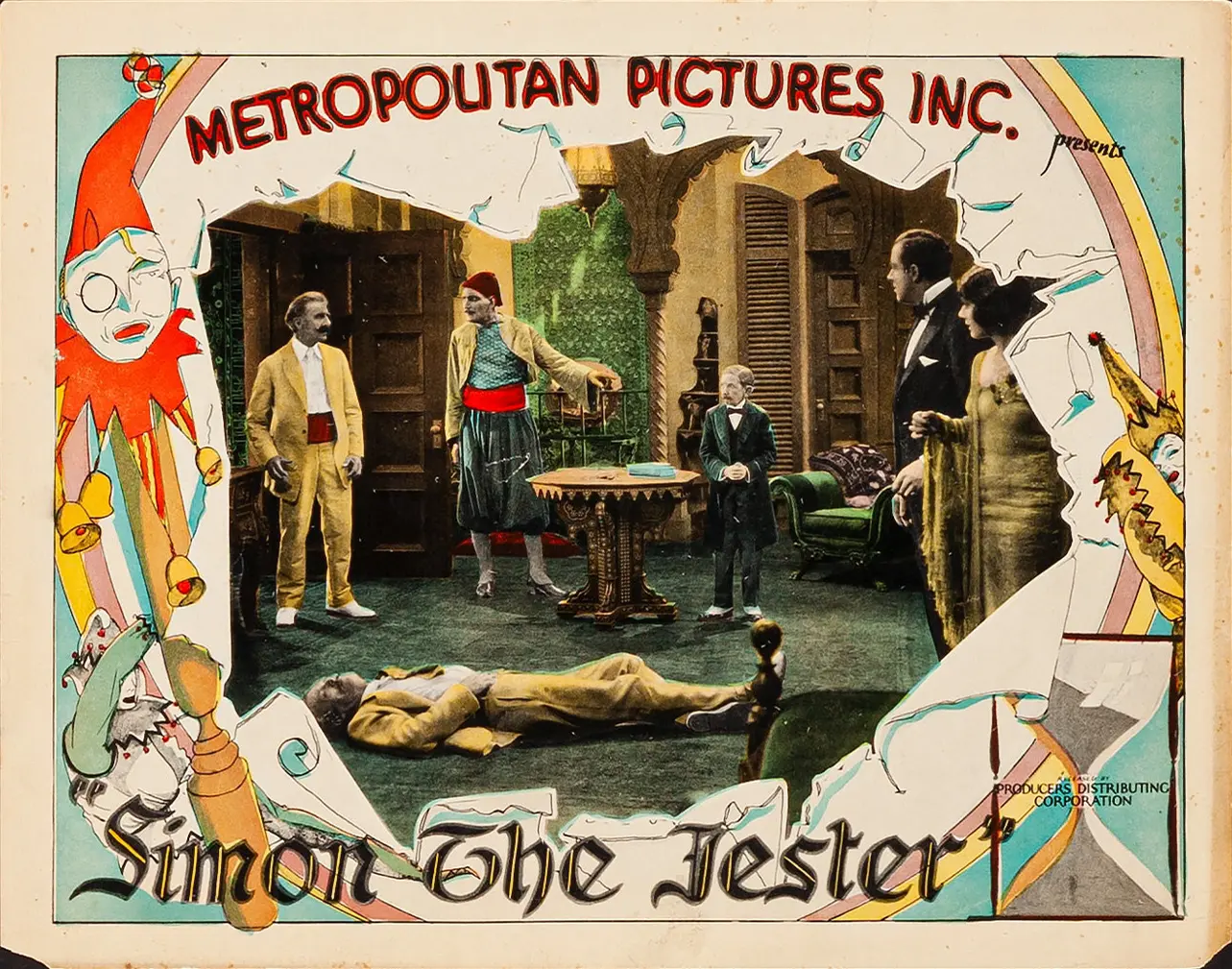
The aftermath leaves Simon and Lola to pick up the pieces, their lives irrevocably intertwined through shared trauma, sacrifice, and a newfound understanding of their own resilience. They embark on a new life, a future forged from the ashes of past expectations and unexpected turns. The film concludes not with a clean, saccharine resolution, but with a sense of hard-won hope, a future earned through pain and profound change.
The performances in Simon the Jester are a masterclass in silent film acting. Billy Platt, as Simon, conveys the internal conflict of a man resigned to death, then revitalized by love, through subtle shifts in posture, expressive glances, and a profound sense of world-weariness that slowly gives way to determined vitality. Lillian Rich's Lola is a force of nature, embodying strength, vulnerability, and a fierce independence that makes her quest for vengeance utterly believable. Her grief for Sultan, her courage in the face of danger, and her growing affection for Simon are all communicated with powerful, uncluttered emotion. The actor portraying Midget, though silent, creates an unforgettable character whose loyalty and ultimate sacrifice resonate deeply, proving that sometimes, the most impactful performances are those conveyed without a single spoken word.
Frances Marion’s screenplay, based on William J. Locke’s novel, is a testament to the power of adaptation, distilling complex narrative threads into a compelling visual story. The direction skillfully uses the visual language of silent cinema – close-ups to convey emotion, wide shots to establish the exotic settings of Tangiers, and careful pacing to build suspense and drama. The film's cinematography, though perhaps not groundbreaking for its time, effectively uses light and shadow to enhance the mood, particularly in the more dramatic and mysterious sequences. The exotic locales, from the opulent settings of British aristocracy to the bustling, sun-drenched streets of Tangiers, are rendered with a sense of authenticity that transports the viewer. This ability to convey intricate plots and profound emotional arcs without dialogue is what makes silent cinema so uniquely captivating, and Simon the Jester stands as a commendable example of this artistry.
What truly elevates Simon the Jester beyond mere melodrama is its profound engagement with universal themes. It explores the human capacity for self-sacrifice, the transformative power of love, and the unpredictable nature of fate. Simon's journey from a man who attempts to control his death to one who embraces an unscripted life is a powerful allegory for finding purpose in unexpected places. The film challenges notions of predetermined destiny, suggesting that even when faced with the most dire predictions, human agency and the connections we forge can radically alter our path. The interplay between Simon's aristocratic background and Lola's bohemian circus life also highlights societal contrasts of the era, showcasing how love and shared purpose can bridge seemingly insurmountable divides.
In an era that often glorified stoicism and societal expectations, Simon the Jester dares to delve into the messy, unpredictable aspects of human existence. It's a story that reminds us that life, even when it seems to be winding down, can offer a sudden, exhilarating resurgence. The film's ability to blend poignant drama, thrilling adventure, and genuine romance into a cohesive, engaging narrative is a testament to the sophistication of silent filmmaking. While it may not possess the experimental edge of a Kino-Pravda No. 18 or the raw social commentary of The Reckless Sex, its strength lies in its timeless, character-driven storytelling.
For those willing to venture into the captivating world of early cinema, Simon the Jester offers a rewarding experience. It's a film that speaks to the heart, exploring the depths of human emotion and the enduring quest for meaning, even when life throws its most unexpected curveballs. It serves as a powerful reminder that some stories, even without spoken words, resonate across generations, offering insights into the human condition that remain as relevant today as they were nearly a century ago. It is a cinematic experience that, much like Simon's own journey, proves that life, and indeed art, is full of surprises, waiting to be rediscovered and cherished.
IMDb —
1926
Community
Log in to comment.