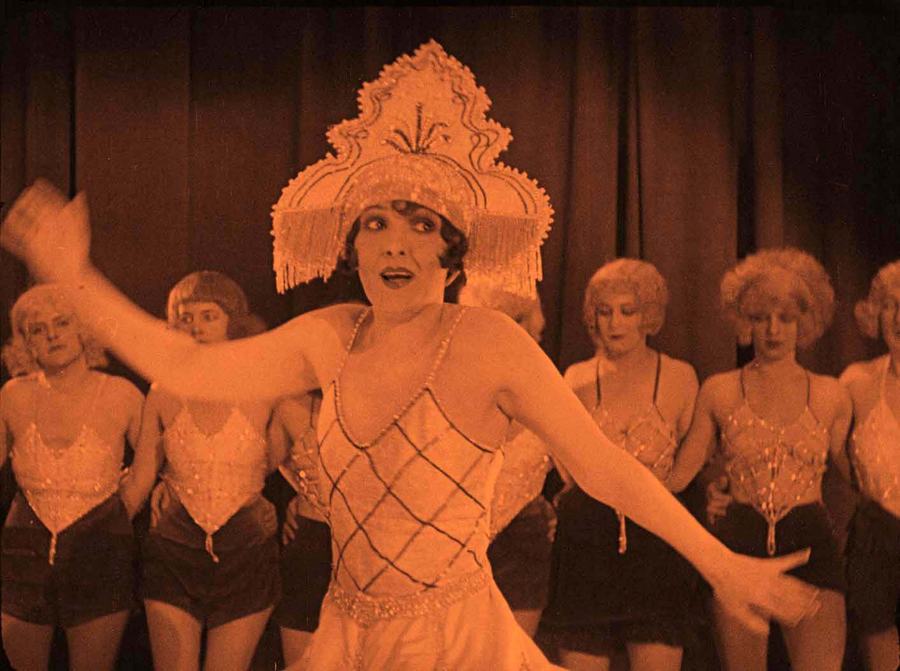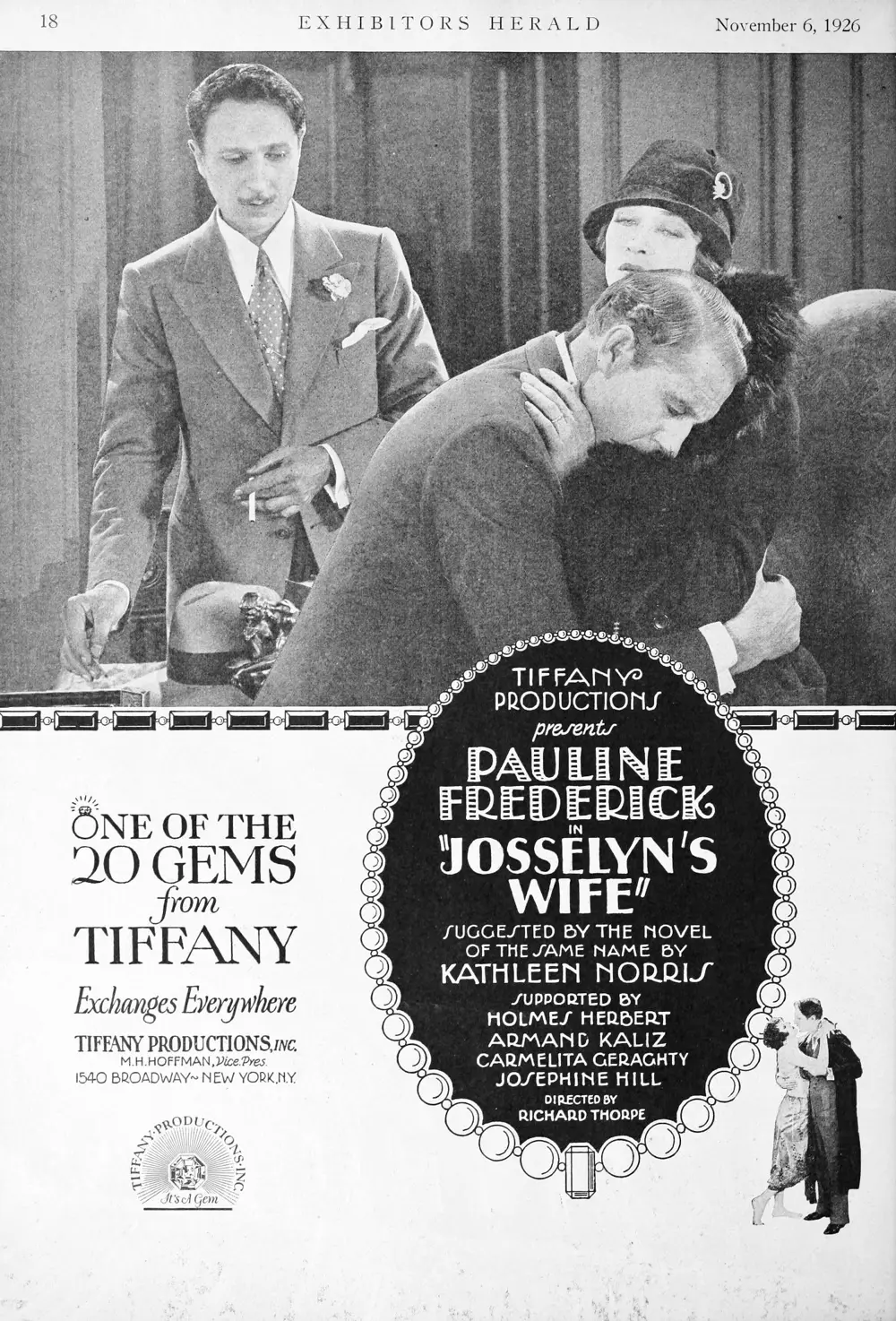
After only six months of marital bliss, Lillian Josselyn is filled with dread at the return of former lover Pierre Marchand, who left her for Ellen Latimer. When Pierre and Ellen visit the Josselyns, Pierre tries to revive his former love; and Ellen, suspecting that Pierre is having an affair with dancer Flor, encourages the attentions of Pierre's friend Arthur.
Is this 1926 silent relic worth your afternoon? Short answer: Yes, but only if you appreciate the heightened artifice of the Jazz Age melodrama. This film is a definitive pick for those who study the evolution of the 'woman in peril' subgenre, but it is certainly not for viewers who require logical character motivation...
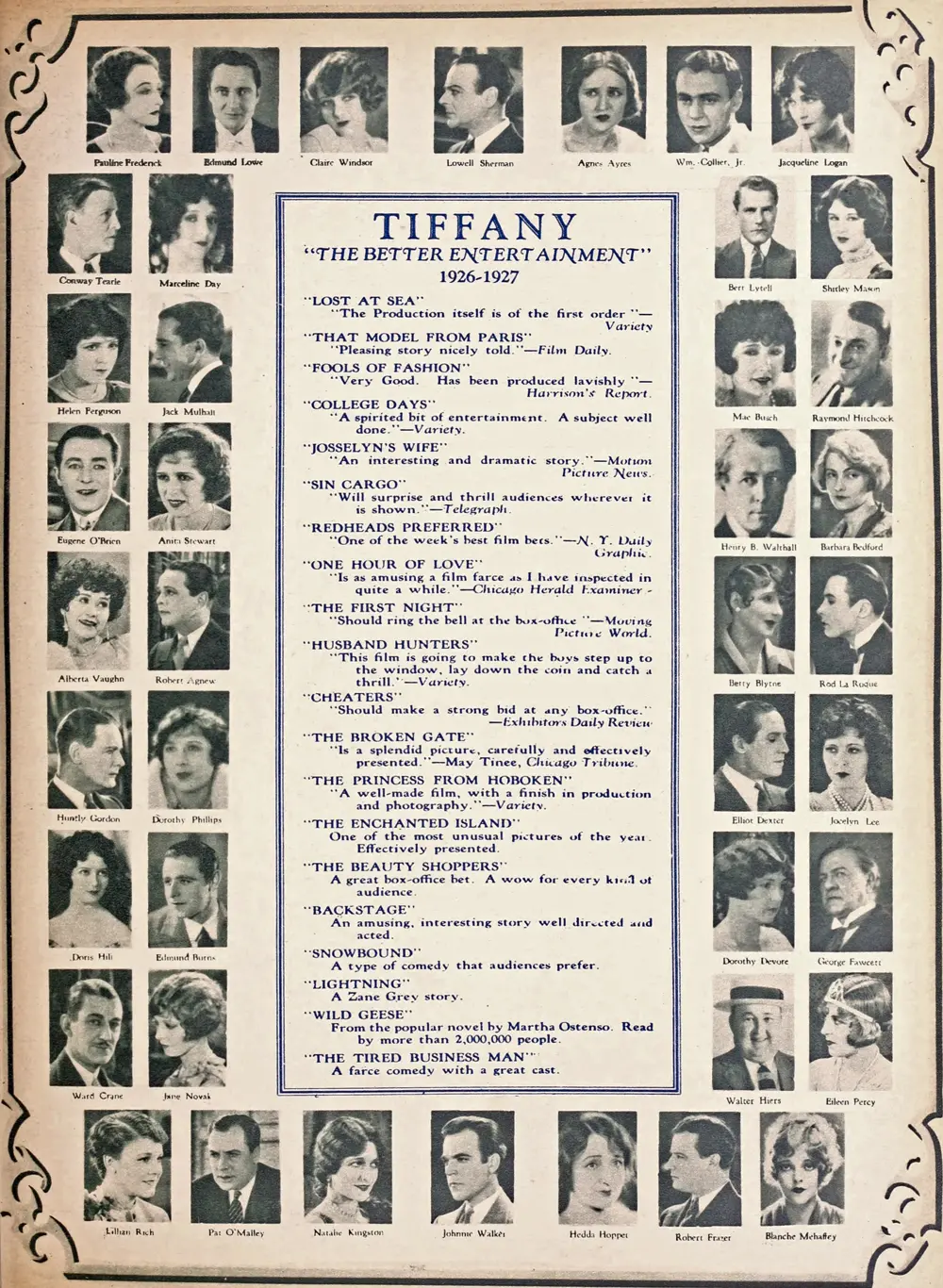
publicity
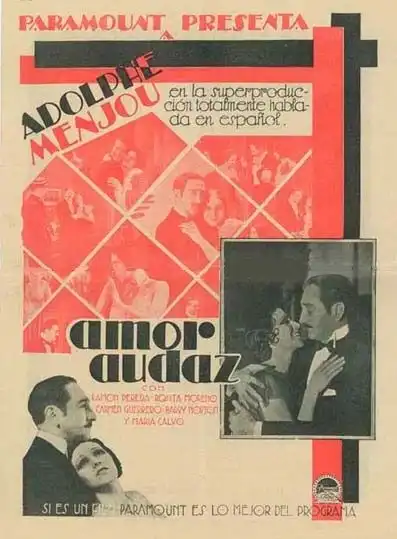
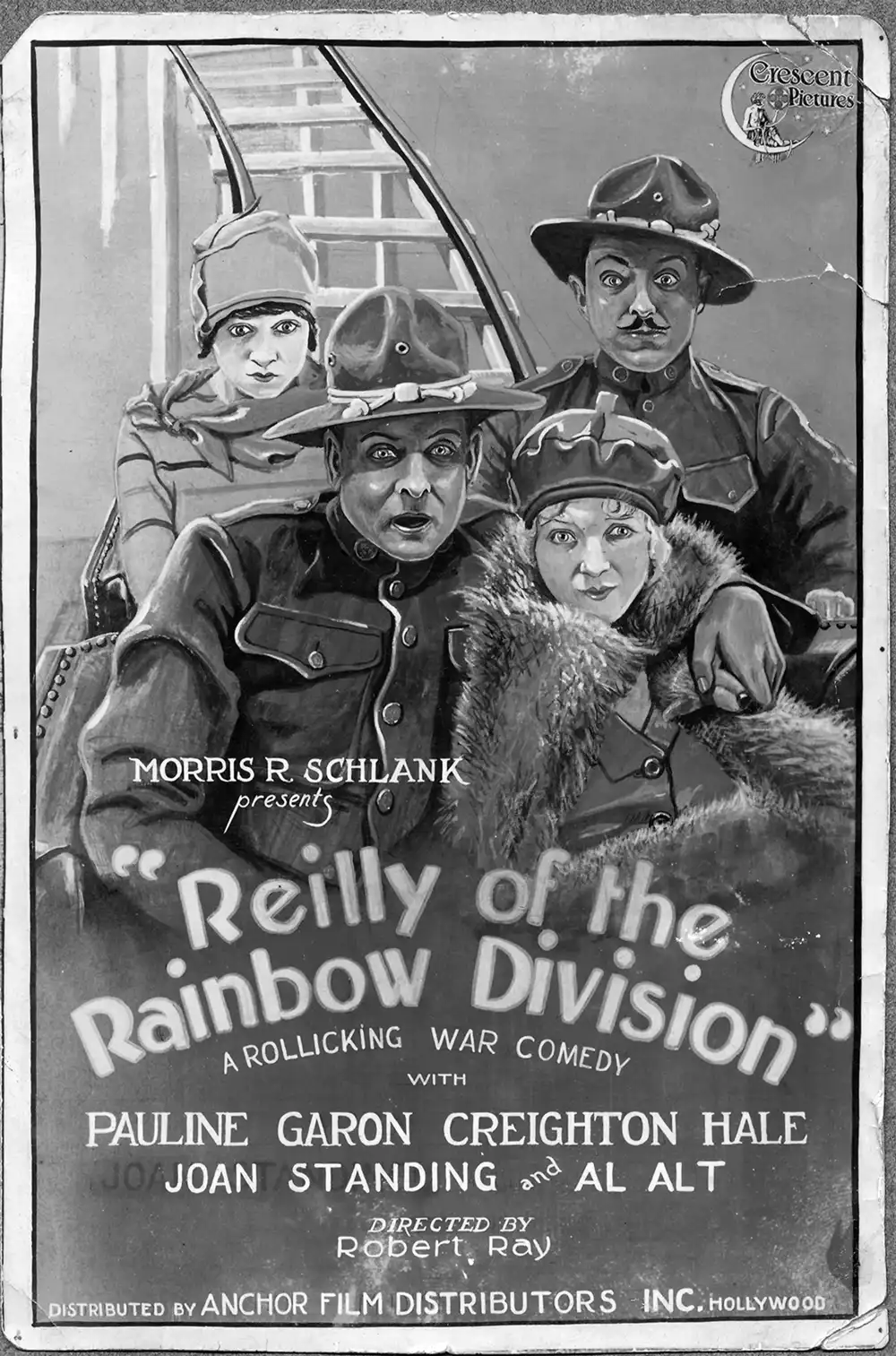
Comparing the cinematic DNA and archive impact of two defining moments in cult history.
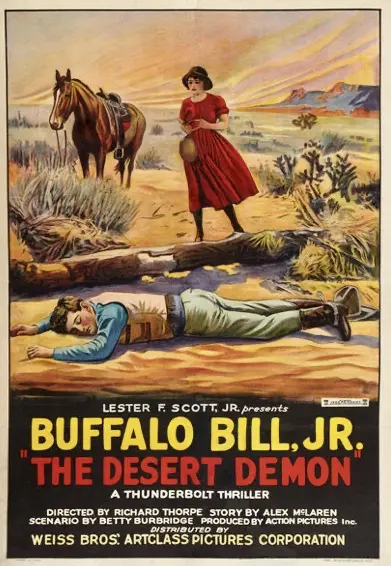
Richard Thorpe
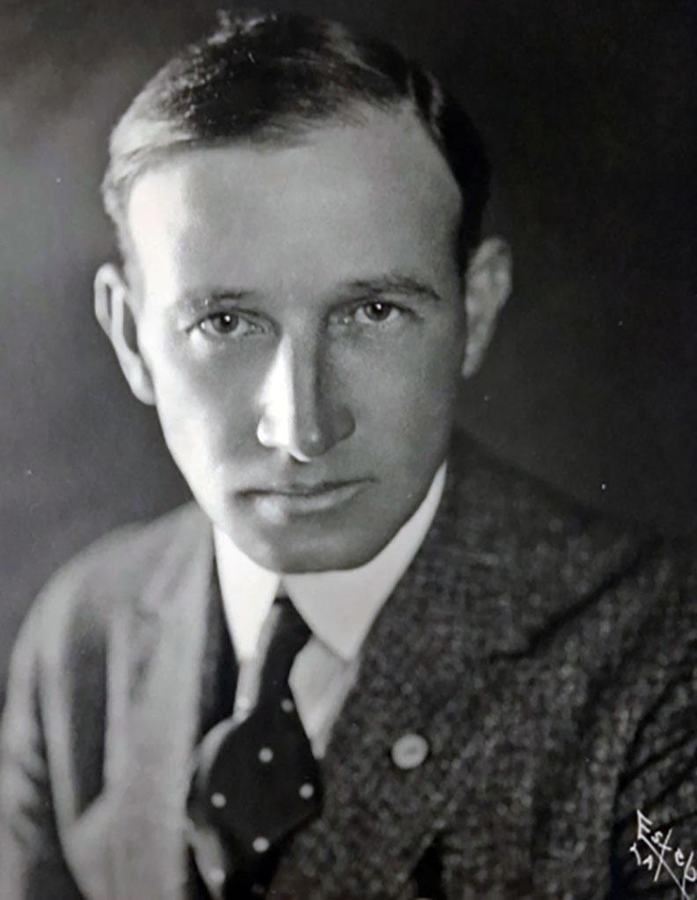
Wilfred Lucas
Community
Log in to comment.
"Is this 1926 silent relic worth your afternoon? Short answer: Yes, but only if you appreciate the heightened artifice of the Jazz Age melodrama. This film is a definitive pick for those who study the evolution of the 'woman in peril' subgenre, but it is certainly not for viewers who require logical character motivations or fast-paced modern editing.This film works because it utilizes the expressive power of Pauline Frederick and Carmelita Geraghty to bridge the gap between silent pantomime and g..."
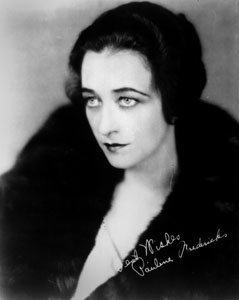
Pauline Frederick
Agnes Parsons, Kathleen Norris
United States