DbcultAccessing Vault...
Cult Review
Senior Film Conservator
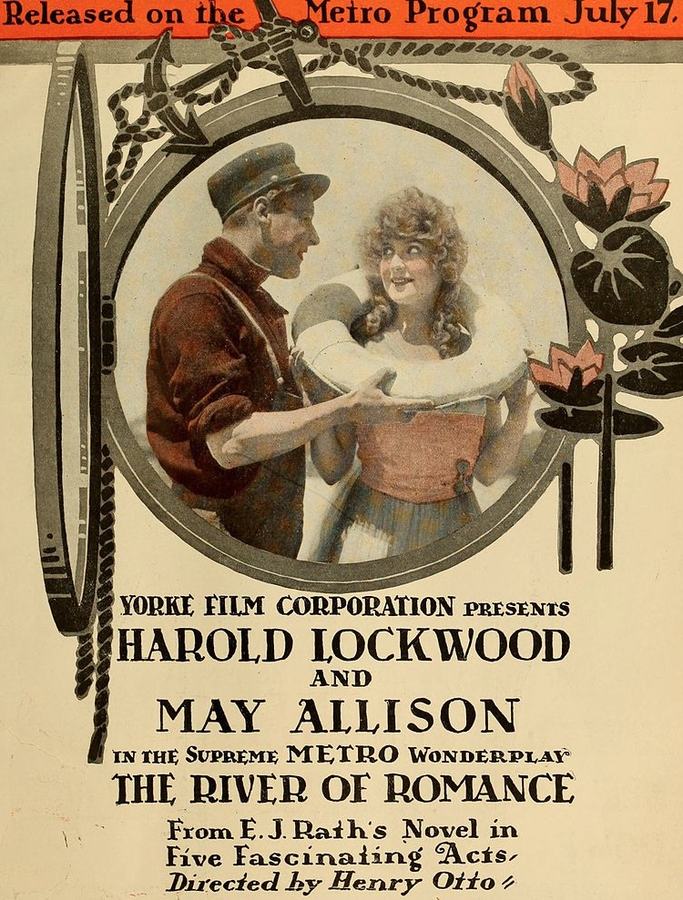
Stepping back into the golden age of silent cinema offers a unique pleasure, a journey into storytelling where visuals, gestures, and the evocative power of a score carry the entire narrative weight. Among the myriad treasures unearthed from this prolific era, The River of Romance emerges as a particularly charming, if sometimes delightfully convoluted, example of romantic adventure. Released in an era brimming with cinematic experimentation and burgeoning star power, this film, directed with a light touch by Henry Otto and penned by E.J. Rath, captures a specific kind of innocent thrill, a blend of mistaken identity, daring escapades, and an undeniable spark between its leads. It's a testament to the enduring appeal of a well-spun yarn, even when that yarn is delivered without a single spoken word.
Our narrative plunges us headfirst into the world of Rosalind Chalmers, portrayed with vivacious grace by the luminous May Allison. Rosalind is no shrinking violet; she's a New York society girl, yes, but one with an independent spirit and a penchant for decisive action. Her initial motivation for seeking refuge in the tranquil Thousand Islands is refreshingly pragmatic: to escape the suffocating attentions of Reginald Williams, a suitor whose persistence clearly exceeds his charm. This immediate establishment of Rosalind's agency sets a compelling tone. She's not merely a character to whom things happen; she's an active participant, charting her own course. This proactive stance is reminiscent of the strong female leads found in other contemporary melodramas, though perhaps less overtly dramatic than the titular character in Madame X, where a woman's choices are often dictated by societal pressures and tragic circumstances. Rosalind’s flight is one of self-preservation, a quest for personal peace rather than a response to dire social condemnation.
Her journey takes an unexpected turn when she misses the final ferry to her friends, the Witherbees' island. This minor inconvenience becomes the catalyst for the entire romantic entanglement, a classic narrative device that still resonates today. Enter "Sam," a figure who immediately piques Rosalind's interest. Played by Lee Walker, Sam is introduced as a humble boatman, his vessel a testament to hard-won resilience rather than opulent display. Yet, there’s an underlying charisma, an intriguing air about him that transcends his seemingly modest circumstances. We, the audience, are privy to his secret: Sam is, in fact, William Kellogg, the scion of the immense Davidson fortune. His disguise is not born of malice or deception, but of a rather endearing, if somewhat quixotic, sense of honor. Having accidentally shattered a priceless vase belonging to his uncle, Henry Davidson, Kellogg has embarked on a mission to earn the money for its replacement himself, eschewing his inherited wealth for the honest toil of "One-Cylinder Sam." This particular conceit adds a layer of delightful irony and a touch of the everyman hero to his character, a trope that often endeared protagonists to silent film audiences who appreciated narratives of self-made success or virtuous struggle.
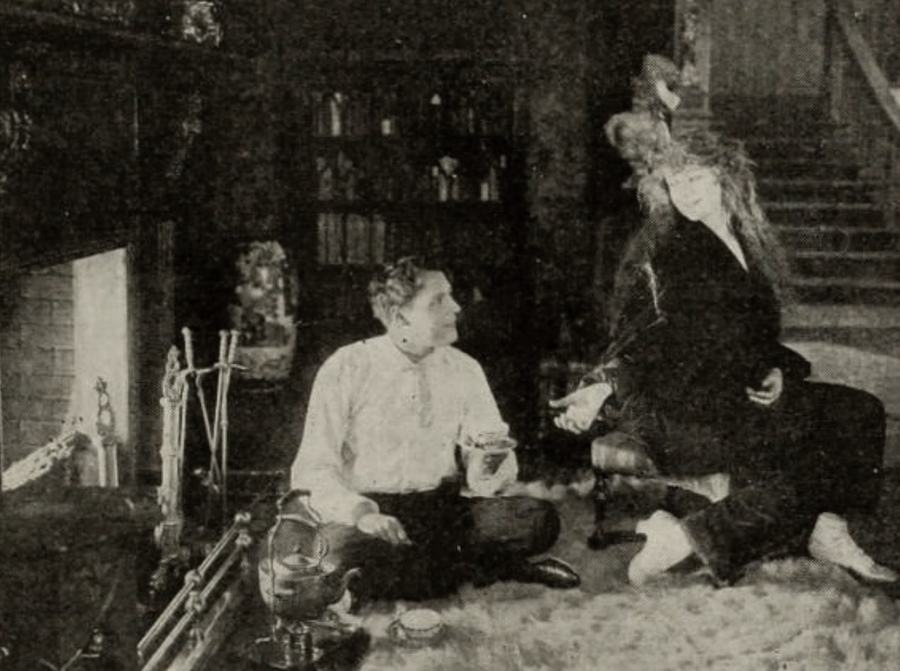
The initial encounter between Rosalind and Sam is peppered with charming details that foreshadow their burgeoning connection. It's revealed that Rosalind, far from being a purely ornamental society belle, possesses a practical and rather uncommon hobby for a woman of her standing: motors. When Sam's decrepit motorboat inevitably sputters to a halt, it's Rosalind, with a confident flick of the wrist and an intuitive understanding of internal combustion, who brings the engine back to life. This moment is crucial. It subverts expectations, presenting Rosalind not just as a beautiful object of affection but as a capable, intelligent individual. This resourcefulness is a refreshing characteristic, elevating her beyond the typical ingenue and making her a more compelling romantic lead. It's a small but significant detail that injects a dose of realism and modern sensibility into the story.
Their arrival at the Witherbee island under the cloak of night initiates a cascade of comedic and thrilling misunderstandings. Rosalind, attempting to gain entry through a window, inadvertently triggers a burglar alarm, sending her fleeing into the night. This chaotic sequence, punctuated by startling gunshots, propels her further into the labyrinthine plot. Taking a small boat, she ventures onto the river, only to hear more shots emanating from Davidson Island. Angry voices confirm her suspicions: the supposed "burglar" are now there. It's a beautifully choreographed escalation of tension, relying on visual cues and the audience's imagination to fill in the blanks.
The pursuit on the river is a highlight, showcasing the film's capacity for genuine suspense. Two motorboats roar to life, one in pursuit, the other fleeing. When the engine of the pursued boat falters, Rosalind, ever the mechanic, instinctively moves to assist. And who should she find in the disabled craft but Sam, the mysterious boatman she now firmly believes to be a burglar! Here, the film expertly plays with dramatic irony. Rosalind, convinced of his criminal intent, is nonetheless drawn to him by an undeniable, almost primal, attraction. She fixes his engine, aiding his escape from the pursuing boat, a decision driven not by logic, but by the burgeoning, confusing dictates of her heart. This internal conflict—her rational suspicion versus her emotional pull—is a classic romantic dilemma, expertly conveyed through Allison's expressive acting. It’s a moment that resonates with the complexities of human relationships, where sometimes, the heart simply refuses to listen to the head. This theme of an unexpected connection overriding preconceived notions is a thread woven through many silent era romances, perhaps less overtly class-conscious than in The Lion and the Mouse, but equally potent in its exploration of societal boundaries and personal desires.
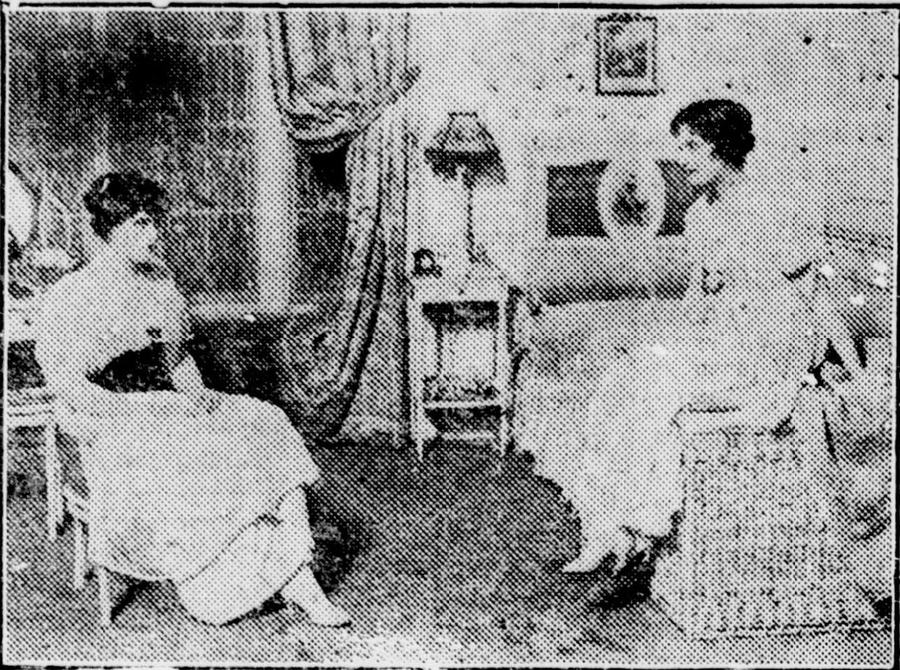
Following this thrilling chase, Rosalind and Kellogg (still known to her as Sam) find themselves spending considerable time together, immersed in the simple, unpretentious life of the islands. This period allows their connection to deepen, built on shared experiences and a growing, unspoken understanding. The idyllic setting of the Thousand Islands, with its labyrinthine waterways and secluded coves, provides the perfect backdrop for this blossoming romance, lending an air of isolated intimacy to their interactions. It’s a classic cinematic trope, where geographical separation from the bustling world allows for a more authentic, uninhibited connection to form.
The narrative takes a dramatic turn at a hotel dance, where Kellogg, shedding his "One-Cylinder Sam" persona, appears in sophisticated evening clothes. This sudden transformation undoubtedly sends a ripple of confusion through Rosalind, hinting at the deeper mystery surrounding him. With a confident, almost audacious charm, he secures a dance with her, then sweeps her away for a moonlight stroll. It is here, under the romantic glow of the moon, that Kellogg makes his fervent declaration: he is madly in love with her, and he intends to marry her, with or without her consent. This bold, almost possessive, declaration, while perhaps jarring to modern sensibilities, was a common romantic flourish in the melodramas of the era, conveying intense passion and unwavering commitment. For Rosalind, however, still convinced of his criminal nature, this declaration is terrifying. The man she finds herself inexplicably drawn to is, in her mind, a dangerous desperado.
The tension escalates further when Kellogg, in a grand gesture, picks her up and carries her to his boat. This act, meant to convey irresistible passion, is perceived by Rosalind as an abduction, amplifying her fear. The stakes are raised dramatically when, mid-stream, their boat strikes a submerged rock and sinks. This sudden peril forces a shift from romantic drama to survival. Kellogg, demonstrating true heroism, swims ashore with Rosalind to his uncle's island. His subsequent offer to "break into" the house for dry clothes, while intended as a practical solution, only reinforces Rosalind's deep-seated conviction that he is a burglar. Her consent, born of necessity and the biting chill of the night, is a testament to her desperate situation.
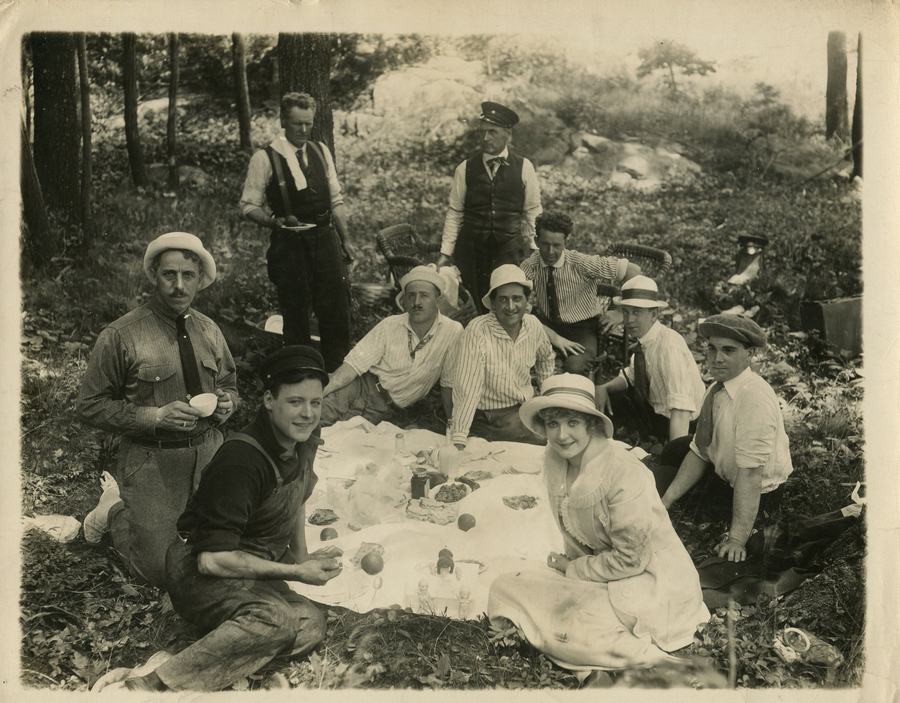
The climax unfolds within the Davidson mansion. Kellogg, now in fresh clothes, is greeted joyfully by his uncle, Henry Davidson. The scene is one of warmth and familial affection, entirely at odds with Rosalind's perception of a clandestine hideout. The moment of truth arrives when Kellogg hands his uncle a purse, brimming with the money he meticulously earned as "One-Cylinder Sam" to pay for the broken vase. This act of humble restitution, coupled with his uncle's proud acceptance, finally shatters Rosalind's misconception. Her relief, palpable even without dialogue, is immense. The man she is going to marry is not a criminal; he is, in fact, an honorable, wealthy, and deeply devoted suitor.
This grand reveal is the satisfying culmination of the film's intricate dance of identity and perception. It echoes themes of hidden nobility and the triumph of true character over superficial appearances, a narrative arc found in many silent films, where characters often undergo significant transformations or unveil their true selves, much like the thematic journey in The Butterfly. The film concludes with the joyous understanding that their love, forged through adventure and misunderstanding, is now free to flourish without the shadow of suspicion.
May Allison, as Rosalind Chalmers, delivers a performance that perfectly encapsulates the spirited heroines of the era. Her expressive face and nuanced gestures convey a wide range of emotions, from frustration and fear to burgeoning affection and ultimate relief, all without the aid of spoken dialogue. She makes Rosalind not just beautiful, but relatable and admirable, a woman of intellect and courage. Lee Walker, as William Kellogg/Sam, manages to imbue his character with both rugged charm and an underlying sophistication, making his dual identity believable and his romantic fervor convincing. The chemistry between Allison and Walker is undeniable, a crucial element for any romance, silent or otherwise. Their interactions, particularly the moments of shared peril and the dance scene, crackle with an authentic spark.
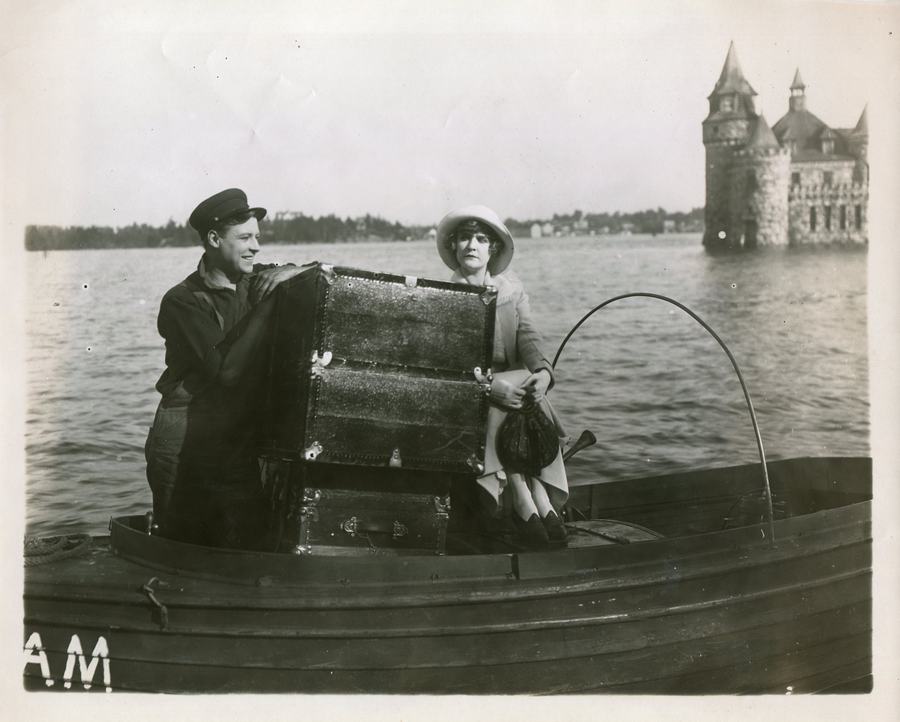
Director Henry Otto, a prolific figure in early cinema, demonstrates a keen understanding of pacing and visual storytelling. The film moves with a brisk energy, never dwelling too long on any single scene, ensuring the audience remains engaged. The action sequences, particularly the boat chases and the sinking, are staged effectively, creating genuine suspense. Otto’s direction, combined with E.J. Rath’s screenplay, expertly balances moments of lighthearted romance with thrilling adventure, maintaining a cohesive tone throughout. The use of the Thousand Islands as a setting is not merely decorative; it becomes an active character in the story, its waterways facilitating both escape and pursuit, its secluded nature fostering intimacy. This sense of place is vital, much like the atmospheric settings in mystery films such as The House of a Thousand Candles, where the environment itself adds layers of intrigue and possibility.
The River of Romance is more than just a simple love story; it’s a delightful snapshot of early 20th-century cinema, reflecting the social conventions and narrative sensibilities of its time. The theme of mistaken identity, a cornerstone of the plot, was a popular device, allowing for both comedic situations and dramatic reveals. This trope is as old as Shakespeare, but in the hands of silent filmmakers, it often took on a uniquely cinematic quality, relying on visual cues and the audience's investment in the characters' perceptions. The film subtly explores class distinctions through Kellogg's temporary adoption of a working-class persona, though it ultimately reaffirms the virtues of inherited wealth when coupled with integrity. This is a common thread in many films of the era, where true character is often found to reside regardless of one's social standing, sometimes even challenging rigid class structures, as seen in a film like The Escape, though perhaps with less overt social commentary.
The film’s emphasis on adventure and the great outdoors also speaks to a broader cultural fascination with travel and exploration, a romanticized view of nature as a setting for self-discovery and romance. The Thousand Islands provide a picturesque and dynamic backdrop, far removed from the urban confines of New York society, allowing Rosalind and Kellogg to interact on a more elemental, genuine level. It’s a classic "fish out of water" scenario, but for Kellogg, it’s a deliberate choice, a self-imposed exile that ultimately leads him to his true love.
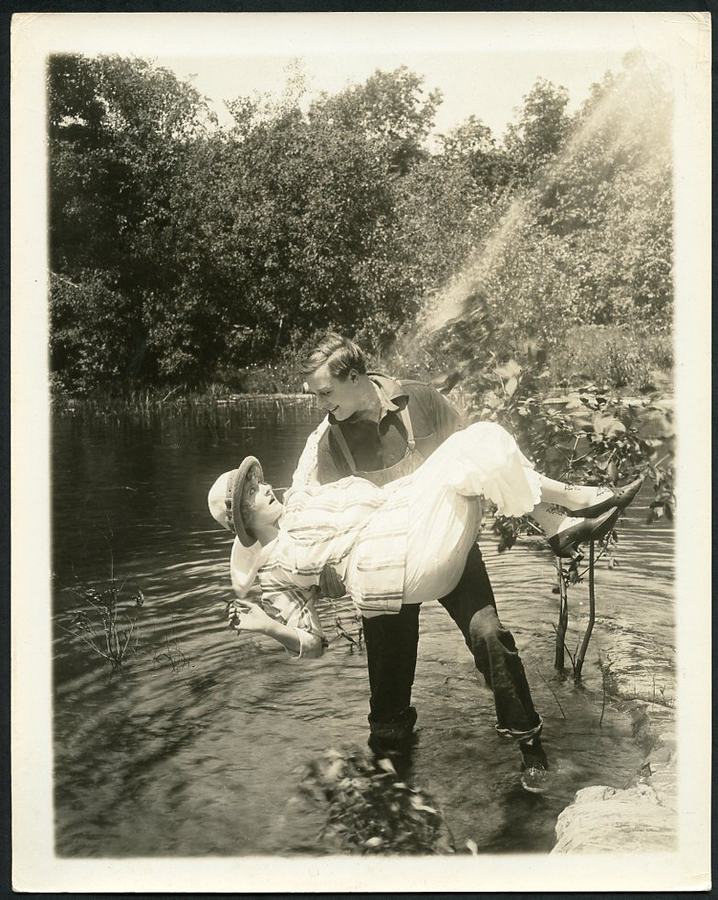
While perhaps not as widely remembered as some of its more epic contemporaries, The River of Romance holds its own as a charming and engaging piece of silent film history. It offers a captivating blend of romance, light mystery, and adventure, all delivered with the unique charm and visual artistry that defined the era. For enthusiasts of silent cinema, or anyone seeking a delightful escape into a bygone age of storytelling, this film is well worth seeking out. It reminds us that sometimes, the most compelling love stories are those where misunderstanding paves the way for a deeper, more profound connection, proving that true romance can indeed flow like a river, navigating obstacles and ultimately finding its destined course. Its narrative simplicity, combined with effective characterization and dynamic plotting, ensures that its appeal remains undimmed by the passage of time. It's a testament to the fact that compelling human drama, even without the crutch of dialogue, can still resonate powerfully with an audience, drawing them into a world of intrigue and affection. Just as a hidden gem like Qristine might surprise with its depth, so too does this film offer more than meets the eye, a nuanced exploration of perception and passion.
The film’s ability to sustain its central deception for so long without frustrating the audience is a credit to both the writing and the performances. We are aware of Kellogg’s true identity, and we understand Rosalind’s misinterpretations, creating a delightful dramatic irony that keeps us invested. This careful balance prevents the plot from becoming overly farcical, grounding it in the genuine emotions of the characters. The final reveal, rather than feeling forced, feels earned, a natural culmination of the journey they have both undertaken, individually and together. It’s a satisfying resolution that delivers on the romantic promise established from their very first, engine-stalled encounter. The enduring charm of films like The Queen's Jewel or Mrs. Black Is Back lies in their ability to craft engaging narratives around compelling characters, and The River of Romance certainly achieves this with its spirited leads and their eventful journey towards understanding. The film also showcases the visual poetry that silent cinema was capable of, using the natural beauty of the Thousand Islands to enhance the romantic and adventurous elements of the story. The subtle expressions, the grand gestures, and the carefully composed shots all contribute to a rich tapestry of emotion and action that transcends the lack of spoken word, proving the universal language of cinema.
In conclusion, The River of Romance is a delightful cinematic confection, a charming example of silent era romance and adventure. It’s a film that speaks to the timeless appeal of love conquering all, even mistaken identities and perceived criminal activities. Its spirited heroine, intriguing hero, and picturesque setting combine to create a memorable viewing experience that resonates with the innocence and ingenuity of early filmmaking. It’s a gentle reminder that some stories, no matter how old, continue to charm and entertain, their silent whispers speaking volumes across the decades. This film stands as a testament to the vibrant creativity of the era, offering a glimpse into a world where grand gestures, thrilling chases, and the power of true love held audiences spellbound, much like the captivating narratives of The Traitress or the dramatic tension of On the Fighting Line. The narrative's careful construction, building layers of misunderstanding before a triumphant revelation, showcases a mastery of storytelling that transcends technological limitations.
The film is a vivid example of how silent films, despite their inherent limitations, could evoke profound emotional responses and deliver complex narratives. The visual language employed by Otto and Rath is sophisticated, relying on close-ups to capture the nuances of Allison's and Walker's expressions, and wider shots to establish the stunning Thousand Islands setting. The use of intertitles is sparse but effective, providing just enough information to guide the audience without interrupting the flow of the visual story. This delicate balance is what makes The River of Romance such a compelling watch. It is a film that encourages active viewing, inviting the audience to interpret and engage with the story on a deeper level, much like the intricate plots of From the Valley of the Missing or the psychological depths of Queen of Spades. It celebrates human ingenuity, both in the characters' actions and in the filmmakers' craft, making it a valuable piece of cinematic heritage.
The thematic undercurrents of independence, integrity, and the unpredictable nature of love are universally appealing, ensuring the film's relevance beyond its historical context. Rosalind's mechanical skills and Kellogg's self-imposed task to earn money for the vase are small details that speak volumes about their characters, adding depth and relatability. These elements transform what could have been a simple romantic comedy into something more substantial, a story about individuals who, despite their privileged backgrounds, value honesty and self-reliance. This focus on character-driven motivation is a strong suit, providing a solid foundation for the romantic entanglements. It’s a characteristic that makes films like Niobe or Runaway June resonate with audiences looking for more than just surface-level entertainment. The film truly shines in its ability to marry adventurous thrills with genuine romantic sentiment, making it a delightful example of early 20th-century entertainment. The carefully constructed plot, the charming performances, and the beautiful setting all contribute to a film that is both historically significant and thoroughly enjoyable, a timeless tale of love found amidst an unexpected adventure. The way it skillfully weaves together elements of suspense, humor, and tender romance makes it a standout, comparable in its narrative complexity and emotional resonance to films like The Dark Silence, which also explores the intricacies of human relationships under duress.

IMDb 5.6
1932
Community
Log in to comment.