DbcultAccessing Vault...
4.9/10
Senior Film Conservator
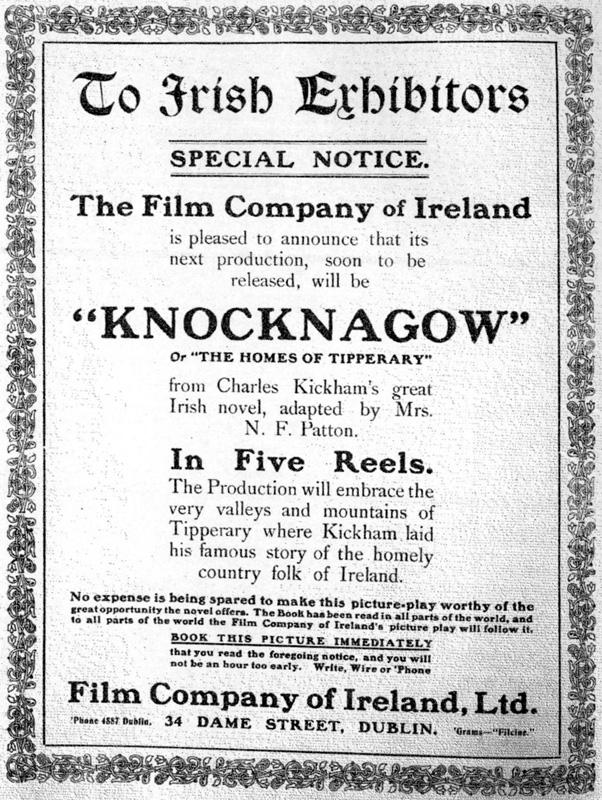
A definitive 4.9/10 rating for a film that redefined the boundaries of cult cinema. Knocknagow remains a cornerstone of transgressive art.
The cinematic landscape of early 20th-century Ireland, often overlooked in the grander narratives of film history, offers a fascinating glimpse into a nation grappling with its identity, its past, and its aspirations. Amongst these nascent productions, Knocknagow stands as a particularly resonant artifact, a silent film adaptation of Charles Kickham’s seminal 19th-century novel. Its very existence speaks volumes about the cultural ambition and political consciousness simmering beneath the surface of a society on the cusp of profound change. This isn't merely a quaint historical curio; it is a powerful, if visually restrained, exploration of themes that remain strikingly pertinent: social injustice, the abuse of power, and the resilience of the human spirit in the face of systemic oppression.
The film’s narrative core, extracted from Kickham's sprawling literary work, distills a bitter truth of Irish history: the precarious existence of tenant farmers under an often-absentee landlord class. Here, the machinations of a malevolent agent become the focal point, a microcosm of broader colonial exploitation. This individual, a figure of petty tyranny, orchestrates a cunning scheme to frame his rival for a burglary, an act of perfidy that serves not only his personal animosity but also reinforces the hierarchical power structures of the era. The agent’s calculated malice, portrayed with a sinister subtlety characteristic of silent cinema villains, is designed to dismantle the rival’s standing within the community, to strip him of his dignity and freedom. Such narratives, where an innocent is ensnared by a web of deceit spun by a powerful antagonist, resonate across cinematic eras, finding echoes in films like The Painted Lie or even the more overtly melodramatic The Woman Who Dared, where the struggle against false accusations forms the dramatic backbone.
The genius of Knocknagow lies in its ability to translate the emotional heft of Kickham’s novel into a visual language, despite the inherent limitations of early filmmaking. The protagonist, a symbol of the upright, hardworking Irishman, becomes a tragic figure, his life upended by a baseless accusation. His struggle is not merely personal; it is emblematic of the wider suffering endured by a populace routinely dispossessed and disenfranchised. The film, through its stark portrayal of injustice, invites the audience to empathize deeply with his plight, to feel the weight of a system designed to keep certain individuals in their place. This thematic thread of an individual battling an overwhelming, corrupt system is a timeless one, explored with varying degrees of success in films across genres and epochs, from the historical drama Zhizn i smert leytenanta Shmidta focusing on revolutionary struggle, to more personal narratives of societal pressure like The Gates of Eden, where characters confront rigid community expectations.
The antagonist, the landlord's agent, is not a nuanced character in the modern sense, but rather a clear embodiment of villainy, a necessary trope for the dramatic clarity of silent cinema. His actions are not merely self-serving; they are destructive to the very fabric of the community. This portrayal, while perhaps simplistic by contemporary standards, effectively communicates the pervasive fear and resentment directed towards such figures in historical Ireland. The film thus functions as both entertainment and a potent piece of social commentary, subtly critiquing the power dynamics of its source material’s era while being made in a time when Ireland was itself on the cusp of a nationalist awakening. The silent medium, paradoxically, often amplified such clear-cut moral dichotomies, allowing for a universal understanding of good versus evil through exaggerated gestures and stark visual contrasts.
In the absence of spoken dialogue, the burden of conveying emotion and advancing the plot falls squarely on the shoulders of the performers. The ensemble cast of Knocknagow rises to this challenge with a blend of theatricality and nascent cinematic realism. Figures like Moria Breggni, J.M. Carre, and Patrick O'Donnell, along with the young Cyril Cusack, who would later become a titan of Irish theatre and film, navigate their roles with a palpable commitment. Their performances, characterized by expressive facial movements and deliberate body language, are the conduits through which the audience understands despair, anger, hope, and love. The exaggerated gestures, often a hallmark of silent era acting, are not merely a stylistic choice but a necessity, a visual vocabulary designed to transcend the lack of audible speech. This approach to character portrayal can be observed in many films of the period, from the dramatic intensity of Vingarne to the more nuanced emotional landscapes of Fanchon, the Cricket, where actors mastered the art of conveying complex inner states through purely external means.
The casting of Arthur Shields, a significant figure in the Abbey Theatre, further elevates the film's theatrical pedigree, lending it an air of serious artistic intent. His presence, alongside others like Charles Power and Kathleen Murphy, underscores the strong connection between early Irish cinema and its vibrant stage tradition. Each actor contributes to the tapestry of rural life, embodying the archetypes of the community: the stoic elder, the spirited young woman, the conniving villain. Even minor roles, filled by talents such as Valentine Roberts or Brefni O'Rorke, collectively build a believable world, a testament to the collaborative spirit required to bring such a narrative to life without the aid of spoken dialogue. The film doesn't rely on star power in the modern sense, but on the collective ability of its cast to communicate a shared human experience.
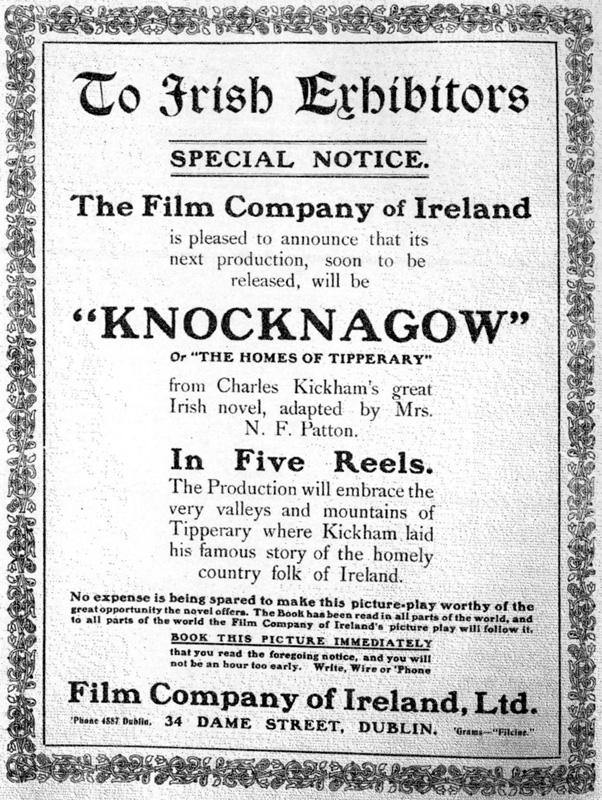
Beyond the performances, the film's visual language is a fascinating study in early cinematic expression. The cinematography, while perhaps lacking the sophisticated camera movements of later eras, employs compositions that are both functional and evocative. Scenes depicting the Irish countryside, the humble cottages, and the bustling village life are rendered with a straightforward authenticity, grounding the melodramatic plot in a tangible reality. The use of intertitles, the textual inserts that provide dialogue, narration, and exposition, becomes an art form in itself, guiding the audience through the story's intricacies. These intertitles are not mere afterthoughts; they are integral to the storytelling, often imbued with the lyrical quality of Kickham's prose, bridging the gap between literary source and visual adaptation. This reliance on textual explanation and visual cues aligns with many films of its time, from the narrative clarity of Sequel to the Diamond from the Sky to the more experimental visual narratives seen in works like The Heart of a Painted Woman, each finding unique ways to tell stories without sound.
The film’s direction, though uncredited in many historical accounts, manages to maintain a consistent tone and pace, building tension effectively as the plot unfolds. The sequence depicting the actual burglary and the subsequent framing of the rival would have been a masterclass in suspense for contemporary audiences, relying on careful editing and the actors' reactions to convey the gravity of the situation. While not as overtly stylized as some European silent films like Vingarne, Knocknagow nevertheless crafts its own visual aesthetic, one rooted in capturing the essence of Irish rural existence. The choice of locations, presumably authentic Irish settings, further enhances its verisimilitude, transporting viewers directly into the world Kickham so vividly described. The film doesn't shy away from depicting the harsh realities of agricultural labor or the simple pleasures of community gatherings, offering a holistic view of life that makes the ensuing injustice all the more poignant.
The political landscape of Ireland during the period Knocknagow was both written and filmed lends a profound, almost unavoidable, layer of interpretation to its narrative. Charles Kickham, the original author, was a Fenian, a staunch Irish nationalist, and his novel was deeply infused with a critique of British landlordism and the injustices faced by the Irish populace. The film, consciously or unconsciously, carries this legacy forward. The absentee landlord and his malevolent agent become symbols of an oppressive colonial system, while the framed rival represents the struggling Irish everyman, constantly battling against forces beyond his control. This thematic resonance aligns it with other works that implicitly or explicitly critique power structures, whether it's the colonial dynamics hinted at in Le nabab or the struggles of marginalized communities against dominant forces, as potentially seen in The Yaqui.
The choice to adapt Knocknagow for the screen during a period of intense political ferment in Ireland (the early 20th century) was undoubtedly a deliberate one. It served not only as popular entertainment but also as a cultural touchstone, reminding audiences of past grievances and subtly fueling nationalist sentiment. The film becomes a cinematic act of cultural preservation, ensuring that the stories and struggles of the Irish people, as depicted by one of their own, were given a new, widely accessible form. It speaks to the power of art to both reflect and shape public consciousness, offering a window into the collective memory and aspirations of a nation. This deep connection between art and national identity is a recurring motif in cinema history, from the early days of Soviet montage to the flourishing of independent national cinemas worldwide.
Despite its age and the technical constraints of its production era, Knocknagow retains a surprising vitality. It stands as a testament to the enduring power of a compelling story, well-told, even without the benefit of sound or color. Its themes of justice, community, betrayal, and resilience are universal, transcending its specific historical setting. For cinephiles and historians alike, it offers invaluable insights into the nascent stages of Irish cinema and the broader landscape of early silent film. It reminds us that even in an age of rudimentary technology, filmmakers were capable of crafting narratives with profound emotional depth and social relevance. The film, therefore, is more than just a historical document; it is a vital piece of cultural heritage, demanding our attention and careful study.
Observing how the film’s creators grappled with the challenges of visual storytelling provides a masterclass in foundational cinematic principles. Every gesture, every intertitle, every carefully composed shot was a deliberate choice, contributing to a coherent and engaging narrative. It prompts us to appreciate the ingenuity of these pioneers who, with limited resources, laid the groundwork for the cinematic language we understand today. Its examination of a community's struggle against an oppressive force remains relevant, serving as a reminder of the timeless fight for fairness and dignity. In an era where complex social issues are often distilled into soundbites, Knocknagow offers a more deliberate, visually rich meditation on the human cost of injustice, echoing the universal themes found in stories across the globe, from the personal dilemmas of Assigned to His Wife to the broader societal critiques of Kadra Sâfa. It solidifies its place not just as a piece of Irish film history, but as a compelling example of early global cinema's capacity for impactful storytelling.
IMDb 6.2
1921
Community
Log in to comment.