DbcultAccessing Vault...
Cult Review
Senior Film Conservator
Is La tournée Farigoule a relic worth unearthing for the modern viewer? Short answer: Yes, but only if you possess a genuine hunger for the messy, unvarnished roots of European ensemble filmmaking. This film is for the cinematic archaeologist and the lover of French theatrical history; it is decidedly not for those seeking the high-octane thrills of Hollywood's silent golden age.
To understand this film, you must look past its age and into its heart. It is a chaotic, sometimes fragmented experience that mirrors the very lives of the actors it depicts.
1) This film works because it refuses to romanticize the 'starving artist' trope, opting instead for a documentary-like observation of the logistical and emotional grind of a traveling troupe.
2) This film fails because its narrative structure is occasionally as disorganized as the Farigoule tour itself, leading to pacing issues that can alienate viewers used to tighter scripts.
3) You should watch it if you want to see a young Simone Genevois before she became a legend, or if you have an interest in how 1920s cinema captured the dying gasp of the traveling theater circuit.
Marcel Manchez doesn't give us a polished stage. He gives us the dust. In an early scene where the troupe arrives at a local barn-turned-theater, the camera lingers on the weary faces of Jane Pierson and Max Lerel. There is no glamour here. They are lugging trunks that look heavier than their weekly earnings. This specificity is what elevates the film above contemporary melodramas like The Passion of a Woman Teacher. While other films of 1923 were leaning into heavy symbolism, Manchez was interested in the weight of a suitcase.
The ensemble cast is a revolving door of French character actors. Pauline Carton, who would go on to have a massive career, shows early flashes of the wit that made her a staple of the screen. Her performance is punchy. It’s grounded. She doesn't just act; she inhabits the space with a cynical energy that feels modern. When she interacts with the local townspeople, there is a palpable sense of 'us versus them' that defines the traveling actor's existence.
Manchez uses the French countryside not as a postcard, but as an obstacle. The cinematography by Jean-Paul Mundviller is surprisingly dynamic for the period. There are moments where the camera follows the troupe’s wagon that feel almost like a precursor to the road movies of the 1960s. It lacks the experimental aggression of Kino-pravda no. 4, but it possesses a quiet confidence in its realism.
One standout moment involves a performance that goes horribly wrong. The set pieces fall, the lines are forgotten, and the audience begins to jeer. Instead of playing this for broad comedy, Manchez focuses on the eyes of Simone Genevois. In that moment, we see the crushing weight of public failure. It’s a brutal, simple shot. It works. It reminds us that for these people, the stage isn't a hobby; it's a lifeline.
If there is a significant hurdle for the modern viewer, it is the middle act. The film meanders. It gets lost in the subplots of secondary characters like Charles Martinelli or Edith Silva. While these diversions add texture, they often stall the momentum. Compared to the tight narrative of It Is the Law, La tournée Farigoule feels like it needs a more disciplined editor. It’s a film that breathes a bit too much.
However, this lack of polish is also its greatest strength. There is a sense of spontaneity that you don't find in the more rigid productions of the era, such as Under the Greenwood Tree. The film feels like it was captured on the fly, even when it was clearly staged. This 'lived-in' quality is a rare find in silent cinema.
Yes, for those who value atmosphere over plot. The film provides a window into a lost world of French entertainment. It’s a slow burn, but the payoff is a deep, empathetic connection to a group of characters who are fighting to keep their art alive in a changing world. It is flawed, but its flaws are human.
Pros:
Cons:
When we compare this to other films of the period like The Burning Soil, we see a distinct French sensibility. While the Germans were exploring shadows and expressionism, Manchez was exploring the social fabric. This film is a cousin to Autour de la roue in its fascination with the mechanics of a specific lifestyle. It is a film about work.
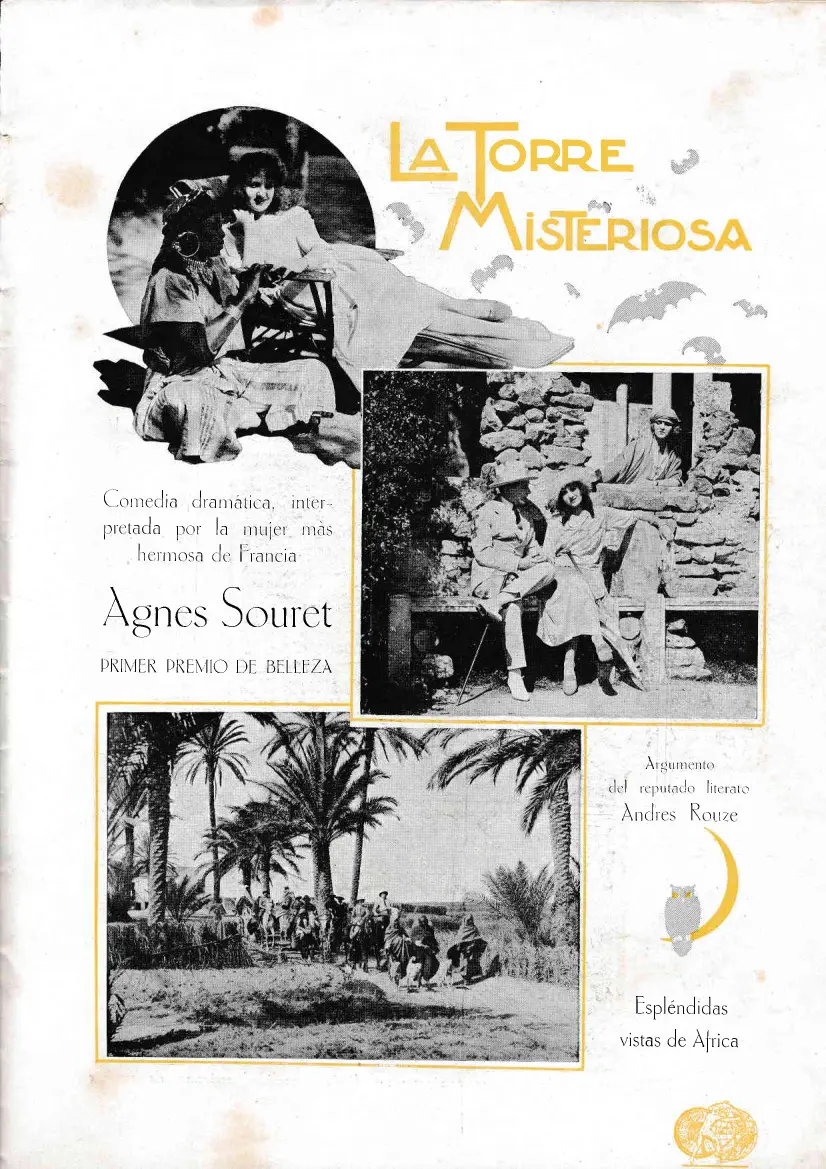
The inclusion of figures like Agnès Souret (the first Miss France) adds a layer of cultural curiosity. The film is a snapshot of celebrity in its infancy. It shows how the theater was the bridge between the old world and the new world of cinema stardom. This is a film that understands its place in history, even as it depicts a world that was quickly fading away.
"La tournée Farigoule is a clunky machine, but its gears are made of gold. It breathes the dust of 1920s stagecraft in a way that few films ever have."
La tournée Farigoule is a fascinating, if sometimes tedious, exploration of the actor's soul. It lacks the polish of a masterpiece, but it compensates with a gritty honesty that is rare for 1923. Marcel Manchez has created a film that is as much a historical document as it is a piece of entertainment. It’s a rough watch in parts, but the journey is worth the price of admission. It works. But it’s flawed. Ultimately, it is a testament to the endurance of the performer, a theme that remains as relevant today as it was a century ago. If you can handle the slow pace, you will find a film that stays with you long after the final title card fades.
IMDb —
1918
Community
Log in to comment.