DbcultAccessing Vault...
Cult Review
Senior Film Conservator
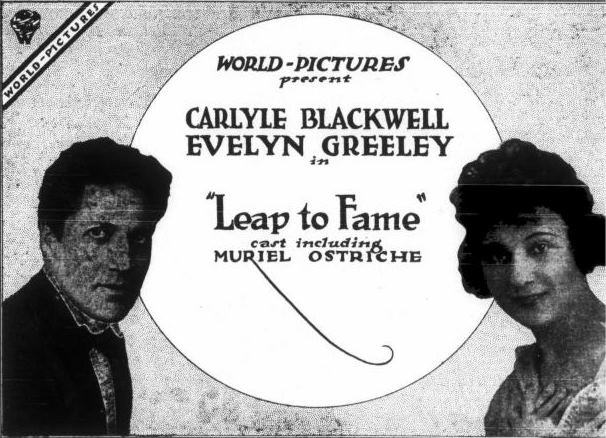
There’s a certain undeniable charm to the cinematic serials of yesteryear, a kinetic energy that often transcends their sometimes-simplistic narratives. And then there are those rare gems, like “Leap to Fame,” that manage to distill the very essence of that era’s entertainment into a pulsating, wholly engaging experience. This isn’t just a film; it’s a breathless sprint through the exhilarating landscape of early 20th-century melodrama, a vibrant tapestry woven with threads of espionage, burgeoning romance, and the unyielding pursuit of a front-page scoop. It’s a testament to the enduring appeal of a well-told adventure, even when the medium itself was still finding its voice.
From the very first frame, “Leap to Fame” plunges its protagonist, Charles Trevor, fresh from the hallowed halls of academia, into a maelstrom of intrigue that would make even the most seasoned adventurer pause. His new role at a daily newspaper, ostensibly a mundane entry point into the world of gainful employment, immediately morphs into a high-stakes arena where global politics intersect with personal destiny. It’s a baptism by fire, a trial by ink and peril, that eschews any gentle introduction to the realities of the working world. Instead, Trevor finds himself entangled with a shadowy German spy and, almost simultaneously, becomes the unwitting champion of a maiden in distress. This isn't merely a plot device; it's the very engine of the narrative, thrusting our hero into a series of improbable, yet utterly compelling, circumstances.
The film, penned by Raymond L. Schrock, masterfully orchestrates this confluence of events, ensuring that Trevor’s path is anything but linear. The initial encounter sets off a chain reaction of escalating stakes, each revelation deepening the mystery and intensifying the personal danger. It’s a narrative strategy that keeps the audience perpetually on the edge of their seats, anticipating the next twist, the next perilous encounter. The newspaper office, typically a bastion of prosaic routine, transforms under Trevor's influence and the unfolding drama into a vibrant hub of clandestine operations and burgeoning romance. This juxtaposition of the everyday with the extraordinary is one of the film’s subtle strengths, highlighting how adventure can erupt in the most unexpected corners of life.
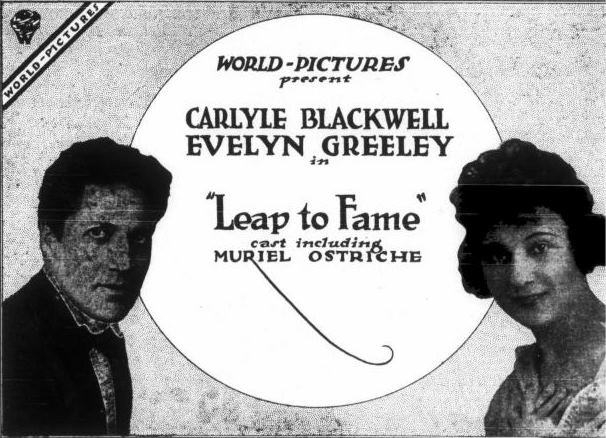
At the heart of this exhilarating romp is Carlyle Blackwell’s portrayal of Charles Trevor, a performance that elevates the entire picture. Blackwell, with his undeniable charisma and an almost palpable sense of enjoyment, embodies the archetype of the 'all-conquering young gentlemen' with remarkable consistency and flair. He’s not merely reciting lines or hitting marks; he inhabits the character with an infectious enthusiasm that radiates from the screen. This isn’t a grim, tortured hero; it’s a man who finds genuine thrill in the chase, genuine purpose in protecting the vulnerable, and genuine joy in the burgeoning romance that blossoms amidst the chaos. His performance injects an unaccustomed glow of romance into the otherwise-humdrum newspaper office, transforming it from a mere setting into a stage for heroic deeds and heartfelt connections.
Blackwell's Trevor is a man of action, but also of conviction. He possesses an innate sense of justice and an unwavering resolve that makes him instantly admirable. This commitment to character ensures that even amidst the most outlandish melodramatic flourishes, Trevor remains a relatable and compelling figure. His interactions with Evelyn Greeley, the primary maiden in distress (though Muriel Ostriche is also listed, suggesting a potential dual role or secondary female lead, adding layers to the romantic subplot), are imbued with a genuine spark, making their eventual union feel earned rather than merely inevitable. One could draw parallels to the steadfast, morally upright heroes seen in other adventure serials of the era, yet Blackwell brings a unique vivacity to Trevor that sets him apart.
While Blackwell commands the screen, the supporting cast provides the necessary foils and emotional anchors. The German spy, a composite perhaps of Frank Beamish, William Bailey, Philip Van Loan, and Bernard Nedell, embodies the very real anxieties of the post-WWI era, even if the film's precise release date relative to the conflict isn't specified. This antagonist is not merely a generic villain; he represents a tangible threat, a shadow looming over the national consciousness, making Trevor's mission feel all the more urgent and patriotic. Their cat-and-mouse game forms the backbone of the film's suspense, with each close call and narrow escape ratcheting up the tension.
Evelyn Greeley, as the damsel, is more than just a prize to be won; she’s the catalyst for much of Trevor’s adventure, providing a human stakes element that grounds the espionage plot. Her vulnerability is her strength, drawing Trevor into her orbit and inspiring his most daring feats. The ensemble, including character actors like Lionel Belmore and Alec B. Francis, round out the world, adding texture and believability to the bustling newspaper office and the various locales through which the chases unfold. Their performances, though often brief, contribute to the overall atmosphere, painting a vivid picture of a society grappling with both modernity and lingering international tensions.
What truly sets “Leap to Fame” apart, and what makes it such a quintessential example of its genre, is its relentless kinetic energy. The film isn't content to merely tell a story; it propels it forward with an almost breathless urgency. The plot synopsis itself rattles off a litany of chases – in automobiles, on motorcycles, on horseback, and in motorboats – and this isn't hyperbole. These sequences are not just filler; they are integral to the film's identity, providing a constant surge of adrenaline that mirrors the escalating stakes of Trevor's mission. Each chase is meticulously choreographed, showcasing the nascent possibilities of cinematic action and proving that silent films, far from being static, could be incredibly dynamic.
The 'bustle and atmosphere of a melodramatic serial' is not merely an observation but a defining characteristic. This film embraces the tropes of the serial format – the cliffhangers, the heightened emotions, the clear delineation between good and evil – and wields them with remarkable effectiveness. The pacing is brisk, the cuts are sharp, and the narrative never lingers too long in one place, ensuring that the audience remains captivated. This commitment to sustained excitement is what makes “Leap to Fame” such a joyous watch, a pure distillation of escapist entertainment. It's an experience that feels remarkably modern in its construction of thrills, despite its vintage. One might compare its relentless forward momentum to the narrative drive found in films like The Zone of Death, where the stakes are perpetually high and the action rarely lets up, or even the dramatic tension of a film like Bondage, albeit with a different focus on the source of the peril.
Beyond the sheer spectacle, “Leap to Fame” subtly explores themes that resonate even today. The portrayal of journalism, for instance, is far from the gritty realism that would later emerge. Here, it's a romanticized profession, a gateway to adventure and civic duty. The 'big scoop' isn't just a career triumph; it's a patriotic act, a service to the nation by exposing a foreign threat. This idealization of the press reflects an era when newspapers held immense power and prestige, shaping public opinion and often serving as the primary source of information and entertainment. Trevor's success isn't just personal; it's a vindication of the power of the printed word and the intrepid reporter.
The presence of a German spy, while a clear product of its time, also taps into deeper anxieties about national security and the unseen enemies within. This theme of espionage, a common thread in early cinema, provides a compelling backdrop for Trevor's heroics. It allows the film to elevate its narrative beyond a simple boy-meets-girl story, imbuing it with a sense of national importance. The film, therefore, acts as a fascinating cultural artifact, reflecting the collective psyche of a nation grappling with its place in a rapidly changing world. The sense of urgency and national interest here is perhaps more overt than in a personal drama like Her Double Life, yet both leverage contemporary societal anxieties to fuel their narratives.
Raymond L. Schrock, the film's writer, deserves commendation for crafting a narrative that, despite its serial nature, maintains a coherent and engaging arc. The genius of serial storytelling lies not just in its individual episodes but in its ability to build momentum across an entire run, drawing the audience back for more. Schrock understands this intrinsically, weaving together disparate elements – the hero's professional ambition, his romantic pursuit, and the overarching espionage plot – into a cohesive whole. The script ensures that each chase, each revelation, serves a purpose, driving Trevor closer to his triple triumph: the scoop, the capture of the spy, and the hand of his beloved.
The writing ensures that while the events are often fantastical, the emotional core remains intact. Trevor's motivations are clear, and the stakes, both personal and national, are well-established. This foundational strength allows the directorial choices and performances to shine, creating a truly memorable cinematic experience. The structure, in its episodic intensity, might echo the narrative construction of films like Paddy O'Hara or
“Leap to Fame” also serves as a fascinating document of early cinematic spectacle. The elaborate chase sequences, particularly those involving multiple modes of transport, would have been technically challenging and incredibly thrilling for contemporary audiences. These weren't just simple point-to-point journeys; they were dynamic set pieces designed to elicit gasps and cheers. The film's commitment to visual excitement is palpable, showcasing the burgeoning power of the moving image to transport viewers to worlds of adventure and danger. It demonstrates how filmmakers, even in the silent era, were adept at using visual storytelling to create immersive experiences.
The use of location shooting, the coordination of vehicles and animals, and the sheer logistical effort involved in staging these scenes speak volumes about the ambition of early cinema. It’s a reminder that before CGI and elaborate special effects, filmmakers relied on ingenuity, practical effects, and raw courage to bring their visions to life. This raw, visceral quality of the action contributes significantly to the film's enduring appeal. In terms of pure, unadulterated adventure, it stands proudly alongside other action-oriented narratives of the time, perhaps even sharing a spirit with the frontier dramas like Children of the Feud or the adventurous spirit of Two-Gun Betty, though its urban, espionage setting provides a distinct flavor.
In conclusion, “Leap to Fame” is far more than a mere historical curiosity; it’s a vibrant, entertaining, and surprisingly sophisticated piece of early cinema. It encapsulates the very best of the melodramatic serial genre, delivering a robust blend of action, romance, and patriotic fervor. Carlyle Blackwell’s magnetic performance as Charles Trevor remains a highlight, imbuing the heroic archetype with a captivating blend of earnestness and infectious charm. The film’s relentless pacing and imaginative action sequences ensure that it remains an exhilarating watch, even for modern audiences accustomed to more technologically advanced thrills.
For those seeking a genuine thrill, a glimpse into the foundational excitement of cinematic storytelling, and a charming romance woven into a spy thriller, “Leap to Fame” offers an experience that truly lives up to its title. It’s a testament to the enduring power of a good story, well told, and an undeniable reminder that adventure, romance, and a dash of daring journalism have always been, and will always be, the ingredients for captivating cinema. Its spirit of adventure and a protagonist navigating complex personal and professional landscapes might even resonate with the journey depicted in My Own United States, albeit through a different lens of national identity and individual striving. And much like the dramatic narratives of Montmartre or Anny - en gatepiges roman, which explore the human condition within specific urban settings, 'Leap to Fame' grounds its larger-than-life escapades in the bustling, tangible world of a metropolitan newspaper.
This film isn't just a historical artifact; it's a vibrant, living piece of cinematic history that continues to entertain and inspire, proving that some stories, and some heroes, truly stand the test of time. It's a delightful journey back to an era when the silver screen was still a new frontier, and every reel held the promise of an unforgettable adventure.
IMDb 7
1925
Community
Log in to comment.