Summary
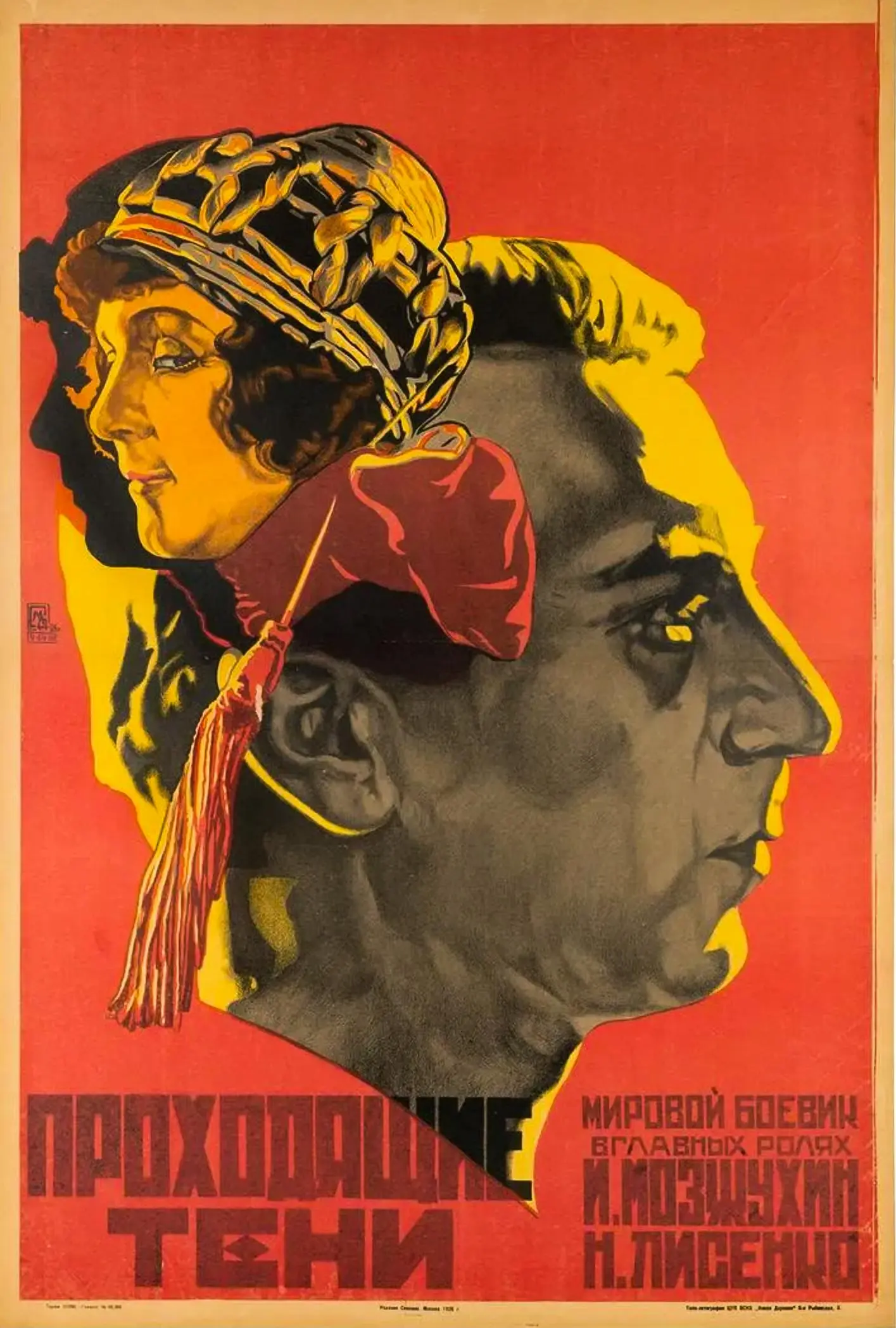
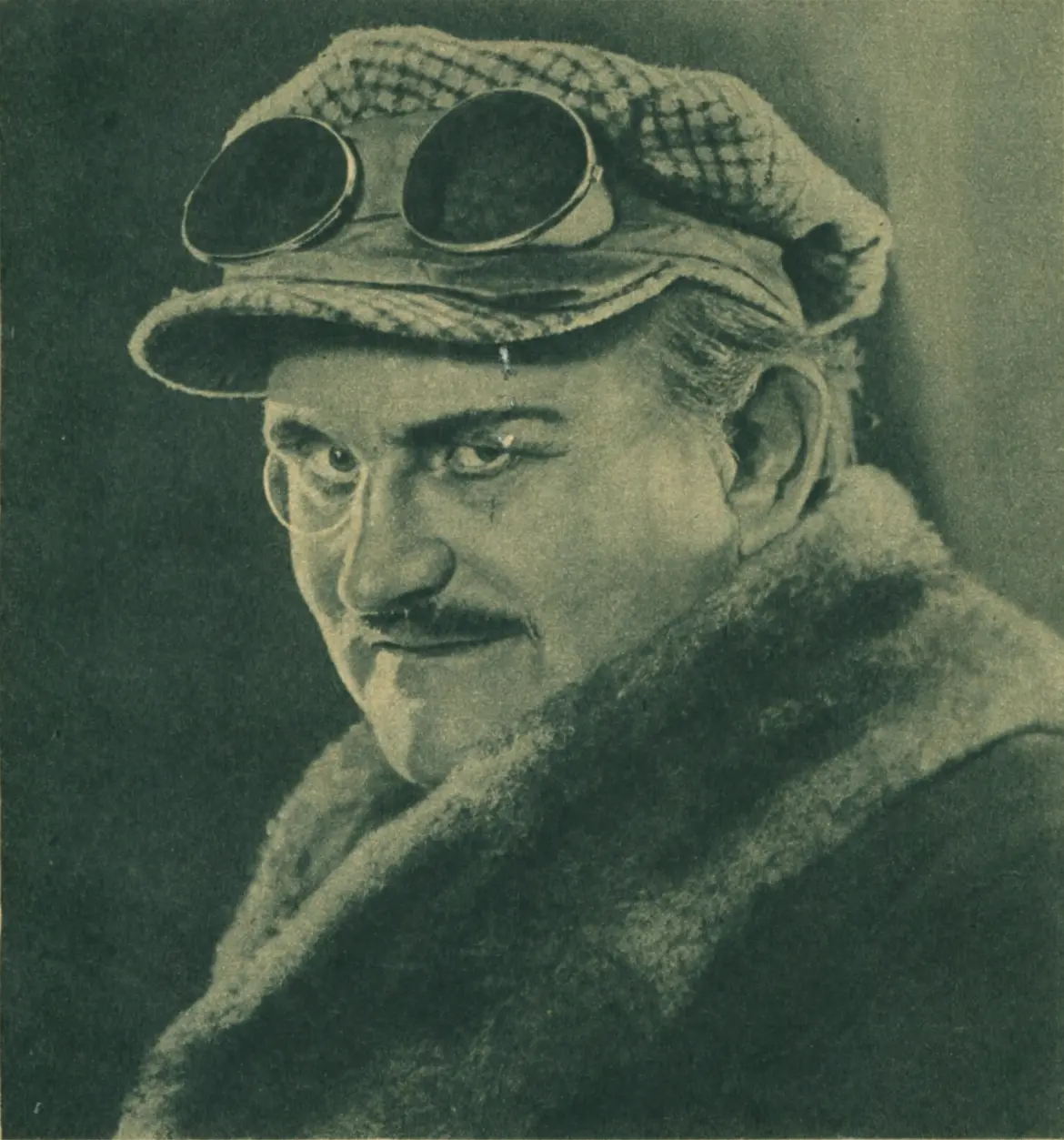
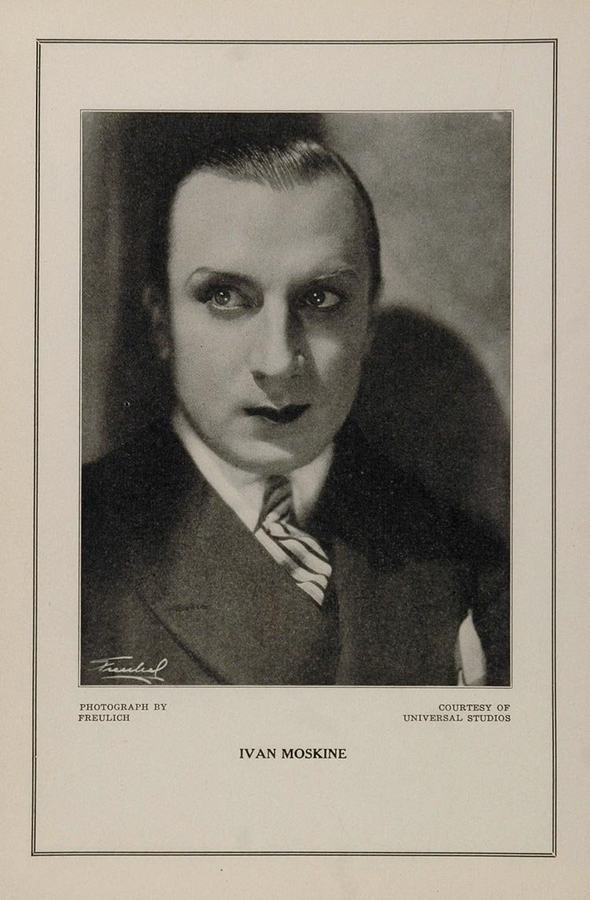
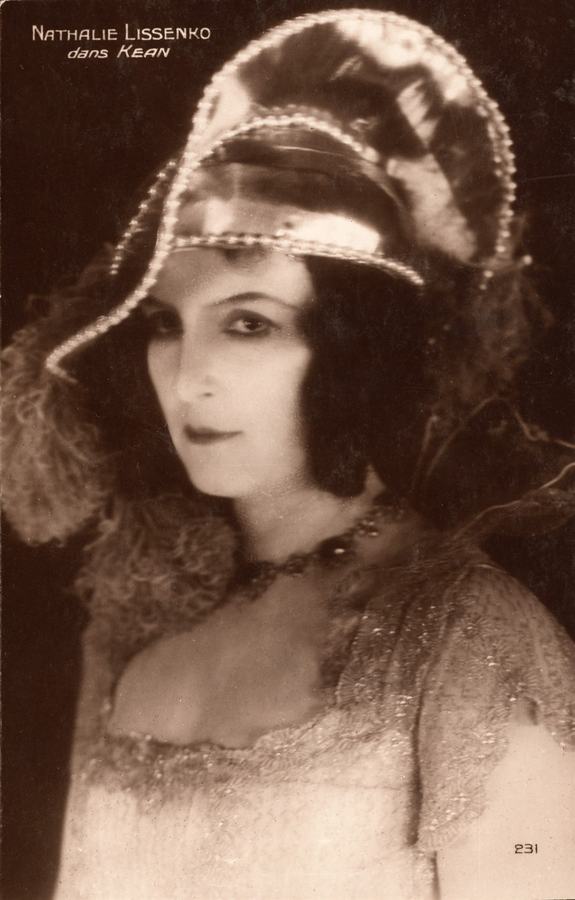
In the melancholic expanse of early 20th-century Parisian bohemia, "Les ombres qui passent" unfurls as a poignant exploration of memory's relentless grip and the spectral nature of a love lost. We are introduced to Dimitri Volkov (Ivan Mozzhukhin), a sculptor of prodigious talent whose artistic endeavors are inextricably tethered to the haunting specter of his vanished muse, Elara (Nathalie Lissenko). Years prior, Elara, a dancer of ethereal grace, dissolved from his life, leaving an indelible void and an unfinished masterpiece, a bust capturing her essence, which now stands as a monument to his enduring grief. Dimitri navigates a life steeped in critical acclaim yet shadowed by an profound inner desolation, oblivious to the quiet, steadfast devotion of Isabelle (Andrée Brabant), a young art student who reveres his genius and harbors a tender, unrequited affection. The fragile equilibrium of Dimitri's existence is violently disrupted by Elara's sudden reappearance, now inextricably bound to Monsieur Dubois (Henry Krauss), an avaricious art dealer intent on exploiting Dimitri's raw talent and Elara's past connection. Elara, no longer the idealized vision of Dimitri's memory but a woman visibly weathered by life's cruelties, nonetheless ignites the dormant embers of his passion. Her return forces Dimitri to confront the stark dissonance between his cherished ideal and the often-brutal reality. As Dubois orchestrates a manipulative scheme, ensnaring Elara in a web of blackmail and coercion, Dimitri embarks on a desperate, quixotic quest: to reclaim Elara's true self, or at least the profound essence of the love that once defined his very being, from the encroaching shadows of betrayal and despair. The narrative spirals toward a heart-wrenching climax, revealing the destructive potency of obsession and the agonizingly fleeting nature of human happiness, ultimately leaving behind only the ephemeral traces—the passing shadows—of what could have been.
Review Excerpt
"
Stepping into the spectral realm of Les ombres qui passent is akin to unearthing a forgotten, exquisitely rendered dream. This isn't merely a film; it's a profound cinematic elegy, a testament to the emotional profundity silent cinema was capable of achieving when guided by visionary hands. Directed by Alexandre Volkoff, with a screenplay co-penned by Volkoff, Kenelm Foss, and the magnetic Ivan Mozzhukhin himself, this picture transcends its era, offering a timeless meditation on love, l..."