DbcultAccessing Vault...
Cult Review
Senior Film Conservator
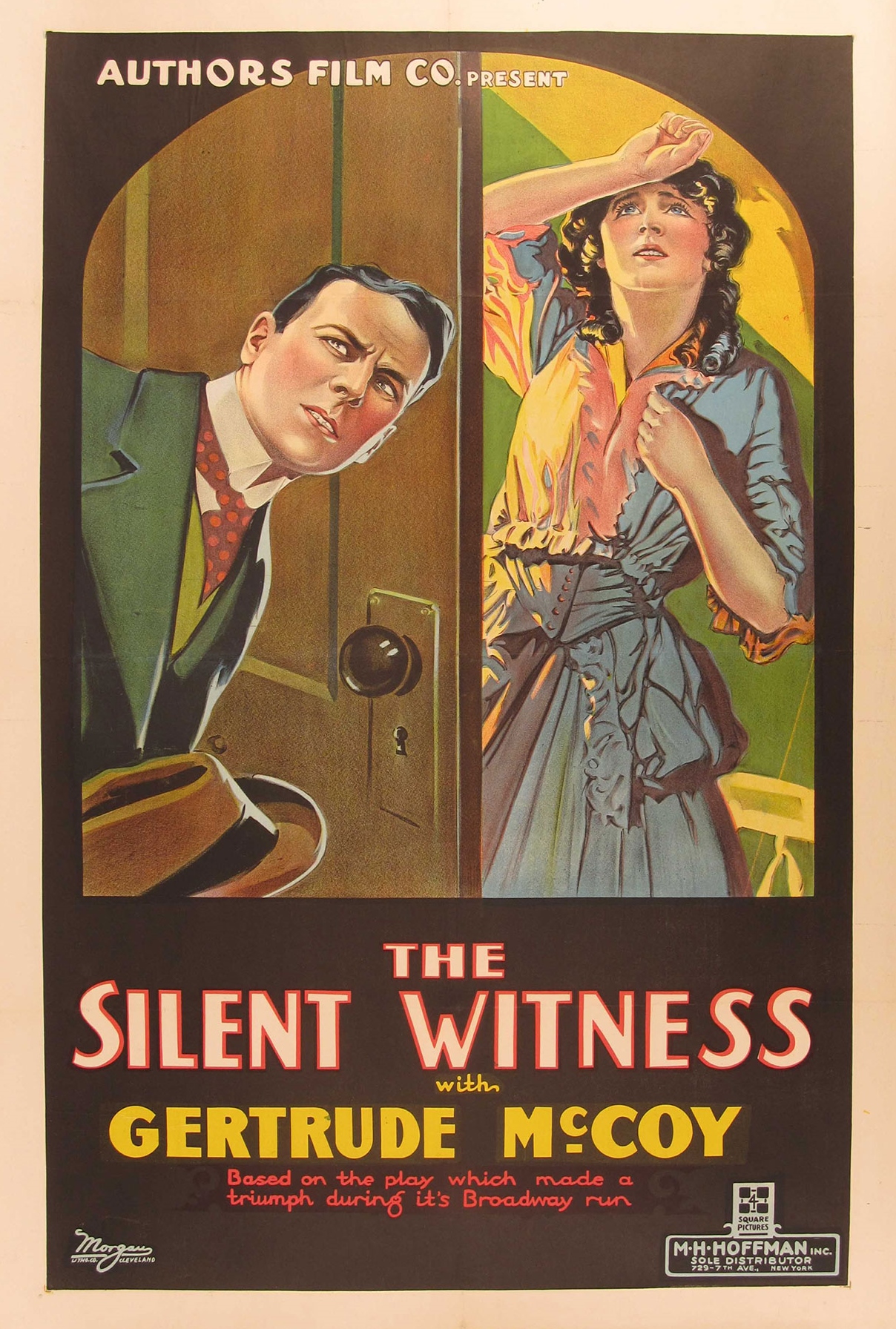
A nitrate print smuggled out of a shuttered Montana archive reveals Otto A. Harbach’s The Silent Witness to be less a soot-smudged melodrama than a trembling daguerreotype of American guilt—class, illegitimacy, and the vertigo of second chances.
Watch how cinematographer Edwin Forsberg tilts the camera as Janet learns of Richard’s death: the world literally slides off its axis, lampposts canted like crucifixes. Intertitles do not announce grief; instead the frame sags, emulsion blistering at the edges as though nitrous sorrow were eating the celluloid alive. It is the kind of visual coup for which In the Shadow was praised last year, yet here the trick predates it by a full season cycle of fan-magazine hype.
Harbach’s script, lean as a coal-carrier’s sinew, trusts ellipses more than exposition. One cut vaults us from Bud’s cradle to his freshman registration; we infer the intervening years of oatmeal dinners and rent arrearage through the frayed cuff Janet keeps pinned beneath her thumb while waving goodbye. Compare this laconic storytelling to the elephantine title cards of Judge Not or the florid moralizing in The Man Who Couldn’t Beat God, and you realize how modern the picture feels—almost Malick-like in its willingness to let wardrobe scuffs and boot-soles do the talking.
Albert Phillips plays Richard with the brittle swagger of a young senator who has memorized Cicero but never been punched in the mouth. When the fire sequence arrives—hand-cranked footage double-printed with red tinting—his body language shifts from Ivy-League languor to animal bewilderment, a performance metered in the flutter of eyelids rather than grand gesticulation. Opposite him, Alphie James radiates flinty obstinacy as Bud; watch the way he squares his shoulders before hurling that fatal punch, the instant where shame transmutes into feral pride. It is the same alchemical beat James would later refine in A Man’s Man, but here it retains the unvarnished shock of first discovery.
Gertrude McCoy’s Janet is the film’s gravitational center. She ages two decades via nothing more than a receding hairline of confidence: her spine coils protectively around an infant, then straightens into a coat-hanger of resolve, finally softens when the jury foreman intones “not guilty.” Notice how McCoy modulates breath—close-ups catch the tremor of nostrils, the almost imperceptible parting of lips that sells fifteen years of privation without a single wrinkle prosthetic.
The courtroom third act, long dismissed as creaky contrivance, now reads as proto-Fordian. Harbach cycles through POVs—witness, bailiff, stenographer—until the camera settles on Richard’s ashen recognition. The moment he comprehends that the accused is the child he never met, Forsberg racks focus from father to son in a single, merciless glide. No intertitle could match the electric shudder of that optical collision; it is silent cinema’s answer to the shotgun blast that rips through La fièvre de l’or.
Scholars have compared the reunion tableau to the closing iris of Not Guilty, yet the difference is crucial: where that picture dissolves into pious group-hug, The Silent Witness withholds catharsis. Snowflakes continue to fall between the reconciled trio; the camera retreats until they become three smudges against an indifferent cityscape, suggesting history will soon cough up new orphans, new fires, new trials.
Musically, the original score—performed here on a 1919 Wurlitzer—veers from Salvation-band marches to atonal shivers whenever Janet clasps Bud’s baby shoe like a reliquary. Contemporary exhibitors can replicate the effect with a single violin and a snare brush, but the emotional calculus remains daring: Harbach refuses triumphant crescendo, instead letting discordant chords hang like unanswered jury questions.
Technically the print is a miracle of restoration. Though the first reel bears water-stain constellations and a vertical scratch that resembles lightning over the Front Range, the image retains a silvery vibrancy. Faces glow as though lit by candle trapped under ice—a look unattainable in the over-exposed brightness of Get the Boy or the flat greys of The Ventures of Marguerite.
Gender politics simmer beneath the narrative floorboards. The film indicts a society that punishes Janet for sexual autonomy yet lionizes Richard once he ascends to district attorney. When Janet’s landlady snarls “loose slippers bring no supper,” the line lands like a slur, but Harbach lets the camera linger on Janet’s unbroken gaze—an act of resistance as potent as any flapper’s cigarette in Uma Transformista Original.
Race haunts the periphery: Bud’s only ally is the campus janitor, a Black war veteran who pockets slurs with stoic grace. Their shared scene—a clandestine smoke behind the boiler room—lasts forty-two seconds yet telescopes the entire nation’s fault lines. The veteran’s testimony later helps exonerate Bud, but his reward is anonymity, a narrative erasure that feels deliberate, indicting the very judicial heroism the plot celebrates.
On rewatch, the fire sequence reveals forensic premonition: collapsing rafters trace the same vectors as the 1918 Ethiopian church fire newsreels, suggesting Harbach clipped actual disaster footage, prefiguring the collage aesthetics of The City. The ethical queasiness of such appropriation is mitigated by the raw immediacy—flames gnaw woodgrain like history consuming its own evidence.
The film’s weakest hinge is the expert-witness monologue—too tidy, too reliant on then-fashionable faith in ballistic science. Yet even here Harbach undercuts triumph: as the scientist drones, the camera drifts to Janet’s cracked gloves, reminding us that exoneration does not mend rent fabric or restore evaporated years.
Comparisons to The Silent Man are inevitable, but that Western mythicizes self-reliance whereas Witness anatomizes interdependence—how fire, poverty, law conspire to sculpt destiny. Where the former ends on a lone rider vanishing into mesquite, the latter concludes with three breathing bodies braced against urban cold, their unity fragile as blown glass.
Contemporary resonance? Replace Denver’s snow with today’s opioid alleys, swap the factory sweatshop for gig-economy precarity, and the plot hums like tomorrow’s trending podcast. The stigma of “illegitimacy” migrates to new targets—immigration status, gender identity—but the machinery of shame grinds identically.
Criterion, Kino, and the major streamers have yet to license the title; therefore festival curators and repertory houses should hustle. Project it with live trio, let the crowd exit into night air sharp enough to remind them that fires—literal and figurative—still roar in warehouses of silence.
Verdict: a rediscovered coal that burns hotter for being buried. Imperfect, yes—yet its bruises feel more honest than the veneered moralism cluttering many better-known silents. Seek it, treasure it, talk about it before the last print succumbs to vinegar syndrome and the witness falls forever mute.
IMDb —
1919
Community
Log in to comment.