DbcultAccessing Vault...
6.8/10
Senior Film Conservator
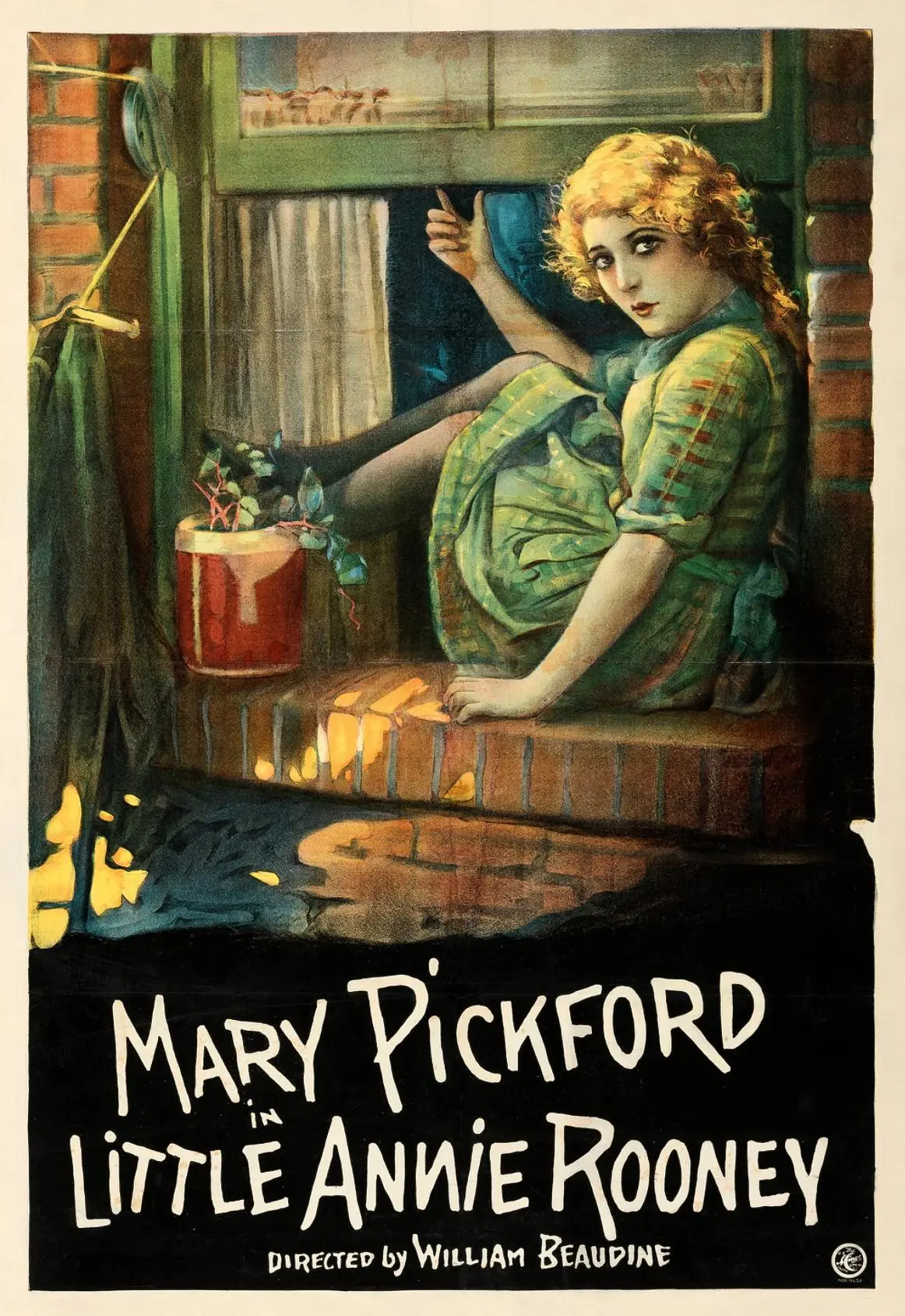
A definitive 6.8/10 rating for a film that redefined the boundaries of cult cinema. Little Annie Rooney remains a cornerstone of transgressive art.
In the annals of silent cinema, few stars shone as brightly or captivated audiences as profoundly as Mary Pickford. Her ability to embody youthful innocence, spirited resilience, and a touch of mischievous charm made her 'America's Sweetheart.' In 1925's Little Annie Rooney, Pickford once again leverages her unique star power, this time to paint a vivid, if somewhat romanticized, portrait of life in the teeming, often harsh, urban tenements. The film isn't merely a vehicle for its star; it's a social document, a melodrama, and a testament to the enduring human spirit in the face of adversity. It invites us to peer beyond the grime and the struggle, to find the vibrant heart beating within a community perpetually on the brink.
The narrative thrust of Little Annie Rooney is deceptively simple: a tough, streetwise girl, Annie, navigates her tenement world, which is threatened by a menacing street gang. Yet, within this straightforward premise, writers Hope Loring, Louis D. Lighton, Tom McNamara, and Pickford herself, weave a tapestry of character, conflict, and commentary that resonates with surprising depth. This isn't just a tale of good versus evil; it's a nuanced exploration of community, loyalty, and the desperate measures people take to protect what little they have. The film’s strength lies in its commitment to showcasing the everyday lives of its inhabitants, from the jovial pushcart vendors to the weary mothers, all bound together by shared hardship and an unbreakable sense of belonging. The screenplay manages to inject moments of genuine levity and heartwarming camaraderie amidst the underlying tension, a testament to the writers' skill in balancing the various emotional registers.
Mary Pickford, even at 33 years old, effortlessly embodies the pre-teen Annie Rooney, a feat of acting prowess and screen presence that few could match. Her Annie is not merely a caricature of childhood innocence; she is a force of nature, a pint-sized pugilist with a heart of gold and a fiery spirit. Pickford's performance is a masterclass in silent film acting, conveying a vast spectrum of emotions through subtle gestures, expressive eyes, and dynamic physicality. She makes Annie’s struggles feel palpable, her triumphs genuinely earned. This isn't the saccharine sweetness often associated with her 'Little Mary' persona; here, there's a grit, a determination that lends the character a compelling realism. It’s a performance that reminds us why she was, and remains, an icon.
The tenement itself emerges as a character in its own right, a sprawling, breathing entity teeming with life. The film captures the chaotic energy, the cramped living conditions, and the vibrant cultural melting pot that defined such urban spaces. Unlike the more idyllic, pastoral settings of some contemporary dramas, Little Annie Rooney plunges us directly into the heart of an industrial urban landscape. This setting isn't just a backdrop; it shapes the characters' destinies, informs their struggles, and ultimately defines their identity. One might draw parallels to the gritty realism found in films like Little Italy, which similarly explores the intricate social dynamics and inherent challenges of tightly-knit, urban communities, albeit from a later cinematic era. The visual storytelling here, though constrained by the technology of the time, effectively communicates the claustrophobia and the communal spirit of these densely populated areas.
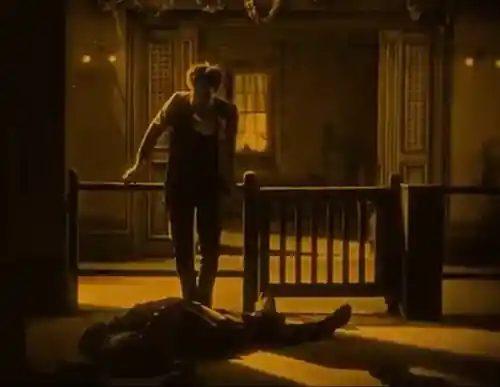
Beyond the personal drama, Little Annie Rooney offers incisive social commentary on the perils faced by marginalized communities. The threat posed by the street gang is not merely a plot device; it's a reflection of very real anxieties about urban violence, lawlessness, and the struggle for control over scarce resources and territory. The film doesn't shy away from depicting the harsh realities, even if it ultimately resolves them with a degree of cinematic optimism. The vulnerability of the tenement dwellers, particularly the children, is starkly contrasted with Annie's unwavering courage. This thematic thread resonates with the anxieties explored in films like The Danger Line, which also delved into the precariousness of life when confronted by external threats, albeit in a different context. The film effectively uses the gang as a metaphor for the broader societal pressures that often victimize the underprivileged.
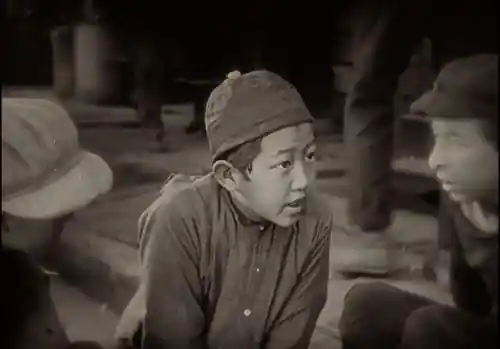
The supporting cast, including George Bookasta as Tony, Vola Vale as Mamie, and Oscar Rudolph as Mickey, contribute significantly to the film's rich texture. Bookasta, in particular, delivers a memorable performance as Annie’s loyal companion, grounding the fantastical elements of Annie’s heroism in a relatable friendship. These child actors, alongside veterans like Walter James, help to populate Annie's world with believable, multi-dimensional characters. Their interactions, often played for both humor and pathos, highlight the intricate web of relationships that define the community. The portrayal of these relationships is crucial; it's what makes the threat to the neighborhood feel so personal and immediate. The ensemble truly elevates the material, transforming what could have been a simple melodrama into a poignant observation of communal life.
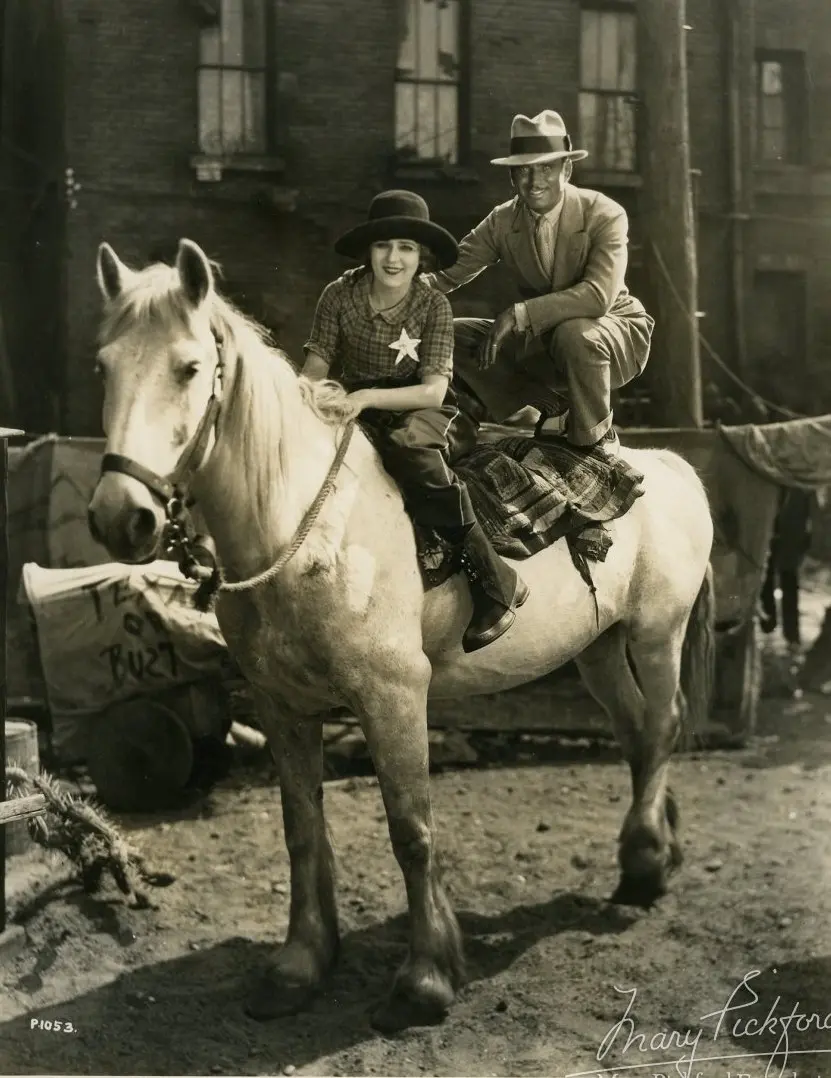
The pacing of Little Annie Rooney is characteristic of silent-era storytelling, building momentum gradually towards a dramatic, emotionally charged climax. The film adeptly uses intertitles to convey dialogue and exposition, but it's the visual storytelling that truly shines. Director William Beaudine, working with the visionary cinematography, crafts sequences that are both dynamic and intimate. The escalating tension between Annie's community and the gang culminates in a series of confrontations that are both thrilling and heartbreaking. The film’s climax, without giving too much away, is a testament to Annie’s unwavering spirit and the collective resolve of her friends and family. It’s a moment that resonates with the themes of courage and self-sacrifice, echoing the moral fortitude found in stories like The Majesty of the Law, where individual conviction stands against overwhelming odds.
The film also explores themes of justice and retribution, albeit through the lens of a child's perspective. Annie’s pursuit of justice for her community, and for a specific personal tragedy, drives much of the latter half of the narrative. This quest is fraught with danger and moral ambiguities, showcasing the harsh choices forced upon those living on the margins. It’s a compelling journey that elevates the film beyond simple entertainment, inviting viewers to ponder the nature of right and wrong in a world that often seems indifferent to suffering. The portrayal of Annie's relentless pursuit of what is right, even when it means defying authority or facing grave personal risk, is a powerful central message. It speaks to a universal human desire for fairness and accountability, a sentiment often explored in tales of resilience like The Third Generation, which similarly delves into generational struggles for justice and identity.
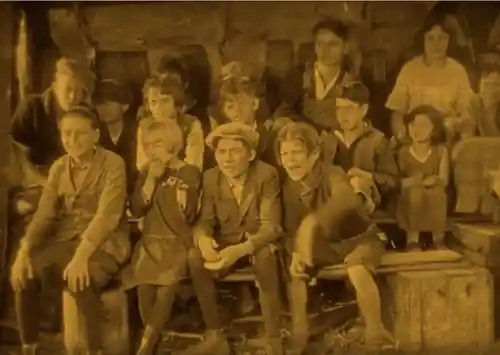
While perhaps not as widely celebrated today as some of Pickford's earlier, more overtly whimsical roles, Little Annie Rooney holds a significant place in her filmography. It represents a mature evolution of her 'child' persona, imbuing it with a newfound toughness and social awareness. The film serves as a valuable historical document, offering insights into early 20th-century urban life and the cinematic conventions of the silent era. Its depiction of an international community, striving for peace and prosperity amidst adversity, remains remarkably relevant in an increasingly interconnected world. The film’s ability to evoke empathy for its characters and their struggles is a testament to its timeless appeal.
The film's impact can be seen in its contribution to the trope of the plucky, resilient orphan or street urchin, a character archetype that would continue to captivate audiences for decades. Think of the enduring charm of characters who overcome insurmountable odds through sheer force of will, a narrative thread beautifully woven into the fabric of The Little Girl That He Forgot, which also champions the spirit of a young protagonist against a challenging world. It’s a narrative that speaks to the power of hope and the importance of community support, even when external forces conspire to dismantle it. The collaborative writing effort, including Pickford herself, demonstrates a keen understanding of what resonated with contemporary audiences, blending melodrama with a grounded sense of reality.
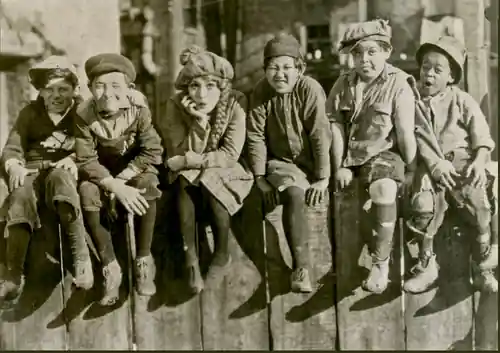
The production values of Little Annie Rooney are commendable for its time. The sets, though perhaps not as sprawling as those in epic productions, convincingly recreate the crowded, lived-in feel of a tenement block. The costume design, particularly for Annie, helps to define her character – functional, slightly worn, but always with a hint of individuality. The use of lighting, a critical element in silent film, is particularly effective in establishing mood and highlighting character emotions. Shadows deepen the sense of danger, while brighter scenes emphasize moments of joy or communal gathering. This attention to detail, even in the seemingly mundane aspects of daily life, adds significant texture to the film.
The cast, a mix of seasoned actors and promising newcomers, delivers performances that are both heartfelt and compelling. Beyond Pickford, the nuanced portrayals by actors like Fred Kelsey and Charles K. French add gravitas and authenticity to the adult figures in Annie’s life. Even the animal co-star, Cameo the Dog, contributes to the charm and warmth of the narrative, serving as a loyal companion and a symbol of unconditional love in a tough world. The collective effort of the cast, under Beaudine's direction, creates a believable microcosm of society, where every individual plays a vital role. The dynamic between Annie and her friends, such as those played by Oscar Rudolph and Freddie Jackson, forms the emotional core, reminiscent of the youthful camaraderie seen in films like Real Adventure, where youthful spirit drives much of the plot's momentum.
In its entirety, Little Annie Rooney is more than just a historical artifact; it's a vibrant, emotionally resonant film that continues to speak to audiences about the resilience of the human spirit. Mary Pickford's iconic performance anchors a story that is both deeply personal and broadly universal, exploring themes of community, class struggle, and the enduring power of hope. For those interested in the evolution of silent cinema, the social history of early 20th-century America, or simply a compelling human drama, this film offers a rich and rewarding experience. It's a poignant reminder that even in the toughest environments, courage and kindness can flourish, and that the fight for one's home and community is a battle worth waging. The film's enduring appeal lies in its ability to transport us to a bygone era while simultaneously reflecting universal truths about the human condition, much like the timeless quality found in The Betrothed or Eyes of Youth, films that transcend their period to offer lasting insights into human nature and societal pressures.
The film’s rich tapestry of characters, from the earnest Annie to the nuanced supporting roles, creates a believable and immersive world. It’s a world where laughter and tears intermingle, where danger lurks around every corner, but where the bonds of family and friendship ultimately prevail. The writers, including Pickford herself, meticulously crafted a narrative that, while dramatic, never feels entirely contrived. Instead, it feels like a genuine slice of life, albeit one heightened for cinematic effect. This authenticity is perhaps the film’s greatest strength, allowing it to resonate long after the final reel has spun. It’s a testament to the power of storytelling to illuminate the human experience in all its complexity, a hallmark of compelling cinema that finds echoes in diverse works such as Naked Hearts and Whispers, each offering unique perspectives on the inner lives and external struggles of their protagonists.
Ultimately, Little Annie Rooney stands as a powerful example of silent film’s capacity for both entertainment and social commentary. It’s a film that demands to be seen not just for its historical significance, but for its timeless story of a young girl's unwavering spirit in the face of daunting challenges. The vibrant energy of the tenement, the palpable threat of the gang, and the sheer charisma of Mary Pickford combine to create a cinematic experience that is both moving and memorable. This film is a crucial piece in the puzzle of understanding Mary Pickford's multifaceted career and the broader landscape of American silent cinema. It captures a specific moment in time with universal appeal, demonstrating how a simple story, when told with conviction and talent, can transcend generations and continue to inspire. Just as The Seven Swans captivated audiences with its fairy-tale resilience, Little Annie Rooney weaves a modern fable of urban survival and the triumph of the human heart.
IMDb —
1925
Community
Log in to comment.