DbcultAccessing Vault...
Cult Review
Senior Film Conservator
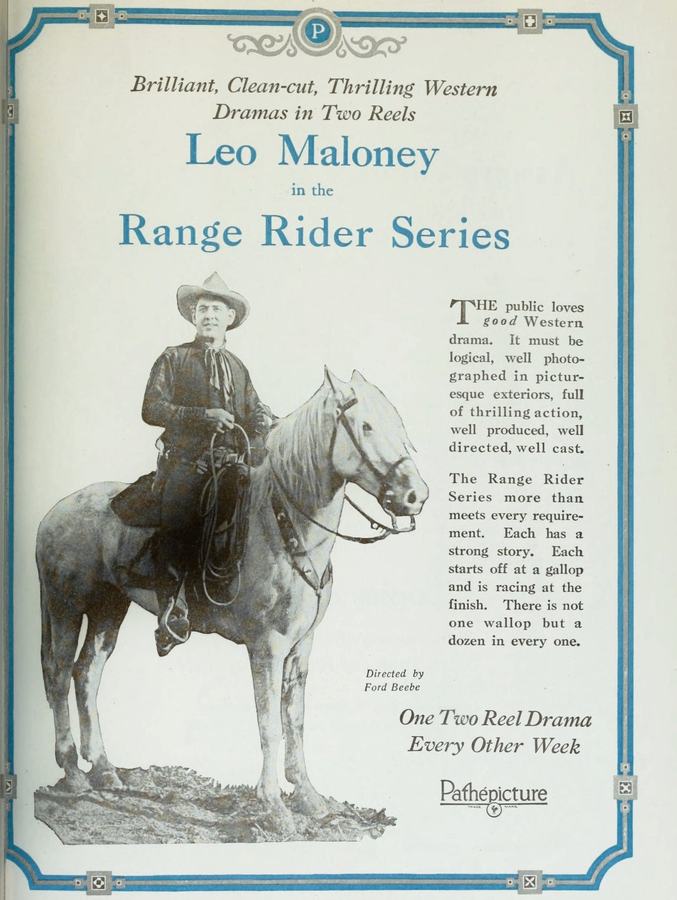
The year 1923 was a transformative epoch for American cinema, a period where the frontier mythos began to grapple with the complexities of the modern world. In Under Suspicion, directed by and starring the indefatigable Leo D. Maloney, we witness a departure from the binary 'white hat vs. black hat' tropes. Instead, we are presented with a narrative of deep-cover subterfuge that feels surprisingly contemporary in its psychological stakes. While many films of the era, such as What's Your Hurry?, focused on the kinetic thrill of the machine age, Maloney turns his gaze backward and inward, utilizing the vast, unforgiving Texas landscape as a proscenium for a drama of mistaken identity and moral fortitude.
Leo D. Maloney was never merely an actor; he was an architect of the Western form. In this production, his portrayal of the unnamed Ranger-turned-laborer is a study in restrained masculinity. Unlike the flamboyant heroism found in Alias Mike Moran, Maloney’s performance here is grounded in the physicality of labor. He moves with the heavy-footed gait of a man who has spent weeks hauling timber and branding hides, a disguise so thorough that it eventually becomes his undoing. The lexical diversity of his facial expressions—ranging from the steely resolve of the lawman to the panicked desperation of the falsely accused—provides the film with its emotional anchor.
The chemistry between Maloney and Josephine Hill offers a poignant counterpoint to the rugged masculine energy of the smuggling plot. Hill, a stalwart of the silent screen, avoids the 'damsel in distress' archetype that plagued films like The Slave Auction. Instead, she brings a quiet dignity to the ranch setting, her interactions with Maloney suggesting a burgeoning romance that is constantly threatened by the looming specter of the 'dope' trade. This isn't just a romance; it is a thematic exploration of trust in a land where everyone is wearing a mask.
The choice of narcotics smuggling as the central conflict is a fascinating historical footnote. While the 1920s were often associated with Prohibition and bootlegging, the depiction of 'dope'—a nebulous term covering various illegal substances—added a layer of grit to the Western. This wasn't just about cattle rustling or land disputes; it was about a poison entering the community. This thematic weight elevates Under Suspicion above the standard fare of the time, aligning it more closely with the social realism seen in The Man Who Came Back than with the whimsical antics of Snooky's Wild Oats.
The antagonists, led by the reliable Bud Osborne, are not caricatures. They operate with a business-like efficiency that mirrors the industrialization of the era. Their operation is a dark reflection of the American Dream, a clandestine enterprise that thrives on the very isolation that the Rangers are sworn to protect. The tension within the ranch, where any hand could be a smuggler or an informant, creates a claustrophobic atmosphere that belies the wide-open spaces of the Texas plains.
Where Under Suspicion truly excels is in its third-act 'running fight.' In an age before CGI or sophisticated safety rigs, the stunts performed by Maloney and his cohorts are nothing short of breathtaking. The sequence is a masterclass in spatial awareness and editing. We see the Ranger, now stripped of his undercover protection and branded a criminal, fleeing across jagged terrain. The camera, often mounted on moving vehicles or horses, captures the visceral vibration of the chase, a technique that predates the high-octane energy of Todd of the Times.
The suspense is not merely derived from the physical danger, but from the tragic irony of the situation. The audience is aware of the hero's true identity, but the world within the film has turned against him. This creates a powerful sense of dramatic irony that keeps the viewer engaged far more effectively than the slapstick elements of Pets and Pests or the melodrama of Hearts and Flowers. The 'running fight' is not just a spectacle; it is the physical manifestation of the hero's struggle to reclaim his name.
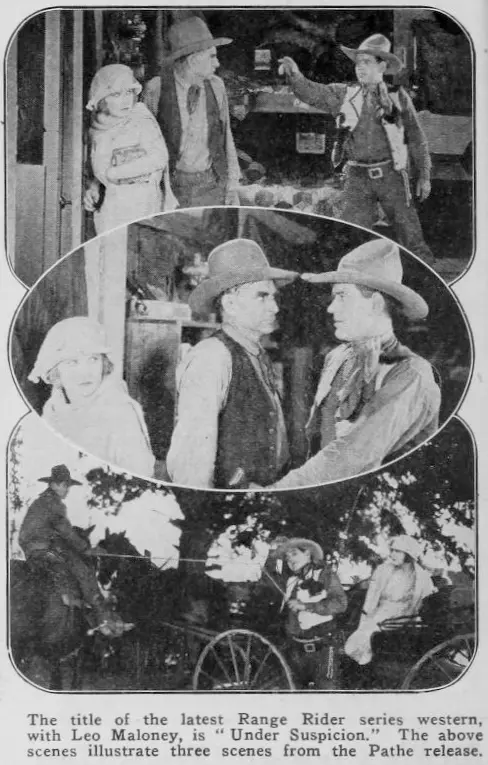
The collaboration between Leo D. Maloney and Ford Beebe is the secret sauce that makes this film resonate. Beebe, who would go on to become a titan of the serial format, brings a sense of structural integrity to the script. The pacing is deliberate, allowing the mystery to breathe before exploding into action. They utilize the visual language of the 1920s—iris shots, dramatic shadows, and expansive long takes—to tell a story that is as much about the environment as it is about the characters. The ranch feels lived-in, a place of sweat and dust, much like the settings in A Daughter of the West or the rugged wilderness of Tiger Rose.
Furthermore, the film's lighting, particularly in the nocturnal smuggling scenes, hints at the proto-noir aesthetic that would dominate Hollywood decades later. The use of deep blacks and sharp highlights creates a sense of foreboding that is often absent in more traditional Westerns like The Spirit of Cabin Mine. This visual sophistication suggests that Maloney and Beebe were looking toward the future of cinema, even as they worked within the established framework of the horse opera.
When examining Under Suspicion alongside its contemporaries, its unique flavor becomes even more apparent. It lacks the saccharine sentimentality of Heart of Gold and the stage-bound artifice of The Concert. Instead, it offers a raw, unfiltered look at the cost of justice. Even the resolution, while triumphant, carries a weight of exhaustion. The arrival of the Ranger Chief is not just a deus ex machina; it is a restoration of the social contract that the hero had to sacrifice his identity to uphold.
The film also stands in stark contrast to the lighthearted 'city' comedies of the era, such as Shadows of Her Pest. While those films sought to distract the audience from the anxieties of the post-war world, Under Suspicion confronts them head-on, using the Western genre as a vehicle to discuss modern crime and the fallibility of human perception. It shares a certain spiritual DNA with The Faithful Heart, in that both films explore the unwavering commitment to a cause, even when that commitment leads to isolation.
Ultimately, Under Suspicion is a testament to the power of the silent medium. Without the aid of synchronized dialogue, Maloney and Beebe convey a complex tale of betrayal, duty, and redemption through pure visual storytelling. The dust kicked up by the horses, the glint of the sun on a hidden flask of 'dope,' and the desperate look in a man's eyes when he realizes he has no allies left—these are the elements that make this film an enduring piece of cinematic history.
As we look back nearly a century later, the film serves as a reminder that the themes of identity and suspicion are timeless. Whether in the 1920s or the 2020s, the struggle to prove one's integrity in a world that is quick to judge remains a potent narrative force. For those willing to look past the grain of the film stock and the absence of sound, Under Suspicion offers a rich, rewarding experience that stands tall among the giants of the silent Western era. It is a film that demands to be seen, not just as a relic, but as a living, breathing piece of art that continues to challenge our perceptions of the hero's journey.
A definitive 1923 classic for the discerning cinephile.
IMDb —
1923
Community
Log in to comment.