DbcultAccessing Vault...
Cult Review
Senior Film Conservator
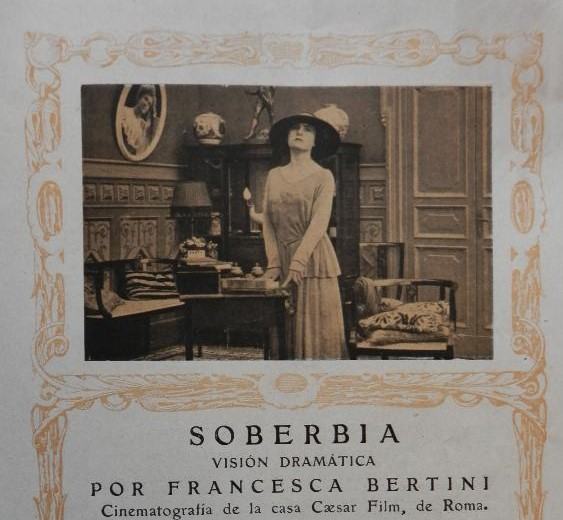
Stepping back into the hallowed halls of early 20th-century Italian cinema, one encounters L'orgoglio, a film that, even a century later, reverberates with the resonant themes of identity, social stratification, and the often-blinding nature of hubris. Released in 1918, amidst the tumultuous backdrop of a world grappling with war and profound societal shifts, this silent melodrama stands as a testament to the era's fascination with grand narratives and heightened emotional stakes. It's a film that, much like its contemporaries such as Hearts of the World, captures the zeitgeist through its dramatic lens, albeit focusing on domestic and aristocratic conflicts rather than global ones. The absence of explicit writing credits, a common practice in an age where directorial vision and star power often overshadowed the scribe, only amplifies the film's reliance on visual storytelling and the raw magnetism of its performers.
At its narrative core, L'orgoglio masterfully spins a tale of a child, separated from her political father under duress and subsequently raised by an unassuming family, completely unaware of her noble heritage. This foundational premise immediately plunges the viewer into a world ripe with dramatic irony and the promise of an inevitable, seismic revelation. The film doesn't merely present a plot; it constructs a meticulously crafted emotional labyrinth, where every glance, every gesture, and every societal barrier serves to amplify the impending collision of worlds. The very title, meaning "Pride," offers a potent thematic key, hinting at the destructive force of unyielding aristocratic self-regard and the eventual humbling that truth often brings. It’s a thematic exploration that finds echoes in other films grappling with social strictures, perhaps even a distant cousin to the societal commentaries found in works like Woman, though L'orgoglio grounds its commentary firmly in the rigid Italian class system.
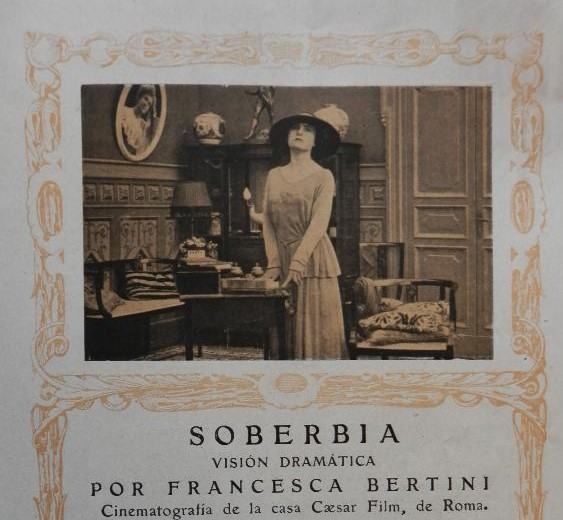
The success of any silent film hinges profoundly on the expressive capabilities of its cast, and L'orgoglio is blessed with an ensemble that delivers with compelling intensity. Nella Montagna, in the pivotal role of the unwitting heroine, brings a delicate vulnerability and an underlying strength to her character. Her performance is a masterclass in conveying complex emotions through subtle facial expressions and nuanced body language, a hallmark of the silent era's finest actors. She embodies the innocent caught in the crosshairs of fate, her burgeoning romance with the duchess's son rendered with a convincing blend of youthful passion and cautious hope. Then there is Francesca Bertini, a titan of Italian silent cinema, whose presence alone elevates the film. As the formidable duchess, she is a force of nature, radiating an icy disdain and unyielding pride that makes her rejection of Montagna's character all the more impactful. Bertini’s portrayal is not merely that of a villain; it is a nuanced depiction of a woman trapped by her own societal expectations and the rigid conventions of her class. Her imperious gestures and piercing gaze speak volumes without a single spoken word, making her a truly unforgettable antagonist. The supporting cast, including Cia Fornaroli, Renato Trento, and Guido Trento, contribute to the film's rich tapestry, each adding depth to the societal milieu and the personal dramas unfolding within it. Their collective performances create a palpable sense of the era's social dynamics, echoing the dramatic interactions seen in other period pieces like The Vow, where personal commitments clash with external pressures.
Visually, L'orgoglio is a feast for the eyes, showcasing the sophisticated craftsmanship of silent Italian cinema. The cinematography, though perhaps constrained by the technological limitations of the time, is remarkably effective in establishing mood and advancing the narrative. Shots are carefully composed, drawing the viewer's attention to the subtle cues that define character and situation. The opulent settings of the aristocratic world contrast sharply with the simpler, more humble environments, visually reinforcing the class divide that forms the crux of the film's conflict. Costuming is meticulous, with the elaborate gowns and formal attire of the upper class serving as both a symbol of their status and a visual barrier separating them from the 'common folk.' These sartorial choices, combined with the often grand and theatrical set designs, create a world that feels both fantastical and deeply rooted in the social realities it portrays. The film's visual language is its primary means of communication, and it speaks volumes, allowing the emotions to play out on screen with an almost operatic intensity. This visual storytelling is arguably more powerful than many dialogue-driven films, demanding a different kind of engagement from the audience, one that relies on observation and empathy, not unlike the immersive experience of films such as The Secret of the Swamp, which also relied heavily on atmosphere and unspoken tension.
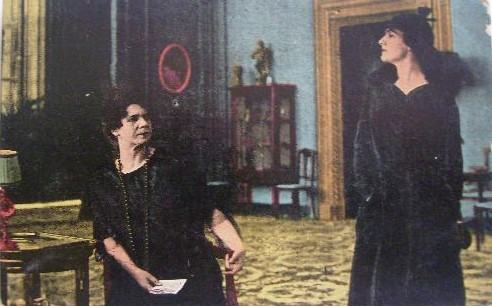
The film embraces its melodramatic roots with unapologetic fervor, using heightened emotions and dramatic reveals to explore profound social questions. The forbidden romance, the cruel rejection, and the eventual unveiling of truth are all handled with a theatrical flair characteristic of the era. Yet, beneath the surface of these grand gestures lies a penetrating critique of societal norms. The duchess's pride, her unyielding adherence to class distinctions, is not merely a personal failing but a reflection of a broader social malaise. It's a system that values lineage over character, appearance over substance, and perpetuates cycles of misunderstanding and suffering. The film expertly builds tension through its slow-burn revelation, allowing the audience to feel the weight of the injustice and anticipate the dramatic shift in perspective that the truth will bring. This slow, deliberate unfolding of a central secret, with its profound implications, can be seen in other narrative structures where hidden identities drive the plot, like in Detective Craig's Coup, where deception and revelation are key, albeit in a different genre. L'orgoglio, however, uses these narrative devices to explore the emotional and social consequences of maintaining facades, the immense personal cost of upholding a false sense of superiority, and the deep-seated human need for belonging and recognition, regardless of one's birthright. The film's emotional arc is designed to elicit strong reactions, from sympathy for the wronged heroine to indignation at the duchess's prejudice, ultimately leading to a cathartic resolution where truth triumphs over ingrained bias.
The film's climax is, as expected, a powerful moment of revelation. When the true lineage of the heroine is finally unveiled, it's not just a plot twist; it's a dramatic reordering of the entire social landscape the film has so carefully constructed. The duchess, previously unshakeable in her convictions, is forced to confront the profound error of her judgment, her pride shattered by an undeniable truth. This moment of recognition, often depicted with sweeping gestures and intense close-ups in silent cinema, is where the film truly earns its title. It's the moment when the destructive power of pride is exposed, and the potential for redemption, however late, is offered. The resolution, while satisfying in its dramatic conclusion, also leaves the audience pondering the fragility of social constructs and the arbitrary nature of status. It's a reminder that beneath the layers of societal artifice, human connection and inherent worth ultimately prevail. The film’s dramatic structure, building towards a singular, impactful truth, is reminiscent of the narrative drive in films like Blodets röst or The Broken Law, where a hidden truth or transgression fundamentally alters the characters' realities. But L'orgoglio focuses less on crime and more on the systemic injustices of class, making the unveiling a moral rather than purely legal triumph.
More than a century after its release, L'orgoglio remains a compelling piece of cinematic history. It offers not only a glimpse into the filmmaking techniques and storytelling conventions of the silent era but also a timeless exploration of human nature. Its themes of identity, love transcending social barriers, and the ultimate triumph of truth over prejudice are as relevant today as they were in 1918. The film serves as a valuable artifact for understanding the cultural and social anxieties of its time, showcasing how popular entertainment engaged with questions of class, legitimacy, and personal worth. While perhaps not as widely known as some of its Hollywood counterparts, its significance in Italian cinema cannot be overstated. It stands alongside other ambitious works of its period, such as the German serial Homunculus, 6. Teil - Das Ende des Homunculus, in demonstrating the global reach and artistic ambition of early filmmakers. For film enthusiasts and historians alike, L'orgoglio is a fascinating study, a silent film that speaks volumes, reminding us of the enduring power of classic narratives and the magnetic performances that brought them to life. Its narrative precision, coupled with the emotional depth conveyed by its cast, particularly Montagna and Bertini, ensures that its message about the corrosive nature of pride and the eventual unveiling of genuine merit continues to resonate, long after the projectors have ceased their whirring and the final intertitle has faded from the screen. It is a work that challenges us to look beyond superficial appearances and question the very foundations upon which societal judgments are built, offering a poignant reminder that true nobility often resides not in birthright, but in character and heart.
IMDb 6.9
1932
Community
Log in to comment.