DbcultAccessing Vault...
5.8/10
Senior Film Conservator
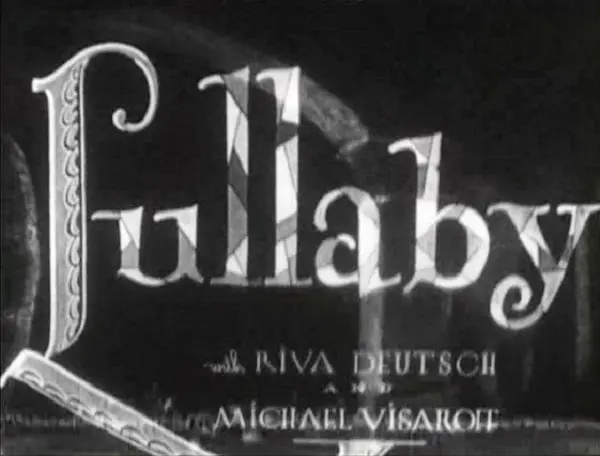
A definitive 5.8/10 rating for a film that redefined the boundaries of cult cinema. Lullaby remains a cornerstone of transgressive art.
Is 'Lullaby' worth watching in today's crowded streaming landscape, a century after its creation? Short answer: yes, but with significant caveats, appealing primarily to cinephiles drawn to early cinematic experimentation and stark, allegorical storytelling, while likely alienating those seeking conventional narrative or comfort.
This film is for viewers who appreciate the raw, unvarnished power of silent cinema, particularly those with an interest in expressionistic visuals and poignant social commentary delivered through stark imagery rather than dialogue. It is emphatically NOT for audiences seeking fast-paced plots, clear-cut resolutions, or modern production values; its deliberate pace and often ambiguous nature will test the patience of many.
The film opens on a scene of domestic dissonance, a microcosm of a harsh world. We are introduced to a young servant woman, nameless and seemingly voiceless, whose primary role is to attend to an infant in a perpetually noisy inn. Her attempts to soothe the child are routinely interrupted by the cruel interjections of the innkeeper and his wife. Their abuse, both verbal and physical, is not merely a plot device; it is the very fabric of her existence, depicted with a stark, almost documentary-like honesty that belies the film's silent nature.
This initial sequence establishes a suffocating atmosphere, where kindness is absent and empathy a foreign concept. The clamor of the inn, though unheard, is powerfully conveyed through the frenetic movements of the patrons and the exasperated gestures of the servant. It's a world where the most vulnerable are exploited, and the promise of a ‘lullaby’ feels like a cruel jest.
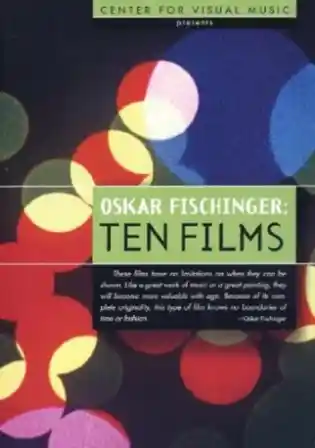
As night falls, the servant’s desperation reaches a breaking point. Driven by an almost primal hunger and an overwhelming sense of despair, she makes a choice: escape. Her flight takes her from the oppressive confines of the inn into an open, yet equally unsettling, landscape. This transition is perhaps the film’s most striking visual element, transforming the narrative from gritty realism to an almost surreal dreamscape, a world painted with the brushstrokes of Marc Chagall.
The final act sees the innkeeper and his wife awaken to the baby's continued cries, now unaddressed. The servant is gone. The question – where has she gone? – hangs heavy, but it’s the deeper inquiry, “For whom is the lullaby?” that truly resonates, turning a simple tale of abandonment into a profound meditation on hope, loss, and the silent cries of the oppressed.
This film works because of its unflinching gaze into human cruelty and its bold visual storytelling. It achieves a rare blend of social realism and expressionistic allegory, creating a memorable, if unsettling, experience. The performances, particularly from the unnamed servant, convey immense suffering without a single spoken word, relying entirely on physical expression and the raw power of the human face.
This film fails because its deliberate pacing and reliance on visual metaphor over explicit narrative can alienate modern audiences accustomed to more direct storytelling. The ambiguity, while artistically potent, might leave some viewers feeling unfulfilled or confused, especially regarding the 'Chagal-like landscape' which, while striking, feels somewhat disconnected from the gritty reality established earlier.
You should watch it if you are a student of silent cinema, an admirer of early psychological drama, or someone who appreciates films that challenge conventional narrative structures and explore profound themes through visual poetry. It's a film that demands active engagement and a willingness to interpret rather than simply consume.
In silent cinema, the burden of conveying emotion rests entirely on the actors' physicality and facial expressions. In 'Lullaby,' both Michael Visaroff as the innkeeper and Riva Deutsch as the servant woman deliver performances that transcend the limitations of the medium. Visaroff embodies a chilling, almost cartoonish malevolence. His gestures are broad, his scowl deeply etched, making him a figure of pure, unadulterated villainy. He is not a nuanced character; he is a force of oppression, and his performance is effective precisely because of its stark simplicity.
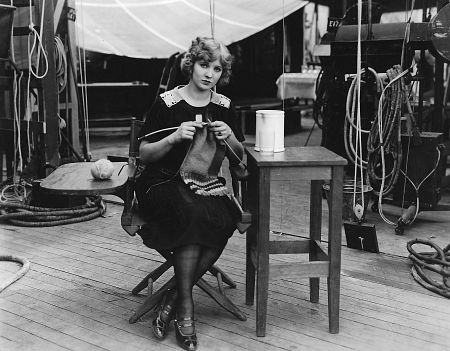
Riva Deutsch, however, is the film's true emotional anchor. Her portrayal of the servant is a masterclass in silent suffering. Every slump of her shoulders, every downcast glance, every desperate, hungry look at a scrap of bread communicates volumes. There's a particular scene where she attempts to comfort the crying baby while simultaneously enduring the innkeeper's harsh words; her face flickers between tenderness for the child and profound despair for herself. It is a subtle, heartbreaking moment that elevates her performance beyond mere pantomime.
The silent nature of the film amplifies these performances. Without dialogue, the audience is forced to focus intensely on every gesture, every flicker of an eye. Deutsch's ability to convey such a complex emotional landscape – weariness, fear, fleeting hope, ultimate resignation – with such economy is truly remarkable. Her silent screams are louder than any spoken word could be.
The most distinctive element of 'Lullaby' is its bold shift in visual style once the servant woman leaves the inn. The early scenes are grounded in a gritty, realistic portrayal of a bustling, squalid environment. The inn is claustrophobic, filled with shadows and sharp angles, reflecting the harshness of the servant's existence. This realism is abruptly shattered when she steps out into the night.
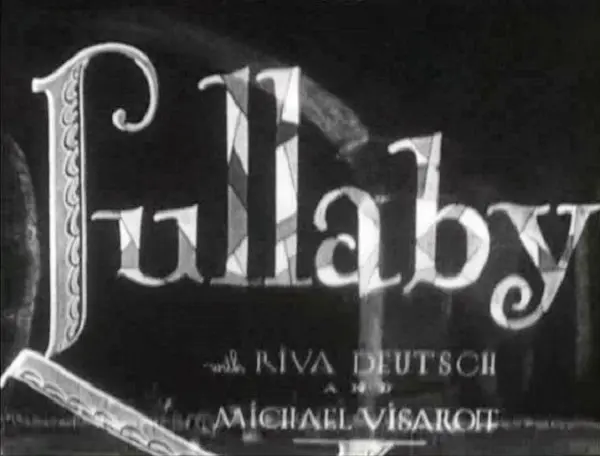
The landscape she wanders through is explicitly described as 'Chagal-like', and this is where the film truly takes an unconventional turn. The sets become stylized, almost two-dimensional, with distorted perspectives and exaggerated forms. Trees might twist unnaturally, hills might undulate in surreal patterns, and the very ground seems to shift beneath her feet. It's a visual metaphor for her psychological state – a world unmoored, where the rules of reality no longer apply.
This stylistic choice, while jarring, is incredibly effective in conveying her profound disorientation and desperation. It's an internal landscape made external, a visual representation of her broken spirit. One could argue that this sudden shift, while artistically daring, somewhat detaches the viewer from the raw, human plight established earlier. It moves from empathy to allegory, which is a powerful choice but one that demands a different kind of engagement from the audience. It’s a gamble that largely pays off, but it’s a gamble nonetheless.
The 'Chagal-like' sequence is both the film's most innovative and most perplexing feature, a bold artistic statement that challenges conventional narrative continuity.
The pacing of 'Lullaby' is deliberate, almost agonizingly so at times. This is not a film that rushes its narrative. Instead, it allows moments of suffering and despair to linger, forcing the audience to sit with the discomfort of the servant's plight. The early scenes in the inn are chaotic, reflecting the noisy environment, yet the camera often holds on the servant's face, isolating her anguish amidst the surrounding din. This creates a powerful contrast between external chaos and internal stillness.
The tone is overwhelmingly bleak. There are no moments of levity, no glimmers of hope within the inn's walls. The only tenderness comes from the servant herself, directed towards the baby, which only serves to highlight the cruelty of her employers. When she escapes, the tone shifts from oppressive realism to existential dread. The 'Chagal-like' landscape, while visually striking, offers no solace; it is merely a different kind of prison, one of infinite, desolate space.
This sustained tone of misery might be off-putting for some, but it is precisely what gives the film its enduring power. It doesn't flinch from depicting the harsh realities of poverty and abuse, even if it does so through a highly stylized lens in its latter half. The film is a lament, a prolonged sigh of despair, culminating in an ambiguous ending that offers no easy answers, only lingering questions about the human condition.
As a silent film, 'Lullaby' relies heavily on its visual language to convey meaning. Cinematography plays a crucial role, particularly in establishing the oppressive atmosphere of the inn. Shadows are used extensively to create a sense of entrapment and foreboding. The innkeeper and his wife are often framed in domineering positions, casting long, menacing shadows over the servant, visually reinforcing their power dynamic.
The transition to the 'Chagal-like' landscape is a masterstroke in symbolic filmmaking. The distorted sets, the swirling lines, the exaggerated scale – all work together to externalize the servant's inner turmoil. It's not just a physical journey but a psychological one, a descent into a world where reality has fractured. The very act of wandering through this surreal space becomes a metaphor for her aimlessness and hopelessness.
One particularly poignant symbolic element is the lullaby itself. Though unheard, its presence is felt throughout the film. It represents comfort, safety, and a mother's love – all the things denied to the servant. The final question, 'For whom is the lullaby?', transforms the simple act of singing to a child into a universal plea for solace in a world devoid of it. It's a powerful use of an implied sound to evoke profound emotion.
To fully appreciate 'Lullaby', it's important to place it within the context of early 20th-century cinema. This was a period of immense experimentation, where filmmakers were still discovering the unique capabilities of the medium. While American cinema was largely focused on narrative clarity and character-driven stories, European cinema, particularly German Expressionism, was pushing the boundaries of visual style and psychological depth.
'Lullaby' shares thematic echoes with films like The Leap of Despair in its depiction of dire circumstances leading to desperate acts, or even the stark social commentary found in some of the early Soviet montage films. However, its unique blend of gritty realism and surreal allegory sets it apart. It doesn't quite fit neatly into any single movement, which is both its strength and, perhaps, why it remains less widely known than some of its contemporaries.
The film's exploration of social class and the plight of the working poor was a common theme in early cinema, often seen in melodramas or social dramas. What makes 'Lullaby' distinctive is its refusal to offer easy solutions or sentimental resolutions. It presents a problem, amplifies the suffering, and then leaves the audience to grapple with the implications, much like the challenging narratives found in films such as The Woman from Nowhere.
Lullaby is not an easy film. It is a stark, almost brutal, exploration of human suffering and the desperate search for solace in an indifferent world. Its silent screams resonate long after the final frame, propelled by a central performance that is nothing short of captivating. The film's bold artistic choices, particularly its venture into a surreal, painterly landscape, mark it as a fascinating piece of early cinematic experimentation. It works. But it’s flawed. Its deliberate pace and unrelenting bleakness are not for everyone, and its stylistic shifts, while daring, may alienate as much as they mesmerize.
However, for those willing to engage with its challenging narrative and embrace its unique visual poetry, 'Lullaby' offers a profoundly moving and thought-provoking experience. It serves as a powerful reminder of the enduring capacity of cinema to explore the darkest corners of the human condition, even without a single spoken word. It is a film that demands to be seen by serious students of film history and those who appreciate art that stirs the soul, even if it leaves it unsettled. Consider it a necessary, if difficult, piece of cinematic history.
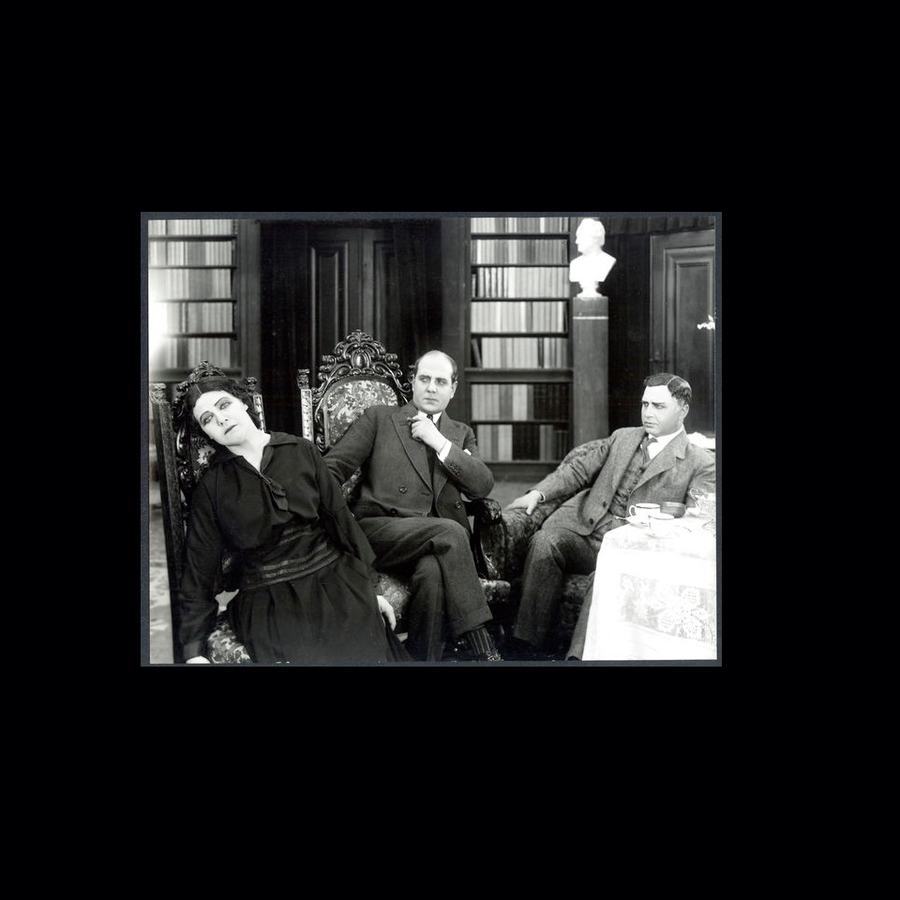
IMDb —
1917
Community
Log in to comment.