DbcultAccessing Vault...
6.8/10
Senior Film Conservator
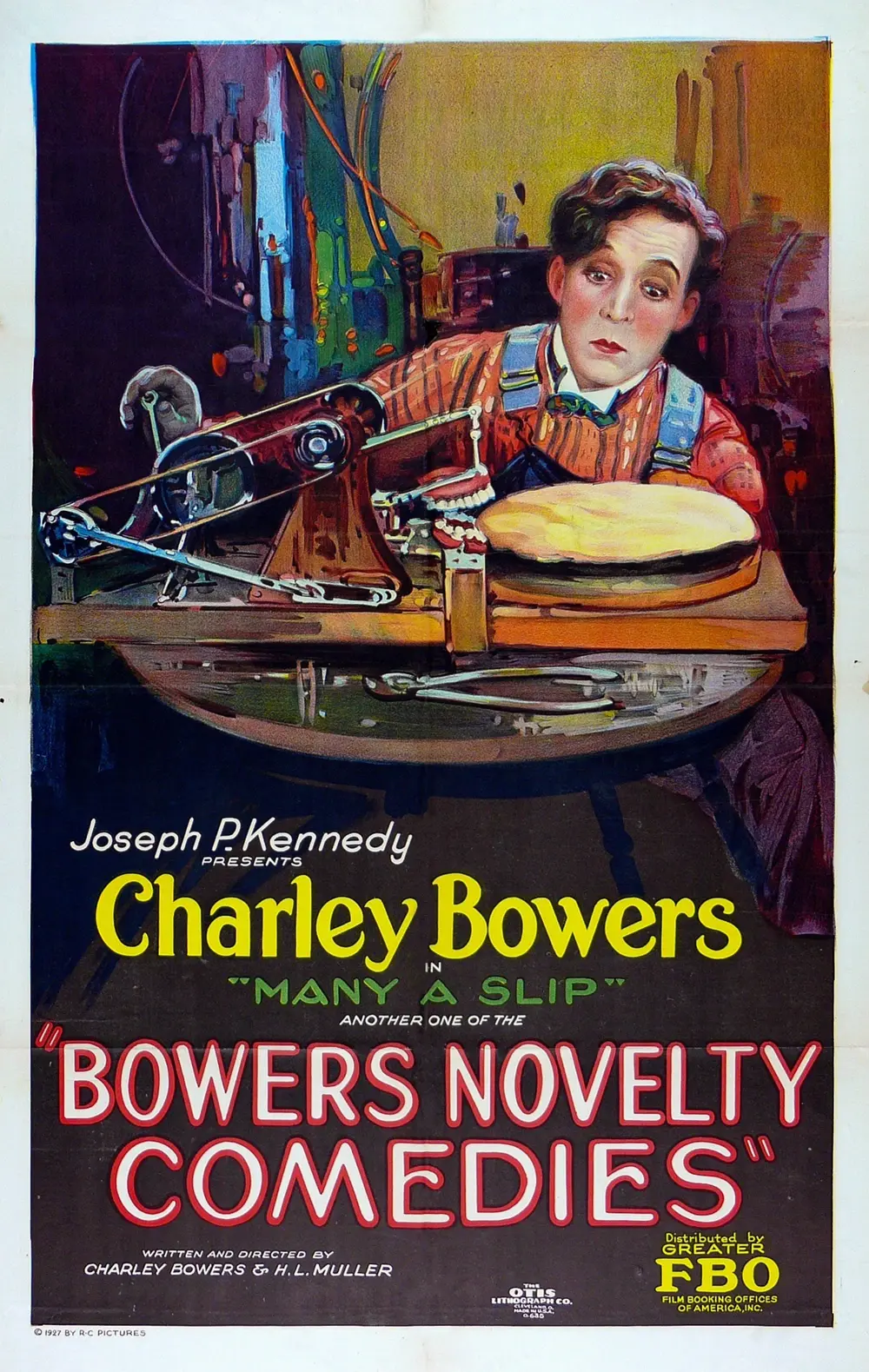
A definitive 6.8/10 rating for a film that redefined the boundaries of cult cinema. Many a Slip remains a cornerstone of transgressive art.
Is Many a Slip a lost classic or just a bizarre relic of a bygone era? Short answer: yes, but only if you have a high tolerance for the truly bizarre. This film is for the animation historian and the surrealist seeker; it is definitively not for those who want a grounded, emotional narrative like The Old Nest.
1) This film works because it transforms a tired slapstick cliché into a high-concept engineering nightmare. 2) This film fails because its narrative logic is as thin as the peel it satirizes, leading to a disjointed final third. 3) You should watch it if you have a penchant for the mechanical surrealism of Rube Goldberg or the early experimentalism of Jan Švankmajer.
To talk about Many a Slip is to talk about the 'Bowers Process.' Charles Bowers was not merely a comedian; he was a tinkerer, an animator, and perhaps a bit of a madman. In an era where Buster Keaton was jumping off moving trains, Bowers was in a studio, painstakingly moving a clay banana millimeter by millimeter. This film represents the pinnacle of his obsession. It treats the mundane task of fruit cultivation with the clinical gravity of a medical documentary, creating a tone that is both hilarious and deeply unsettling.
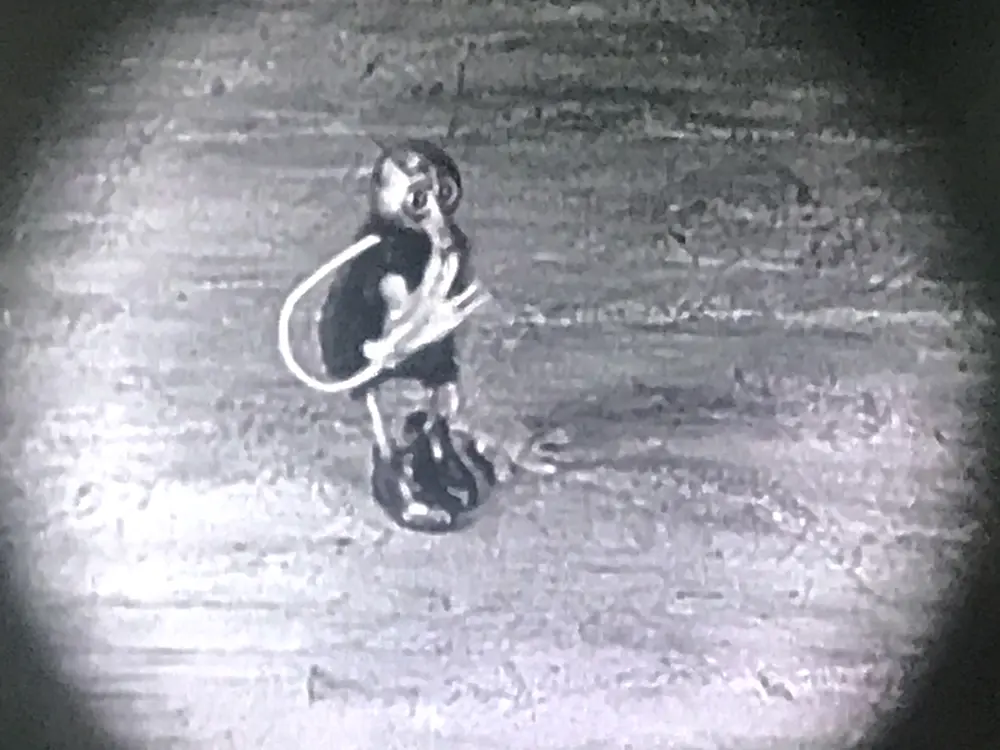
Unlike the straightforward comedic timing found in Beaches and Peaches, Many a Slip relies on the 'uncanny valley.' When Charley’s non-slippery banana begins to grow, it doesn't just sprout; it pulses and unfolds with a life of its own. It is a technical anomaly that feels decades ahead of its time. Bowers’ deadpan performance serves as the perfect anchor for this madness. He doesn't play for the camera; he plays for the invention.
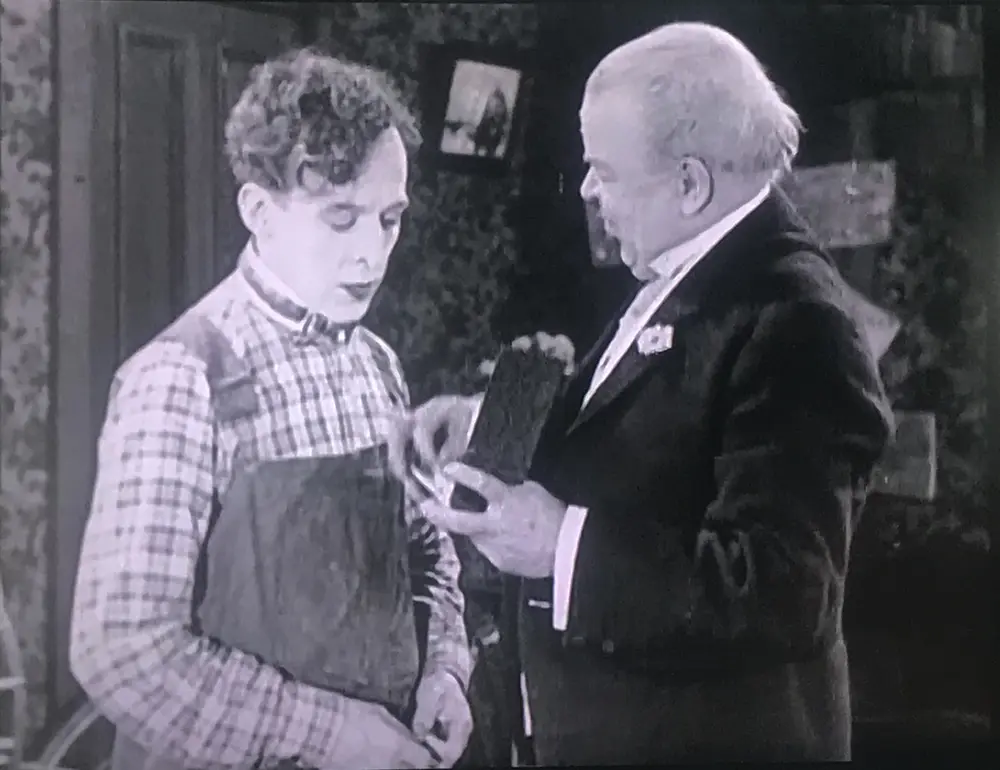
The supporting cast, including Ricca Allen and Eddie Dunn, provide a necessary human element to the chaos. They represent the 'normal' world, a world that is increasingly confused by Charley's dedication. While Another Scandal might focus on human frailty, Many a Slip focuses on the frailty of objects. It is a film where the inanimate is the true protagonist.
Yes, Many a Slip is worth watching for its historical significance and unique visual style. It represents a rare bridge between traditional silent comedy and experimental stop-motion animation. If you enjoy seeing the limits of 1920s technology being pushed, this film is a must-see. It offers a level of visual inventiveness that you simply won't find in standard dramas like The Love Swindle.
The central conceit—the non-slippery banana—is a meta-commentary on cinema itself. The banana peel slip was already a tired trope by 1927. By attempting to 'invent' a solution, Bowers is essentially satirizing his own industry. There is a specific scene where Charley uses a series of complex gears to measure the friction coefficient of a fruit. This isn't just a joke; it's a commentary on the industrialization of the 1920s, much like the themes found in The Enchanted City.
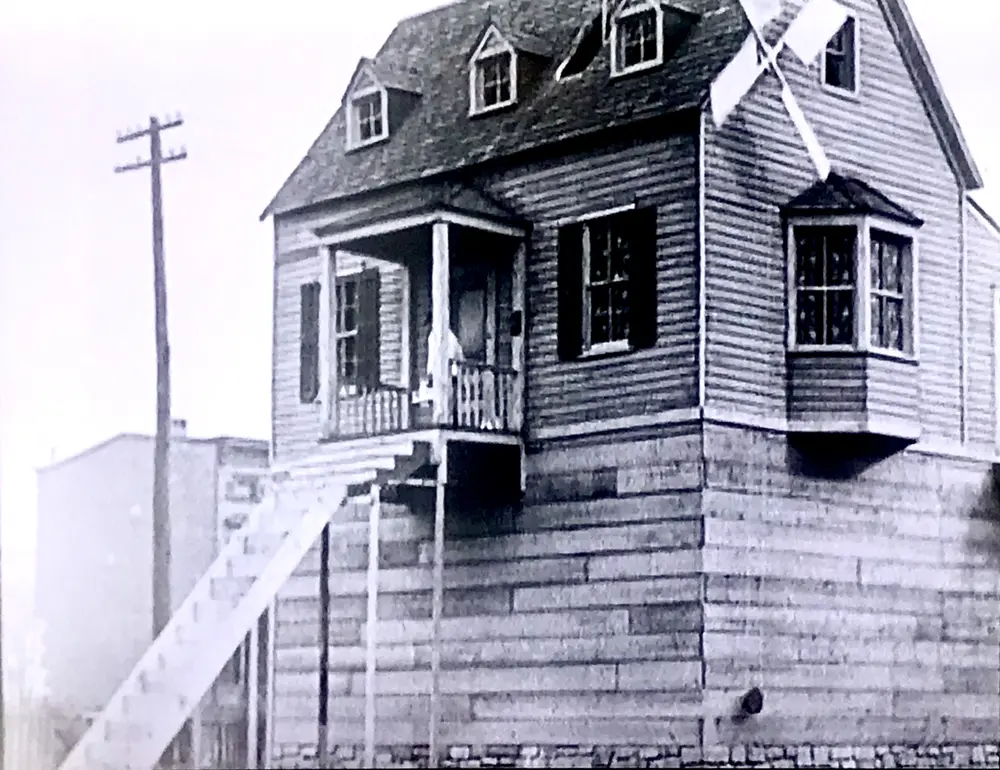
The cinematography by Harold L. Muller is surprisingly sophisticated. He manages to capture the scale of Charley's workshop while maintaining the intimacy needed for the stop-motion sequences. The lighting is harsh, almost noir-like, which adds to the film's surreal atmosphere. It contrasts sharply with the lighter, more airy feel of contemporary shorts like Mots croisés.
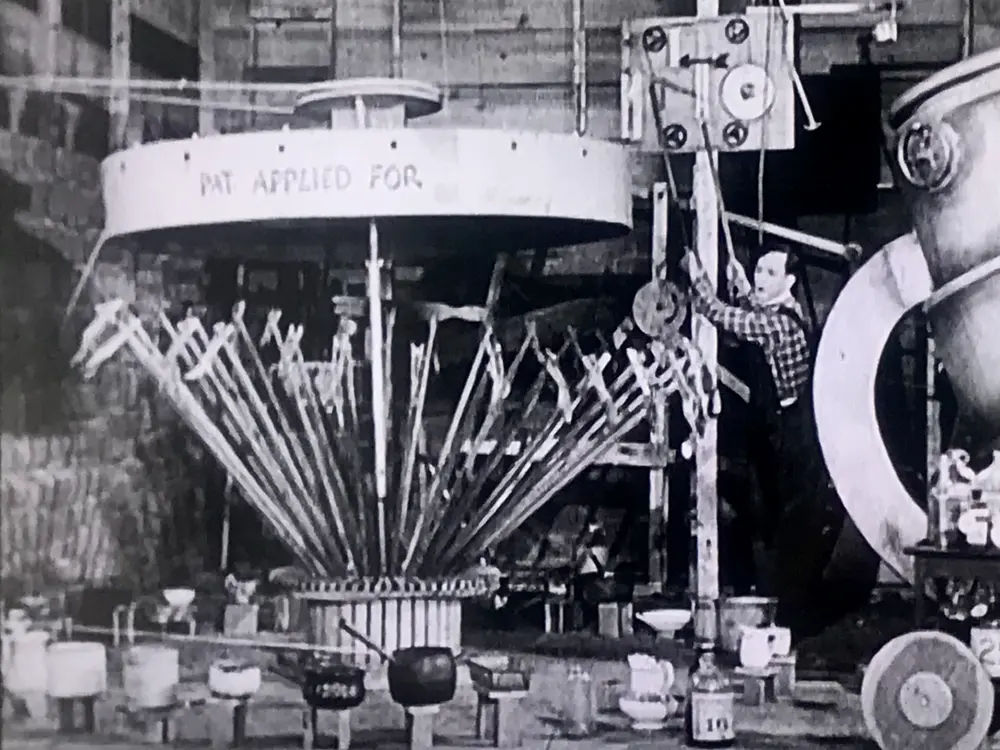
However, we must address the pacing. The film starts as a methodical study of an invention and then suddenly pivots into a high-speed chase. This shift is jarring. It feels as though two different films were stitched together. One is a brilliant piece of surrealist art; the other is a standard, albeit well-executed, slapstick chase. It works. But it’s flawed.
When we look at other films of the period, such as Some Cave Man, we see a reliance on primitive gags. Bowers, however, was looking forward. His work feels more akin to modern animation than to the stage-bound comedies of his peers. Even a film like The Wolf Man (1923) lacks the sheer visual audacity present in Many a Slip.
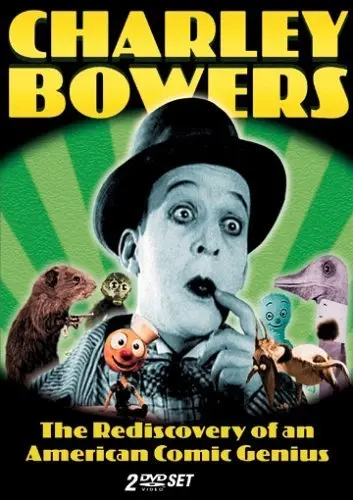
There is a level of detail here that is frankly exhausting. Every frame of the stop-motion sequences shows a craftsman who was unwilling to take the easy route. While Headin' Home relied on the star power of Babe Ruth, Many a Slip relies entirely on the strength of its visual imagination. It is a testament to the power of independent vision in the early studio system.
The film's ending is perhaps its most debatable element. Some may find the resolution satisfyingly chaotic, while others might feel it abandons the intellectual curiosity of the first half. I fall into the latter camp. The 'science' of the banana was far more interesting than the inevitable chase that follows it. It’s a common pitfall of the era—the need to end with a 'bang' often overrode the need for thematic consistency.
Many a Slip is a fever dream captured on 35mm. It is a film that refuses to be categorized, oscillating between a technical demonstration and a slapstick comedy. While it lacks the narrative cohesion of The Narrow Street, it more than makes up for it with sheer audacity. Charles Bowers was a man out of time, and this film is his manifesto. It is weird. It is wild. It works. If you are tired of the same old silent film tropes, let Charley show you a banana that won't let you down—even if the film's structure occasionally does.
"In the world of Charles Bowers, the laws of physics are merely suggestions, and a piece of fruit is a biological machine waiting to be hacked."
IMDb 6
1916
Community
Log in to comment.