DbcultAccessing Vault...
Cult Review
Senior Film Conservator
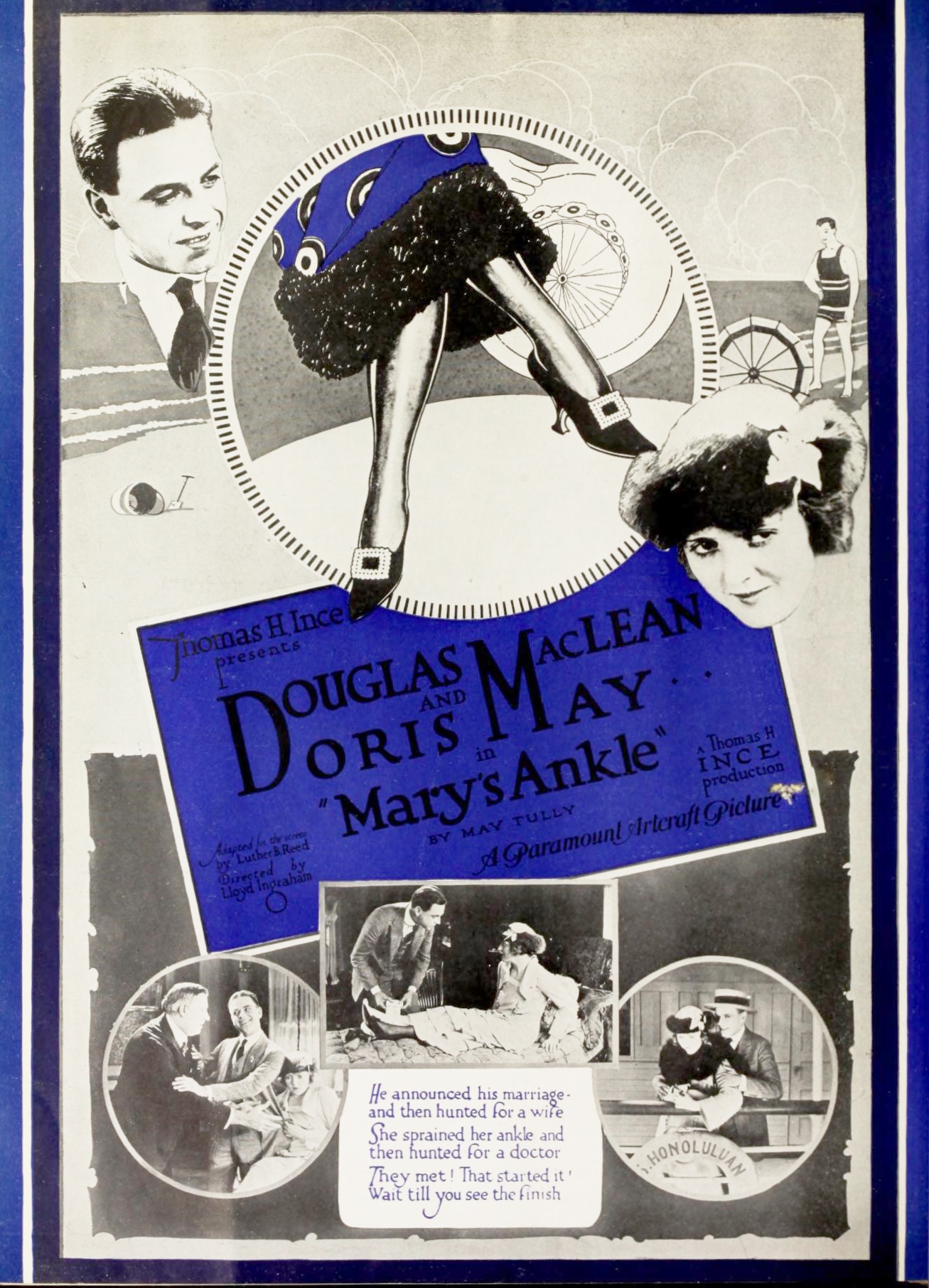
May Tully and Luther Reed’s Mary’s Ankle (1920) arrives like a champagne cork popped in a hurricane: effervescent, chaotic, impossible to re-cork once the fizz of deception hits the air. The film marries the thrift-shop whimsy of early American slapstick to the drawing-room cynicism of Wildean comedy, all while shimmying aboard a luxury liner as if He Leads, Others Follow took a detour through When a Man Loves and washed up seasick on the shores of matrimony.
Shot in the stingy shadow of post-war recession, the picture stretches every dollar until the celluloid squeaks. Hampton’s medical office—barely more than a desk, a skeleton, and a dangling stethoscope—becomes a cathedral of irony where oaths to heal are instantly mangled by fiscal panic. The script’s central con, a barrage of counterfeit wedding invitations, feels like a Keystone riff on The Picture of Dorian Gray: the corruption of an innocent image, except here the portrait is Mary Jane’s reputation, wrinkled by gossip rather than age.
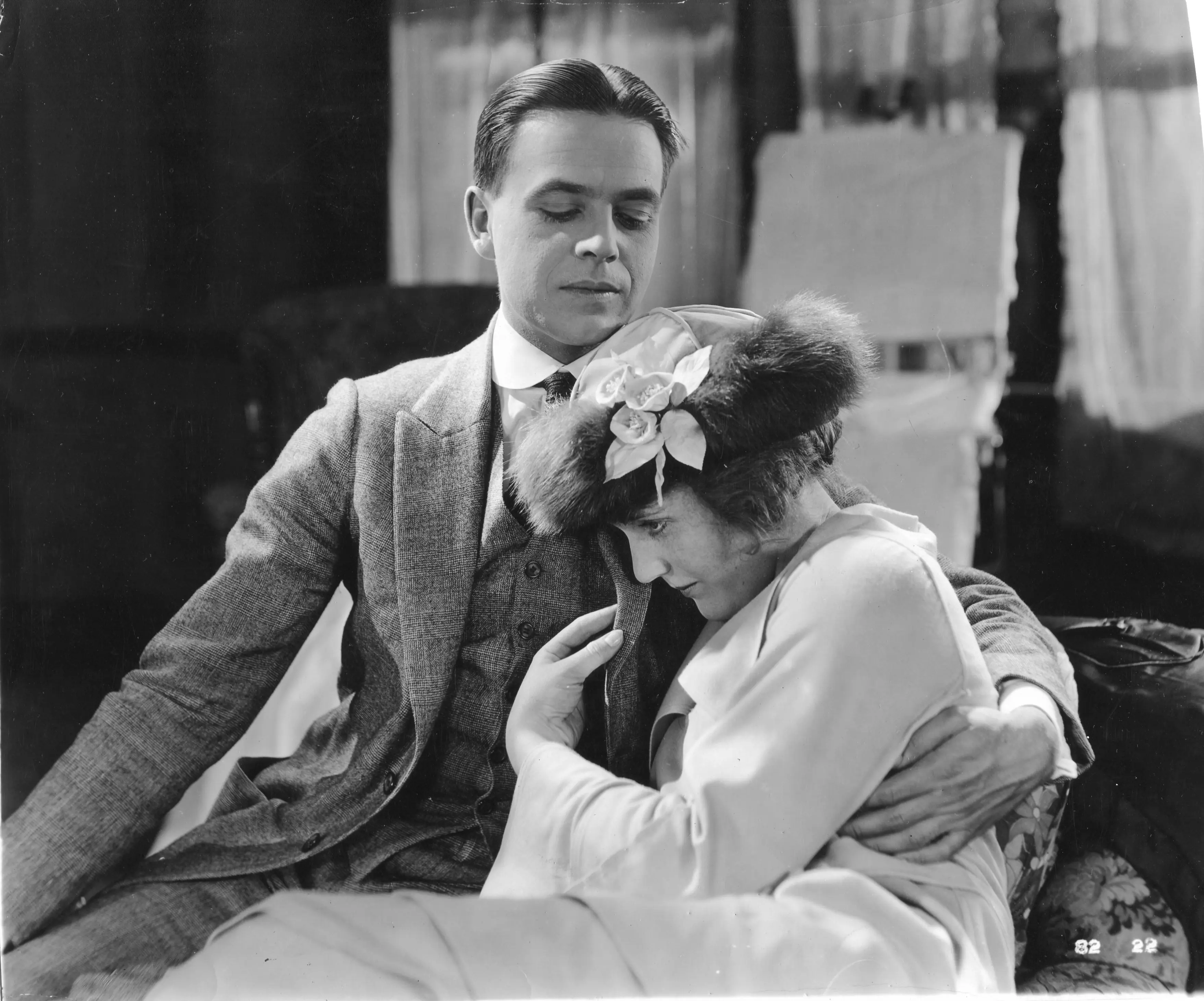
Victor Potel’s Arthur toggles between hang-dog sincerity and the rubber-faced contortions that made him a Mack Sennet veteran; his eyebrows alone deserve a supporting-credit nod. Opposite him, Doris May’s Mary Jane exudes flapper pragmatism—she isn’t duped by love so much as negotiating its going rate. Watch the micro-moment when she spies the stack of invitations: pupils flare, breath catches, ankle folds like a bad poker hand. It’s slapstick as emotional biopsy.
Neal Burns and Douglas MacLean supply a vaudevillian double-act that anticipates the verbal volleys of later screwball. Their timing is so crisp you can almost hear the splice-marks snap. Meanwhile, Ida Lewis’s Aunt Angelica sashays through the plot like a dowager who’s read too much Colette and packed too little luggage; her rekindled flirtation with Uncle George (a blustery James Gordon) adds a tertiary heartbeat reminiscent of La Belle Russe’s autumnal pas de deux.
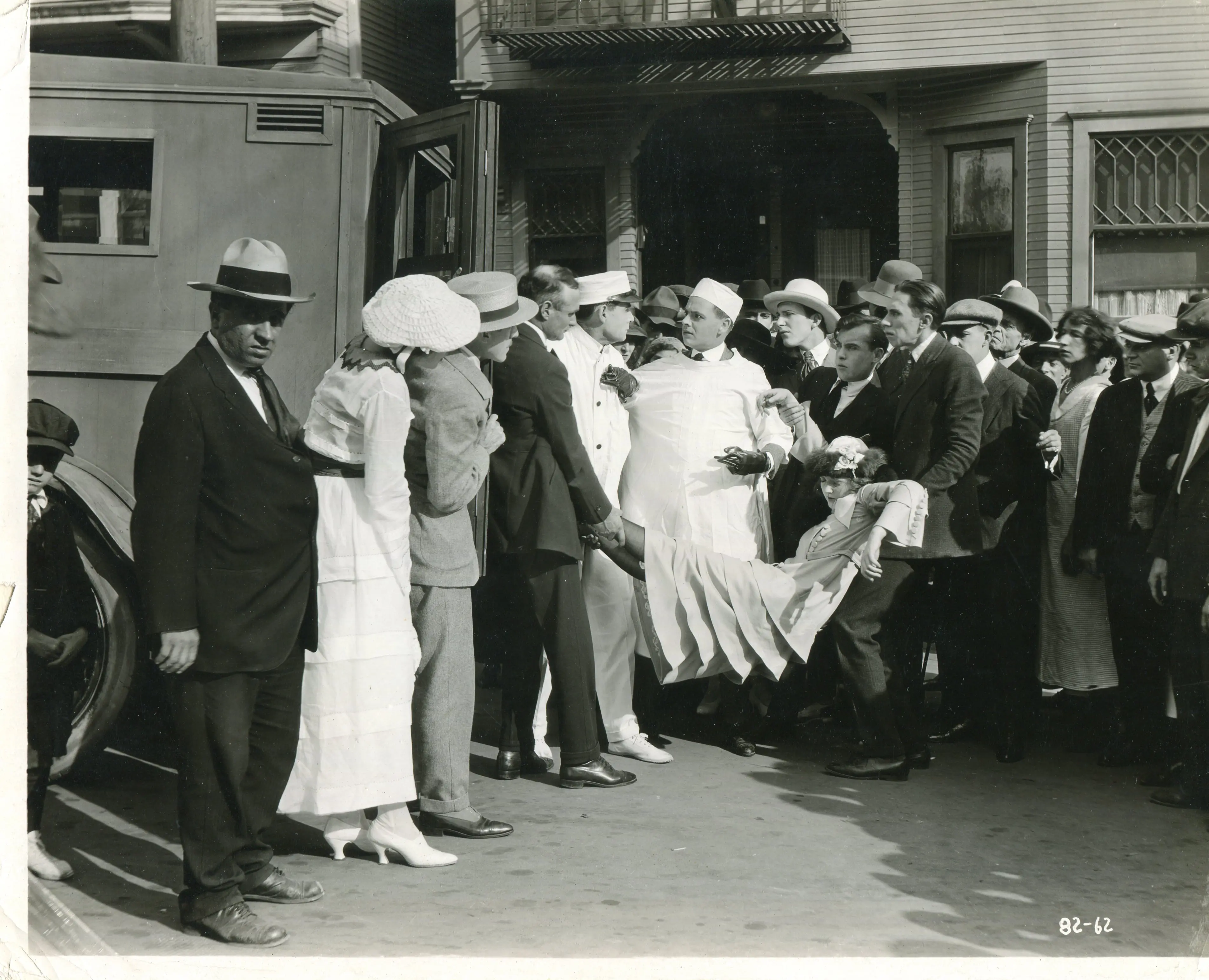
Cinematographer Friend Baker exploits high-contrast orthochromatic stock to turn Los Angeles sidewalks into tundras of white glare while black doorways gape like solvent debts. Once aboard ship, the mise-en-scène pivots to Art-Nouveau curves and porthole vignettes, the ocean’s heave rendered through swirling painted backdrops that flirt with abstraction. A lantern-slide moon smears yellow across the deck—an amber cue that danger and desire share the same tide.
Intertitles flare in cautionary yellow whenever Stub and Johnny concoct fresh fraud, while burnt-orange tints flood scenes of romantic delusion—an early experiment in chromatic symbolism that predates the full Technicolor swagger of Rebecca the Jewess. The final act’s cerulean-blue toning, washing over the makeshift wedding, signals Arthur’s plunge into sincerity; the ocean itself becomes both witness and accomplice.
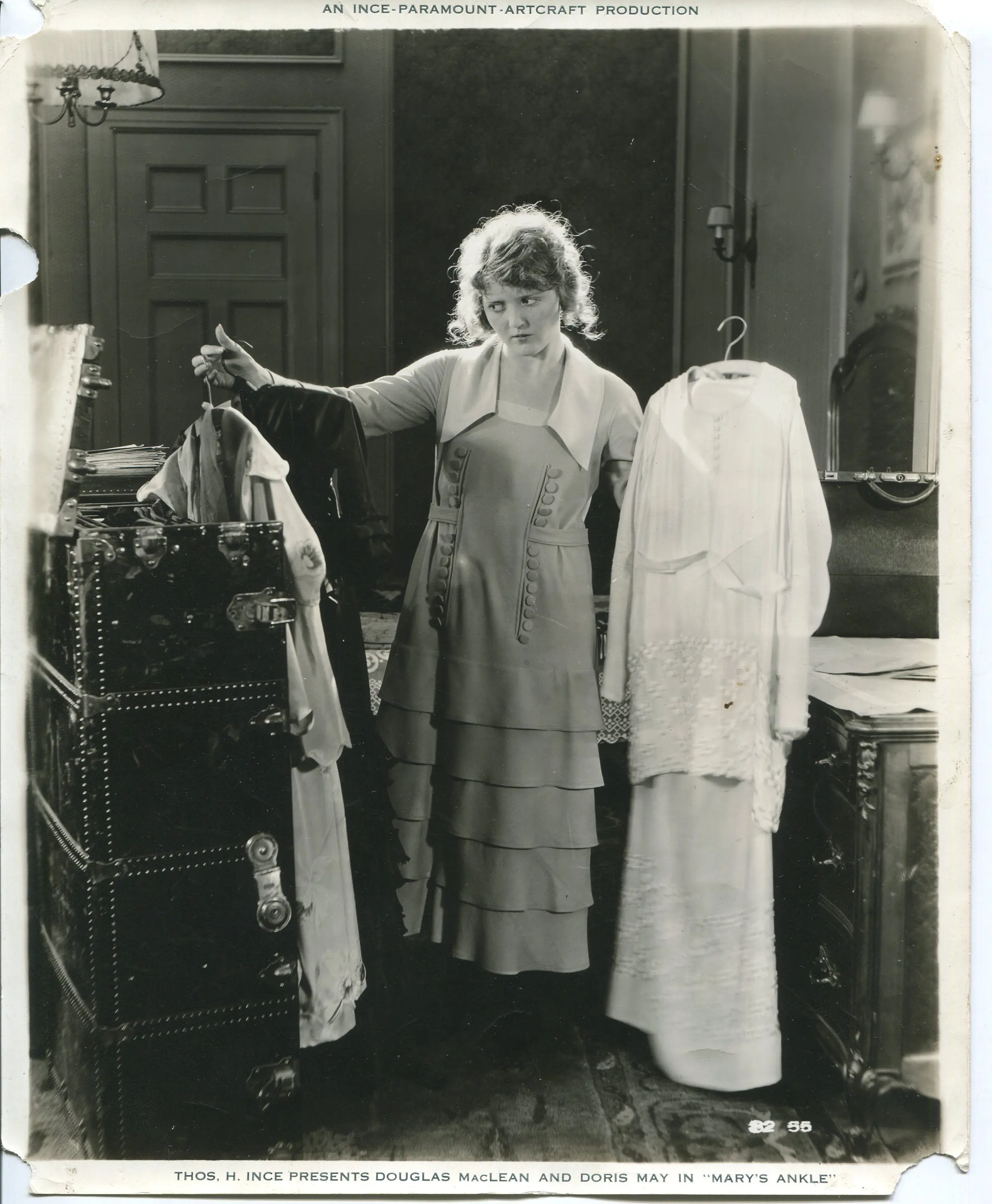
The cutting pattern accelerates like a heartbeat on nitroglycerin: urban sequences average 2.4 seconds per shot, evoking the neurasthenic pulse of Midnight Madness. Once the narrative sets sail, shot duration doubles, allowing visual gags to breathe and romantic tension to stretch until it twangs. Note the match-cut from Mary Jane’s bandaged ankle to the ocean liner’s coiled hawser—an associative leap that links human fragility to maritime might.
Under the farce lies a shrewd critique of transactional womanhood. Mary Jane’s sprain literalizes the era’s hobbling of female autonomy; her consent to the sham marriage is less capitulation than leveraged buyout. She demands—and receives—agency over the ceremony’s locale, converting oceanic liminality into a boardroom where she renegotiates the social contract. It’s a proto-feminist pivot that rhymes with Souls in Pawn without that film’s melodramatic martyrdom.
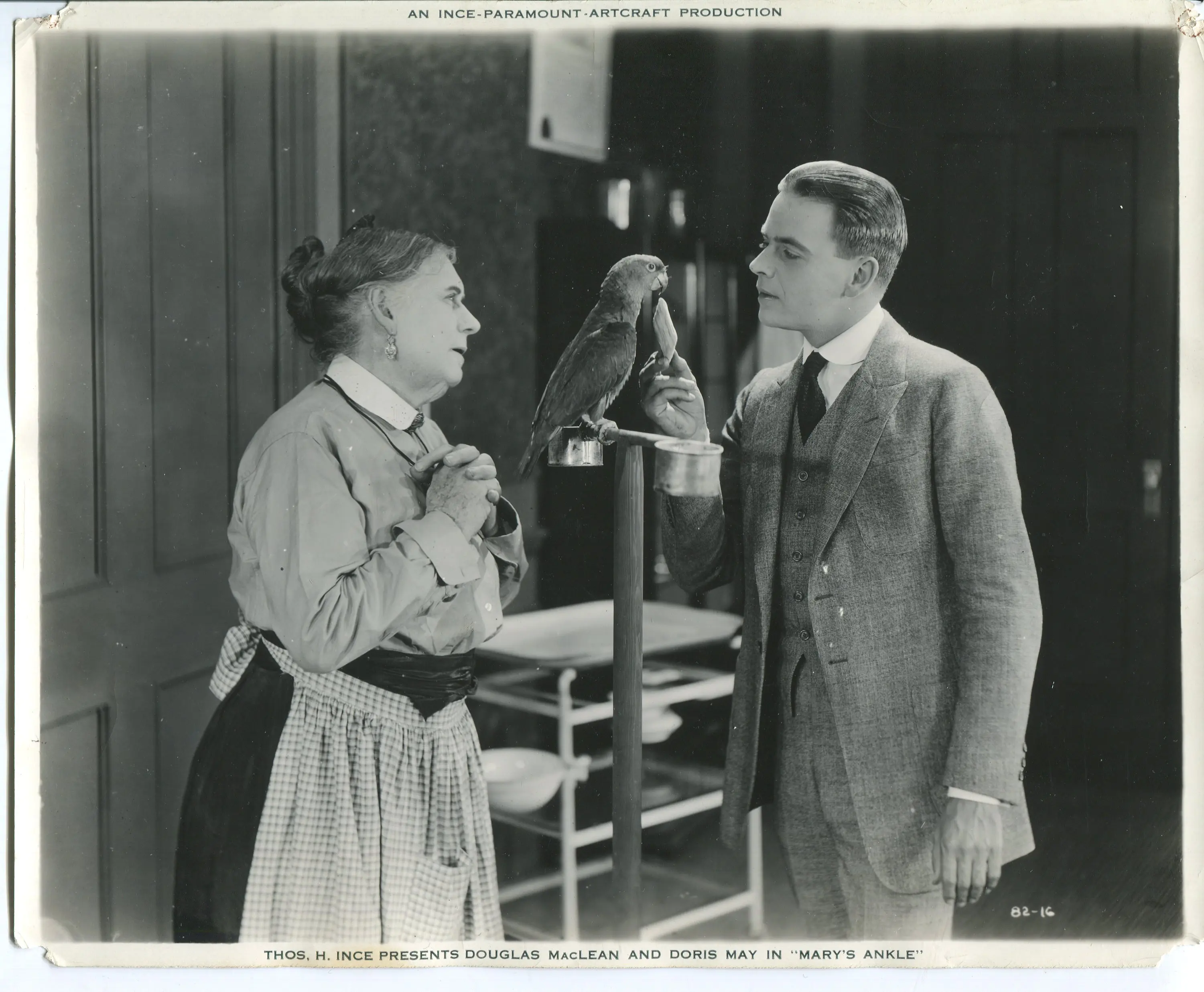
The film’s true antagonist isn’t Uncle George’s wrath but the gnawing ache of downward mobility. Arthur’s medical diploma may as well be written on a napkin; his friends hawk pyramid schemes in bowler hats, personifying the era’s get-rich-quick delirium. Their counterfeit invitations are paper alchemy, turning social embarrassment into speculative capital—an inverted Horatio Alger fable that chuckles at Dust’s agrarian stoicism.
Surviving prints lack official musical cues, yet the rhythm track is baked into the imagery: the clatter of crutches on tile, the rustle of invites like locust wings, the foghorn that punctuates the third-reel confession. Modern accompanists often score it with klezmer-inflected waltzes, underlining the film’s tonal cocktail of mischief and melancholy. Try syncing it to a contemporary chiptune playlist and watch the 1920 gags mutate into 8-bit existentialism—an accidental remix worthy of Lime Kiln Club Field Day.
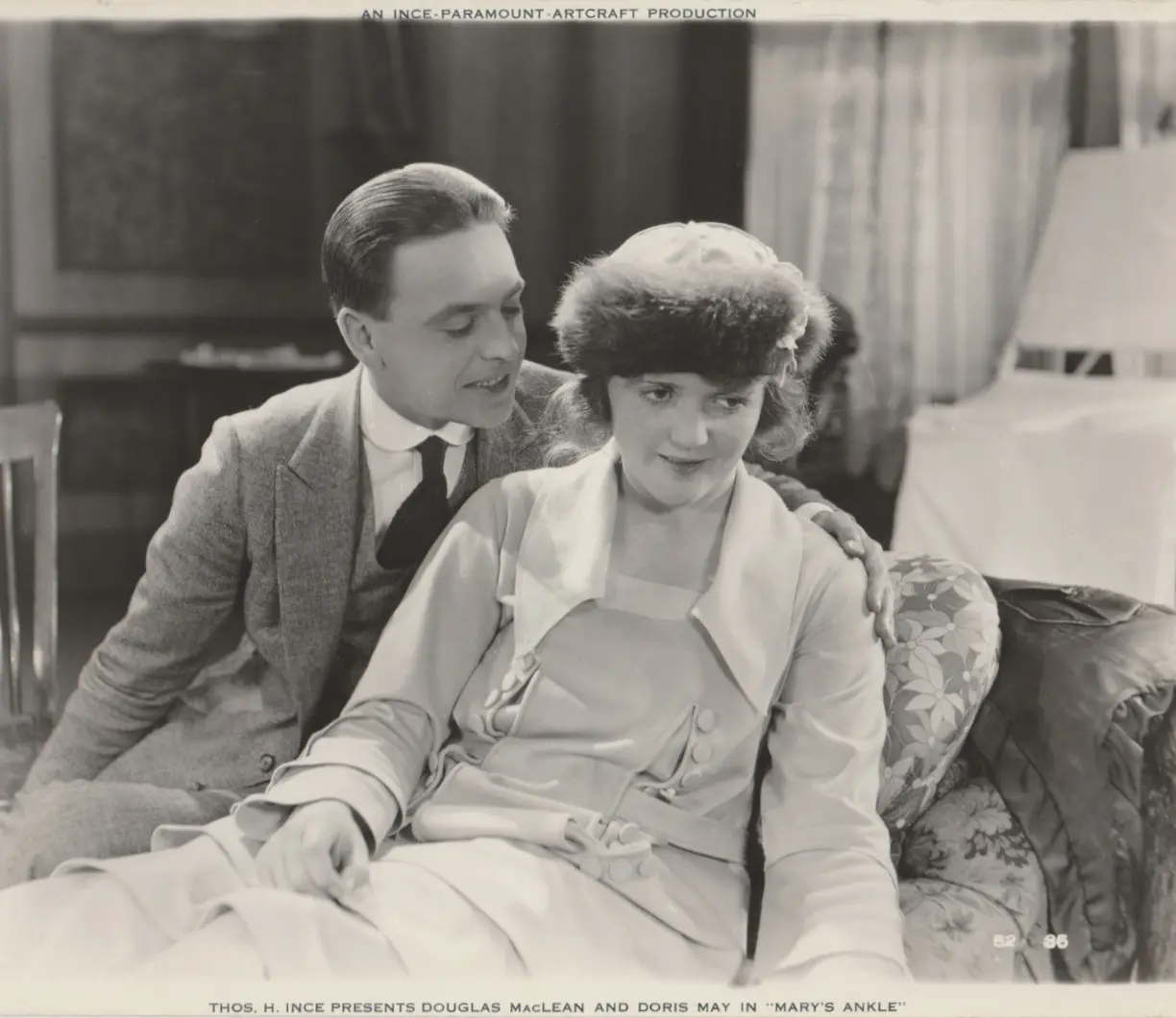
Beside Il mistero di Osiris’s mystical bravado or Le chemineau’s pastoral fatalism, this film feels featherweight—yet that buoyancy is its genius. It refuses to moralize like The Guilty Man; instead it pirouettes across class anxieties the way Chaplin’s tramp tip-toed through police lines. Its DNA resurfaces decades later in the sham-marriage tropes of 1990s rom-coms, proving that the ankle may heal but the narrative sprain is eternal.
Most extant copies originate from a 1952 nitrate burial in the Mojave: a mislabeled canister nestled beside outtakes from Caridad. The Academy’s 2018 4K scan salvaged lavender tones from the decomposition, but the emulsion still bubbles like a witch’s cauldron around the edge. Purists decry the digital scrubbing of chemical stains; I say the lesions are history’s watermark, reminding us that even escapist fluff is mortal.
Mary’s ankle may be the MacGuffin, but the film’s real wound is the paper cut inflicted on propriety. By the time the ocean liner’s whistle blows, every character has limped, lied, or leapt toward a version of honesty. The closing iris-in on the newly-weds—ankle still wrapped, vows freshly minted—feels less like resolution than a freeze-frame gamble: happiness contingent on the next swell. One hundred years on, the gag still lands because the sprain is ours: the daily twist we endure for love, solvency, or simply the promise of a cabin with a view.
Verdict: Seek it in rep houses, project it on bedsheets, pair it with bathtub gin and modern anxieties. Mary’s Ankle proves that even in a world collapsing into debt and influenza, the most perilous adventure is telling someone you need them—and hoping they don’t hobble away.
IMDb —
1936
Community
Log in to comment.