DbcultAccessing Vault...
6.5/10
Senior Film Conservator

A definitive 6.5/10 rating for a film that redefined the boundaries of cult cinema. Nocturne remains a cornerstone of transgressive art.
Is Nocturne still worth seeking out in the modern era? Short answer: yes, but only if you have the stomach for a story that finds its power in what doesn't happen rather than what does. This is a film for the patient viewer who finds beauty in the slow rot of hope; it is certainly not for anyone looking for a traditional wartime adventure or a fast-paced narrative.
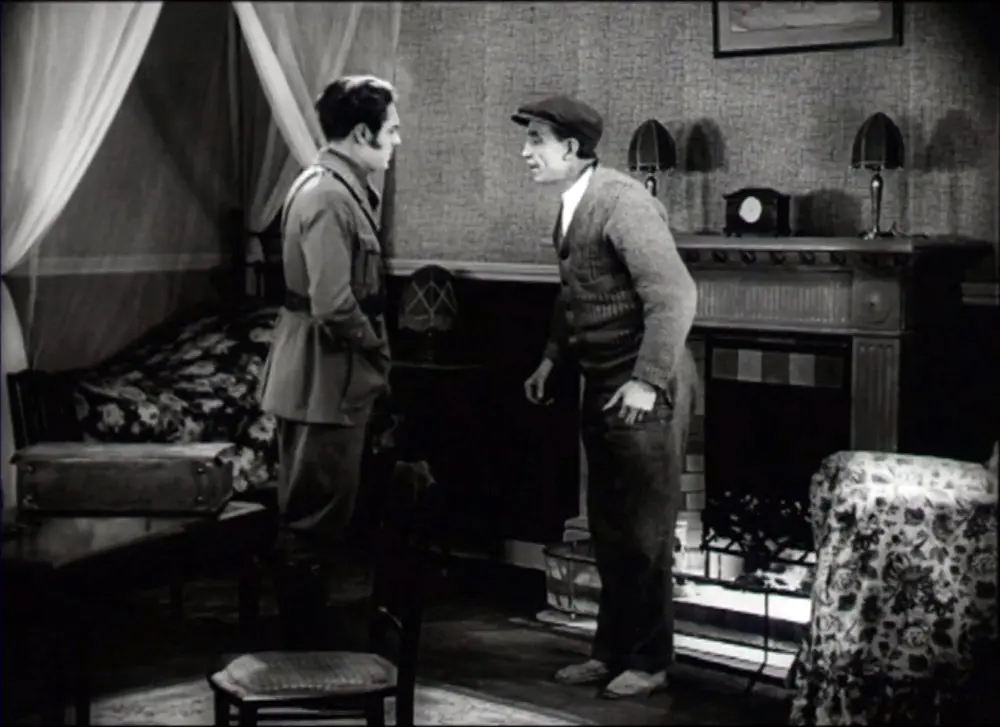
Most films about war focus on the trenches, the mud, and the thunder of artillery. Nocturne ignores the front lines to focus on the quiet, suffocating domesticity of the aftermath. It is a film about the silence that follows the scream. By placing its protagonists in adjacent hotel rooms, it creates a tension that is almost unbearable. You want to reach through the screen and knock on the wall for them. It is a simple premise executed with a surgical precision that makes modern dramas look bloated by comparison.
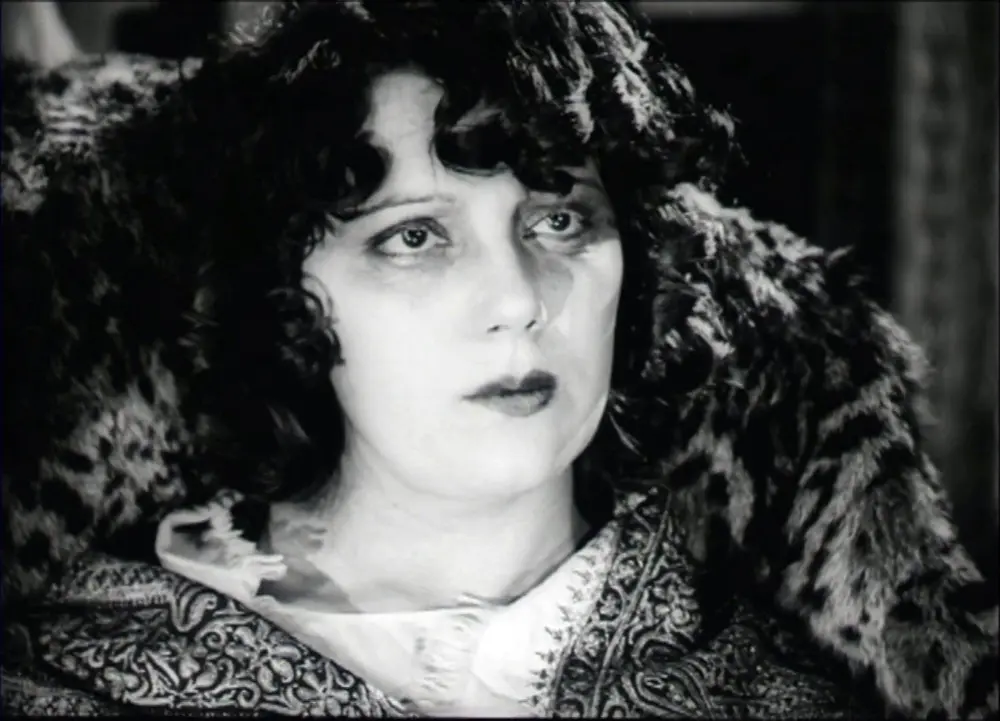
Yes, Nocturne is worth watching because it is a definitive example of how silent cinema used spatial awareness to tell stories that dialogue would only ruin. The film uses the physical layout of a hotel to create a metaphor for the human condition—so close to what we need, yet utterly unable to reach it. It is a visual poem about the tragedy of 'almost.'
1) This film works because it weaponizes the physical space of a hotel to create a claustrophobic sense of irony.
2) This film fails because the middle act leans too heavily on the 'ailing heroine' trope which can feel repetitive.
3) You should watch it if you appreciate the specific brand of 1920s European melodrama that prioritizes atmosphere over plot.
The central conceit of Nocturne is its greatest strength. While films like The Return of Peter Grimm deal with the separation between the living and the dead, Nocturne deals with a separation that is purely physical and yet just as absolute. The wall between the two rooms is the primary antagonist of the film. It is an inanimate object that carries more weight than any villainous character could.
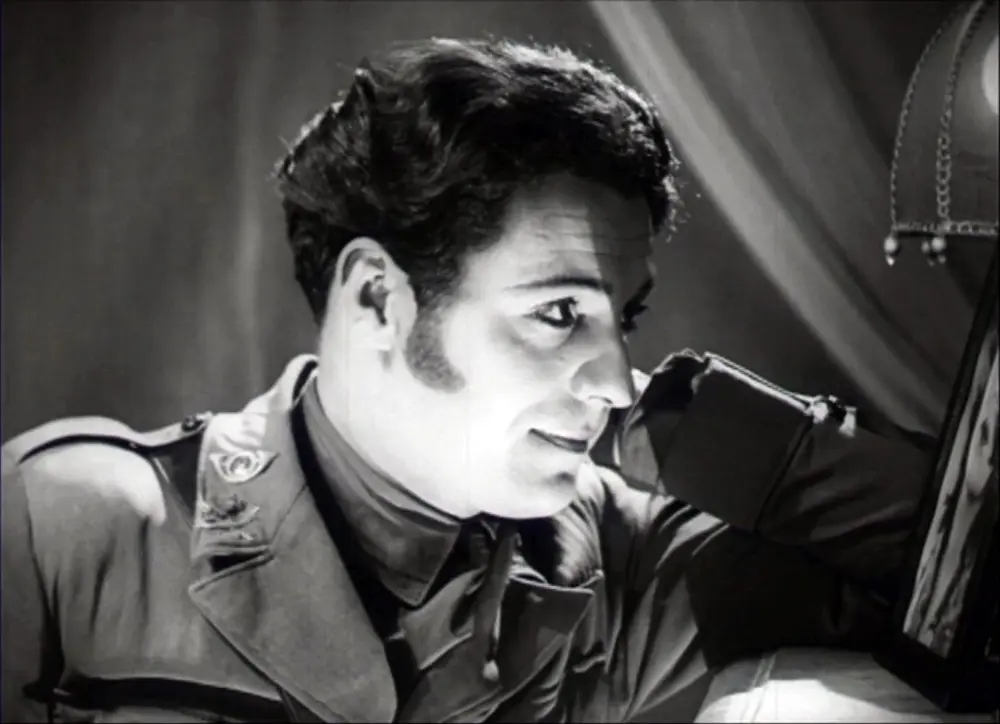
There is a specific scene where Raquel Meller’s character collapses against the wall, her hand sliding down the wallpaper in a gesture of total exhaustion. On the other side, Fred Louis Lerch’s character is shown adjusting his pillow, settling into a deep sleep. The editing here is brutal. The director cuts back and forth between her frantic, silent suffering and his oblivious peace. It’s a gut-punch. It works. But it’s flawed in its relentless pursuit of misery.
The hotel setting itself feels liminal, a place where people are always in transit but never truly arrive. It mirrors the state of the characters. Much like the characters in The Right of Way, they are searching for a sense of belonging in a world that has been shattered by conflict. The cinematography captures the dust motes dancing in the light of the hotel windows, suggesting a world that is moving on while the characters remain frozen in their private grief.
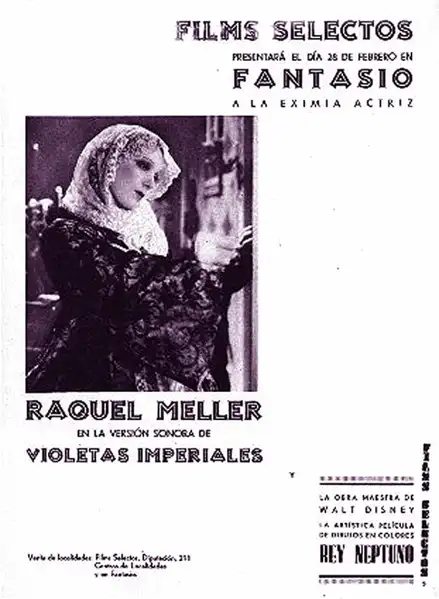
Raquel Meller was not just an actress; she was a phenomenon of the era. In Nocturne, her performance is stripped of the theatricality often associated with the 1920s. She uses her eyes to communicate a level of fatigue that feels dangerously real. When she looks at the door, she isn't just looking at wood and brass; she is looking at the possibility of a life that is rapidly slipping away. It’s a performance of micro-expressions.
Compare her performance to the more stylized acting found in A napraforgós hölgy. While that film relies on aesthetic beauty, Nocturne relies on the raw, unvarnished pain on Meller's face. She makes the illness feel like a character in itself. You can almost feel the chill in her bones. It is an uncomfortable performance to watch, which is exactly why it is so effective. She doesn't ask for your pity; she demands your witness.
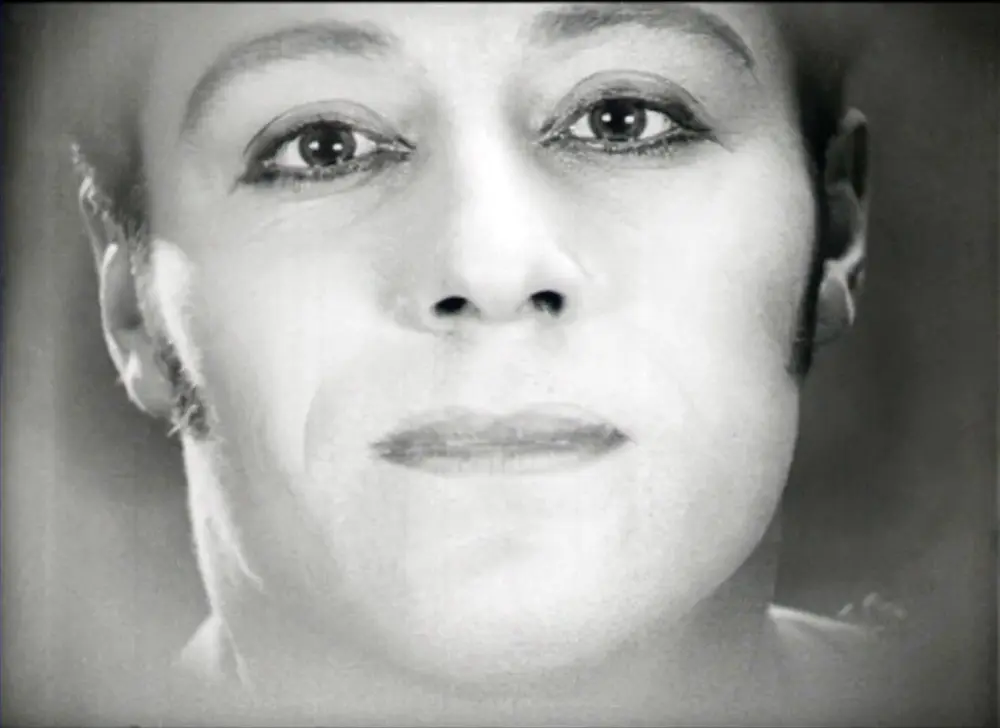
Fred Louis Lerch, playing the man, has a much harder task. He has to be the object of desire without doing much of anything. He spends a significant portion of the film sleeping or staring into space, yet he manages to convey the hollowed-out shell of a man who has seen too much of the world. His presence is a heavy one. He isn't a hero returning from war; he is a survivor who is too tired to care that he has survived.
The pacing of Nocturne is intentionally sluggish. Some critics would call this a flaw, but I argue it is a deliberate choice. The film wants you to feel the weight of every passing minute. It wants you to experience the boredom of waiting for someone who might never come. It’s a bold move that risks alienating the audience, but for those who stick with it, the payoff is a profound sense of empathy.
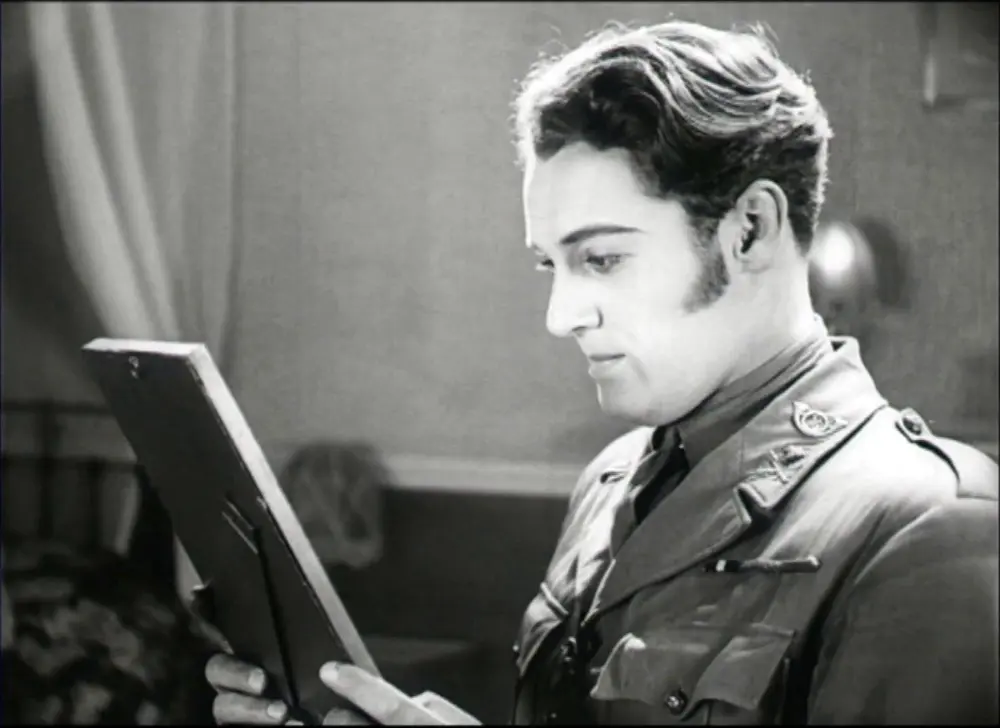
The use of shadows in the hotel corridors is reminiscent of the German Expressionist movement, though more grounded in reality. The lighting creates a sense of impending doom that hangs over every scene. Even when the sun is shining through the window, there is a coldness to the image. This isn't the grand scale of The Napoleonic Epics; it is a miniature tragedy, a storm in a teacup that feels like the end of the world to the people involved.
The director also makes excellent use of sound—or rather, the lack of it. In a silent film, the 'sounds' are suggested through visual cues. When the man drops a boot on the floor in the next room, we see the woman flinch. She hears it, but she doesn't recognize it. She thinks it's just the house settling, or a stranger. This use of diegetic sound-visuals is a masterclass in silent storytelling. It creates a bridge between the two rooms that the characters themselves cannot cross.
The cinematography is exceptional, using the constraints of the hotel room to create a sense of vast, empty space. Raquel Meller gives a career-defining performance that transcends the limitations of the silent medium. The film’s ending is one of the most hauntingly ironic conclusions in silent cinema history.
The secondary characters are largely forgettable and serve only as plot devices to keep the two leads apart. At times, the film’s commitment to its somber tone can feel oppressive, leaving the viewer with little room to breathe. The pacing will be a significant barrier for modern audiences accustomed to faster editing.
When we look at other films of the period, such as The Place Beyond the Winds, we see a recurring theme of isolation. However, while other films often find a way to bridge the gap through nature or divine intervention, Nocturne remains stubbornly grounded in the physical world. There is no miracle coming. There is no last-minute realization.
This groundedness is what makes Nocturne feel modern. It doesn't rely on the supernatural elements found in some silent dramas. It relies on the simple, terrifying fact that you can be right next to the person you love and still be completely alone. It’s a cynical view, perhaps, but it feels more honest than the melodramatic reunions that characterized much of 1920s cinema. It is a film that respects the tragedy of its premise enough to follow it to the logical, bitter end.
Nocturne is a difficult, beautiful, and ultimately rewarding piece of cinema. It is a film that understands the power of the frame and the silence between heartbeats. While it may test the patience of those used to modern storytelling, its emotional core is timeless. It is a reminder that the greatest tragedies aren't always found on the battlefield; sometimes, they are happening right next door, behind a thin lath-and-plaster wall that no one thinks to knock on. It is a masterpiece of the 'almost,' and it deserves to be remembered as one of the most poignant films of its decade.

IMDb 7
1927
Community
Log in to comment.