DbcultAccessing Vault...
6.2/10
Senior Film Conservator
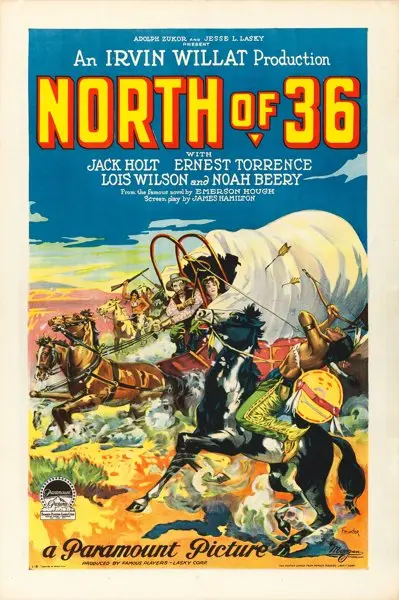
A definitive 6.2/10 rating for a film that redefined the boundaries of cult cinema. North of 36 remains a cornerstone of transgressive art.
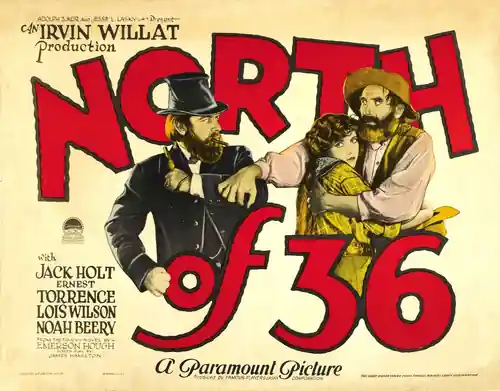
The year 1924 marked a pivotal juncture in the evolution of the American Western, a period where the genre began to shed its nickelodeon origins in favor of a more robust, panoramic grandiosity. North of 36, directed by Irvin Willat and adapted from Emerson Hough’s prose, emerges as a seminal work that captures the rugged intersection of pastoral ambition and industrial necessity. Unlike the more localized conflicts seen in contemporary works like The Trigger Trail, this film operates on a canvas that feels genuinely continental, mapping the psychic and physical distance between the scorched plains of Texas and the burgeoning economic hubs of Kansas.
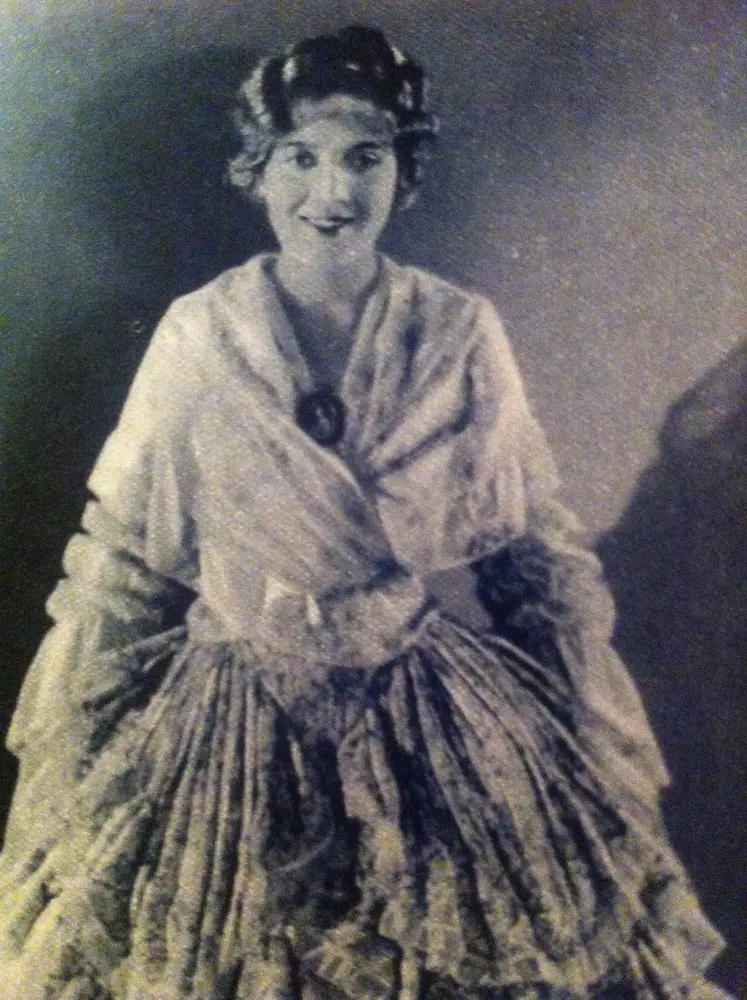
Lois Wilson’s portrayal of Taisie Lockhart is a revelation of silent-era nuance. In an era where female protagonists were frequently relegated to the roles of the damsel or the domestic stabilizer—not unlike the softer characterizations found in A Yankee Princess—Wilson imbues Taisie with a steely, pragmatic resolve. She is the literal and figurative engine of the narrative. Her inheritance is not a gift but a gauntlet. The film meticulously details her transition from a grieving daughter to a formidable trail boss, a transformation that mirrors the ruggedization of the American spirit itself. Her presence on the trail is not a novelty; it is a necessity, challenging the patriarchal assumptions of her ranch hands while maintaining a vulnerability that prevents the character from becoming a mere caricature of strength.
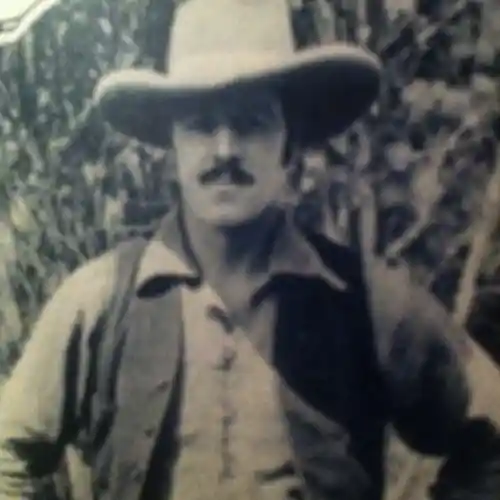
Her interactions with Jack Holt’s Don McMasters provide the film with its romantic core, yet this romance is always secondary to the survival of the herd. Holt, a staple of the genre, brings a stoic masculinity that complements Wilson’s vibrancy. Their chemistry is built on mutual respect for the land and the mission, a dynamic that feels far more modern than the melodramatic entanglements often seen in Shattered. The film understands that on the Chisholm Trail, love is a luxury that must be earned through shared hardship and the constant threat of annihilation.
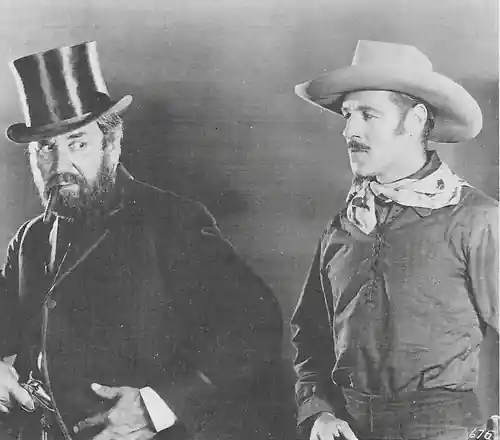
If Taisie represents the upward aspiration of the frontier, Noah Beery’s Clinton Worth represents the rot at its foundation. As the State Treasurer, Worth is a villain of political convenience and systemic malice. He does not wear a black mask or rob trains; he uses the machinery of the state to disenfranchise the vulnerable. Beery’s performance is a masterclass in controlled avarice. He operates with a cold, calculating efficiency that makes his eventual descent into more overt violence all the more terrifying. This isn't the chaotic evil of a bandit, but the structured, legalistic evil of a man who believes himself entitled to the spoils of others' labor.
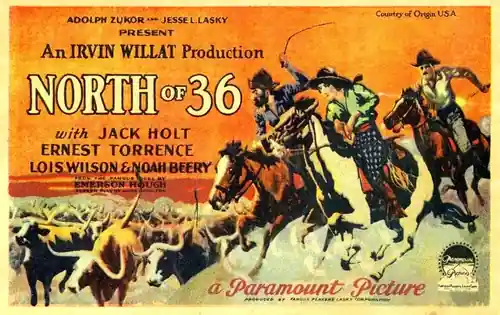
The conflict between the rancher and the politician provides a sophisticated layer of social commentary. While films like The Fakers deal with individual deception, North of 36 examines how power can be wielded to stifle progress. Worth’s attempts to sabotage the drive—ranging from legal injunctions to inciting violence—highlight the precarious nature of the early American economy. The cattle are not just livestock; they are the literal currency of a rebuilding nation, and Worth’s attempt to steal them is portrayed as a high-stakes crime against the future itself.
Visually, the film is a triumph of location shooting and logistical coordination. The sheer scale of the cattle drive is captured with a documentary-like reverence that predates the polished artifice of the sound era. Thousands of cattle surge across the frame, creating a sense of kinetic energy that is almost overwhelming. The cinematography captures the dust, the heat, and the unrelenting monotony of the trail with a fidelity that makes the viewer feel the grit in their teeth. This is not the stylized wilderness of Dangerous Paths; this is a landscape that demands total submission.
"The camera lingers on the horizon, not as a promise of beauty, but as a measurement of the Herculean task ahead. Every mile gained is a victory over the entropy of the wild."
The river crossing sequence remains one of the most harrowing and technically impressive feats in silent cinema. The logistical nightmare of herding cattle through deep, churning water is presented without the safety net of modern special effects. The danger to the actors and the animals is palpable, lending the scene a visceral urgency that CGI can never replicate. It is in these moments that North of 36 transcends its narrative beats and becomes an immersive experience of historical recreation. The editing during the stampede sequences is particularly noteworthy, utilizing rapid cuts to simulate the chaos and terror of the thundering hooves, a technique that was quite advanced for its time and reminiscent of the rhythmic intensity found in 'Nfama!.
The film is bolstered by a rich tapestry of supporting performances that provide the necessary cultural and emotional context. Ernest Torrence, as Old Jim Nabours, offers a bridge between the old world of the mountain man and the new world of the commercial rancher. His performance is seasoned with a weary wisdom and a dry wit that provides much-needed levity amidst the mounting tension. Torrence’s ability to ground the epic scale in human terms is vital, preventing the film from becoming a mere series of spectacles. He serves as a moral compass, a character whose loyalty to Taisie is rooted in a deep-seated code of honor that Clinton Worth cannot comprehend.
Furthermore, the inclusion of actors like David Dunbar and George Irving adds layers of authenticity to the camp life scenes. We see the mundane rituals of the trail—the cooking, the mending of gear, the quiet moments of reflection under the stars. These scenes provide a counterpoint to the high drama of the sabotage plots, establishing a rhythm of life that feels lived-in and genuine. This attention to detail is what separates a great Western from a mediocre one; it’s the difference between a set and a world. When compared to the more theatrical staging of Two Kinds of Love, North of 36 feels significantly more grounded in the physical realities of its setting.
At its core, the film is a meditation on the concept of sovereignty—both personal and territorial. Taisie is fighting for the right to own her land and her future, while the state, personified by Worth, seeks to subsume that sovereignty into its own corrupt maw. This tension reflects the broader historical anxieties of the 1860s and 70s, as the American West was being forcibly integrated into the national economic framework. The cattle drive is a metaphor for this integration; it is the process of turning a wild resource into a standardized commodity, and the film captures the inherent violence of that transition.
There is also a subtle exploration of the trauma left by the Civil War. The characters are survivors of a fractured nation, looking for a way to rebuild their lives in a world that has been irrevocably changed. The drive to Abilene represents a path toward healing, a way to reconnect the severed arteries of American commerce. However, the film does not shy away from the fact that this healing is built on the backs of those who are willing to endure the most. The cost of progress is measured in the lives of the men and horses lost along the way, a theme that resonates with the melancholic undertones of Drifting.
Irvin Willat’s direction is characterized by a remarkable sense of spatial awareness. He understands how to position the camera to emphasize the isolation of the characters within the vastness of the landscape. Long shots are used to establish the scale, while tight close-ups are reserved for moments of intense emotional clarity. This visual language is consistent and purposeful, guiding the viewer through the complex logistics of the cattle drive without losing sight of the human stakes. The use of natural light is also commendable, with many scenes utilizing the golden hour to create a sense of mythic beauty that contrasts sharply with the harshness of the plot.
The screenplay by James Shelley Hamilton and Emerson Hough is lean and efficient, stripping away unnecessary subplots to focus on the central conflict. While some of the intertitles may feel a bit florid to modern ears, they serve to heighten the epic tone of the film. The pacing is deliberate, allowing the tension to simmer as the drive progresses, much like the slow-burn suspense found in Maulwürfe. By the time the final confrontation with Worth occurs, the audience is fully invested in the outcome, not just because of the physical danger, but because of the symbolic weight of the struggle.
North of 36 stands as a testament to the power of silent cinema to tell stories of immense scale and profound human emotion. It is a film that demands to be seen on a large screen, where its panoramic vistas and thundering stampedes can be fully appreciated. It avoids the easy clichés of the genre, opting instead for a gritty, realistic portrayal of the frontier that remains compelling a century later. While it lacks the sound and fury of later Westerns, it possesses a quiet dignity and a visual splendor that few films can match.
In the broader context of 1920s cinema, it serves as a crucial link between the foundational works of Griffith and the later masterpieces of Ford. It is a film about the birth of an era, and in its own way, it helped birth the modern Western. Whether viewed as a historical document, a technical achievement, or a gripping drama, North of 36 remains an essential piece of cinematic history. It reminds us that the American West was not won by solitary gunmen in dusty streets, but by the collective will of those brave enough to drive their dreams across a thousand miles of unknown territory, defying both the elements and the corrupt men who sought to stop them.
IMDb 5.8
1935
Community
Log in to comment.