DbcultAccessing Vault...
Cult Review
Senior Film Conservator
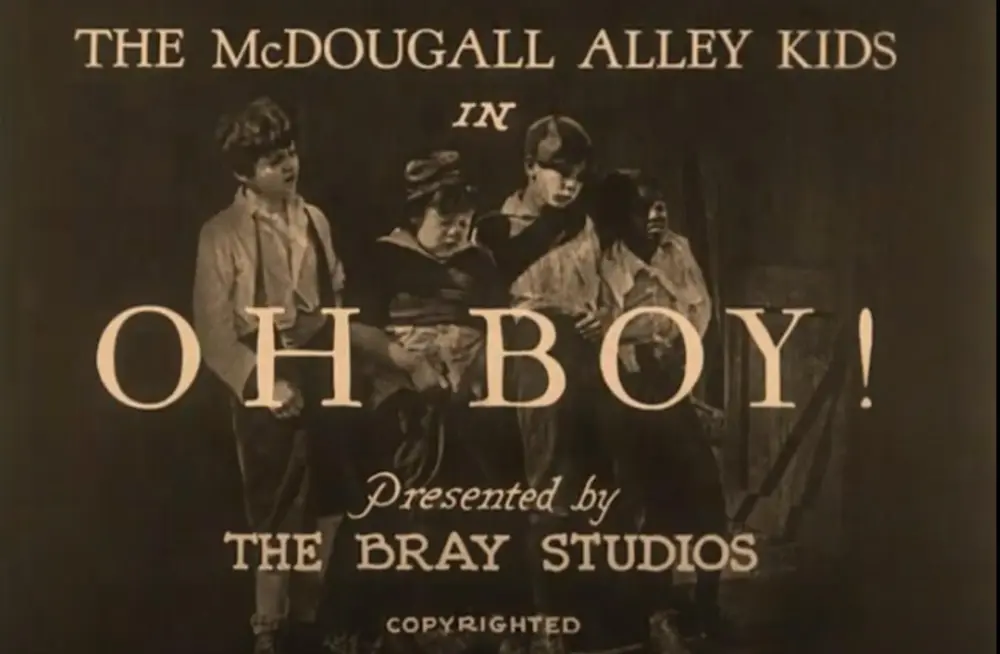
Short answer: No, unless you are a dedicated historian of silent-era comedy or a completist of early child-star cinema. While it possesses a certain raw energy, it lacks the narrative cohesion and technical polish found in contemporary classics like The Gay Deceiver.
This film is specifically for those who want to see the 'Poverty Row' equivalent of the Little Rascals. It is definitely not for viewers who require a structured plot or those who are sensitive to the unrefined social portrayals common in 1920s low-budget shorts.
1) This film works because of the sheer physical talent of the Berry brothers, whose natural rhythm and screen presence provide a spark that the script fails to ignite.
2) This film fails because its direction is largely stagnant, relying on wide, flat shots that do little to enhance the comedic timing of the young performers.
3) You should watch it if you have already exhausted the Our Gang filmography and want to see how independent producers attempted to replicate the 'childhood anarchy' formula.
The 1920s were a gold rush for child-centered comedies. Following the success of Hal Roach’s Our Gang, several imitators sprang up, and the McDougall Kids were among the most persistent. In Oh Boy (1927), we see the formula in its most basic form. There is no grand quest, no moral lesson, and very little character development. Instead, we get a series of vignettes where kids interact with the adult world in ways that are meant to be endearing but often come across as merely loud.
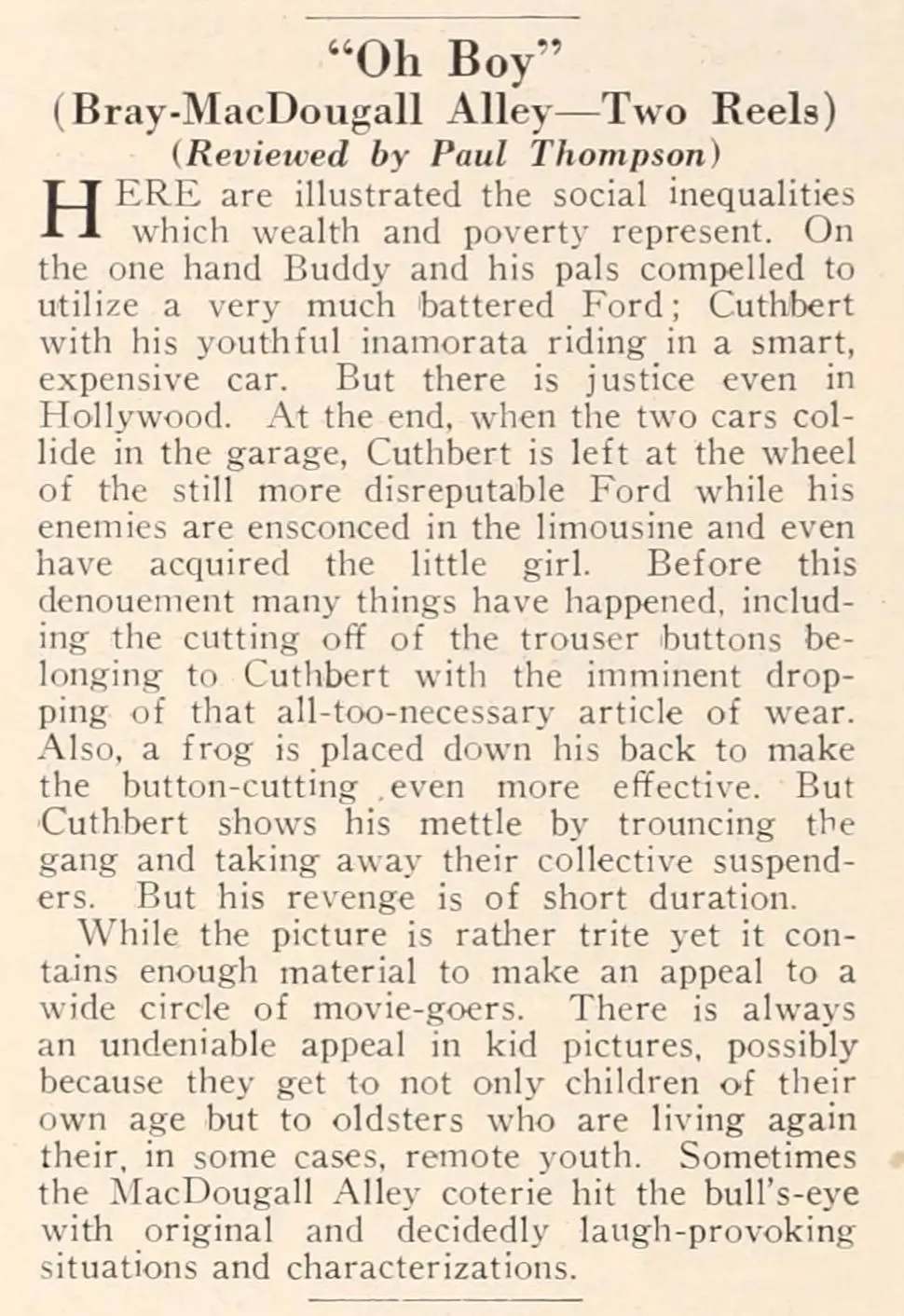
Take, for example, the opening sequence where the kids are gathered around a makeshift clubhouse. The camera sits back, capturing the scene like a stage play. There is a lack of the intimate close-ups that made stars out of the Our Gang cast. Here, the children are treated as a collective unit of chaos rather than individual characters. It’s a stark contrast to the character-driven work seen in Nurse Marjorie, where the focus is firmly on the emotional beats of the protagonist.
The pacing is frantic. It feels like director Harry Edwards (if we assume the standard directors of these shorts) was trying to cram as many falls, spills, and collisions into the runtime as possible. It’s exhausting. But it’s also a fascinating look at what passed for 'entertainment for all ages' in 1927. It’s messy. It’s loud. It’s unfiltered.
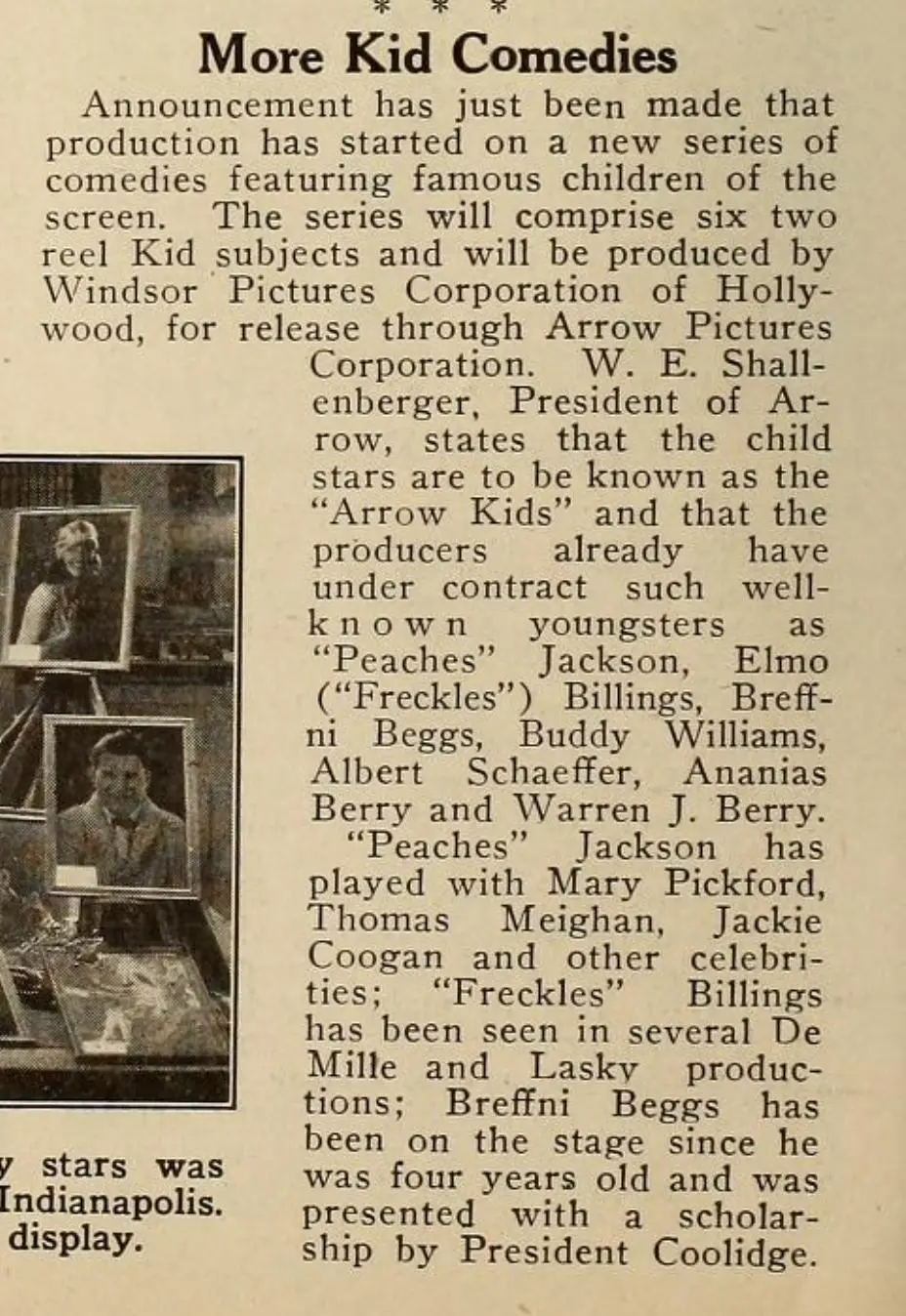
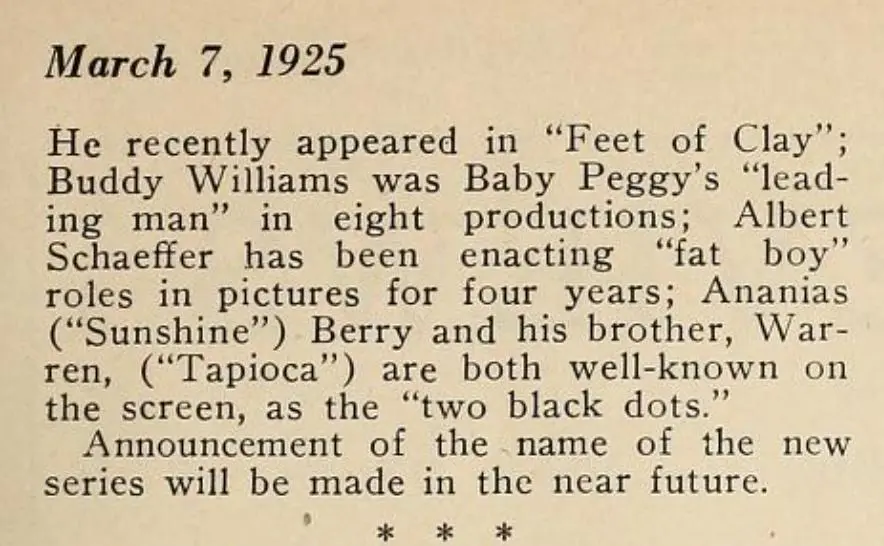
If there is one reason to sit through Oh Boy, it is the appearance of the Berry brothers. Ananias and Warren Berry would go on to become legendary tap dancers, but here they are just children in the mix. Yet, even at this young age, their timing is impeccable. In one specific scene where the group is attempting to navigate a crowded sidewalk, the Berry brothers move with a grace that the other child actors simply don't possess.
Their presence also highlights the complex racial dynamics of 1920s cinema. While the short includes them in the group, the humor often leans on stereotypes that haven't aged well. It’s a difficult watch in parts, much like the social commentary found in Hypocrites, though Oh Boy lacks that film’s intellectual ambition. It’s a raw, sometimes uncomfortable time capsule.
The McDougall Kids series never reached the heights of its competitors because it lacked the 'heart' that Roach brought to his productions. In Oh Boy, the children feel like props in a gag machine. They are pushed and pulled by the requirements of the slapstick rather than their own internal logic.
Technically, Oh Boy is a product of its budget. The cinematography is functional but uninspired. Most of the action takes place in wide shots with very little camera movement. This was common for low-budget shorts of the era, but compared to the sweeping visuals of Christus or the experimental flair of Lunnaya krasavitsa, it feels ancient.
The editing is equally basic. Cuts are made primarily to facilitate a physical gag rather than to build tension or rhythm. When a character falls into a bucket of water, the cut to the reaction shot is a beat too late. This lack of precision is what separates the masters of silent comedy from the journeymen. It’s not that the film is incompetent; it’s just that it’s unrefined.
However, there is a certain charm to the location shooting. The dusty streets and the authentic 1920s storefronts provide a better sense of time and place than any high-budget period piece could replicate today. You can almost smell the exhaust from the Model Ts. It’s a level of accidental realism that adds value to the viewing experience.
The question of 'worth' depends entirely on your tolerance for silent slapstick. If you find the sight of a child accidentally triggering a flour explosion hilarious, then Oh Boy will satisfy you. If you are looking for the sophisticated comedy of manners found in Madame Doesn't Want Children, you will be sorely disappointed.
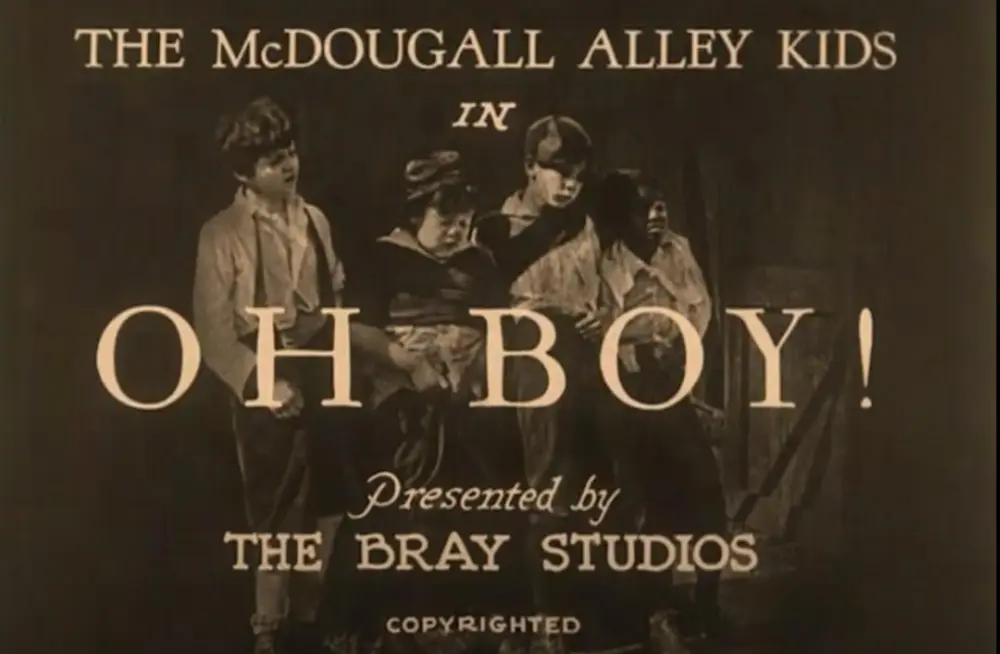
I would argue that the film is worth watching once for the sake of historical perspective. It represents the 'middle class' of silent cinema—the films that weren't masterpieces but kept the projectors running in neighborhood theaters across the country. It’s a blue-collar movie. It’s not trying to be art. It’s trying to get a laugh and get out.
But let’s be honest: it’s not a lost gem. It’s a relic. It’s the kind of film you watch with a notebook in hand, not a bowl of popcorn. The humor is too repetitive, and the characters are too thin to sustain interest for more than a single viewing.
Pros:
Cons:
Oh Boy (1927) is a frantic, messy, and occasionally charming footnote in the history of silent comedy. It lacks the polish of Im weißen Rößl and the dramatic weight of In the Balance, but it occupies a unique space in the juvenile comedy genre. It’s a film that works in spite of itself, driven by the sheer willpower of its young cast.
If you go in expecting a masterpiece, you’ll be bored. If you go in expecting a chaotic, unpolished window into 1927, you might find something to appreciate. It’s a minor work, but every minor work tells us something about the era that produced it. It’s flawed. It’s dated. But it’s real.
"A chaotic relic that proves not every silent comedy was a work of genius, but every one of them captured a world that is now long gone."
In the end, Oh Boy is a reminder that the silent era was built on the backs of these small, independent shorts. They were the training grounds for actors and the testing grounds for gags. While it may not stand the test of time as a piece of narrative art, it stands as a testament to the sheer volume of creativity—no matter how unrefined—that defined the 1920s.
IMDb 5.5
1920
Community
Log in to comment.