DbcultAccessing Vault...
Cult Review
Senior Film Conservator
Is Painting the Town worth your time in the modern era? Short answer: yes, but primarily for those who appreciate the kinetic, unrefined energy of late-period silent comedy rather than those seeking a deep narrative experience.
This film is tailor-made for enthusiasts of early 20th-century Americana and technical historians of the silent screen, but it is definitely not for viewers who find the exaggerated pantomime of the 1920s to be grating or repetitive. It captures a very specific moment in time—the peak of the 'Jazz Age' just before the 'Talkies' changed everything—and it wears its frantic heart on its sleeve.
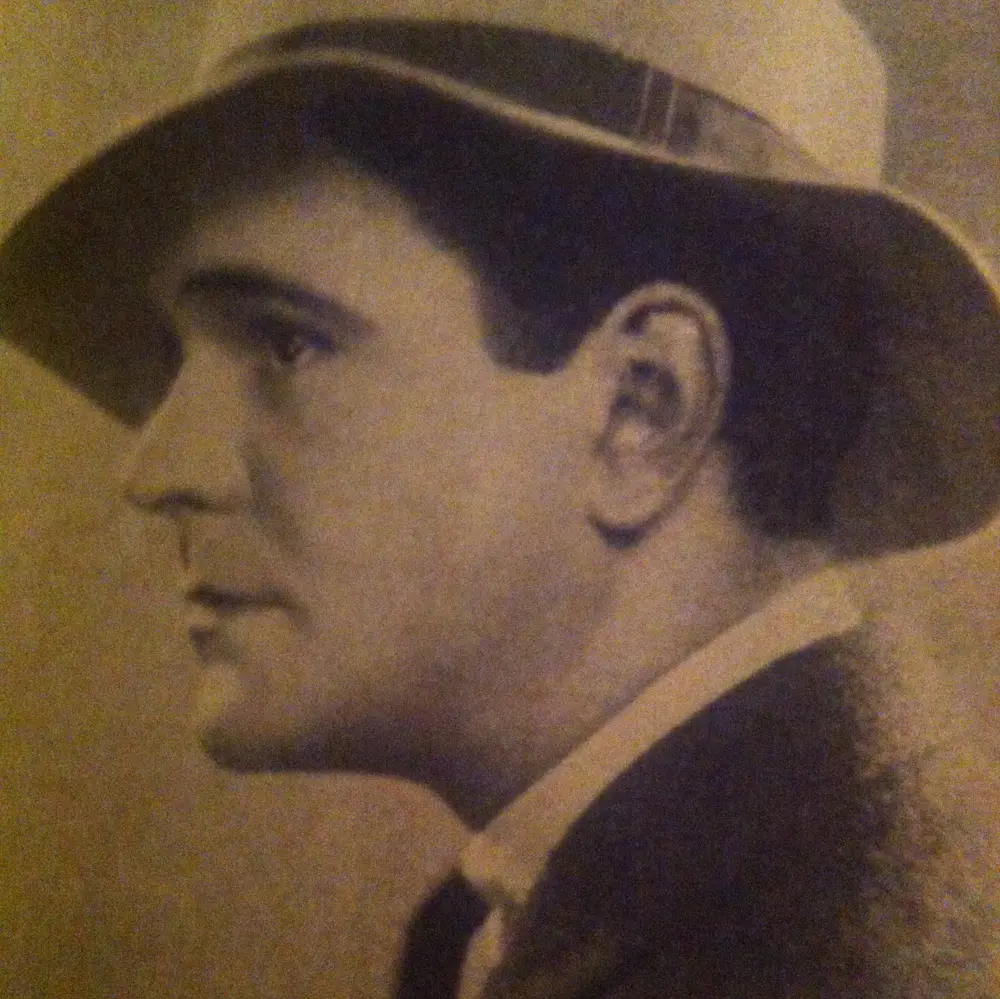
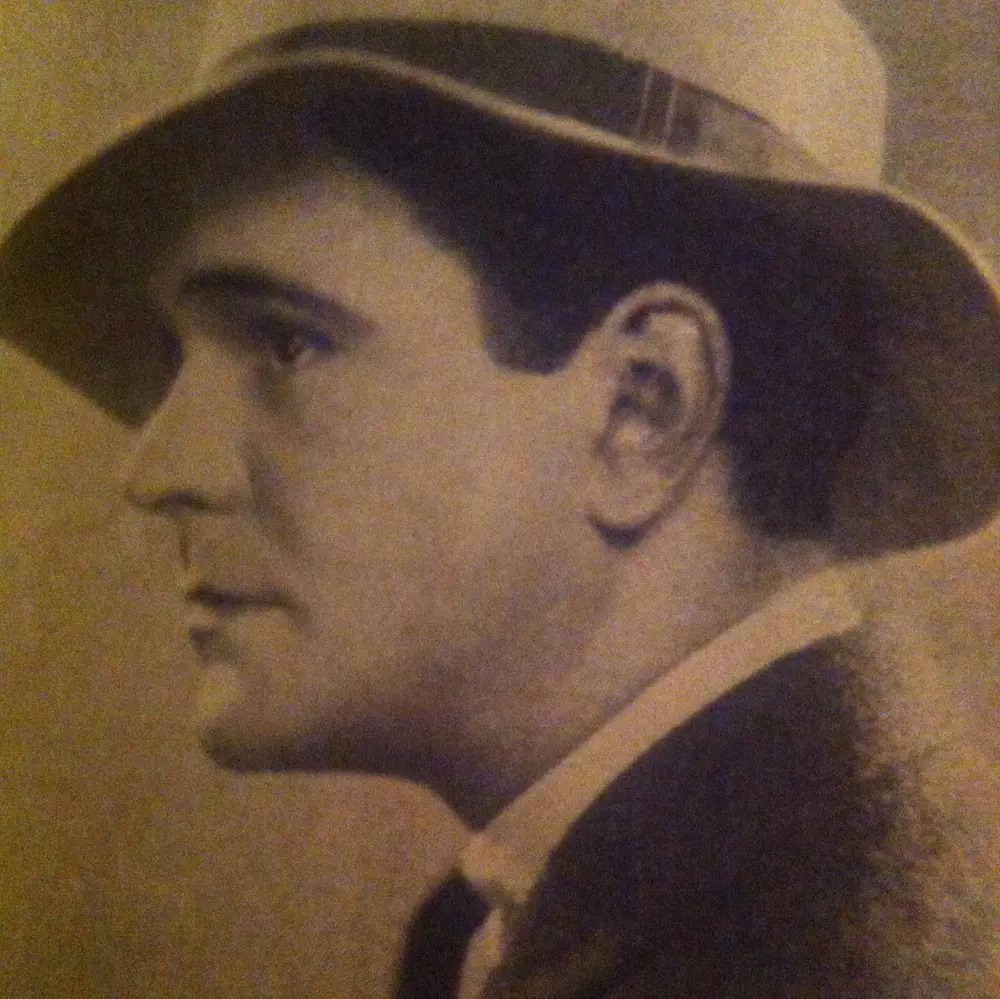
1) This film works because it leverages the genuine athletic charisma of Glenn Tryon, who manages to make a fairly standard 'rube in the city' trope feel physically engaging through high-speed stunts and earnest facial expressions.
2) This film fails because its second act relies too heavily on repetitive social misunderstandings that feel recycled from better-known works of the era, slowing down the momentum established by its automotive premise.
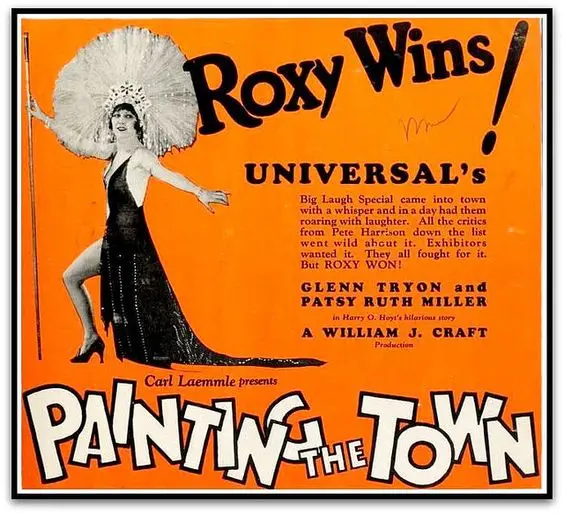
3) You should watch it if you enjoy the 'inventor' subgenre of comedy or want to see a rare example of Patsy Ruth Miller playing a character with more agency than the typical silent-era damsel.
For the casual viewer, Painting the Town offers a breezy 60-minute distraction that highlights the era's obsession with speed and machinery. It is worth watching for its historical value and its surprisingly modern-feeling car chase sequences. If you are looking for a profound emotional journey, look elsewhere; if you want to see the 1920s version of a summer blockbuster, this is it.
Painting the Town is a film obsessed with the concept of 'more.' More speed, more city, more noise—even if that noise is silent. Glenn Tryon’s character, Hector, is the personification of the American Dream in its most mechanical form. He doesn't just want to succeed; he wants to accelerate. In one specific scene, where Hector first reveals his 'super-speed' car to a group of skeptical investors, the cinematography shifts to a frantic, almost blurred style that was revolutionary for 1927. It captures the terrifying thrill of early automotive culture better than many of its contemporaries like Smiling Jim, which felt more tethered to the slow-paced Western tradition.
The direction by William James Craft is surprisingly disciplined for a comedy of this ilk. He understands that the joke isn't just in the failure of the machine, but in the contrast between the machine's power and Hector's vulnerability. When the car inevitably goes haywire in the middle of a busy New York intersection, the framing remains tight on Tryon’s face. We see the panic of a man who realized he built a god he cannot control. It works. But it’s flawed in its pacing.
Glenn Tryon was often positioned as Universal's answer to Harold Lloyd. While he lacks Lloyd’s perfect sense of timing, he compensates with a raw, almost desperate energy. In Painting the Town, his physicality is the glue holding the thin plot together. Unlike the more somber performances found in dramas like Anita, Tryon is a whirlwind of motion. He uses his entire body to convey the disorientation of a small-town boy in the Big Apple.
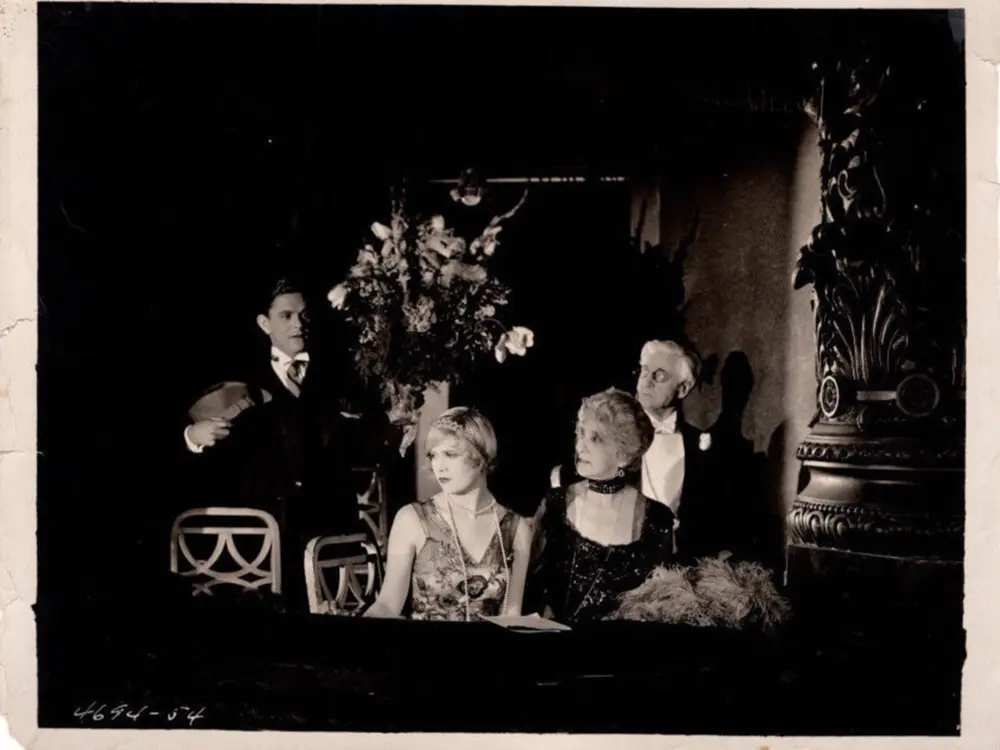
Patsy Ruth Miller provides a necessary counter-balance. She isn't just a romantic interest; she is the 'city' personified—fast, smart, and slightly dangerous. Their chemistry is most evident in the scene where she helps Hector navigate a high-society dinner. Her subtle cues and his clumsy attempts to mimic her sophisticated manners provide a much-needed break from the mechanical slapstick. It reminds the audience that while the car is the hook, the people are the reason we stay. It is a far more successful pairing than what we see in the somewhat disjointed The Marriage Lie.
The way New York is depicted in this film is fascinatingly aggressive. This isn't the magical, Technicolor New York of The Wizard of Oz; it is a monochrome beast of steel and shadow. The use of real location shooting (or very convincing sets) adds a layer of grit that contrasts sharply with the comedic tone. The camera often looks up at the skyscrapers from Hector’s perspective, making him look small and insignificant. This visual storytelling is much more effective than the literal dialogue cards.
However, the film occasionally falls into the trap of over-explaining its visual gags. A scene involving a malfunctioning elevator goes on for three minutes too long, losing the 'Rule of Three' and entering the realm of 'The Rule of Exhaustion.' It lacks the tight editing found in What Happened to Father, which managed its family-based comedy with much sharper precision.
One unconventional observation about Painting the Town is its subtle critique of masculinity. Hector is an inventor, a 'maker,' but the city only values him if he can perform as a 'seller.' The film suggests that the true 'painting of the town' isn't about fun—it's about the performance of wealth and confidence. There is a brutal simplicity to the way the film treats Hector's failures; the world doesn't care that he is a genius if he can't pay for his hotel room. This cynical undercurrent makes the film feel more grounded than other lighthearted romps like The Gay Retreat.
The pacing of Painting the Town is its greatest enemy. The first twenty minutes are a masterclass in setup, establishing Hector’s motivation and his invention with lightning speed. But once he arrives in New York, the film settles into a series of vignettes that feel disconnected. It’s as if the writers, including Albert DeMond and Harry O. Hoyt, had a list of 'city gags' they wanted to check off regardless of whether they served the plot.
Compare this to Whispering Smith, which, despite being a different genre, maintains a much tighter narrative thread. In Painting the Town, the car—the very thing that brought us here—vanishes for long stretches of the middle act. When it finally reappears for the climax, the audience has almost forgotten its importance. The film needed one more pass at the script to integrate the romance and the technology more seamlessly.
Painting the Town is a fascinating, if slightly uneven, relic of the late silent era. It lacks the thematic depth of La luz, tríptico de la vida moderna or the whimsical perfection of the greats, but it offers a raw look at the 1920s' obsession with progress. It works as a showcase for Glenn Tryon's athletic comedy, even if the script occasionally stalls. It’s flawed. It’s loud in its silence. But it’s worth a look for anyone who wants to see the early cinematic seeds of the modern action-comedy. It’s a 7/10 that feels like an 8/10 during the chases and a 5/10 during the dinner parties.
IMDb 5.9
1926
Community
Log in to comment.