DbcultAccessing Vault...
Cult Review
Senior Film Conservator
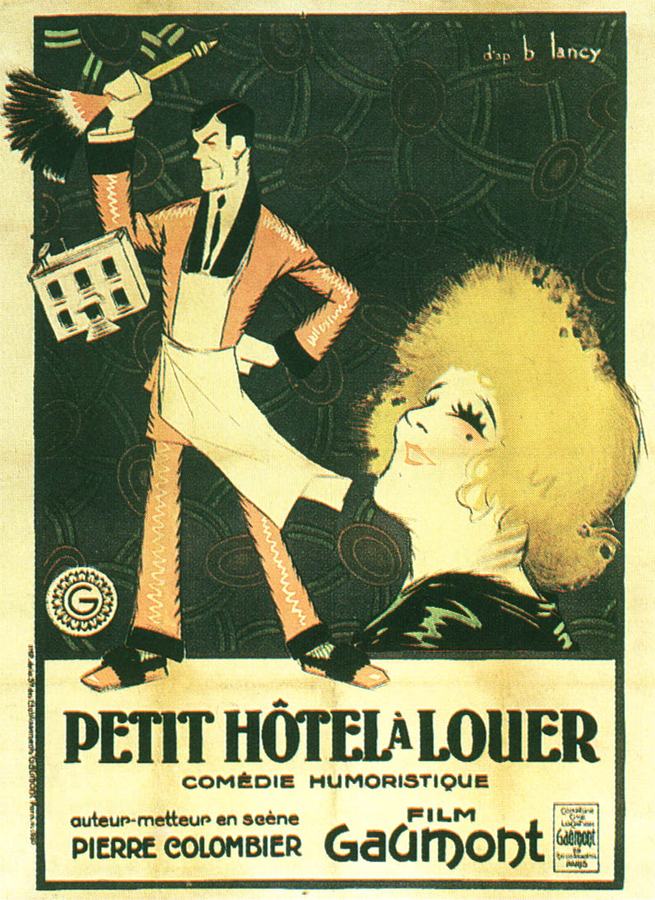
The film 'Petit hôtel à louer' is a masterful exploration of the human condition, delving into the complexities of relationships, desires, and the search for meaning. With a talented cast, including Gaston Modot and Georges Deneubourg, the film brings to life a rich and nuanced world, full of intricate characters and storylines. As the narrative unfolds, the audience is drawn into the intimate lives of the hotel's inhabitants, where the boundaries between reality and fiction begin to blur.
One of the most striking aspects of 'Petit hôtel à louer' is its use of dark orange hues to evoke a sense of warmth and comfort, which serves as a stark contrast to the sea blue tones that dominate the film's more melancholic moments. This deliberate use of color palette creates a visually stunning experience, drawing the viewer into the world of the petit hôtel. Furthermore, the incorporation of yellow accents adds a touch of optimism and hope, underscoring the film's themes of resilience and human connection.
In comparison to other films of the era, such as Widow by Proxy and The Primal Lure, 'Petit hôtel à louer' stands out for its unique blend of drama and comedy. While films like Beating Back and The Midlanders rely on more straightforward narratives, 'Petit hôtel à louer' thrives on its complexity, inviting viewers to piece together the puzzle of the characters' lives. This complexity is reminiscent of films like Public Opinion and Scenens Børn, which also explore the intricacies of human relationships.
The film's writer, Pierre Colombier, demonstrates a deep understanding of the human experience, crafting a narrative that is both deeply personal and universally relatable. As the story unfolds, the characters' deepest desires and fears are revealed, creating a sense of intimacy and connection with the audience. This is particularly evident in the character development, where the actors bring to life complex and nuanced personalities, each with their own unique struggles and triumphs. The film's attention to character development is similar to that of Chase Me Charlie and The Price of Her Soul, which also feature strong, multidimensional characters.
In terms of cinematography, 'Petit hôtel à louer' is a feast for the eyes, with a sea blue palette that evoke a sense of calmness and serenity. The use of dark orange hues adds a touch of warmth and coziness, creating a sense of comfort and intimacy. The film's visual aesthetic is reminiscent of Under Suspicion and Ewiger Strom, which also feature striking cinematography. The deliberate use of yellow accents adds a touch of optimism, highlighting the film's themes of hope and resilience.
As the narrative reaches its climax, the film's themes of love, loss, and human connection come to the forefront. The characters' struggles and triumphs serve as a reminder of the complexities and beauty of the human experience. In this sense, 'Petit hôtel à louer' is a film that will resonate with audiences long after the credits roll, inviting viewers to reflect on their own relationships and experiences. The film's exploration of human connection is similar to that of For sin Dreng and The Homebreaker, which also examine the intricacies of human relationships.
In conclusion, 'Petit hôtel à louer' is a masterful exploration of the human condition, weaving together a complex narrative of love, loss, and connection. With its talented cast, stunning cinematography, and nuanced character development, the film is a must-see for anyone interested in exploring the intricacies of the human experience. The film's unique blend of drama and comedy, combined with its striking visual aesthetic, makes it a standout in the world of cinema, alongside films like Jealous Husbands, Bonnie Annie Laurie, and A Seaside Siren.
IMDb 7
1930
Community
Log in to comment.