DbcultAccessing Vault...
7.7/10
Senior Film Conservator
A definitive 7.7/10 rating for a film that redefined the boundaries of cult cinema. Revelation remains a cornerstone of transgressive art.
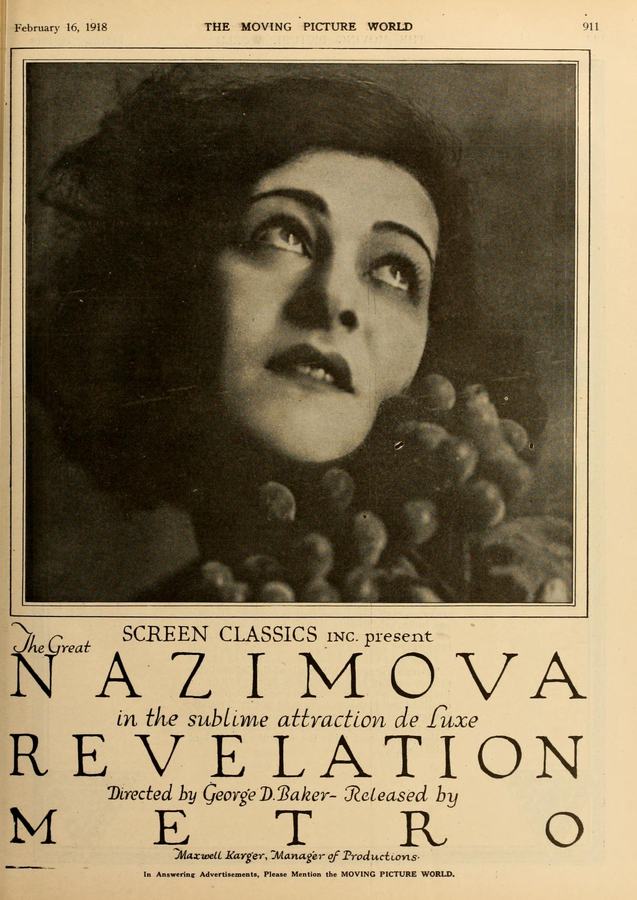
Stepping back into the cinematic landscape of 1918, one encounters a film like Revelation, a work that, even a century later, still resonates with a profound emotional depth. This isn't merely a silent film; it’s a vibrant tapestry woven with threads of societal judgment, artistic obsession, and the harrowing journey of spiritual awakening. At its heart lies the magnetic Alla Nazimova, whose performance as Joline is nothing short of transcendent, a masterclass in the nuanced expressions that defined the silent era's greatest talents. Her portrayal lends an incredible gravitas to a narrative that, on paper, might seem melodramatic, but through her artistry, becomes an intensely human drama.
The story introduces us to Joline, a character euphemistically termed a 'Daughter of Joy'—a societal outcast whose livelihood is intertwined with the city's darker corners. Yet, beneath this veneer, Nazimova imbues her with a raw vulnerability and an incandescent spirit. Her encounter with Paul Granville, a struggling artist, portrayed with earnest conviction by Charles Bryant, sparks a connection that transcends their disparate social standings. Joline, with her striking features and uninhibited spirit, becomes his muse, igniting a creative fire within him that had previously smoldered. The canvases Paul produces under her inspiration are not just paintings; they are revelations in themselves, capturing a raw, untamed beauty that catapults him from anonymity to the precipice of artistic acclaim. This initial dynamic, where the 'fallen woman' elevates the struggling man, is a compelling inversion of traditional narratives, hinting at the film's progressive undercurrents, even for its time.
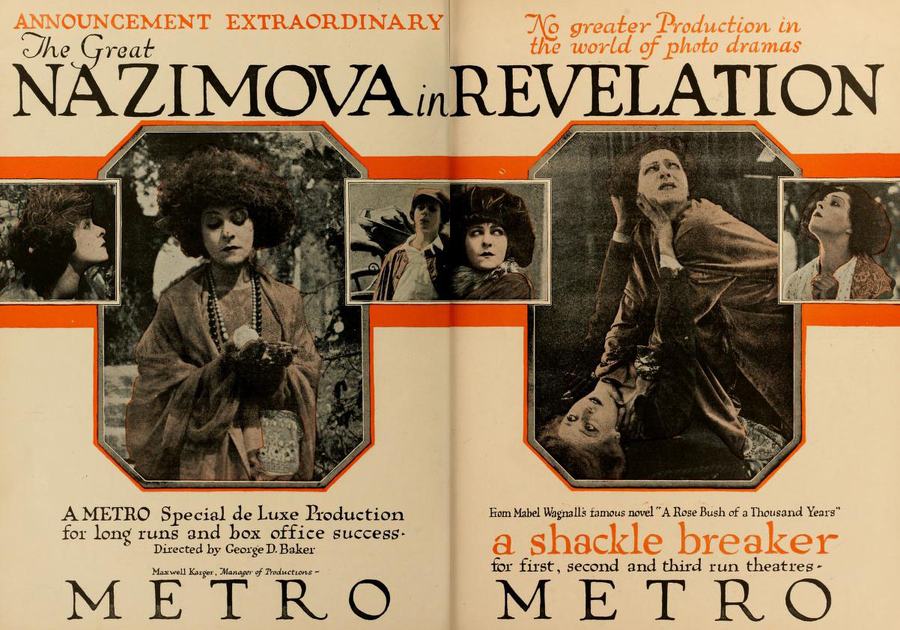
As Paul's fame burgeons, a wealthy patron commissions him to paint 'The Madonna of the Rose Bush,' a piece demanding a new kind of inspiration, a purity that Paul believes Joline, given her past, cannot embody. This moment is a critical turning point, exposing the fragile nature of their relationship and the pervasive societal prejudices that even love and art struggle to overcome. Joline’s fierce jealousy, a potent cocktail of insecurity and possessiveness, manifests in a desperate attempt to retain her place as his sole inspiration. Her actions, though born of pain, drive away potential new models, setting in motion a journey that leads them to a monastery, a place steeped in the legend of a miraculous rose bush. This pilgrimage is not just geographical; it's a symbolic descent into a spiritual realm, a quest for a different kind of truth. One might draw parallels here to the thematic explorations in films like Outcast, where societal labels similarly dictate perceived worth and the path to redemption for its female protagonist.
The monastery sequence is where Revelation truly earns its title. A venerable monk, with an almost preternatural insight, looks beyond Joline's worldly past and perceives within her an essence of the Virgin, a purity of spirit untouched by her life's circumstances. This declaration is a seismic event for Joline, a profound recognition that shatters her self-perception and awakens a dormant spiritual chord. It’s a moment of profound grace, a testament to the film’s underlying message of redemption and the possibility of transformation regardless of one's history. Nazimova's portrayal of this internal shift is exquisite, conveyed through subtle changes in her posture, her gaze, her very aura. It’s a powerful repudiation of the idea that one's past irrevocably defines one's future, a sentiment that would resonate deeply with audiences grappling with the moral complexities of the era.
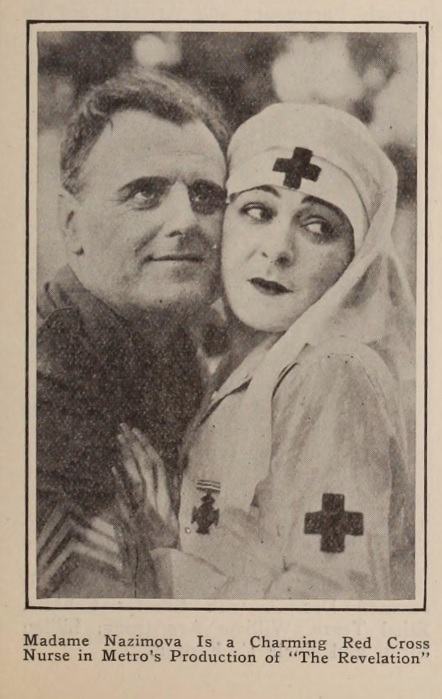
The film then takes an unexpected turn, as Joline, profoundly moved by her spiritual awakening, chooses to leave Paul. Her transformation is so complete that she feels compelled to forge a new path, independent of the man whose art she once inspired. This act of self-reliance is remarkably modern for a film of its time, showcasing a nascent feminist sensibility. However, the shadow of the Great War looms large, a pervasive backdrop that eventually brings their paths together again. The devastation of the battlefield, a stark contrast to the quiet sanctity of the monastery, becomes the setting for their poignant reunion. Joline, now a Red Cross nurse, a symbol of selfless service and compassion, discovers Paul wounded amidst the carnage. This final act of rediscovery, under the most harrowing circumstances, underscores the enduring nature of their bond, now tempered by shared suffering and individual growth. The war theme, while not central to the initial romance, adds a layer of stark realism and universal tragedy, much like the somber tones found in films such as The Boer War or Kaiser's Finish, albeit in a more personal, rather than geopolitical, context.
George D. Baker's direction, while perhaps not as stylistically flamboyant as some of his contemporaries, is nonetheless effective in its clarity and emotional directness. He understands how to frame Nazimova, allowing her expressive face and gestures to convey the narrative's emotional core. The cinematography, though limited by the technology of the era, manages to create a palpable atmosphere, particularly in the monastery scenes, where the interplay of light and shadow hints at deeper spiritual truths. The film’s pacing, a common challenge in early silent cinema, feels deliberate rather than sluggish, allowing the viewer to fully absorb Joline's emotional journey. The script, penned by Mabel Wagnalls and Ethel Browning, based on Wagnalls' novel, deftly navigates complex themes of morality, art, and faith without resorting to heavy-handed sermonizing. It’s a testament to their storytelling prowess that these weighty subjects are explored through compelling character arcs rather than didactic pronouncements.

The supporting cast, while not always given the same depth as Nazimova, provides solid performances that anchor the narrative. John Martin as the wealthy patron and Hazel Washburn in a minor role contribute to the film’s societal canvas. However, it is truly Nazimova's film. Her ability to command the screen, to convey a spectrum of emotions from raw passion to profound spiritual serenity, is what elevates Revelation from a mere melodrama to a significant piece of cinematic art. Her presence alone makes the film a must-see for aficionados of silent cinema, offering a window into the extraordinary power of non-verbal storytelling.
Reflecting on Revelation in the broader context of early 20th-century cinema, it stands as a fascinating exploration of societal boundaries and personal liberation. While films like I Don't Want to Be a Man playfully challenged gender norms, Revelation grapples with the more profound and often unforgiving judgments placed upon women regarding their moral standing. It asks whether a woman’s past can truly be redeemed, and it answers with a resounding yes, not through external validation, but through internal transformation. This makes the film surprisingly resonant even today, in an age where discussions around identity, forgiveness, and second chances continue to evolve.
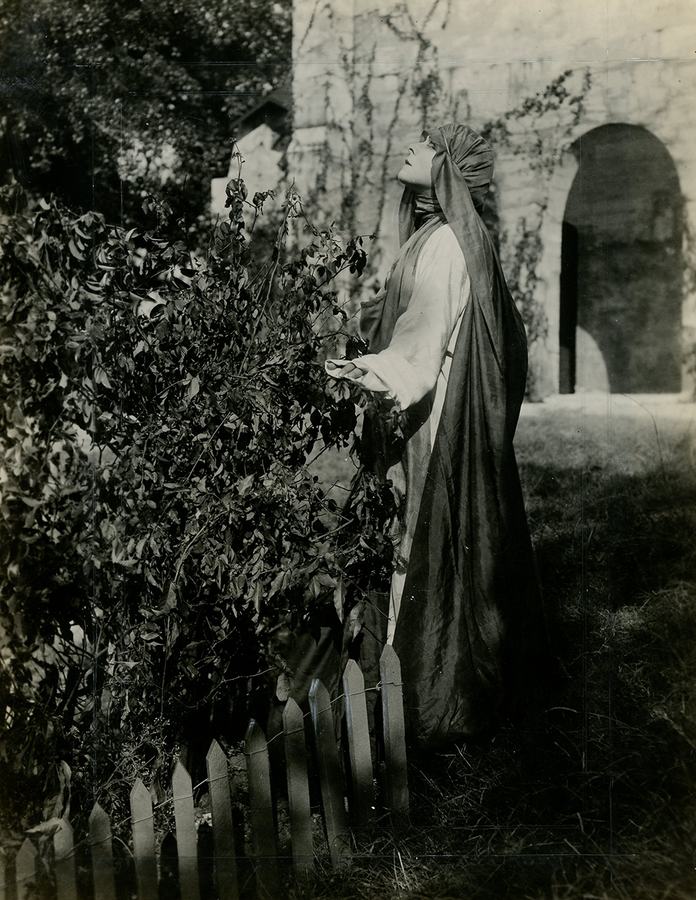
The film's exploration of art as a conduit for both personal expression and societal commentary is also noteworthy. Paul's journey as an artist, from seeking inspiration in the physical form to grappling with the spiritual essence of his subject, mirrors Joline’s own quest for inner purity. The 'Madonna of the Rose Bush' becomes more than just a painting; it becomes a symbol of the ideal that both characters, in their own ways, strive to attain. This intertwining of art and spirituality gives the film a rich thematic texture, inviting viewers to ponder the deeper meanings behind creative endeavors. This artistic focus, in a way, echoes the romanticized view of creation seen in films like The Wishing Ring: An Idyll of Old England, though with a far more dramatic and morally complex narrative.
Ultimately, Revelation is a powerful testament to the enduring human capacity for change and redemption. It champions the idea that true purity resides not in an unblemished past, but in the awakening of one's better nature. Alla Nazimova’s performance is a tour de force, carrying the emotional weight of the narrative with grace and intensity. It’s a film that reminds us of the profound artistic achievements of the silent era and their continued relevance in understanding the complexities of the human spirit. For those interested in the social dynamics and moral compass of early 20th-century America, this film offers a compelling and beautifully rendered perspective. It’s more than just a historical artifact; it’s a timeless narrative about finding oneself amidst the chaos of life and war, a journey of self-discovery beautifully illuminated by the magic of early cinema. The film's message, delivered with such conviction by Nazimova, suggests that the most profound 'revelations' are often found within, in the quiet depths of personal transformation, rather than in grand external pronouncements. It’s a piece that invites contemplation long after the final frame has faded, a true gem in the annals of cinematic history.

To appreciate Revelation fully is to embrace the unique storytelling conventions of its time. The exaggerated gestures, the dramatic intertitles, the reliance on music (which, sadly, is often lost or re-scored in modern viewings, changing the original emotional landscape) – these were the tools of its craft. Yet, even stripped of its original musical accompaniment, the sheer power of Nazimova's performance, the clarity of the narrative, and the universal themes shine through. It’s a reminder that compelling storytelling transcends technological limitations. The film doesn't shy away from the harsh realities of its time, from the rigid social stratification to the looming threat of war. Instead, it uses these elements to frame a deeply personal journey, making Joline's transformation all the more impactful. While other films of the period, like The Hidden Scar or The Scarlet Crystal, might have explored similar themes of hidden pasts and moral dilemmas, Revelation distinguishes itself through its spiritual depth and the sheer force of Nazimova's star power. It's a film that truly deserves to be rediscovered and celebrated for its enduring artistry and its timeless message of hope and renewal.
The film’s portrayal of the artist's struggle and the role of the muse is also a fascinating aspect. Paul Granville’s journey from a struggling, almost desperate painter to one lauded for his Madonna, beautifully illustrates the fickle nature of artistic success and inspiration. Joline is not merely a model; she is the catalyst for his fame, the embodiment of his creative spark. Yet, when his art demands a different kind of inspiration, he is quick to dismiss her, highlighting the transactional nature that often underlies artistic relationships. This aspect offers a nuanced look at the artist-muse dynamic, a theme explored in various forms across cinematic history. The film’s ability to weave these threads – societal critique, spiritual awakening, artistic ambition, and the ravages of war – into a cohesive and emotionally resonant narrative is a testament to the collaborative genius of its creators. The lasting impression is one of profound human resilience and the unexpected paths to grace.
IMDb 6
1936
Community
Log in to comment.