DbcultAccessing Vault...
Cult Review
Senior Film Conservator
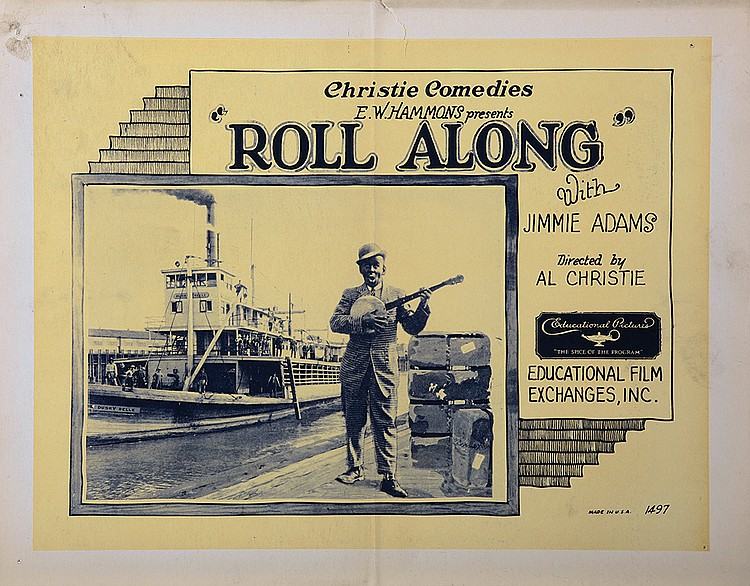
The silent era was often characterized by a restless, almost manic obsession with the mechanics of the chase. In Roll Along, this trope is elevated to a structural principle, where the very concept of romantic conquest is reduced to a literal race against time and terrain. Watching William Irving and Jimmie Adams navigate the treacherous waters of 1920s slapstick is to witness a bygone grammar of movement—one that is as fascinating as it is uncomfortable for the modern spectator. The film operates on a frantic pulse, much like the rhythmic drive found in Pitter Patter, yet it grounds its stakes in a domestic rivalry that feels both ancient and absurdly immediate.
The central conceit—a race to fetch a parson—serves as a brilliant, if simplistic, engine for comedic momentum. By tethering the characters' matrimonial fates to a physical destination, the director transforms the landscape into an obstacle course of social and physical hurdles. Unlike the grander, more operatic scale of Carmen, Roll Along finds its power in the mundane. The riverboat landing isn't just a location; it is a symbol of the outside world, a point of transit where the sacred (the parson) meets the secular (the desperate suitors).
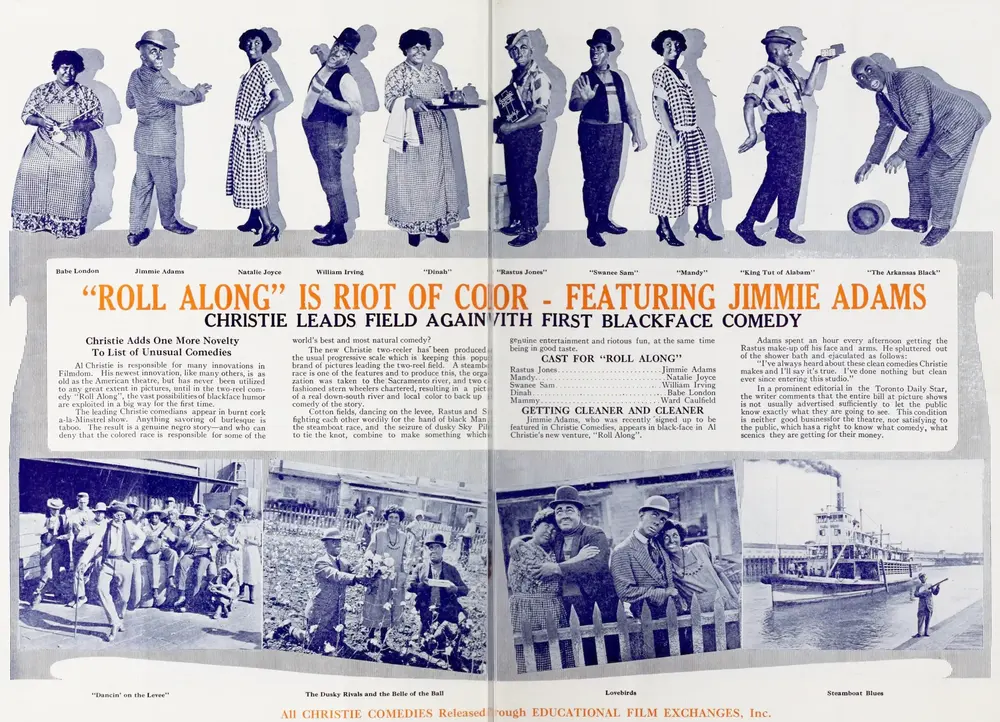
The choreography of the race itself demands a high degree of physical literacy from its cast. William Irving, as Rastus, utilizes a specific brand of exaggerated gestural language that was the hallmark of the era's comedy. Every stumble, every frantic glance toward the horizon, is calibrated for maximum visibility. The rivalry with Swanee Sam (Jimmie Adams) isn't merely a plot point; it is a study in contrasting physicalities. While one suitor might represent a more calculated, albeit bumbling, approach, the other embodies the chaotic energy of a man possessed by the singular goal of domestic victory. This type of competitive kineticism mirrors the intensity seen in Round Two, where the struggle is as much about endurance as it is about the ultimate prize.
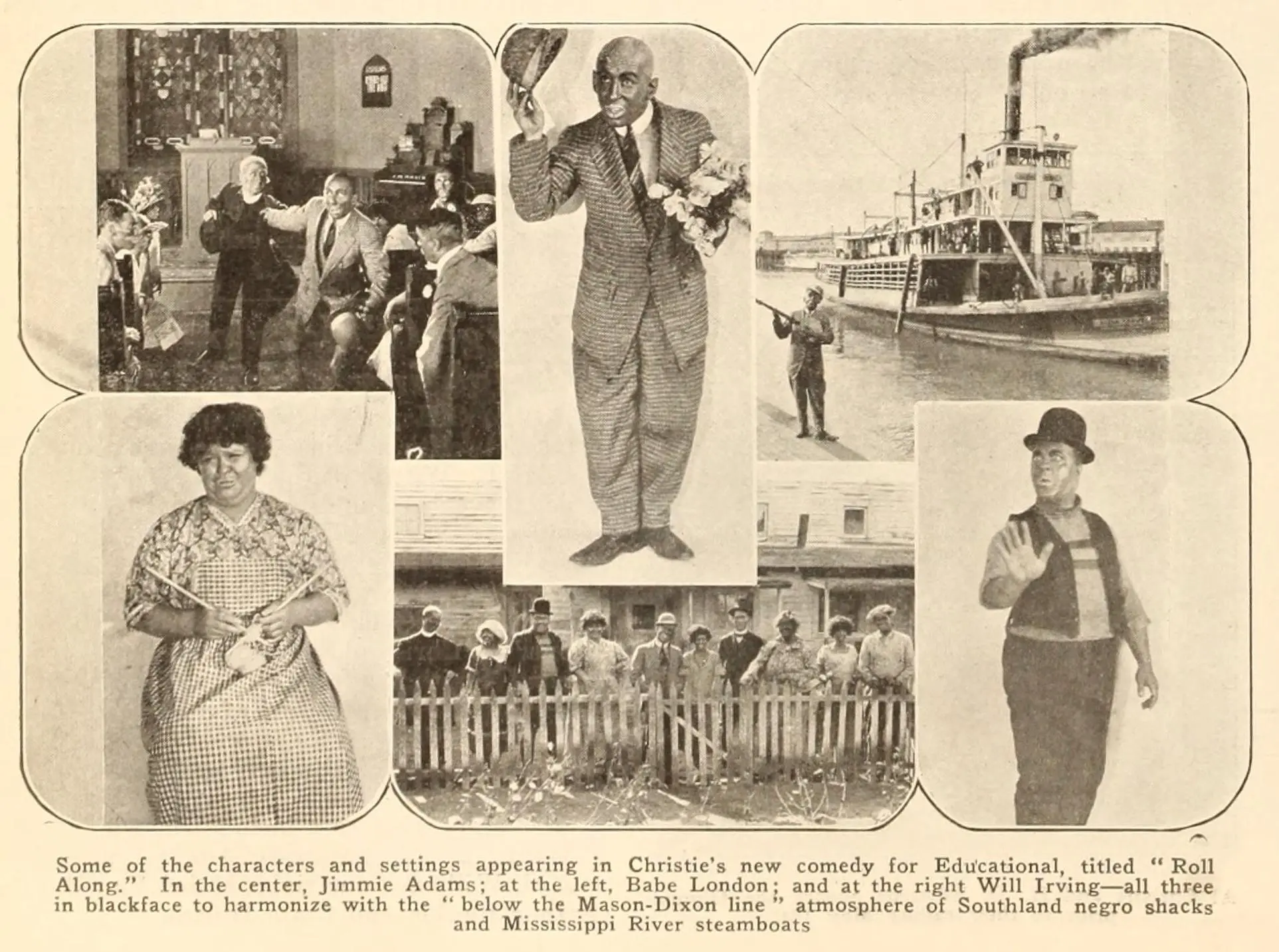
It is impossible to discuss Roll Along without addressing the elephant in the screening room: the use of blackface. Every performer in this film is encased in the heavy, artificial mask of minstrelsy, a choice that situates the film firmly within a specific—and derogatory—historical lineage. To the contemporary eye, this mask creates a jarring dissonance. It strips the actors of their natural nuance, replacing it with a codified set of expressions that were intended to signify "otherness" to a 1920s audience. However, as an art critic, one must observe how this artifice affects the slapstick itself. The blackface acts as a sort of theatrical armor, flattening the characters into archetypes that prioritize gag-based humor over psychological depth.
When we compare this to the reverent, almost static dignity captured in His Holiness, the Late Pope Pius X, and the Vatican, the gulf in cinematic intent is staggering. Where one film seeks to preserve the sanctity of a figure, Roll Along seeks to exploit a caricature for the sake of a laugh. This tension makes the film a vital, if painful, artifact of cinema's formative years. It reminds us that the medium was born into a world of deep social stratification, and its early masterpieces—and its more obscure comedies—are inextricably linked to the biases of their creators.
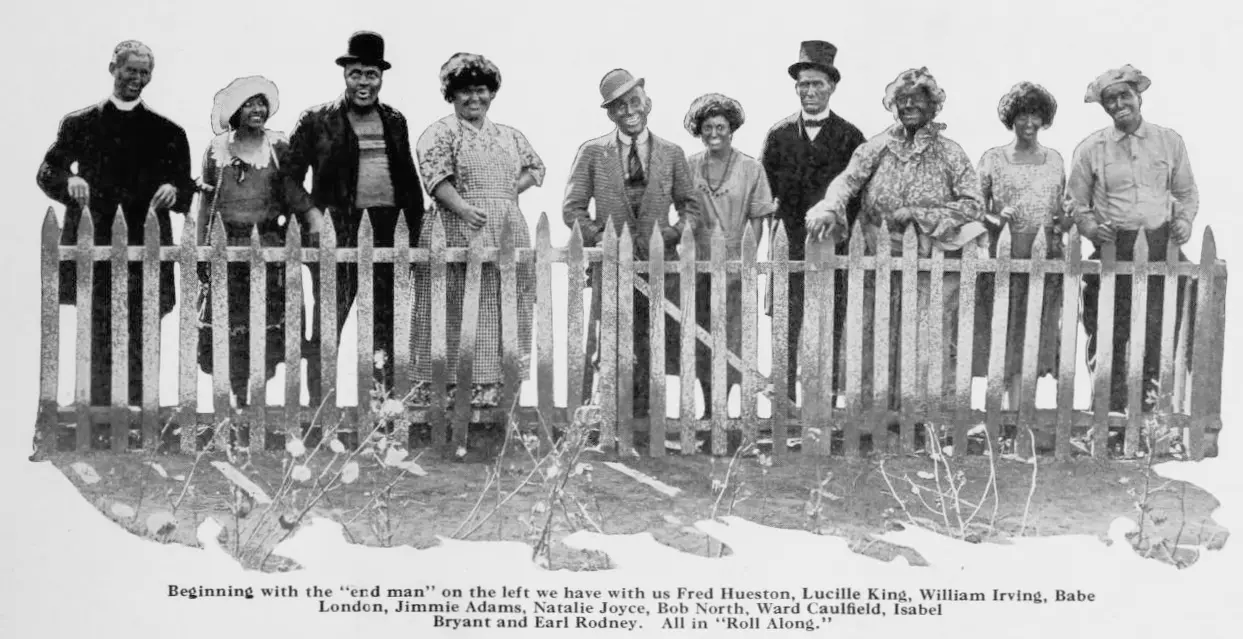
The supporting cast, including the likes of Babe London and Natalie Joyce, provides a necessary texture to the film’s frantic world. London, in particular, has always possessed a comedic timing that transcends the specificities of the plot. In Roll Along, the women are more than just the objects of the race; they are the anchors of the domestic sphere that the men are so desperate to enter. The way the camera lingers on the reactions of Mandy and her circle provides a counter-rhythm to the high-speed chase occurring on the road to the riverboat. There is a sense of community here, albeit one filtered through a distorted lens, that suggests a world existing beyond the frames of the race.
The cinematography captures the dust and the heat of the journey with a surprising amount of verisimilitude. One can almost feel the humidity of the river landing. This tactile quality is something it shares with The Treasure of the Sea, where the environment serves as a primary antagonist. In Roll Along, the road is the enemy. Every root, every puddle, and every incline is a potential disaster for our protagonists. The pacing of the film is relentless, mimicking the title's suggestion of an unstoppable momentum. It shares that "pedal to the metal" philosophy found in Fast and Furious, though the horsepower here is purely human and decidedly more clumsy.
One might wonder if there is a deeper layer of commentary buried beneath the pratfalls. The desperation to secure a parson speaks to a rigid adherence to social institutions, a theme explored with more gravity in Paying the Price. In Roll Along, the parson is the ultimate trophy—a symbol of legitimacy that validates the winner's place in the social order. The race is not just for Mandy’s heart, but for the right to be recognized as a pillar of the community. This desperation is played for laughs, but it reveals a poignant truth about the precariousness of status in the world the film depicts.
The film’s editing is surprisingly sophisticated for a short of its era. The cross-cutting between the two rivals creates a genuine sense of suspense. We see Rastus gaining ground, only for a comedic mishap to allow Swanee to overtake him. This back-and-forth keeps the audience engaged, preventing the simple premise from becoming redundant. It is a masterclass in visual storytelling, where dialogue is unnecessary because the stakes are written in the characters' frantic movements and the narrowing distance to the finish line. In this regard, it captures the same spirit of arrival and discovery found in Pommy Arrives in Australia, where the journey itself is the primary narrative interest.
Despite the heavy-handed nature of the characterizations, there are moments of genuine cinematic beauty in the way the film utilizes natural light. The scenes at the riverboat landing, with the sun reflecting off the water, provide a brief respite from the frantic comedy. These moments of stillness allow the viewer to appreciate the composition of the shots, which often use deep focus to show the rival suitor approaching in the distance while the foreground action continues. This level of technical proficiency reminds us that even the most seemingly frivolous comedies were crafted by artists who understood the power of the frame.
When we look at other films of the period, such as the evocative Evening - Night - Morning, we see a different approach to time and light. Roll Along is firmly rooted in the "daylight" of comedy—harsh, bright, and unforgiving. There are no shadows to hide in here; every failure is exposed, every fall is illuminated. The film’s commitment to this aesthetic is what gives it its enduring energy. It doesn't ask for your sympathy; it demands your attention through sheer, unadulterated movement.
Ultimately, Roll Along is a film that exists in a state of historical tension. It is a testament to the ingenuity of silent comedy and the physical prowess of its stars, yet it is also a reminder of the cultural blind spots that allowed such caricatures to flourish. It lacks the whimsical fantasy of The Flying Koffer or the exoticized drama of Der Sträfling von Cayenne. Instead, it offers a raw, unfiltered look at a specific type of American humor that was as popular as it was polarizing.
To watch it today is to engage in a form of cinematic archaeology. We dig through the layers of burnt cork and slapstick to find the heartbeat of a story about two men who just want to be first. Whether it’s the gritty realism of 'Blue Blazes' Rawden or the lighthearted charm of The Beggar Prince, cinema has always been about the pursuit of something—a person, a treasure, a state of grace. In Roll Along, that pursuit is stripped of its dignity but none of its intensity. It is a relentless, rolling tide of a film that, for better or worse, refuses to stand still.
The final moments, as the parson is finally secured and the winner declared, offer a resolution that is as much about exhaustion as it is about joy. The characters, and by extension the audience, have been through a wringer of physical exertion and comedic tension. As the dust settles at the riverboat landing, one is left with a profound sense of the effort required to make people laugh in 1926. It was a labor of sweat, timing, and, in this case, a deeply controversial performance style that nonetheless shaped the trajectory of the medium we love today.
IMDb 6.1
1932
Community
Log in to comment.