DbcultAccessing Vault...
Cult Review
Senior Film Conservator
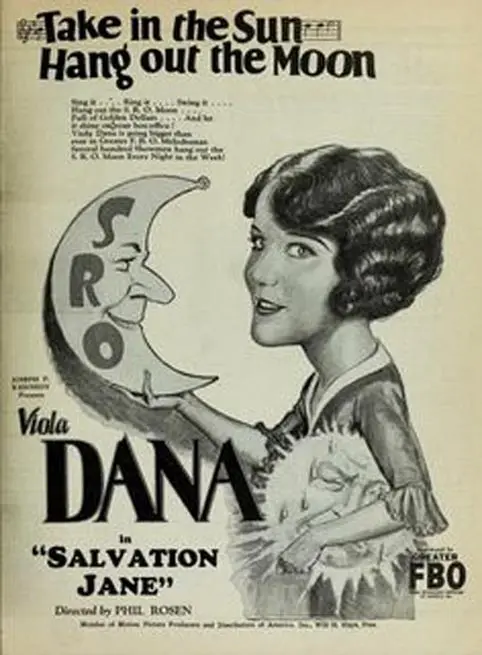
Should you invest your time in a silent social drama from 1927 today? Short answer: Yes, but only if you value historical texture over modern pacing. This film is a definitive artifact for those who appreciate the evolution of the 'reformed woman' trope in cinema, though it will likely alienate viewers who require high-octane stakes or synchronized dialogue.
This film is for the cinephile who wants to see the bridge between Victorian morality plays and the grit of the coming Pre-Code era. It is NOT for the casual viewer looking for an easy Sunday afternoon distraction. It demands patience and an eye for the subtle physical language of the silent screen.
1) This film works because it avoids the saccharine traps of its contemporaries by grounding Viola Dana’s performance in a palpable sense of exhaustion. Jane doesn't want to be 'good' because of a moral epiphany; she wants to be good because she is tired of being hunted.
2) This film fails because the third-act resolution relies on a series of coincidences that feel forced even by the standards of 1920s melodrama. The transition from the streets to the mission is emotionally resonant, but the logistical 'how' is often left to the imagination.
3) You should watch it if you are tracking the career of Viola Dana or have an interest in how female screenwriters like Maude Fulton and Doris Schroeder were shaping social narratives before the industry became a total boys' club.
Viola Dana was often pigeonholed into lighthearted roles, but in Salvation Jane, she finds a darker frequency. There is a specific scene in the first fifteen minutes where she hides in a doorway to avoid a patrolman. Her eyes aren't just wide with fear; they are calculating. It is a moment of pure, unadulterated survivalism that elevates the film above mere propaganda for the Salvation Army.
Dana’s physicality is the film’s greatest asset. While many silent actors leaned into theatrical gesticulation, Dana keeps her movements compact. This makes her eventual 'softening' feel earned. When she finally accepts a meal at the mission, the way she holds her spoon—clutching it like a weapon—tells us more about her character than any intertitle ever could. It is a masterclass in behavioral acting.
Fay Holderness provides a necessary foil. Her presence is heavy and grounded, acting as the gravitational pull of Jane’s old life. Unlike the lighter fare seen in Reckless Romance, the stakes here feel permanent. If Jane fails, she doesn't just lose a suitor; she loses her soul. Holderness plays her role with a lack of vanity that is refreshing for the era.
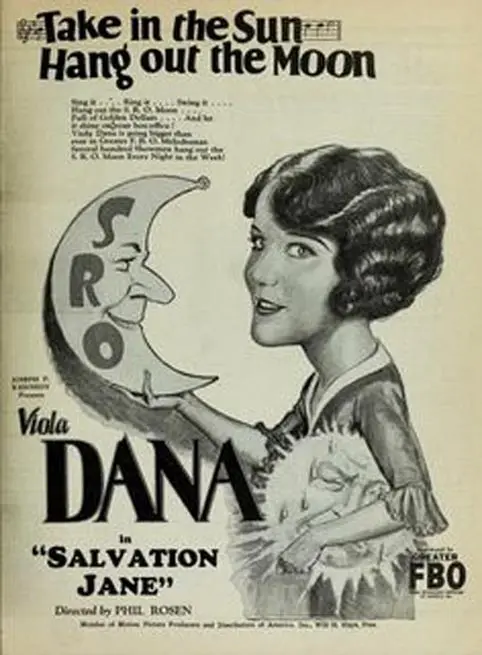
The cinematography in Salvation Jane utilizes high-contrast lighting to delineate the two worlds Jane inhabits. The 'slum' sequences are flooded with deep blacks and smoky greys, creating a claustrophobic atmosphere reminiscent of the German Expressionist influence creeping into American cinema at the time. Compare this to the flat, bright lighting found in comedies like Alice's Egg Plant, and you see a director intentionally using the camera to tell a story of shadows.
The pacing, however, is where the film stutters. The middle section, which focuses on Jane’s education within the mission, drags significantly. We spend too much time on repetitive lessons in etiquette and not enough on the internal psychological shift Jane is undergoing. It is a common flaw in films from this period, where the 'moral' must be shown in exhaustive detail to satisfy the censors of the day.
Despite the drag, the framing remains inventive. There is a recurring motif of Jane looking through windows—first from the outside looking in, then from the inside looking out. It’s a simple visual metaphor for her social standing, but it’s executed with a precision that suggests a deep collaboration between the director and the writers.
If you are a student of film history, Salvation Jane is a fascinating case study in late-silent era social realism. It lacks the polish of a Murnau or a Griffith, but it possesses a raw, unpretentious energy. The film attempts to tackle poverty not as a joke, as seen in The Poor Rich Man, but as a systemic trap.
It works. But it’s flawed. The ending is too neat. Life in the tenements didn't end with a clean dress and a prayer, and the film’s refusal to acknowledge the cyclical nature of poverty makes the finale feel somewhat hollow. However, the journey there is worth the price of admission for Dana’s performance alone.
When we look at other films of the era, such as Dust Flower, we see a recurring fascination with the 'unpolished' girl being molded into a lady. Salvation Jane, however, feels more cynical. While Dust Flower leans into the romance of the transformation, Salvation Jane focuses on the labor of it. It’s a harder, colder film.
It also stands in stark contrast to the whimsical nature of Bride and Gloomy. There is no whimsy here. Even the moments of levity are tinged with the desperation of Jane’s situation. This seriousness is what makes the film stay with you long after the final frame. It isn't just a movie; it's a plea for empathy.
Even compared to mystery-driven plots like The Mysterious Mrs. Musslewhite, Salvation Jane feels more grounded in a recognizable reality. It doesn't need ghosts or hidden identities to create tension; it only needs the threat of a cold night and an empty stomach.
"Salvation Jane is a flawed but essential piece of the silent era puzzle, offering a rare glimpse into a world where redemption is a hard-won battle rather than a divine gift."
Ultimately, Salvation Jane survives as a testament to Viola Dana's range. It is a film that dares to be ugly before it becomes beautiful. While the narrative machinery of the 1920s eventually grinds it down into a predictable conclusion, the first two acts are as sharp as a razor. It is a story about the skin we grow to protect ourselves and the pain of peeling it off. Watch it for the history, stay for the performance, and forgive the melodrama.
IMDb 6.4
1928
Community
Log in to comment.