DbcultAccessing Vault...
Cult Review
Senior Film Conservator
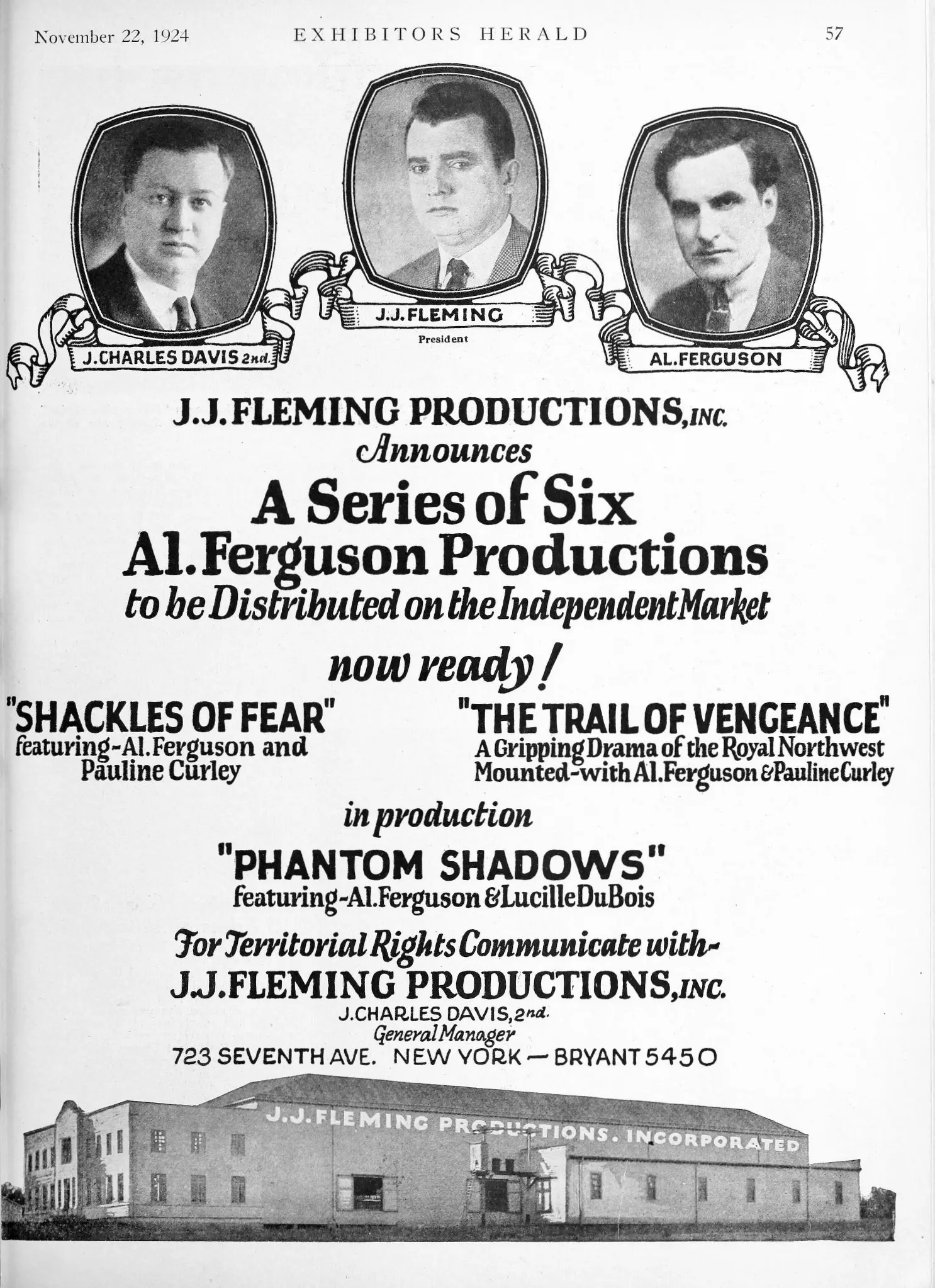
Cinema in the mid-1920s was often preoccupied with the fragility of the masculine ego, yet few films interrogate the psychological paralysis of guilt with the same rugged earnestness as Shackles of Fear. This 1924 production, starring the formidable Al Ferguson, operates as a fascinating bridge between the melodrama of the previous decade and the burgeoning realism of the frontier epic. Unlike the more whimsical tone found in Oranges and Lemons, this narrative is anchored by a heavy, almost suffocating sense of consequence.
The story opens not with a grand gesture, but with a sordid, shadowed conflict. Richard Dunbar’s initial altercation with a crooked gambler is filmed with a startling lack of artifice. When the blow lands and the man falls, the camera lingers on Dunbar’s face—a canvas of sudden, horrific realization. It is this specific moment that defines the film's title. The 'shackles' are not iron, but neurological. The protagonist is imprisoned by the memory of his own strength, a theme that resonates with the darker undertones of Sentenced for Life, where the legal system is merely a backdrop for an internal incarceration.
As Dunbar drifts into the Oregon lumber camps, the cinematography shifts, embracing the verticality and the daunting scale of the Pacific Northwest. This isn't the idealized, fairy-tale forest of The Wood Nymph; rather, it is a landscape of labor, sweat, and looming shadows. The camp becomes a microcosm of social hierarchy where the foreman, played with a sneering, visceral intensity by the antagonist, represents the unbridled Darwinian id of the wilderness.
The introduction of Pauline Curley as Betty Allison provides the necessary emotional counterweight. Curley, who often brought a grounded vulnerability to her roles, avoids the histrionics common in silent-era ingenues. Her chemistry with Ferguson is built on a shared sense of isolation. While Dunbar is running from a phantom death, Betty is navigating the predatory environment of a male-dominated industry. Their romance is not one of flowery prose (or title cards), but of shared glances amidst the debris of the timber trade.
The narrative pivot point—Dunbar’s refusal to fight the foreman—is a masterclass in subverting audience expectations. In a genre that typically rewards immediate physical retribution, Shackles of Fear demands that its hero endure the stigma of cowardice. This sequence is agonizingly prolonged. We see the foreman’s provocations, the jeers of the other lumberjacks, and the visible trembling of Dunbar as he suppresses the urge to strike back. He is a man haunted by the ghost of a dead gambler, fearing that any release of his power will result in another soul on his conscience.
This thematic exploration of non-violence through trauma is far more sophisticated than the binary morality found in The Son-of-a-Gun. Dunbar’s 'disgrace' is a self-inflicted martyrdom. He accepts the label of a coward to preserve his own humanity, a choice that elevates the film from a mere brawling adventure to a character study of significant depth. The social ostracization he faces reflects the rigid codes of 1920s masculinity, where physical dominance was the only currency of respect.
The resolution of the plot hinges on a classic trope—the revelation that the 'dead' man lives—but the execution is anything but cliché. The return of Dunbar to the camp coincides with a catastrophic fire, a set-piece that demonstrates the technical ambition of early independent filmmaking. The orange hues of the flames (suggested by the tinting techniques of the era) create a hellish landscape that mirrors the protagonist's internal turmoil. The fire is the externalization of the rage Dunbar has been suppressing.
Rescuing Betty from the burning house is not just a feat of heroism; it is a ritual of purification. In the heat of the inferno, the 'shackles' finally melt away. When Dunbar eventually faces the foreman, the fight is no longer about ego or camp hierarchy. It is a liberation. The choreography is brutal and unrefined, lacking the stylized grace of later Hollywood pugilism. It feels like a genuine release of years of pent-up terror and restraint. Unlike the more drawing-room conflicts of Snobs or the garden-party tensions in The Garden of Weeds, the climax of Shackles of Fear is primal and definitive.
Al Ferguson’s performance deserves a modern re-evaluation. While he often played the heavy in later years, here he demonstrates a range that encompasses both the physical threat of a leading man and the psychological frailty of a victim. His portrayal of Richard Dunbar is nuanced, capturing the twitchy anxiety of a fugitive and the stoic resolve of a man trying to rebuild his life from the sawdust up. The supporting cast, including Frank Clark and Bert De Vore, provide a textured backdrop of working-class grit that makes the camp feel lived-in and authentic.
When compared to the lighter fare of the era, such as The Arrival of Perpetua or the nostalgic whimsy of A Girl of Yesterday, Shackles of Fear stands out for its somber atmosphere and its refusal to offer easy answers to the protagonist’s moral dilemma. Even the comedic relief, often a staple of the time like in After the Bawl, is conspicuously absent, allowing the gravity of the situation to remain undisturbed.
The direction (though sometimes attributed to the collective efforts of the production house) shows a keen eye for the interplay of light and dark. The indoor scenes in the gambler's den use low-key lighting that anticipates the noir aesthetics of the 1940s. In contrast, the Oregon sequences utilize the natural depth of the forest to create a sense of scale. The editing during the fire sequence is particularly noteworthy, utilizing rapid cuts between the spreading flames and Betty’s peril, a technique that builds a sense of urgency that still feels effective a century later.
The film also avoids the trap of being a mere morality play. While it ends with the traditional union of hero and heroine, the path to that conclusion is paved with genuine suffering. It shares a certain thematic DNA with The Captive and The Silent Voice, particularly in how it deals with characters who are silenced or restricted by their circumstances. Dunbar’s silence is his burden, and the film’s greatest achievement is making the audience feel the weight of that silence until the very moment it is broken by the roar of the fire and the sound of a fist finally finding its mark.
Shackles of Fear is more than a dusty relic of the silent era; it is a potent exploration of the human capacity for self-punishment and the grueling journey toward self-forgiveness. It captures a specific moment in American cultural history where the rugged frontier was becoming a place of industrial labor, and where the hero’s journey was moving inward. It lacks the cynicism of modern cinema, replacing it with a sincere belief in the possibility of total transformation.
For those who appreciate the historical texture of films like Checkers or the dramatic intensity of Beloved Jim, this 1924 feature is an essential watch. It reminds us that the most difficult battles are not fought against external villains, but against the ghosts we carry with us. By the time the final title card fades, we are left with the image of a man who has not just won his wife, but has reclaimed his right to exist without fear. In the vast landscape of 1920s cinema, Shackles of Fear remains a towering, if overlooked, evergreen of the genre.
IMDb 6.1
1931
Community
Log in to comment.