DbcultAccessing Vault...
Cult Review
Senior Film Conservator
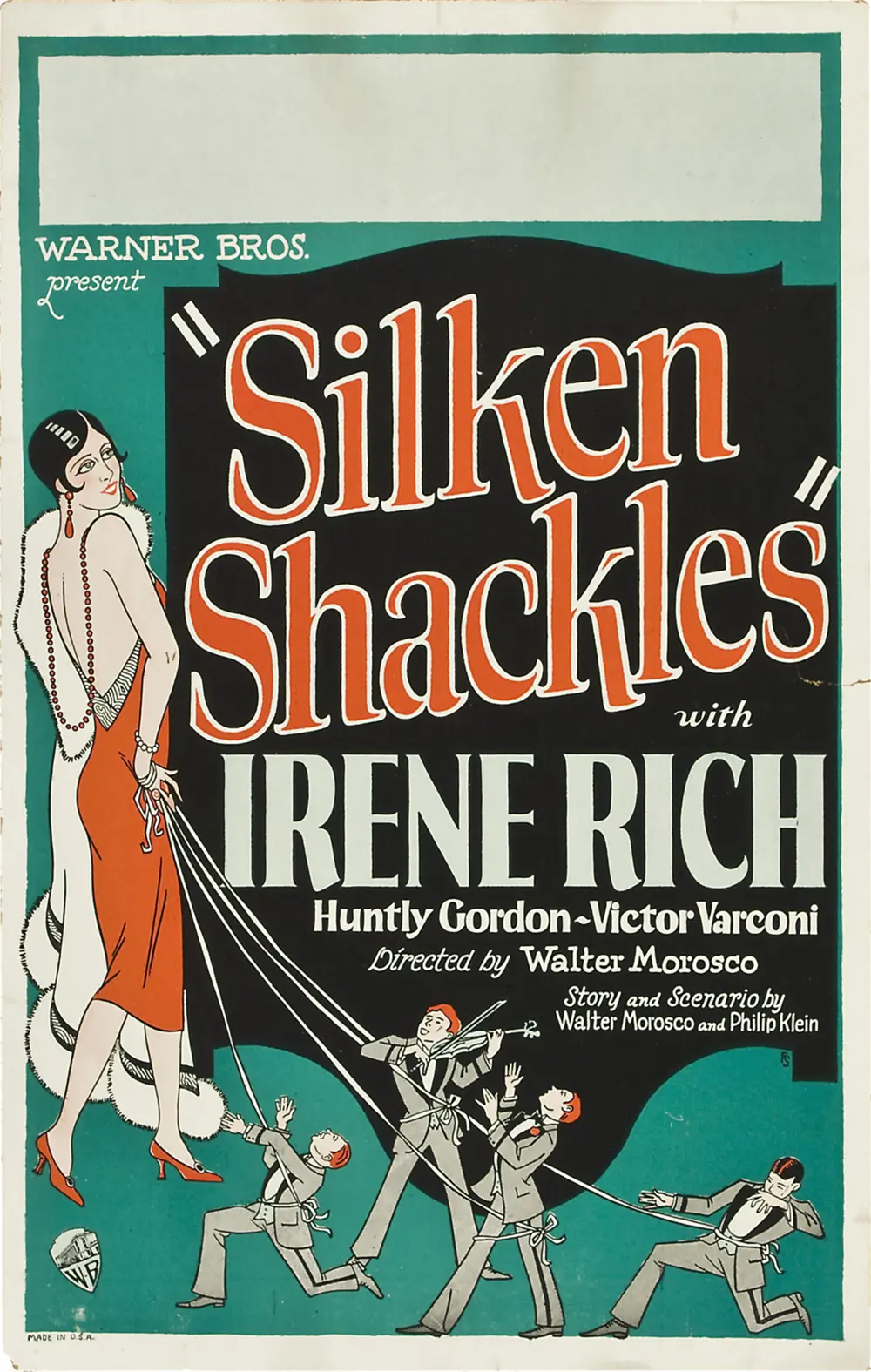
Is Silken Shackles a forgotten gem worth your time today? Short answer: Yes, but only if you possess the patience for the deliberate, visual-heavy storytelling of the mid-1920s.
This film is specifically for those who enjoy the intersection of social commentary and domestic drama, much like the themes explored in The Third Degree. It is definitively not for viewers who require the fast-paced editing or explicit dialogue of modern cinema.
This film works because it avoids the cartoonish villainy common in silent-era romances, choosing instead to find the tragedy in the social structures themselves. This film fails because the middle act experiences a significant drop in narrative tension, relying too heavily on repetitive party sequences. You should watch it if you want to see Victor Varconi deliver a performance that bridges the gap between theatricality and modern naturalism.
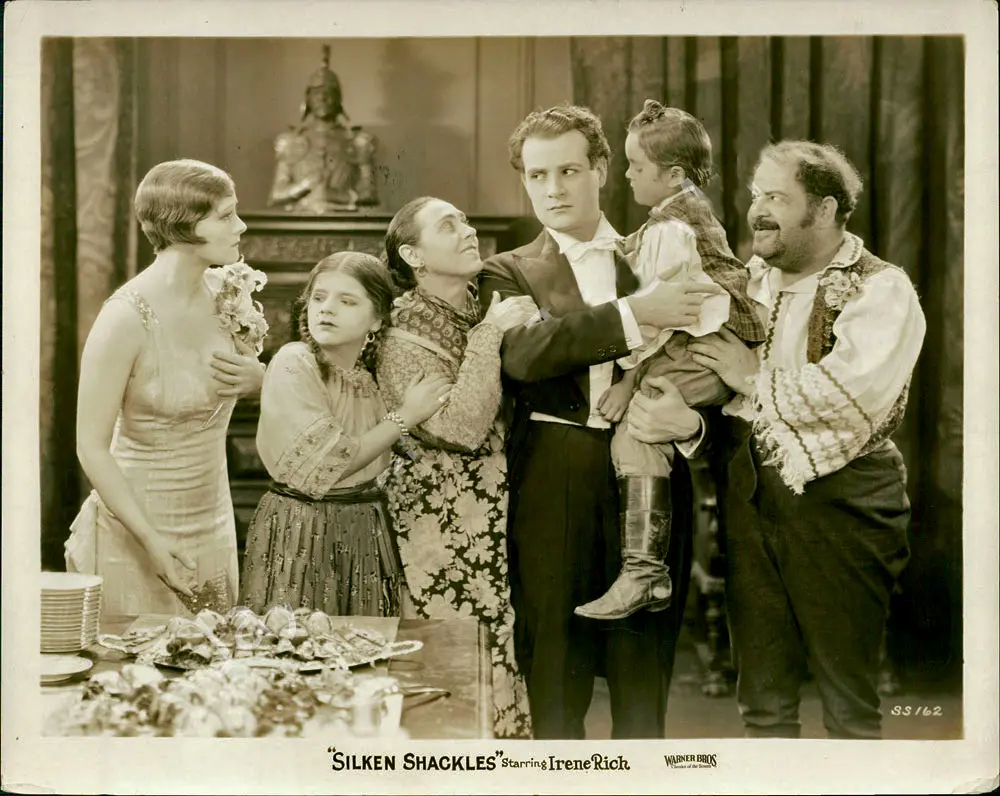
Silken Shackles, directed with a steady hand during the peak of the silent era, is a fascinating artifact of its time. The story of a diplomat's wife falling for a Hungarian violinist could easily have devolved into a tawdry soap opera. However, the screenplay by Charles Harris, Walter Morosco, and Philip Klein elevates the material. It treats the 'shackles' of the title as a psychological reality rather than just a plot device.
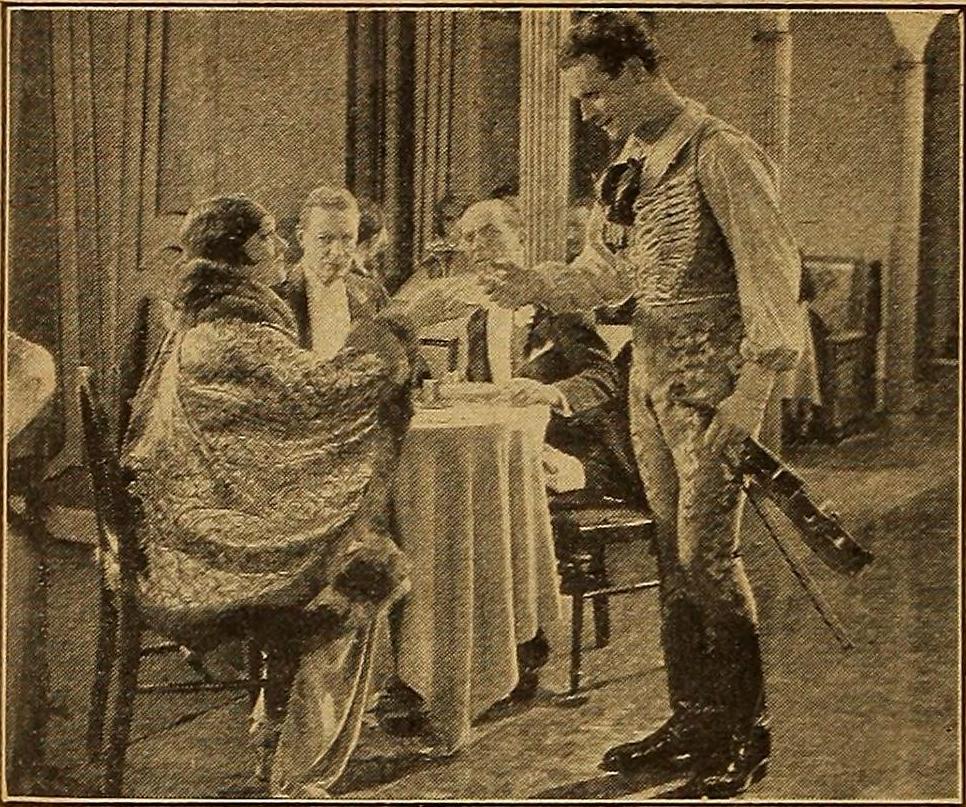
Irene Rich delivers a performance that is remarkably restrained. In a scene where she watches her husband discuss trade agreements while the sound of the violin drifts through an open window, her face becomes a map of regret. It is a quiet moment, but it carries more weight than any shouted argument. This nuance reminds me of the emotional depth found in The Song of the Soul.
The film excels at showing, not telling. We see the weight of her jewelry; we see the way the camera lingers on the cold, expansive halls of the embassy. These are not just sets; they are the physical manifestations of her confinement. It works. But it's flawed in its pacing.
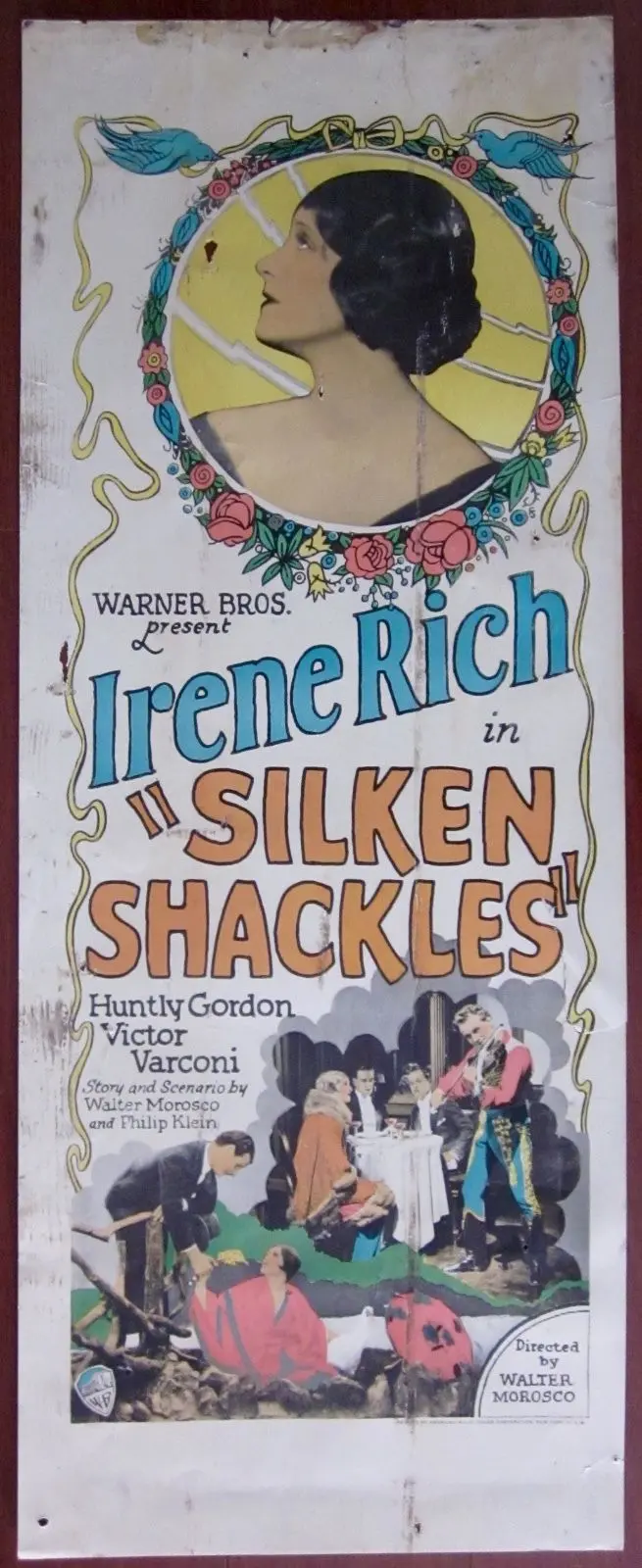
Victor Varconi, as the violinist, is the film's gravitational center. He doesn't just play the role; he embodies the 'otherness' that the protagonist craves. His movements are fluid, contrasting sharply with the stiff, military posture of the diplomat. This contrast is a classic trope, yet Varconi makes it feel fresh. He brings a sense of danger that was often missing from the leading men of the mid-20s.
Compare his energy here to the more traditional performances in The Kentuckians. Varconi feels like he belongs to a different era of acting altogether. When he holds the violin, it isn't a prop; it is an extension of his character's rebellion against the status quo.
The chemistry between Rich and Varconi is palpable, even through the grain of century-old film stock. Their scenes together are shot with a softer focus, creating a dreamlike atmosphere that stands in stark contrast to the sharp, high-contrast lighting of the embassy scenes. This visual storytelling is where the film truly shines.
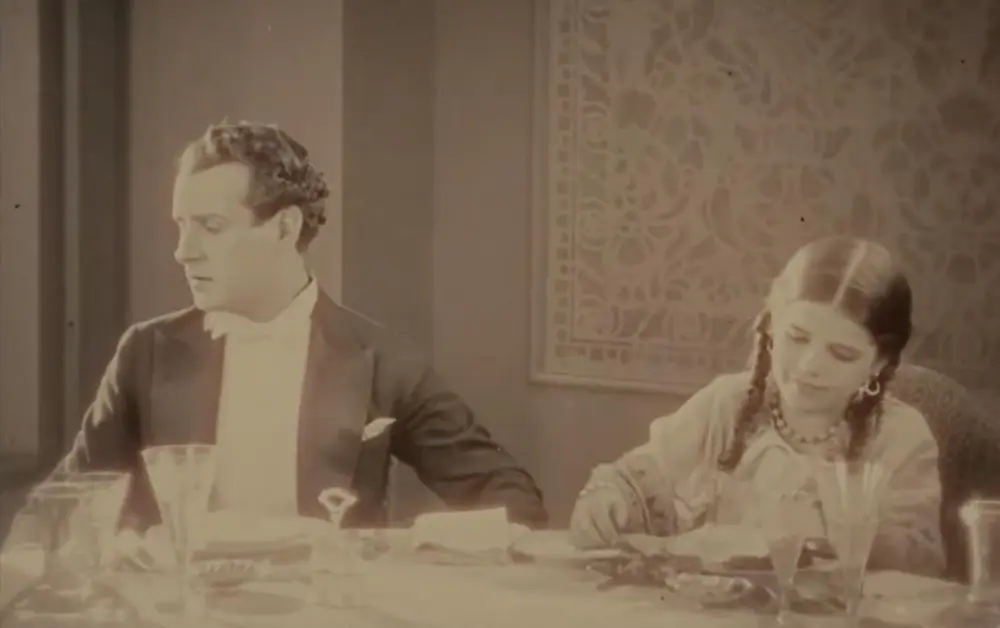
Technically, Silken Shackles is a masterclass in late-silent cinematography. The use of shadows to represent the protagonist's growing isolation is particularly effective. In the third act, there is a sequence involving a gala where the shadows of the dancers are projected onto the walls, making them look like ghosts. It is a haunting image that suggests the emptiness of the social world she inhabits.
The pacing is where the film struggles most. At several points, the narrative stalls to accommodate extended musical sequences—which, being a silent film, rely entirely on the audience's imagination and the live accompaniment. While these moments are intended to build atmosphere, they often feel like they are padding the runtime. This is a common issue in films of this period, such as Blue Jeans, but it is particularly noticeable here because the core drama is so intimate.
The direction manages to maintain a sense of dignity throughout. There is no easy out for the characters. The diplomat is not a monster; he is simply a man who has forgotten how to see his wife as a person rather than a partner in his career. This complexity makes the eventual climax far more impactful than a simple 'good vs. evil' narrative.

Why should a modern viewer care about a 1926 silent film? Because Silken Shackles asks a question that remains relevant: What do we owe to ourselves versus what we owe to our commitments? It explores the 'shackles' of expectation that still exist today, even if the 'silk' has changed form.
If you are a student of film history, this is an essential watch for its lighting and performance style. If you are a casual viewer, you might find the lack of dialogue challenging, but the emotional clarity of the performances will likely win you over. It is a film that demands your full attention, rewarding you with a surprisingly mature take on infidelity and identity.
"The tragedy of Silken Shackles isn't that she finds a new love, but that she realizes her old life was never hers to begin with."
Pros:
Cons:
When we look at films from the mid-20s, we often see them as stepping stones to the 'Golden Age' of the 30s. But Silken Shackles stands on its own merits. It shares a certain DNA with Mad Love in its exploration of obsession, though it remains much more grounded in reality. The film doesn't need supernatural elements or high-concept hooks to maintain interest; it relies entirely on the internal lives of its protagonists.
The writing team of Harris, Morosco, and Klein clearly understood that the audience's empathy is the most powerful tool in a filmmaker's arsenal. By making the diplomat a sympathetic, if misguided, figure, they force the audience to confront the difficulty of the wife's choice. There are no easy villains here. Just people caught in the machinery of their own lives.
This film also serves as a reminder of the power of the silent medium. Without the crutch of dialogue, every gesture, every glance, and every shadow must work overtime to convey meaning. In many ways, Silken Shackles is more 'cinematic' than many modern films that rely on exposition to explain their characters' motivations. It trusts the audience to feel the weight of the shackles.
Silken Shackles is a sophisticated, emotionally resonant piece of filmmaking that deserves more recognition than it currently receives. While it suffers from some of the pacing quirks inherent to its era, the strength of the lead performances and the intelligence of the script make it a compelling watch. It is a quiet, thoughtful film that lingers in the mind long after the final frame. It is a testament to the fact that even a hundred years ago, filmmakers were exploring the same complexities of the human heart that we grapple with today. It isn't perfect. But it's deeply human.
IMDb —
1920
Community
Log in to comment.