DbcultAccessing Vault...
6.8/10
Senior Film Conservator
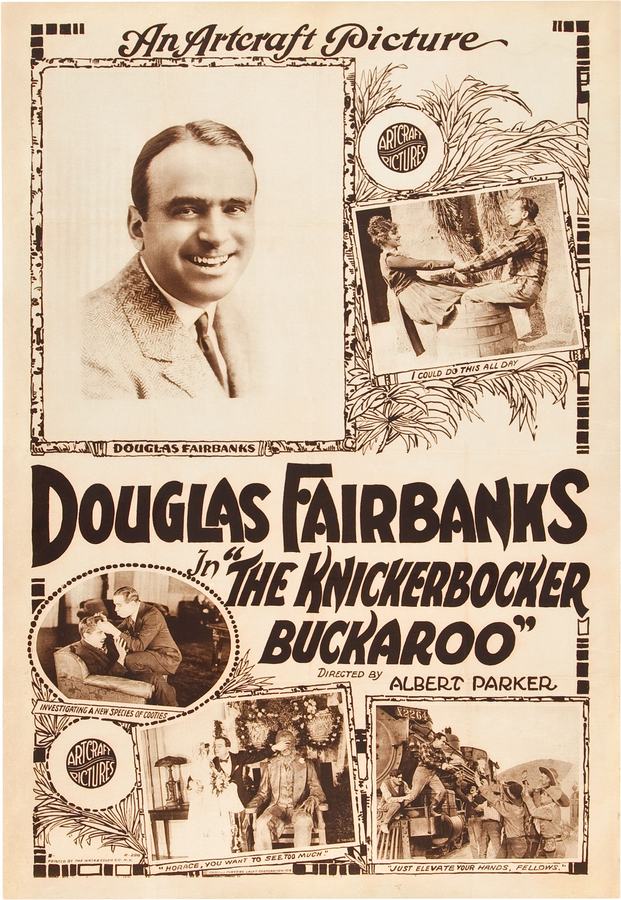
A definitive 6.8/10 rating for a film that redefined the boundaries of cult cinema. The Knickerbocker Buckaroo remains a cornerstone of transgressive art.
In the landscape of 1919 cinema, few figures loomed as large or as energetically as Douglas Fairbanks. The Knickerbocker Buckaroo represents a pivotal moment in the evolution of the American screen hero, acting as a bridge between the drawing-room farces of his early career and the swashbuckling epics that would define his legacy. The film begins with a delightful, self-reflexive prologue that demands our attention. Fairbanks appears not as a character, but as a chef, mixing the literal ingredients of a motion picture. This meta-commentary on the art of filmmaking suggests a high degree of creative autonomy, a trait rarely seen in the studio-driven era. It invites the audience to view the film not merely as a story, but as a carefully curated experience—a 'cake' seasoned with the 'pep' that became Fairbanks' trademark. This opening is far more sophisticated than the contemporary When Do We Eat?, which tackled culinary themes with far less grace.
Teddy Drake, the protagonist, is a fascinating study in kinetic restlessness. His expulsion from a Fifth Avenue club for 'playing practical jokes and leaping over furniture' is more than a comedic beat; it is a critique of Gilded Age stagnation. Drake is a man whose physical vitality cannot be contained by the rigid social structures of New York. Unlike the characters in Seven Deadly Sins, whose moral failings are often static, Drake’s 'selfishness' is actually a misdirected altruism looking for a theatre of operation. When he boards the train for the Southwest, he isn't just traveling geographically; he is moving toward a landscape that can finally accommodate his physical scale.
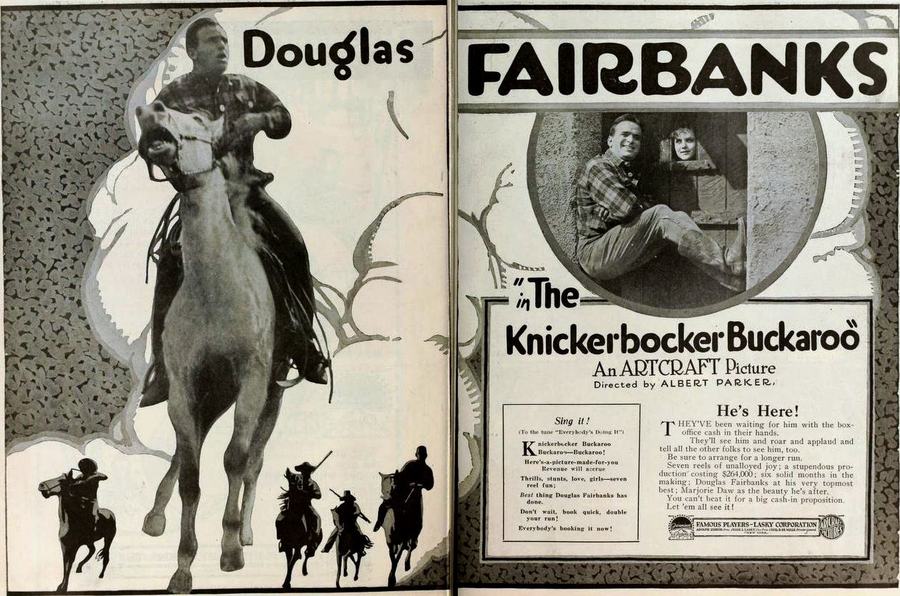
The transition from the polished interiors of New York to the sun-bleached grit of Sonora is handled with a visual flair that underscores the film’s thematic shifts. The train sequence serves as a liminal space where Teddy sheds his former identity. The clothing swap with Manuel Lopez is a classic trope of the era, yet here it carries a weight of genuine empathy. By donning the bandit’s clothes, Teddy doesn't just adopt a disguise; he adopts the burden of the marginalized. This subversion of the 'Mexican bandit' stereotype is surprisingly progressive for 1919. While Lopez is technically an outlaw, his motivation—visiting a sick mother—humanizes him in a way that contrasts sharply with the 'civilized' but morally bankrupt sheriff of Sonora.
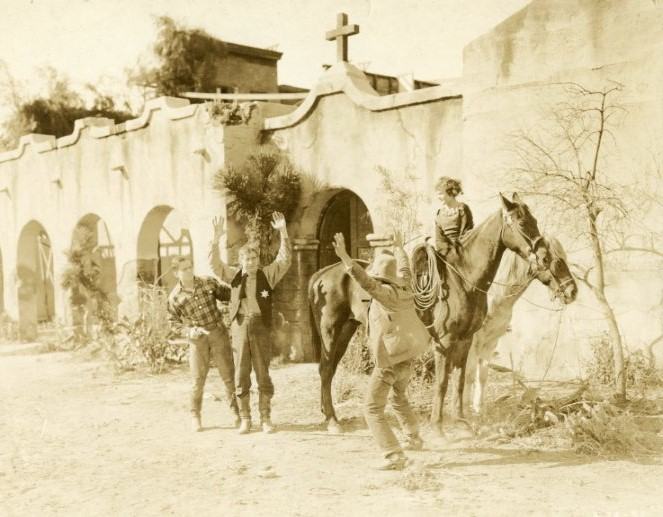
Sonora itself is rendered as a labyrinth of adobe and shadows. The cinematography by Joseph Henabery captures the stark contrasts of the desert light, creating a playground for Fairbanks’ acrobatic prowess. The rooftop chase sequences are the film’s heartbeat. Unlike the more grounded drama of A Woman's Daring, The Knickerbocker Buckaroo treats the environment as a vertical jungle. Fairbanks’ ability to navigate these spaces—leaping from balcony to balcony with a grin that never falters—transforms the Western genre into something closer to a superhero narrative. It is a spectacle of the human body in motion, a testament to the era before stunt doubles and CGI replaced genuine physical risk.
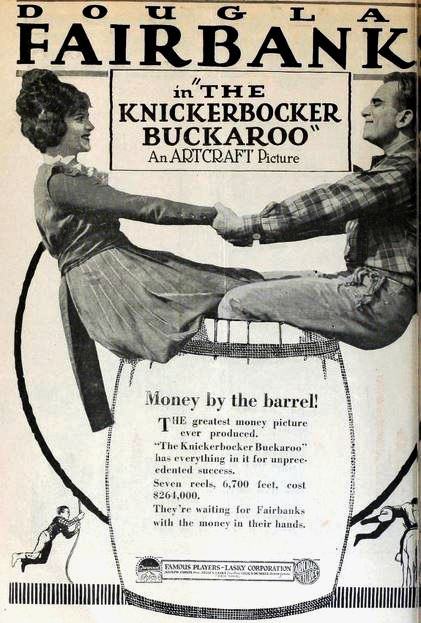
Marjorie Daw as Rita Allison provides a grounded counterpoint to Teddy’s exuberance. While the plot ostensibly positions her as a damsel in distress, Daw imbues the character with a quiet resilience. She isn't just a prize to be won; she is the guardian of the narrative’s material stakes—the hidden money that the sheriff desperately covets. Her incarceration in the local jail is the catalyst for Teddy’s most daring feats. The chemistry between Fairbanks and Daw is palpable, far exceeding the stiff romanticism found in Nedra or the tragic overtones of Eugene Aram.
Frank Campeau, playing the sheriff, delivers a performance of chilling opportunism. He represents the systemic corruption that Teddy, with his New York sensibilities and frontier bravery, must dismantle. The conflict is not just between a hero and a villain, but between two different ideologies of the West: one that sees it as a lawless land to be exploited, and another that sees it as a place for personal and social renewal. The sheriff’s gang, a collection of grizzled character actors, provides a formidable obstacle that necessitates the film’s climactic siege. This sequence, where Teddy holds off the mob, is a masterclass in pacing and tension, reminiscent of the gritty survivalism seen in The White Scar.
Technically, The Knickerbocker Buckaroo is a marvel of its time. The editing is particularly noteworthy for its fluidity. While many silent films of the late 1910s, such as Golfo or The Painted World, often felt stage-bound, this film breathes with the openness of the outdoors. The use of depth in the frame—having action occur simultaneously in the foreground and background—gives the town of Sonora a lived-in, three-dimensional quality. This depth is crucial during the rooftop chases, as it allows the audience to track Teddy’s movement across the town’s topography, heightening the sense of scale and danger.
The writing, a collaborative effort involving Fairbanks himself and Joseph Henabery, balances humor and high-stakes adventure with surgical precision. The dialogue intertitles are witty and sparse, never slowing down the momentum of the visual storytelling. This is a sharp contrast to the often verbose titles of Meyer from Berlin or the heavy-handed melodrama of A Man and the Woman. In The Knickerbocker Buckaroo, the action is the primary language. Every leap, every punch, and every grin communicates more about the character’s inner world than a page of text ever could.
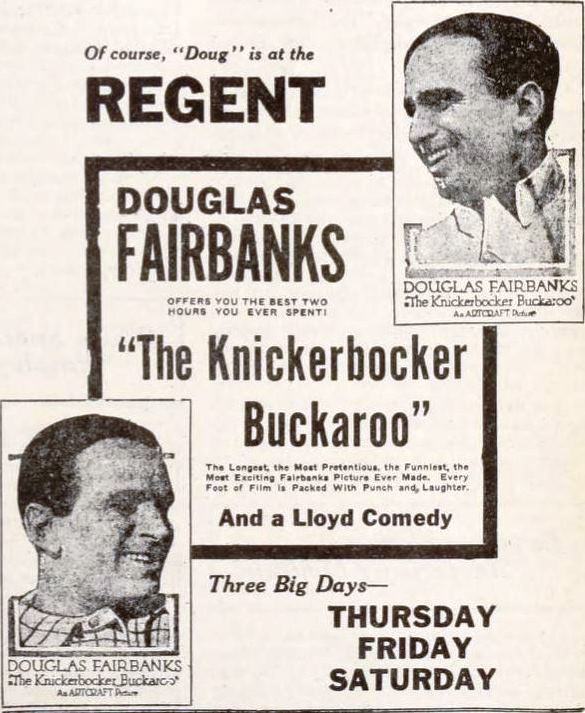
Looking back from a modern perspective, the film remains remarkably fresh. It avoids the sluggishness that plagues many silents of the era, such as Tillie Wakes Up or the somewhat dated The Fighting Grin. Instead, it offers a blueprint for the modern action-comedy. The 'Teddy Drake' archetype—the charming rogue who finds his purpose through physical ordeal—can be seen in everything from Errol Flynn’s adventures to the contemporary blockbuster.
The film’s conclusion, with Teddy returning to New York with Rita, signifies a reconciliation of his two worlds. He is no longer the 'selfish' prankster of the first act; he is a man who has tested his mettle against the harshest elements of the frontier and emerged victorious. He brings the 'ginger' of the West back to the stale atmosphere of Fifth Avenue, suggesting that the American character is at its best when it blends urban sophistication with frontier grit. This synthesis is the heart of the Fairbanks appeal. He wasn't just an actor; he was a symbol of national vitality at the dawn of the Jazz Age.
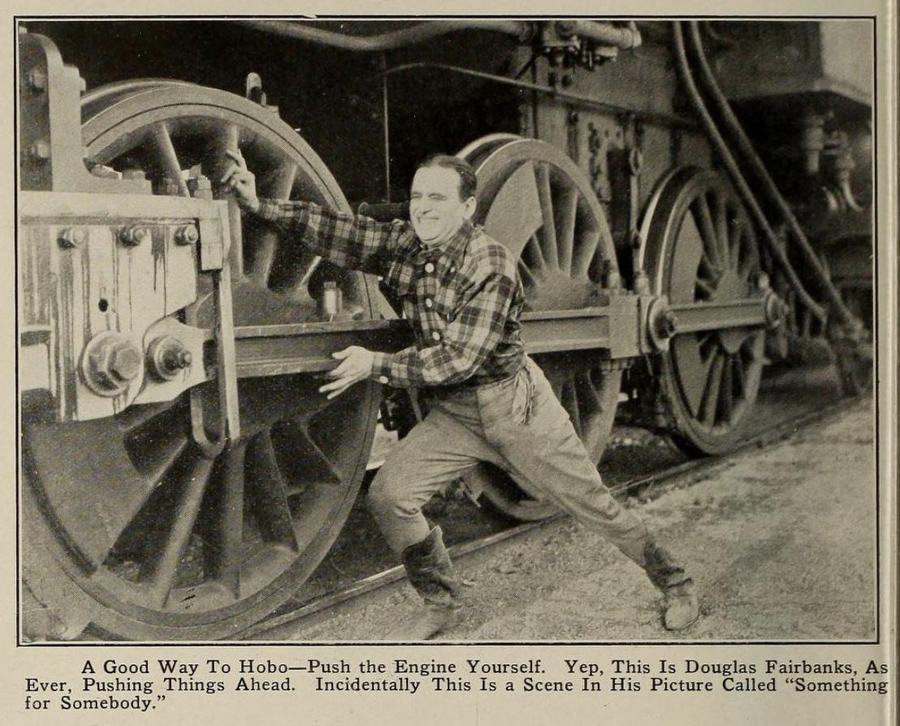
In the broader context of 1919's output, including works like The Enemy Within or the obscure Ein Gruss aus der Tiefe, The Knickerbocker Buckaroo stands out for its sheer joy. It is a film that delights in its own existence, inviting the audience to share in the 'cake' that Fairbanks so expertly baked. It remains a foundational text for anyone seeking to understand the power of the silent screen and the enduring charisma of its greatest star. The film is not merely a historical curiosity; it is a vibrant, breathing piece of art that continues to resonate with its infectious energy and timeless heroism.
IMDb 6.4
1923
Community
Log in to comment.